Ceramic Heater vs Carbon Heater: Which One Warms Your Home Best?
Winters in the USA can be brutal, and finding the right heater makes all the difference. I’ve tested both ceramic heaters and carbon heaters, and I’m excited to share what I’ve discovered. Whether you’re in a small apartment or a spacious house, choosing between these two can feel overwhelming. Don’t worry—I’ll walk you through how they work, their pros and cons, and which one might be your best bet. Let’s get started with a clear look at what makes each heater special.
What Is a Ceramic Heater?
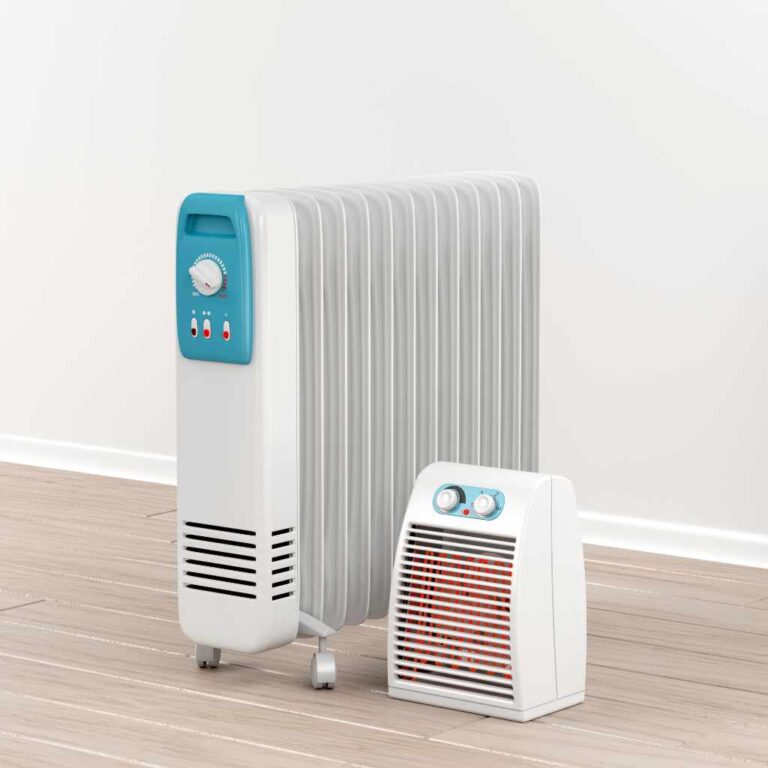
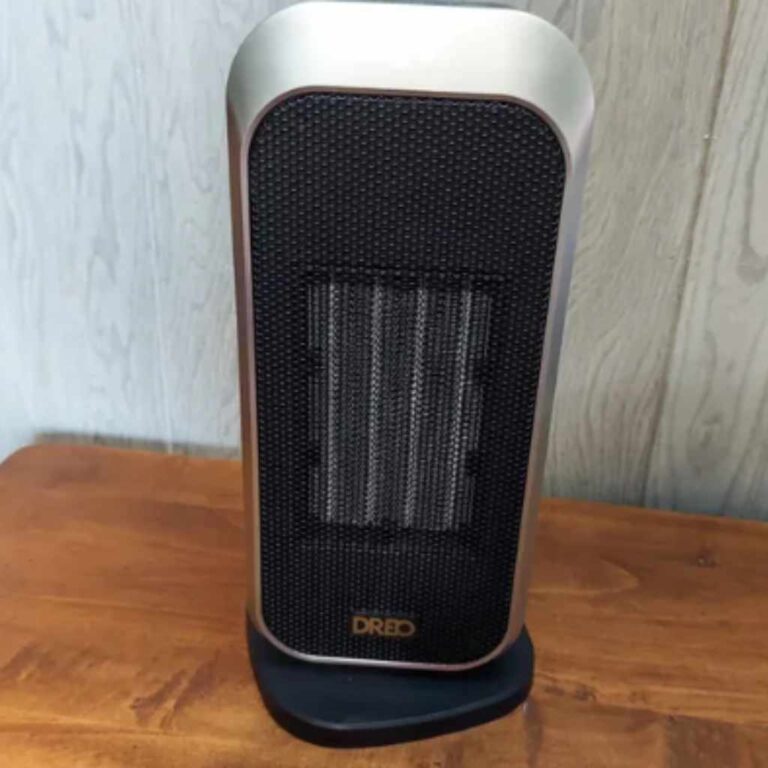
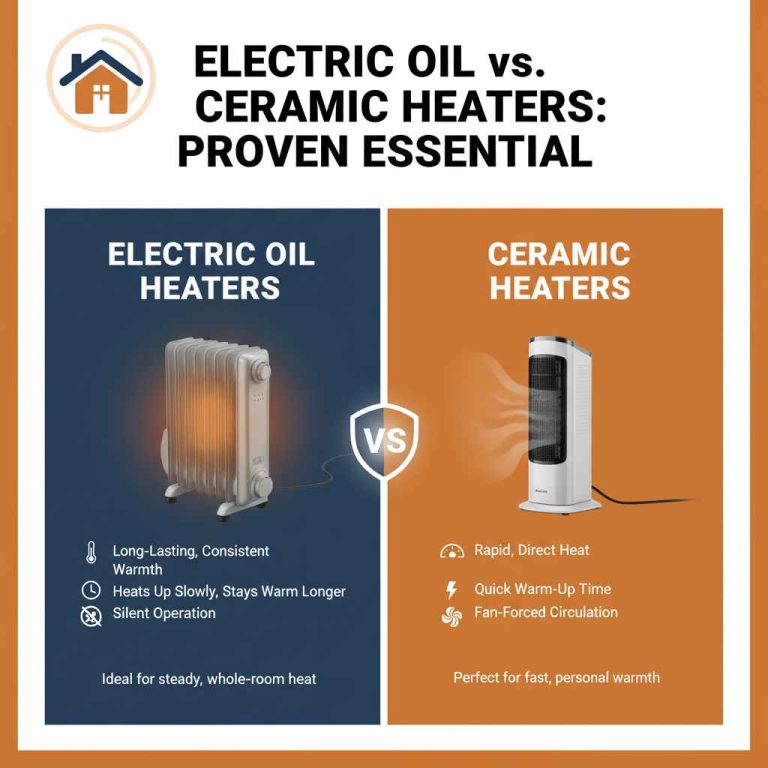
When I first used a ceramic heater, I was impressed by how quickly it warmed up my living room. These heaters use a ceramic heating element, usually plates or coils, to generate heat. A fan inside blows air over the hot ceramic, spreading warmth into the room. I love how fast they heat up—it’s almost instant. They’re also super versatile, perfect for small spaces like bedrooms or offices.
Ceramic heaters are known for their safety features. The ceramic element doesn’t get as hot as some other heaters, so they’re less likely to cause burns or fires. Many models, like the ones I’ve tried, come with tip-over protection and automatic shut-off if they overheat. I’ve found them great for households with kids or pets because of this. Plus, they’re energy-efficient, which means they won’t spike your electric bill as much as older heaters.
Another thing I noticed is how quiet they are. The fan makes a soft hum, but it’s not distracting. If you’re looking for a heater to use while working or sleeping, a ceramic heater is a solid choice. They come in all sizes, from compact models for your desk to larger ones for bigger rooms. Prices vary, but you can find good ones for $30 to $100, depending on features like oscillation or a thermostat.
What Is a Carbon Heater?
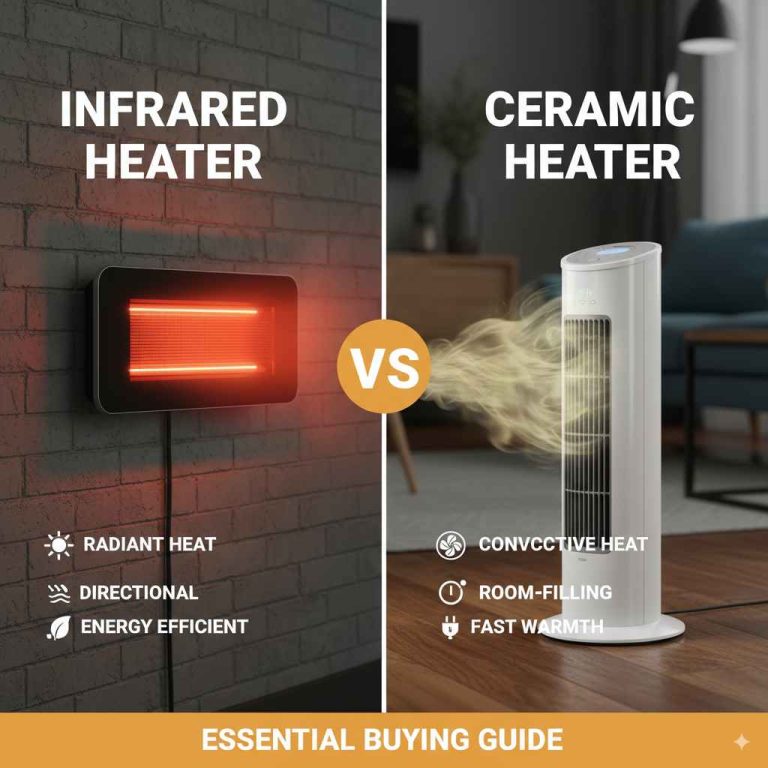
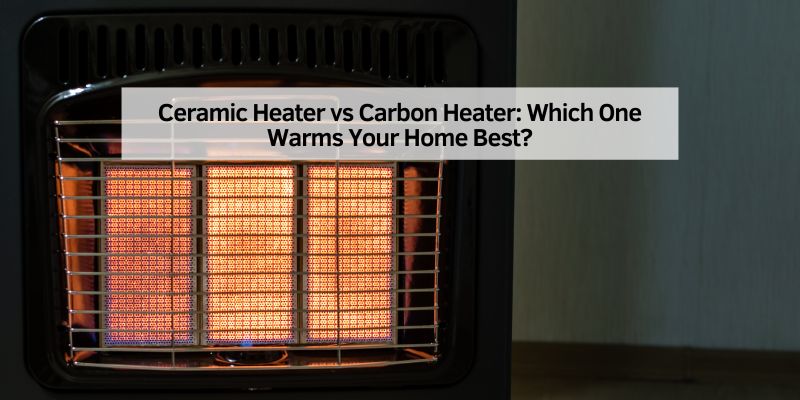
Now, let’s talk about carbon heaters. I first came across one at a friend’s house, and I was curious about the soft, glowing warmth it gave off. These heaters use carbon fiber elements to produce heat through infrared radiation. Instead of heating the air, they warm objects and people directly in their path. It feels like sitting in sunlight, which I found really cozy.
What I like about carbon heaters is how efficient they are at targeting heat. If you’re sitting in front of one, you feel warm right away, even if the room itself takes a bit to heat up. They’re great for spot heating, like when you’re watching TV or reading. They don’t use a fan, so they’re almost silent, which I appreciate when I want a peaceful evening.
One thing to note is that carbon heaters are less effective in large or drafty spaces. Since they rely on infrared rays, the heat doesn’t spread as widely as a fan-based heater. I’ve seen them work best in smaller, enclosed areas. They’re also lightweight and portable, often costing between $50 and $150. Safety-wise, they stay cool to the touch, but you need to be careful not to block the infrared rays, as that can reduce their effectiveness.

How Do They Compare in Performance?
When I compared the performance of ceramic heaters and carbon heaters, I noticed some key differences. Ceramic heaters are fantastic for heating an entire room quickly. The fan spreads warm air evenly, so everyone in the space feels comfortable. I’ve used mine in a 200-square-foot bedroom, and it warms up in about 10 minutes.
On the other hand, carbon heaters excel at providing focused warmth. I tested one in my home office, and it kept me toasty while I worked, even though the room itself stayed cooler. They’re not as good for large spaces because the infrared heat doesn’t circulate as well. If you’re looking to heat just yourself or a small area, a carbon heater is super efficient.
Energy efficiency is a big factor for me, especially with rising energy costs. Ceramic heaters use about 750 to 1500 watts, depending on the setting. I’ve found that models with adjustable thermostats help save energy by cycling on and off to maintain the temperature. Carbon heaters typically use 600 to 1200 watts, which can be lower, but they don’t heat as large an area. In my experience, both are more energy-efficient than old-school coil heaters, but your savings depend on how you use them.
Here’s a quick comparison table to break it down:
| Feature | Ceramic Heater | Carbon Heater |
|---|---|---|
| Heating Method | Fan blows air over ceramic plates | Infrared radiation warms objects |
| Best For | Whole-room heating | Spot heating |
| Energy Usage | 750–1500 watts | 600–1200 watts |
| Noise Level | Quiet fan hum | Silent |
| Safety Features | Tip-over protection, auto shut-off | Cool-to-touch exterior |
| Price Range | $30–$100 | $50–$150 |
Safety Features: What I’ve Learned
Safety is a big deal for me, especially since I have a curious cat who loves to explore. Ceramic heaters have a great reputation here. The ceramic elements don’t get as hot as metal coils, so there’s less risk of burns. Most models I’ve used have safety features like tip-over switches, which turn the heater off if it falls, and overheat protection. I once accidentally knocked over my ceramic heater, and it shut off instantly, which gave me peace of mind.
Carbon heaters are also safe but in a different way. Since they use infrared heat, the heater’s surface stays cool, so you won’t burn yourself if you touch it. However, you need to keep flammable objects, like curtains, away from the front to avoid blocking the rays. I’ve noticed some models don’t have tip-over protection, so I always double-check when buying one. Both types are safer than older radiant heaters, but I’d give a slight edge to ceramic heaters for their extra safety features.
Portability and Design
I move my heaters around a lot, depending on where I’m spending time. Both ceramic heaters and carbon heaters are lightweight, which I love. My ceramic heater weighs about 5 pounds, and I can carry it from my bedroom to the living room without a hassle. Many have handles, making them easy to grab and go.
Carbon heaters are often sleeker, with a modern look that blends into my decor. They’re usually tall and slim, like a tower, which saves floor space. I’ve seen some with remote controls, which is handy when I’m cozy on the couch and don’t want to get up. Ceramic heaters come in more shapes—some are boxy, others are towers—but they’re just as portable. Honestly, both are easy to move, so it comes down to which design fits your style.
Cost and Maintenance
When I started shopping for heaters, I wanted something that wouldn’t break the bank. Ceramic heaters are generally more affordable upfront, with good models starting at $30. Higher-end ones with fancy features like digital thermostats or oscillation might cost up to $100. Maintenance is simple—just clean the dust off the vents occasionally to keep the fan running smoothly.
Carbon heaters tend to be pricier, starting around $50 and going up to $150 for premium models. They’re durable, though, and I haven’t had to do much maintenance beyond wiping down the exterior. The carbon fiber elements last a long time, which is a plus. In my experience, both are low-maintenance, but ceramic heaters win for budget-conscious buyers.
Which One Suits Your Lifestyle?
Choosing between a ceramic heater and a carbon heater depends on your needs. If you want to heat a whole room, like a bedroom or living area, I’d recommend a ceramic heater. It’s fast, efficient, and great for shared spaces. I’ve used mine during family movie nights, and everyone stays warm.
If you’re looking for personal warmth, like when you’re working at a desk or relaxing in one spot, a carbon heater is the way to go. It’s perfect for targeting heat exactly where you need it. I love using mine in my reading nook—it feels like a warm hug without wasting energy heating the whole room.
Think about your space, too. In a drafty or large room, a ceramic heater is better at circulating heat. In a small, enclosed area, a carbon heater’s infrared warmth works like a charm. Also, consider noise. If silence is golden for you, a carbon heater’s fanless design is a winner. If a little hum doesn’t bother you, a ceramic heater won’t disappoint.
Environmental Impact
I try to be mindful of my energy use, and both heaters have eco-friendly perks. Ceramic heaters are efficient because they heat rooms quickly and maintain temperature with thermostats. Some models I’ve tried have eco-modes that reduce power usage. Carbon heaters use less electricity for spot heating, which is great if you’re only warming one person. Neither uses gas or oil, so they’re cleaner than traditional fireplaces or gas heaters.
That said, no heater is perfect. Electricity still comes from power plants, which may rely on fossil fuels depending on where you live. I’ve found that using a heater with a timer or thermostat helps minimize energy waste. If you’re eco-conscious like me, look for Energy Star-certified models, especially for ceramic heaters.
My Personal Experience
After using both types, I’ve got a soft spot for each. My ceramic heater is my go-to for chilly mornings when I want my whole apartment warm. It’s reliable, safe, and doesn’t make my electric bill skyrocket. But when I’m curled up with a book or working late, my carbon heater is my best friend. The direct warmth feels so comforting, and I love that it’s silent.
One winter, I used a ceramic heater in my drafty old apartment, and it kept the place cozy without much fuss. Another time, I brought a carbon heater to my parents’ house, and it was perfect for keeping my dad warm while he watched football. Both have their place, and I’ve learned it’s all about matching the heater to your specific needs.

Conclusion
After exploring both ceramic heaters and carbon heaters, I can say they’re both fantastic in their own way. If you want fast, whole-room warmth with great safety features, a ceramic heater is your best bet. If you’re after targeted, sun-like heat for one or two people, a carbon heater will keep you cozy. Think about your space, budget, and how you plan to use the heater. Whether you’re battling a freezing New York winter or just need a little warmth in sunny California, there’s a heater here for you. I hope my experience helps you pick the perfect one to stay warm and comfortable all season long.
FAQs
What’s the main difference between a ceramic heater and a carbon heater?
A ceramic heater uses a fan to blow air over heated ceramic plates, warming an entire room. A carbon heater uses infrared radiation to directly heat objects and people, great for spot heating.
Are ceramic heaters safer than carbon heaters?
Ceramic heaters often have more safety features, like tip-over protection and overheat shut-off. Carbon heaters are cool to the touch but may lack some of these extras. Both are safer than older coil heaters.
Which heater is better for a large room?
A ceramic heater is better for large rooms because it circulates warm air evenly. Carbon heaters work best in smaller, enclosed spaces for targeted warmth.
Do carbon heaters use less electricity?
Carbon heaters typically use 600–1200 watts, slightly less than the 750–1500 watts of ceramic heaters. However, ceramic heaters are more efficient for heating larger areas, which can save energy overall.
Can I leave a ceramic or carbon heater on overnight?
I wouldn’t recommend leaving either on unattended, but ceramic heaters with auto shut-off and tip-over protection are safer for longer use. Always follow the manufacturer’s guidelines for safety.