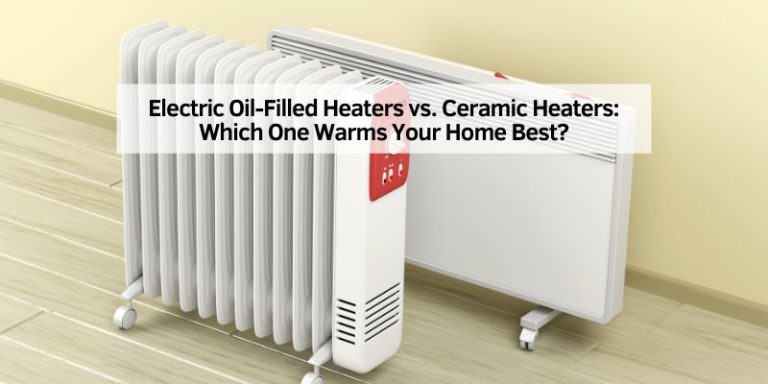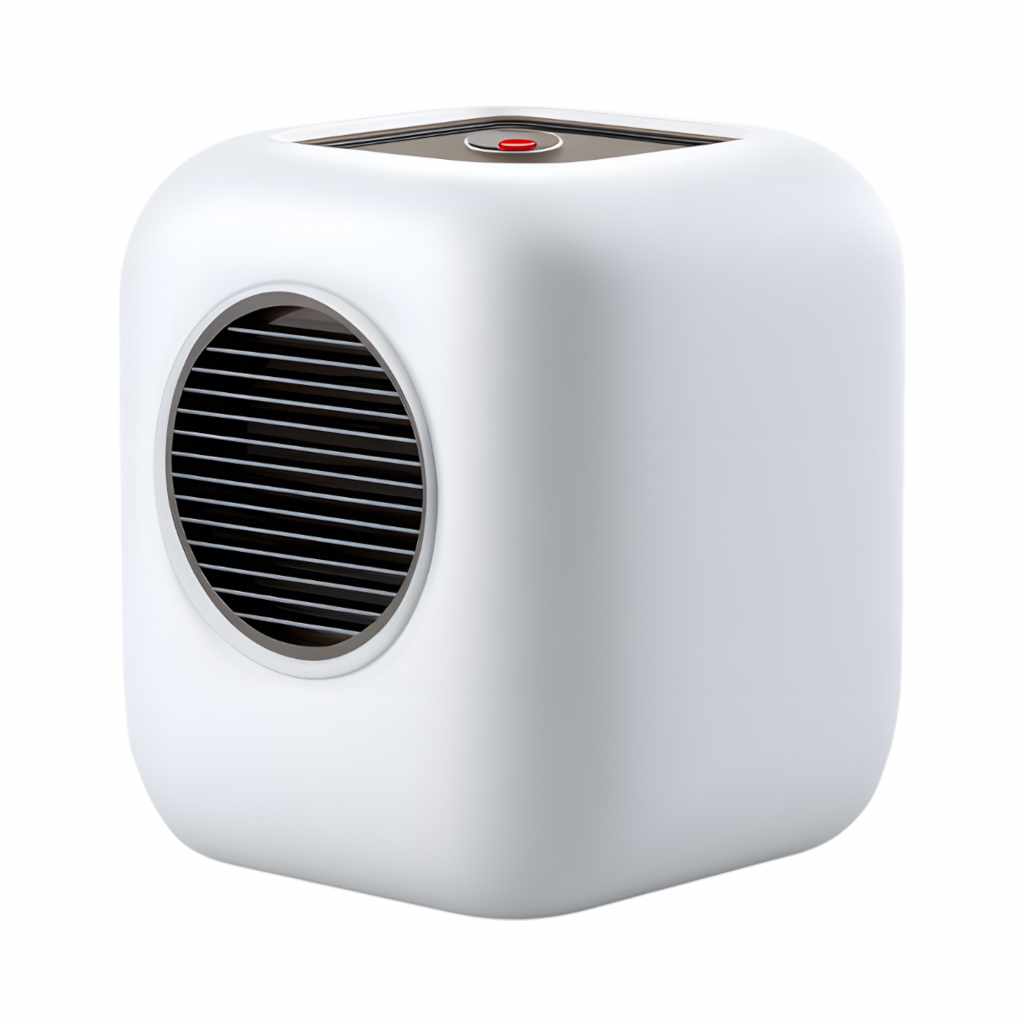
Ceramic Heaters vs Coil Heaters: Cooler to Touch
Ceramic heaters are not entirely cool to touch, but their outer casings operate at significantly lower and safer surface temperatures compared to older electric coil or glowing element heaters, greatly minimizing burn risks.
Choosing a safe, effective space heater for your home can feel overwhelming. You want warmth, but the scary image of a bright-red heating coil popping into your mind makes you nervous, especially with kids or pets around. A common question many new heater owners ask is: are ceramic heaters cool to the touch? Understanding this can make a huge difference in where you place your appliance.
The short answer is that ceramic heaters are much safer than many traditional options, but “cool” might be an overstatement. Let’s dive into how these modern heaters work, what surfaces get hot, and how their design keeps your family protected. We will break down the safety features so you can confidently use your ceramic heater this winter.
How Ceramic Heaters Create Warmth Without Extreme Heat
Ceramic heaters feel like magic—they warm a room quickly without looking like a traditional furnace. The modern design is the key to their enhanced safety profile. Instead of relying on an open flame or intensely glowing elements, ceramic technology uses specialized internal components.
The Technology Inside: PTC Elements
Ceramic heaters use Positive Temperature Coefficient (PTC) heating elements. These are small ceramic discs that generate heat when electricity passes through them. Here is how this setup works differently:
- Self-Regulating Heat: As the ceramic material gets hotter, its electrical resistance naturally increases. This process slows down the flow of electricity, preventing the element from overheating itself. This built-in limitation is a huge safety feature.
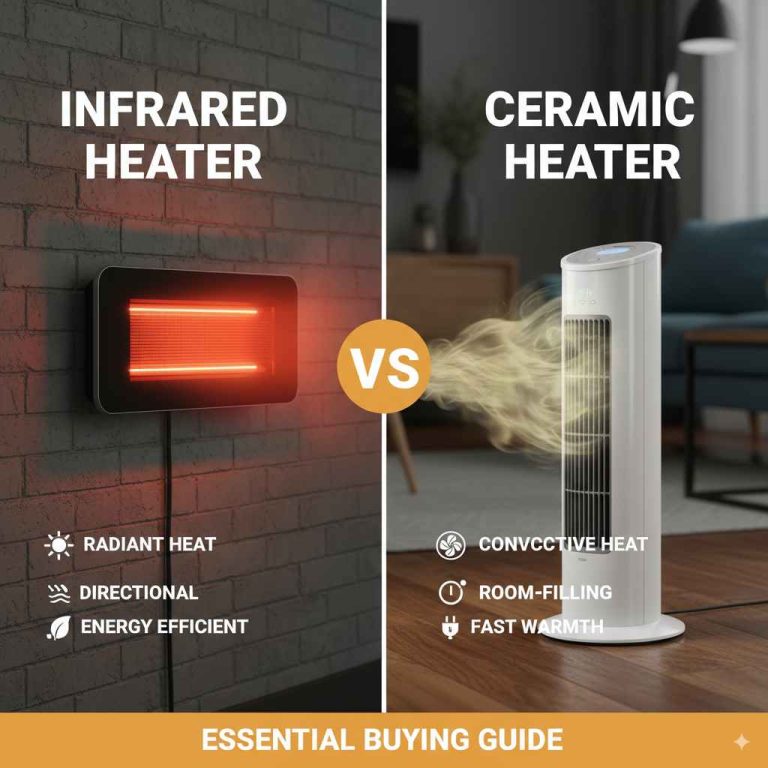
- Internal Heat Transfer: The ceramic core heats up, but this heat is then evenly transferred across a metal grille or fins, which are then used to blow warm air into the room via a fan.
- No Open Glow: Unlike older coil heaters, the heating element itself does not typically glow bright orange or red. This is the primary reason the surface stays much cooler.
The Role of the Fan
Almost all effective ceramic heaters use an internal fan. This is crucial for safety and efficiency alike.
- The fan pulls cooler room air over the heated ceramic plates.
- The heated air is then blown out into the room.
- This constant airflow keeps the external casing actively cooled, far more effectively than a heater relying only on radiant heat transfer.
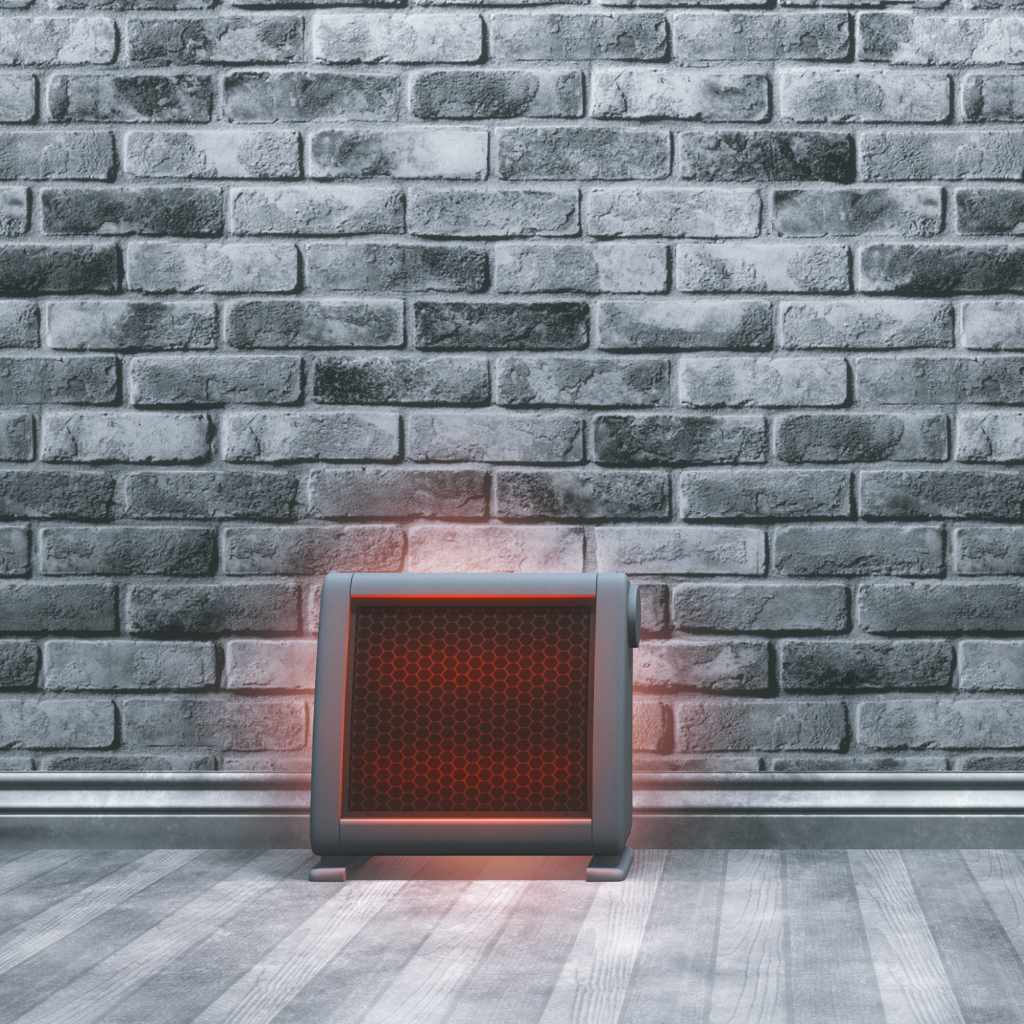
Testing the Temperature: Are Ceramic Heaters Really Cool To Touch?
This is the central question. While the internal components reach high temperatures (which is necessary to generate heat!), the external casing is designed to be safe for accidental, brief contact. However, this safety comes with important caveats.
Surface Temperature Compared to Other Heaters
To illustrate the difference, consider how hot various heating surfaces can get. We rely on safety standards set by organizations like Underwriters Laboratories (UL).
| Heater Type | Typical External Surface Temperature (Approximate) | Primary Risk Factor |
|---|---|---|
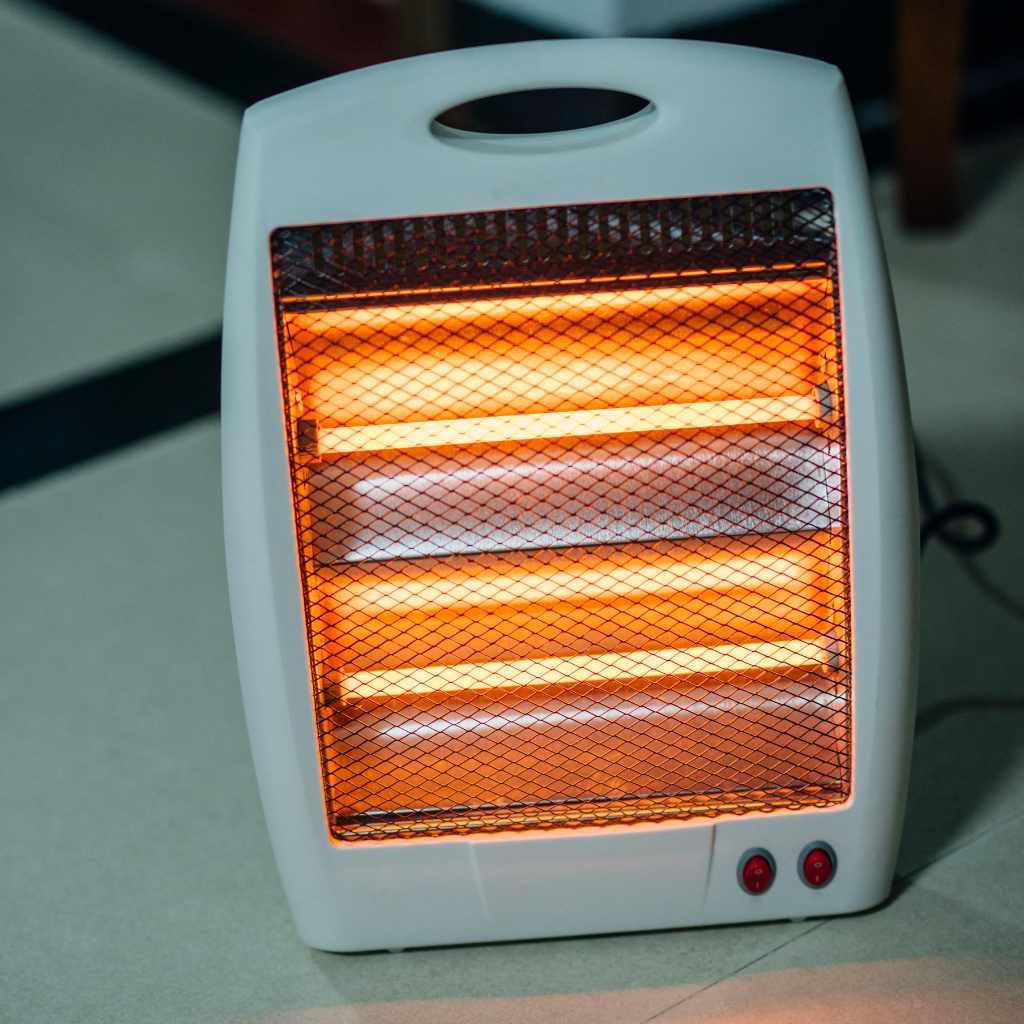
| Oscillating Quartz/Halogen Heater (Glowing) | 300°F – 450°F (149°C – 232°C) | Direct contact or proximity to combustibles causes immediate fire risk. |
| Traditional Electric Coil Heater | 250°F – 400°F (121°C – 204°C) | Elements can ignite dropped fabric; exposed coils pose severe burn risk. |
| Modern Fan-Forced Ceramic Heater | 140°F – 180°F (60°C – 82°C) | Risk of contact burns decreases significantly; casing is warm, not burning hot. |
Source Note: Surface temperatures can vary widely based on airflow, room temperature, and specific model design. Always check the manufacturer’s manual.
Defining “Cool” in Heating Safety
When most people ask if a ceramic heater is “cool to touch,” they mean: Will it cause an instant, severe burn if a person brushes against it?
For modern ceramic heaters with good airflow, the answer is usually no, not instantly or severely, provided they meet current safety standards. Surface temperatures that stay below 160°F (71°C) are generally considered safer for incidental contact, though caution is always necessary.
However, the metal grille where the heat exits, or the sides of the unit near the heating core, can often be quite hot—sometimes reaching temperatures over 180°F (82°C). This heat level is more than enough to cause a second-degree burn if skin is held against it for prolonged contact (even just a few seconds).
Core Safety Features Integrated into Ceramic Heaters
Ceramic heaters are popular precisely because manufacturers build in multiple layers of protection that go beyond just surface temperature management. These features are why they often receive high marks for residential safety compared to older heating methods.
1. Automatic Tip-Over Shutoff
This is perhaps the most valued safety feature for any portable heater. If your pet bumps the table or a child knocks the unit over, the heater immediately senses the change in orientation and cuts power.
- The built-in tilt sensor (often a ball-in-cup mechanism) stops PTC element power instantly.
- This prevents the unit from continuing to heat up while lying on the floor or carpeting, eliminating the fire risk associated with tipping.
2. Overheat Protection
Even with the self-regulating nature of the PTC ceramic element, if airflow is suddenly blocked (say, by a stack of laundry or a thick curtain), the internal temperature can creep too high.
Good quality ceramic heaters employ a secondary thermal fuse. If the internal temperature exceeds a safe operational threshold (often around 200°F or 93°C inside the casing), this fuse blows, permanently disabling the heater to prevent catastrophic failure or fire. Reputable brands adhere strictly to safety testing required by organizations like the National Renewable Energy Laboratory (NREL) regarding thermal management.
3. Cool-to-Touch Housing (Where Applicable)
Many modern models are specifically designed with dual-wall construction or insulated outer casings. This minimizes heat transfer to the exterior, consciously keeping the areas you might accidentally touch—like the top handle areas or the side plates—warm but not dangerously hot.
4. Safety Grille Design
The protective metal grille covering the output vent is engineered with tight spacing. This design ensures that small fingers or paw pads cannot reach the super-hot internal elements, even if the exterior metal framing is warm.
Practical Placement: Using Your Heater Safely
Knowing that the surface isn’t ice cold empowers you to place your heater correctly. Safety isn’t just about the heater’s build; it’s about how you use it.
The Three-Foot Rule: Essential Clearance
Even with advanced safety features, you must always maintain safe clearance between your heater and everything flammable. This standard clearance is often referred to as the “Three-Foot Rule” or 1-meter rule.
Keep the following items at least three feet (about one meter) away from your ceramic heater:
- Curtains, drapes, and bedding.
- Upholstered furniture (couches, recliners).
- Paper products (magazines, piles of mail).
- Clothing or towels left draining off a chair.
Placement Tips for Best Performance and Safety
Follow these placement guidelines to maximize warmth and minimize contact risk:
- On Hard, Level Surfaces: Always place the heater on a firm, non-combustible surface like tile, wood, or a dedicated ceramic trivet or stand. Never place it directly on thick carpet or rugs unless the manufacturer explicitly states it is safe to do so (which is rare for portable heaters).
- Avoid High Traffic Areas: Place the unit against a solid wall, away from doorways, entryways, or walkways where people might accidentally bump into it as they pass by. The tip-over sensor is great, but avoiding the fall is better.
- Keep Away from Water: Never use a space heater near a sink, bathtub, or in a damp basement area. While many modern heaters have safety features, electricity and water are a dangerous mix. Check that your unit has an appropriate IP rating if you plan to use it in a bathroom environment (though this is generally discouraged).
- Use the Handle: If you need to move the heater, only use the designated cool-touch handle area. Even if the rest of the casing is warm, the handle should remain safe to grip.
When Ceramic Heaters Get Hot: Identifying the Danger Zones
While overall safety is high, there are specific spots on the heater that will be significantly hotter than the sides. These areas require strict hands-off policies.
The Output Grille (Vent)
This is the area the fan blows hot air through. It must be hot to warm the room! Never obstruct this vent. While the grille bars themselves might protect against direct finger insertion, touching the metal near the output can cause instant pain and burning due to the concentrated heat exhaust.
The Rear and Top Vents
Many heaters draw air in from the rear or the top rear sides to cycle it over the heating core. These vents, designed for intake, can become very hot under sustained operation because they are closer to the heating core and away from the fan’s direct cooling airflow.
What To Do If You Get Burned
In the unlikely event that contact causes a painful red mark:
- Immediately run the affected area under cool (not ice-cold) running water for at least 10 to 20 minutes.
- Cover the burn loosely with a sterile, non-adhesive bandage.
- Seek medical attention if the burn is blistered or covers a large area.
Durability and Long-Term Safety Considerations
The longevity of your heater also plays a role in its continued safety.
Age and Wear
An older heater might not perform as reliably as a new one. Connections loosen, and safety fuses can degrade over time. If your ceramic heater is over seven or ten years old, even if it seems to work fine, consider replacing it with a newer model packed with the latest thermal protection technology.
Energy Efficiency and Safety Intertwined
Modern ceramic technology is often more energy-efficient because the PTC elements regulate their own draw, reducing wasted energy as excessive heat. According to the U.S. Department of Energy (DOE), efficient heating means the machine doesn’t need to run as intensely or for as long to achieve your target temperature, indirectly leading to less sustained heat exposure on external components.
Understanding Safety Ratings and Certifications
When you purchase a new ceramic heater, look for specific safety certifications. These stamps of approval mean the unit has passed rigorous testing regarding surface temperatures, wiring integrity, and automatic shut-off functionality.
Key certifications to look for include:
| Certification Mark | What It Means for You |
|---|---|
| UL (Underwriters Laboratories) Listing | The most common certification in North America. Indicates the product meets recognized safety standards for fire and electric shock risk. |
| ETL Listed | Similar to UL, indicating compliance with safety standards recognized by OSHA. A very reliable mark of quality manufacturing. |
| CE Mark (less common for US sales, but points to EU standards) | Indicates conformity with health, safety, and environmental protection standards for products sold within the European Economic Area. |
If a heater lacks any recognizable safety certification, put it back on the shelf. Certified heaters are generally designed with the “cool-to-touch” principle in mind for exterior surfaces so that accidental contact is far less hazardous.
FAQ: Quick Answers for Ceramic Heater Safety
Here are some common questions homeowners ask about keeping their ceramic heaters safe:
Q1: Can I place a towel over a ceramic heater to dry it out?
A: Absolutely not. Never cover any portable heater. Even if the casing seems relatively cool, covering the intake or output vents will cause rapid overheating, potentially compromising the internal safety fuses and creating a fire hazard.
Q2: Are ceramic heaters safe to leave running when I go to sleep?
A: Yes, cautiously. Most modern ceramic heaters with tip-over and overheat protection can be safely used overnight if you follow the Three-Foot Rule exactly and ensure the unit’s vents are completely clear. Always check the manual for manufacturer recommendations.
Q3: Why does the front grille get hotter than the rest of the body?
A: Concentrated Heat Transfer. The grille is the exit nozzle for the heated air. While the plastic or insulated side walls dissipate heat slowly, the metal grille must transfer heat efficiently, making it the hottest part of the exterior surface.
Q4: Can I use an extension cord with my ceramic heater?
A: Generally, no. Ceramic heaters draw significant wattage. Using an extension cord can cause the cord itself to overheat and become a fire risk. Plug your ceramic heater directly into a functioning wall outlet at all times.
Q5: Are oil-filled radiators safer than ceramic heaters regarding surface heat?
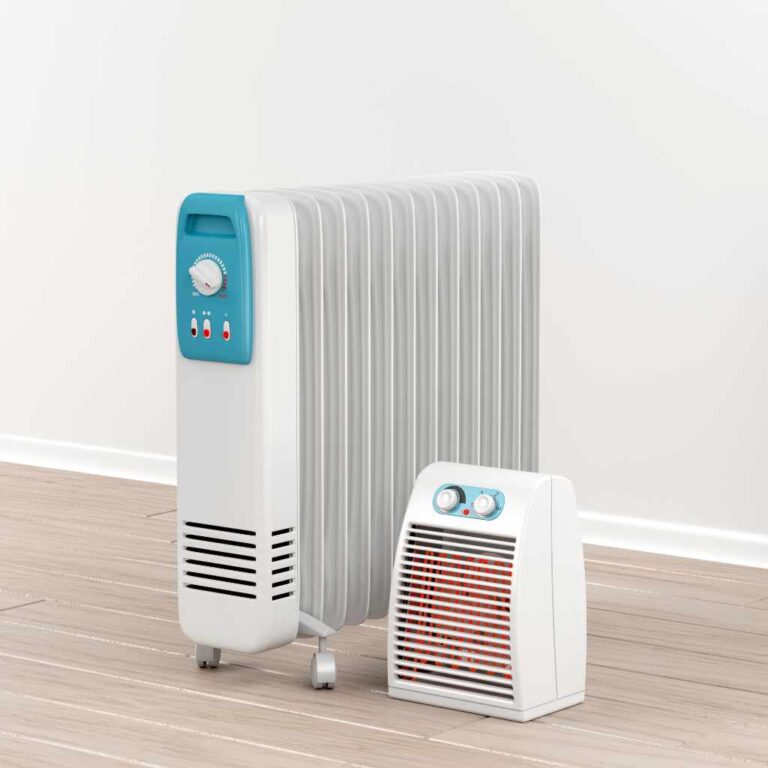
A: Oil-filled radiators tend to have lower surface temperatures. They heat oil internally, which then radiates heat slowly. While ceramic heaters offer faster heating and portability coupled with good safety features, oil radiators disperse heat more gently across the casing.
Q6: If my heater smells hot, is it about to break?
A: Sometimes, yes. A faint smell of dust burning off is normal during the first few uses. However, if you smell melting plastic, hot metal, or burning insulation, turn the unit off immediately, unplug it, and allow it to cool completely before attempting to diagnose the issue or use it again.
Conclusion: Confidence Through Clear Knowledge
Using a modern ceramic heater provides the best mix of quick warmth, targeted heating, and user-conscious safety features available in portable electric appliances today. To answer your biggest question directly: While they are not “cool to the touch”—the output areas will be hot—their external casings are intentionally designed to operate far safer than older coil or incandescent radiator styles.
The key to enjoying safe, cozy warmth lies in recognizing where the potential heat zones are (the vents and grille) and respecting necessary clearances. By placing your unit securely on a level floor, keeping flammable materials far away, and ensuring that you only use certified models, you create an environment where this versatile, fan-forced heat source works efficiently without posing undue stress or danger to your household. Enjoy the comfort, knowing you’ve taken the right, practical steps to heat your home wisely.