Are Ceramic Heaters a Fire Hazard: Truths You Need to Know
Are you thinking about using a ceramic heater to keep your space warm? Before you plug it in, you might be wondering: are ceramic heaters a fire hazard?
It’s a smart question because safety should always come first when it comes to heating your home or office. You’ll discover the truth about ceramic heaters and fire risks. You’ll learn how to use them safely and what to watch out for to protect your loved ones and your property.
Keep reading to make sure your heater keeps you warm without putting you in danger.
How Ceramic Heaters Work
Ceramic heaters are popular for warming small spaces quickly and efficiently. They use a special technology that heats the air without burning it. Understanding how ceramic heaters work helps you see their safety benefits and risks. This knowledge is key when deciding if they suit your home.
Heating Mechanism
Ceramic heaters use ceramic plates that get hot when electricity passes through them. These plates heat up the air around them. A fan blows the warm air into the room, spreading heat evenly. This method heats the air without exposing a hot coil, reducing fire risk.
The ceramic material holds heat well, making the heater efficient. It warms the air faster than many traditional heaters. The fan ensures the room heats quickly and stays warm for longer. This process uses less energy and feels safe to touch.
Safety Features
Most ceramic heaters include safety features to prevent accidents. Many models have overheat protection that turns the heater off if it gets too hot. This feature stops fires caused by overheating. Some heaters also have tip-over switches that shut off the unit if it falls.
These safety mechanisms make ceramic heaters safer than older heater types. The ceramic plates do not glow red, so they pose less burn risk. Always check for safety certifications when buying a ceramic heater. Proper use and placement also reduce fire hazards.

Common Fire Risks
Ceramic heaters are popular for quick warmth. Yet, they can pose fire risks. Understanding common fire risks helps keep homes safe.
Overheating Issues
Ceramic heaters can overheat if used too long. Overheating may cause internal parts to melt or catch fire. Many models have safety switches, but these can fail. Avoid running heaters unattended to prevent overheating.
Electrical Problems
Faulty wiring or damaged cords increase fire danger. Old or cheap heaters may have poor electrical parts. Sparks or short circuits can start fires quickly. Always inspect cords and plugs for damage before use.
Placement Hazards
Placing heaters near curtains, furniture, or papers is risky. These items can catch fire from heat or sparks. Keep heaters at least three feet away from flammable objects. Never place heaters on soft surfaces like beds or carpets.
Safety Standards And Certifications
Ceramic heaters must meet strict safety standards to ensure user protection. These standards help reduce fire risks. Certifications show that a heater has passed safety tests. They provide confidence when choosing a ceramic heater for your home.
Ul And Etl Listings
UL and ETL are trusted safety certification organizations. They test heaters for electrical and fire hazards. A UL or ETL listing means the heater meets safety rules. Products without these certifications may not be safe. Always check for these marks before buying a ceramic heater.
Built-in Safety Measures
Ceramic heaters come with safety features to prevent accidents. Overheat protection stops the heater from getting too hot. Tip-over switches turn off the heater if it falls. Some models have cool-touch exteriors to avoid burns. These built-in measures lower the risk of fire and injury.
Tips To Prevent Fire Hazards
Ceramic heaters are useful for warming rooms quickly. Safety is very important to avoid fires. Follow these tips to keep your home safe. Proper use, regular care, and smart placement help prevent fire risks.
Proper Usage Guidelines
Always read the manual before using a ceramic heater. Use the heater only for its intended purpose. Do not use it near water or in damp places. Turn off the heater when leaving the room or going to sleep. Avoid using extension cords as they may overheat.
Maintenance Practices
Clean the heater regularly to keep it working well. Dust and debris can cause overheating and fires. Check the power cord for any damage before use. Replace damaged cords immediately. Have a professional inspect the heater if it makes strange noises or smells.
Safe Placement Advice
Place the heater on a flat, stable surface. Keep it at least three feet away from curtains, furniture, and other flammable items. Do not block air vents or cover the heater. Avoid placing it near children or pets. Ensure the heater is in a well-ventilated area.
Comparing Ceramic Heaters To Other Types
Choosing the right heater is important for safety and comfort. Comparing ceramic heaters to other types helps you see how they perform. Each heater type has unique risks and benefits. Understanding these differences helps reduce fire hazards.
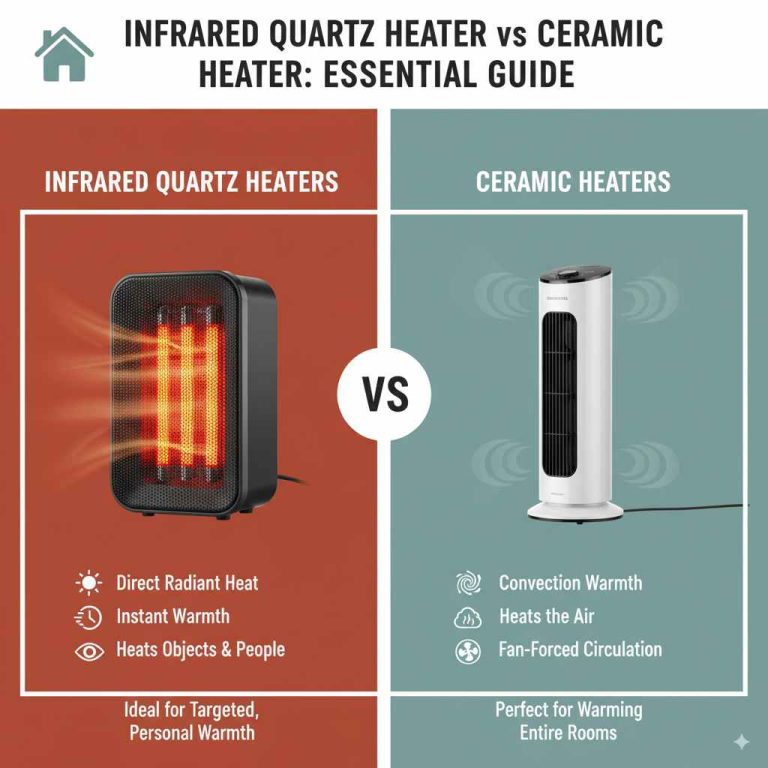
Infrared Heaters
Infrared heaters warm objects directly, not the air. They use less power and heat quickly. These heaters stay cool to touch, lowering burn risks. Fire hazards exist if flammable items touch the heater. Still, infrared heaters are generally safe with space around them.
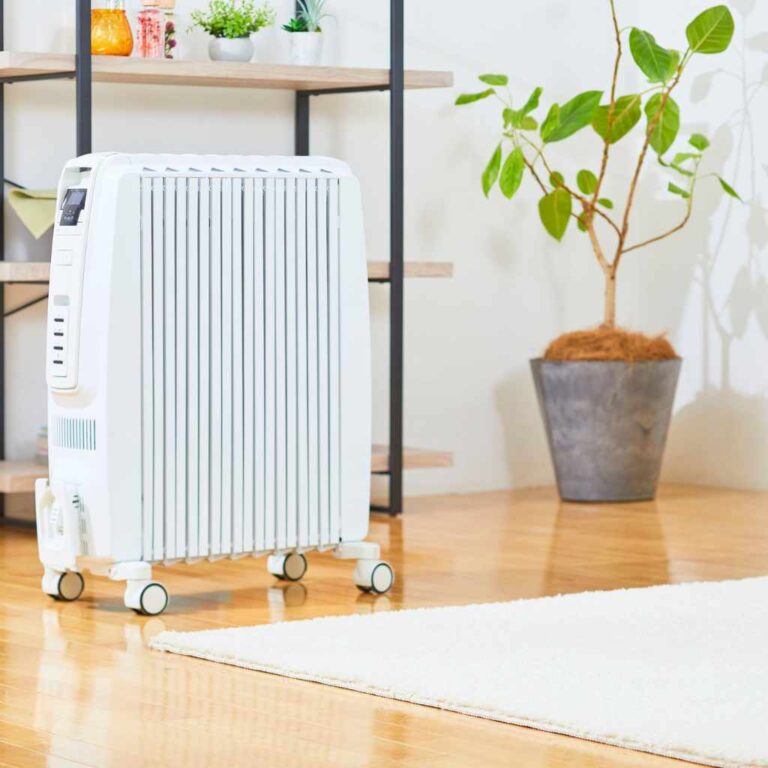
Oil-filled Radiators
Oil-filled radiators heat slowly but keep warmth longer. They do not have exposed heating elements, which reduces fire risk. These heaters get hot but usually have built-in safety features. Oil-filled radiators are heavy and stable, less likely to tip over. They are safe for long use in rooms.
Fan Heaters
Fan heaters blow warm air fast. They have exposed heating coils, which can be risky. Dust buildup on coils may cause fire dangers. These heaters can dry air quickly and may overheat if blocked. Proper cleaning and placement reduce fire risks with fan heaters.
Real-life Incidents And Statistics
Ceramic heaters are common in many homes for their quick warmth and energy efficiency. Despite their popularity, some worry about fire risks linked to these devices. Real-life incidents and statistics provide clear insight into their safety. Understanding these facts helps users stay safe and informed.
Reported Fire Cases
Thousands of fire incidents yearly involve space heaters. A portion of these fires connects to ceramic heaters. Most fires start in living rooms or bedrooms. Reports show fires often start from overheating or contact with flammable items. Fire departments stress caution when using any heater.
Common Causes
Overheating is a top cause of ceramic heater fires. Dust buildup blocks vents, raising temperature dangerously. Placing heaters near curtains or furniture also triggers fires. Leaving heaters on unattended adds serious risk. Faulty wiring or damaged cords cause sparks and fire. Regular checks and safe placement reduce danger greatly.
When To Replace Your Ceramic Heater
Knowing the right time to replace your ceramic heater can keep your home safe. Old or damaged heaters may cause fire risks. Regular checks help find problems early. This section highlights signs of wear and the benefits of upgrading for safety.
Signs Of Wear And Damage
Look for cracks in the heater’s body or casing. Frayed or exposed wires are a major danger. Strange smells or smoke mean the heater needs attention. If the heater stops working properly, it might be broken inside. Overheating or unusual noises also show damage. These signs mean it’s time to replace the heater.
Upgrading For Safety
New ceramic heaters have better safety features. They include automatic shut-off if tipped over or overheated. Modern heaters use safer materials to prevent fires. Upgrading reduces the risk of accidents at home. New models often use less electricity, saving money. Replacing old heaters improves comfort and safety together.
Frequently Asked Questions
Are Ceramic Heaters Safe To Use Indoors?
Yes, ceramic heaters are safe indoors when used properly. Always follow manufacturer guidelines and keep them away from flammable materials.
Can Ceramic Heaters Cause House Fires?
Ceramic heaters can cause fires if misused. Avoid blocking vents, placing them near curtains, or leaving them unattended.
How To Reduce Fire Risk With Ceramic Heaters?
Keep ceramic heaters on flat surfaces, maintain clearance from objects, and unplug when not in use to reduce fire risk.
Do Ceramic Heaters Have Automatic Shut-off Features?
Many ceramic heaters include automatic shut-off for overheating or tipping, enhancing safety and preventing fire hazards.
Conclusion
Ceramic heaters can be safe when used correctly. Always follow the safety instructions carefully. Avoid placing heaters near flammable materials. Regularly check cords and plugs for damage. Never leave a heater unattended for long. These steps help reduce fire risks significantly.
Choose models with safety features like automatic shutoff. Stay alert and use your heater responsibly. Safety depends on how you use the heater. Keep your home warm and worry-free.