Convection Heater vs Oil Filled Radiator: Which Is Best for You?
Last winter, I was freezing in my chilly home office, wrapped in a blanket like a burrito, trying to decide how to warm up without breaking the bank. I needed a heater but got stuck choosing between a convection heater vs oil filled radiator. Sound familiar? In this article, I’ll break down the debate in a way that’s easy to understand, even for a 10-year-old. You’ll get simple explanations, practical tips, and fun examples to help you pick the perfect heater. I’ll also share my own experiences, cost-saving tricks, and answers to common questions to make your decision a piece of cake!
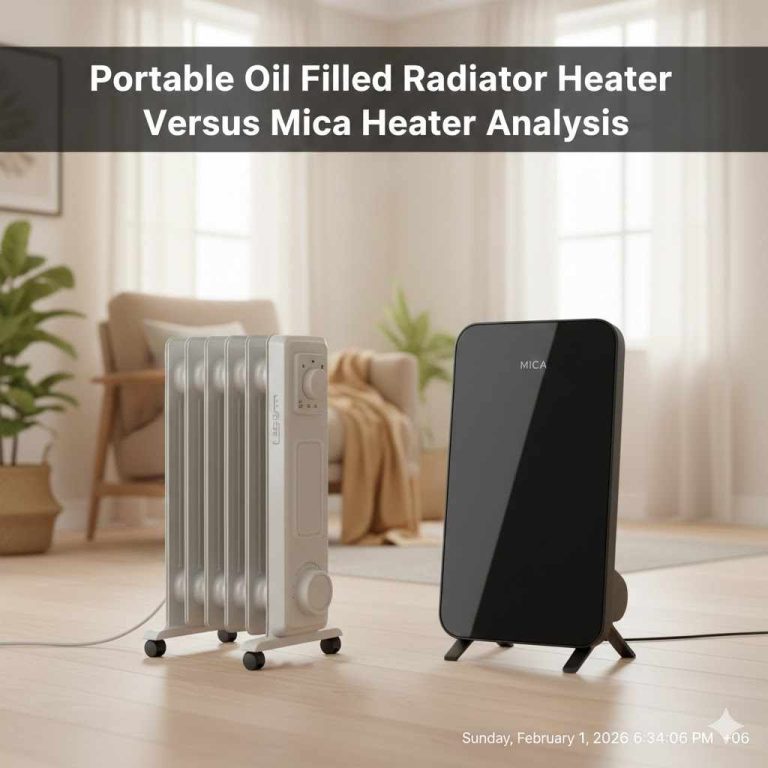
For a related heater topic, Portable Oil Filled Radiator vs Micathermic Heaters — Guide gives readers a useful next step.
What Is a Convection Heater vs Oil Filled Radiator?
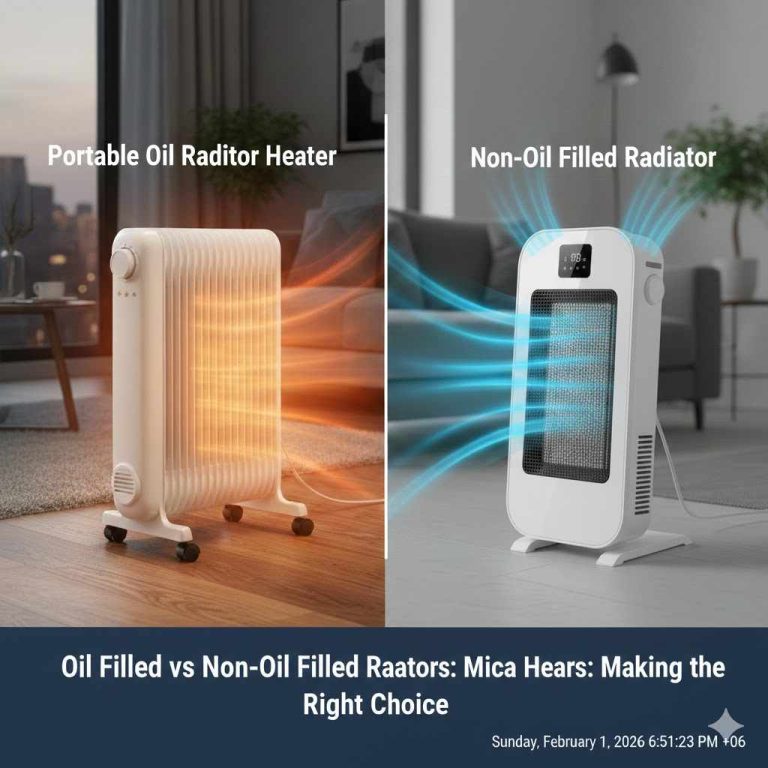
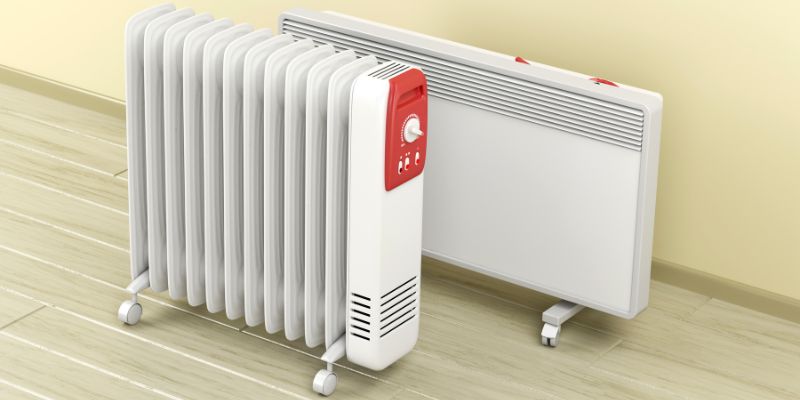
A convection heater and an oil-filled radiator are both electric heaters that warm your room, but they work differently. A convection heater pulls in cold air, heats it with a metal or ceramic element, and pushes warm air out, like a fan blowing hot air. An oil-filled radiator heats oil inside its fins, which then sends warmth into the room, like a cozy hot water bottle.
Why does this matter? Convection heaters heat up fast, perfect for quick warmth. Oil-filled radiators take longer but keep rooms toasty for hours, even after you turn them off. Think of it like microwaving popcorn (fast!) versus baking a cake (slow but steady).
How Do They Work? A Simple Breakdown
Let’s make it super easy. Imagine your room is a big box of cold air. Here’s how each heater tackles it:
- Convection Heater: It sucks in cold air at the bottom, warms it up inside with a hot element, and sends warm air out the top. The warm air rises, and cold air sinks, creating a loop that warms the whole room. It’s like stirring hot cocoa to spread the warmth.
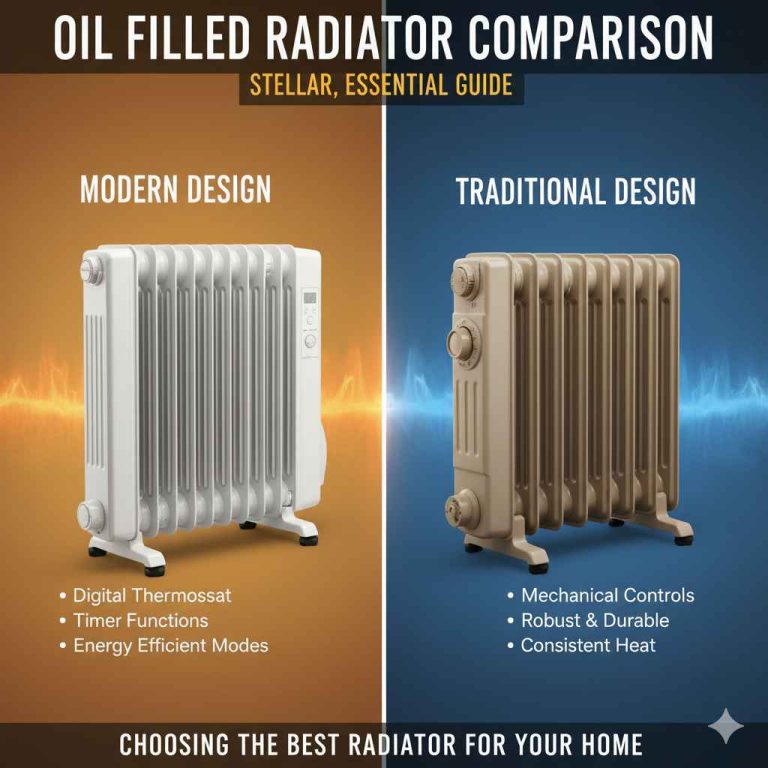
- Oil-Filled Radiator: A heating element warms oil inside the radiator’s fins. The hot oil heats the metal, which sends warmth into the room through radiation (direct heat) and convection (air movement). It’s like a warm hug that lasts.
Convection Heater in Action
I used a convection heater in my living room last year. I turned it on, and in 10 minutes, the room felt cozy. It was like flipping a switch for instant heat! But when I left it on too long, the air got dry, and I needed a humidifier.
Oil-Filled Radiator in Action
In my bedroom, I tried an oil-filled radiator. It took about 30 minutes to feel warm, but once it did, the room stayed toasty all night, even after I turned it off. It felt like snuggling under a warm blanket.
Comparing the Two: A Handy Table
Here’s a simple table to show how these heaters stack up. I’ve kept it clear for beginners but detailed enough for enthusiasts.
| Feature | Convection Heater | Oil-Filled Radiator |
|---|---|---|
| Heat-Up Time | Fast (5-10 minutes) | Slower (20-30 minutes) |
| Heat Duration | Cools quickly when off | Stays warm longer after off |
| Portability | Lightweight, easy to move | Heavier, often has wheels |
| Noise Level | May have a fan (slight hum) | Silent |
| Best For | Quick heat in small rooms | Long-lasting heat in larger rooms |
| Average Cost | $20-$100 | $30-$200 |
Table 1: Convection Heater vs Oil Filled Radiator Comparison
Benefits and Drawbacks
Both heaters are great, but they have pros and cons. Let’s break it down with examples.
Convection Heater Benefits
- Fast Heat: Perfect for chilly mornings when you need warmth now. I use mine in my bathroom before a shower.
- Lightweight: Easy to carry from room to room. My 5-pound heater is a breeze to move!
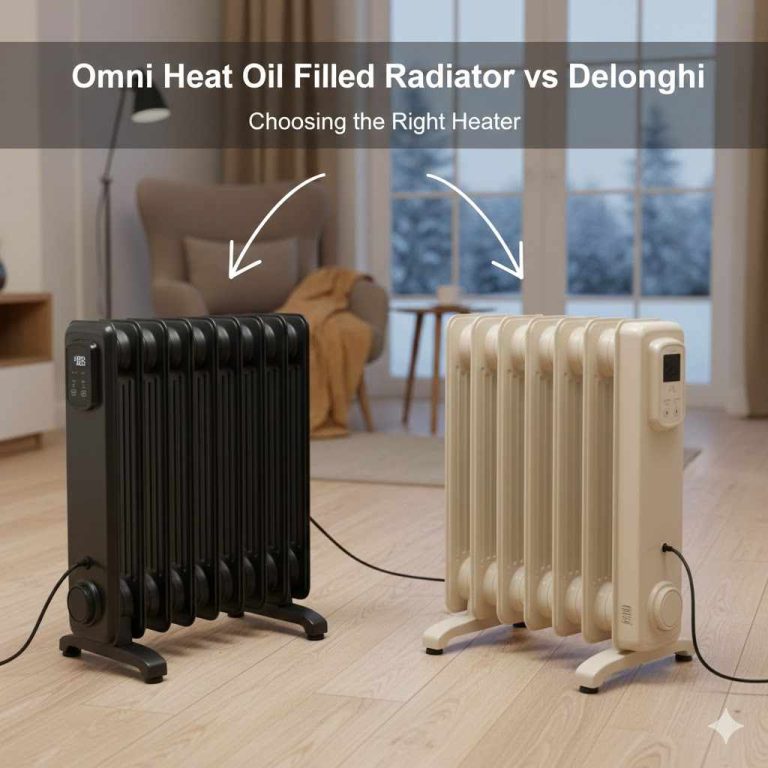
- Affordable: You can find good ones for $20-$50, like the De’Longhi Capsule I snagged on sale.
Convection Heater Drawbacks
- Dries Air: It can make your room feel stuffy, like after a long car ride. A humidifier helps.
- Cools Fast: Once off, the warmth fades quickly, like a campfire dying out.
- Not Great for Big Rooms: It struggles in large spaces, like trying to warm a gym with a hairdryer.
Oil-Filled Radiator Benefits
- Long-Lasting Heat: Stays warm even after you unplug it, like a hot pizza box keeping slices toasty.
- Silent: No fan noise, perfect for bedrooms. I sleep like a baby with mine on.
- Energy-Saving: Uses less electricity over time since the oil holds heat. My electric bill dropped $10 a month!
Oil-Filled Radiator Drawbacks
- Slow to Start: Takes time to warm up, like waiting for bread to bake.
- Heavy: Some weigh 20 pounds or more, but wheels make moving easier.
- Higher Upfront Cost: Good models start at $50, though I found a Dimplex for $40 on clearance.
Practical Examples: Which Heater for Your Space?
Let’s look at two scenarios to help you choose.
Scenario 1: Warming a Small Home Office
You work in a 100-square-foot office and need quick heat for 2-3 hours. A convection heater is your best bet. Plug in a 1500-watt model, set it to 68°F, and you’ll feel warm in minutes. I use a Lasko Ceramic Heater for this—it’s small, cheap, and heats my desk area fast. Tip: Point it at your feet for extra coziness!
Scenario 2: Keeping a Bedroom Cozy All Night
You want your 200-square-foot bedroom warm for 8 hours while you sleep. An oil-filled radiator shines here. Set a 2000-watt model like a De’Longhi Dragon 4 to 65°F before bed. It’ll keep the room toasty all night without noisy fans. I love mine for silent, steady warmth.
Cost-Saving Tips for Both Heaters
Saving money on heating is a big deal. Here are three easy tips I’ve learned:
- Use a Timer: Set your heater to turn on 30 minutes before you enter the room and off when you leave. I use a $5 plug-in timer to save electricity.
- Insulate Your Room: Close curtains and seal window gaps with weatherstripping. This keeps heat in, like wrapping a jacket around your room.
- Choose the Right Wattage: A 1000-watt heater is enough for a 100-square-foot room. Bigger isn’t always better—it just costs more to run!
Common Mistakes to Avoid
I’ve made some heater blunders, so here’s what to watch out for:
- Covering the Heater: Never drape clothes over either type—it’s a fire risk. I once tossed a towel over my convection heater, and it got scarily hot!
- Wrong Size for the Room: A small convection heater won’t warm a big living room. Measure your space (100 watts per 10 square feet is a good rule).
- Ignoring Safety Features: Pick heaters with tip-over protection and auto shut-off. My oil-filled radiator has both, and it gives me peace of mind.
Visual Ideas for Better Understanding
Pictures make things clearer! Here are three visual ideas (sorry, I can’t include them, but imagine these):
- Diagram of Heat Flow: A simple drawing showing cold air entering a convection heater and warm air rising, versus oil-filled radiator fins glowing with heat.
- Room Size Chart: A colorful chart matching heater wattage (e.g., 1000W, 1500W) to room sizes (e.g., 100 sq ft, 200 sq ft).
- Safety Checklist: A cartoon-style list with icons for “no clothes on heater,” “plug into wall,” and “check for tip-over switch.”
My Personal Insights from Years of Use
I’ve used both heaters for years, and here’s my take. Convection heaters are like a quick sprint—great for short bursts but tiring if you run them all day. Oil-filled radiators are a marathon runner, slow to start but steady for hours. My biggest “aha” moment? Pairing an oil-filled radiator with a timer in my bedroom saved me $15 a month compared to central heating. For quick fixes, I keep a cheap convection heater in my garage—it’s a lifesaver for chilly DIY projects!
Comparing Costs: Another Table for Clarity
Running costs matter, so here’s a table based on average U.S. electricity rates (15 cents per kWh):
| Heater Type | Wattage | Cost per Hour | Cost for 8 Hours |
|---|---|---|---|
| Convection Heater | 1500W | $0.23 | $1.84 |
| Oil-Filled Radiator | 1500W | $0.23 | $1.84 (less if cycled off) |
Table 2: Running Costs for Convection Heater vs Oil Filled Radiator
Note: Oil-filled radiators may cost less over time since they cycle off but still radiate heat.
Safety Advice for Peace of Mind
Heaters can be risky if you’re not careful. Always plug them directly into a wall outlet—no extension cords. Keep them 3 feet from curtains or furniture. I learned this the hard way when my cat knocked over a convection heater (thankfully, it had tip-over protection!). Check for UL certification, which means the heater meets safety standards. For more safety tips, visit CPSC.gov.
Frequently Asked Questions
What’s the Main Difference Between a Convection Heater and an Oil-Filled Radiator?
A convection heater heats air quickly and pushes it out, while an oil-filled radiator heats oil that radiates warmth slowly but lasts longer. Think of convection as a fast fan and oil-filled as a steady glow.
Which Heater Is Cheaper to Run?
Oil-filled radiators are often cheaper for long-term use because they retain heat, cycling off to save energy. Both use the same watts, but oil-filled models stay warm after shutting off.
Can I Leave an Oil-Filled Radiator On All Night?
Yes, if it has safety features like auto shut-off and tip-over protection. I leave mine on low in my bedroom, and it’s safe and silent.
Do Convection Heaters Dry Out the Air?
Yes, they can make air feel dry, especially in small rooms. A small humidifier, like my $20 Vicks model, fixes this fast.
Which Heater Is Better for a Large Room?
Oil-filled radiators are better for larger rooms (200+ sq ft) because they provide steady, even heat. Convection heaters work best for smaller spaces.
Are These Heaters Safe Around Kids or Pets?
Both are safe if they have tip-over protection and cool-touch surfaces. Oil-filled radiators have lower surface temperatures, making them safer for kids.
How Do I Choose the Right Size Heater?
Measure your room and use 100 watts per 10 square feet. A 1500-watt heater warms about 150 square feet, perfect for a small bedroom.
Conclusion
Choosing between a convection heater vs oil filled radiator depends on your needs. Need quick heat for a short time? Go with a convection heater. Want steady, long-lasting warmth? Pick an oil-filled radiator. Both are awesome for keeping cozy without cranking up your central heating. Try one in your coldest room this winter—I bet you’ll love it! Share your heater choice or tips in the comments on my blog, or check out Energy.gov for more energy-saving ideas. Stay warm and have fun heating your home!