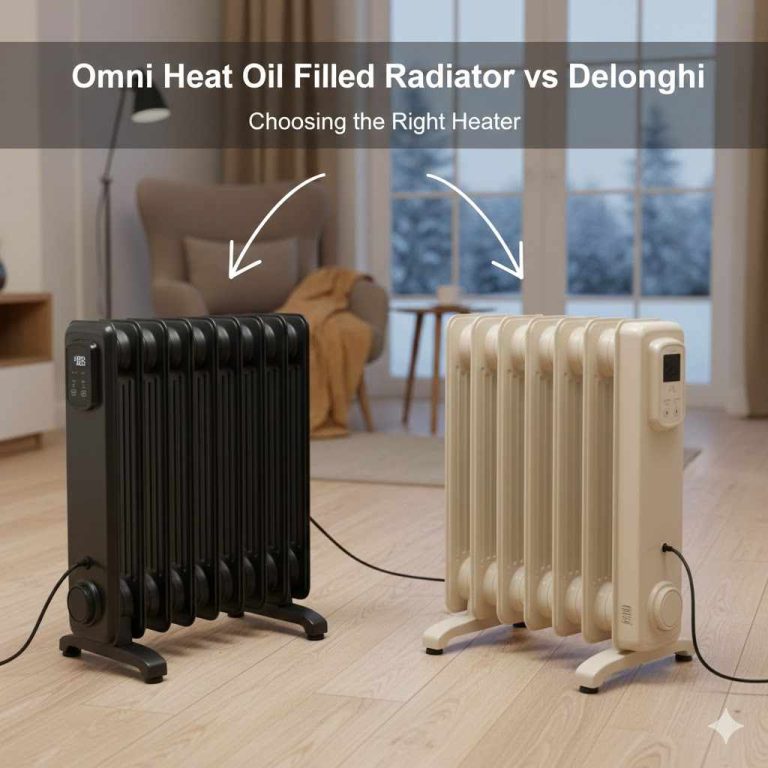
Edenpure Vs Oil Filled Radiator: Which Heater Wins?
Last winter, my old heater gave up in the middle of a snowy night, leaving me shivering under a pile of blankets. I decided to find a new heater and got stuck choosing between an Edenpure and an oil-filled radiator. If you’re in the same boat, this article will help you pick the right one! I’ll break down what each heater does, compare them with simple examples, share tips from my own experience, and answer common questions. Whether you’re a beginner or a pro at staying cozy, let’s find the best heater for your home.
For portable or electric heater comparisons, Infrared Heaters Vs Oil Filled Radiators: Heating Showdown gives readers another helpful angle before buying or using one.
For portable or electric heater comparisons, Electric Baseboard Heater vs Oil Filled Radiator gives readers another helpful angle before buying or using one.
What Are Edenpure and Oil-Filled Radiators?
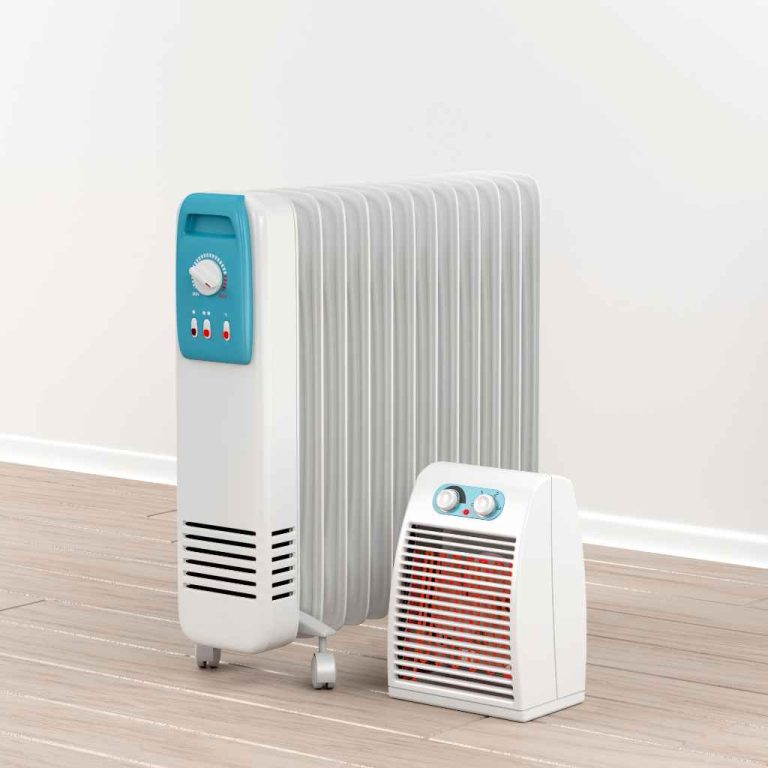
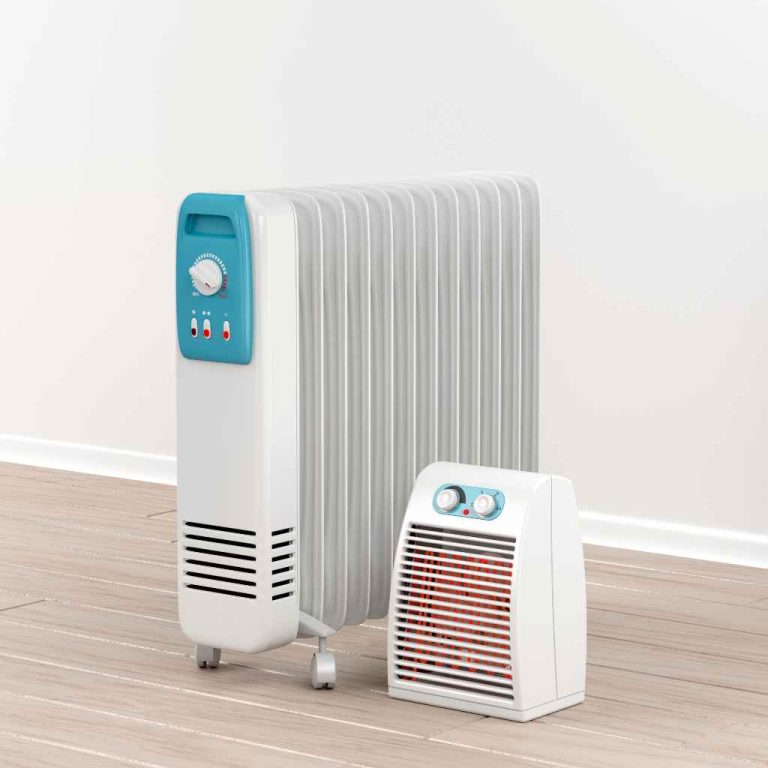
Edenpure and oil-filled radiators are electric heaters that warm your home, but they work differently. An Edenpure heater uses infrared technology to heat objects and people directly, like sunlight. It’s often marketed as super efficient, with a sleek design and a fan to spread heat. An oil-filled radiator, on the other hand, looks like an old-school radiator. It heats oil inside, which then radiates steady warmth through metal fins, warming the air around it.
Why does this matter? Edenpure heaters feel warm right away, great for quick heat in small spaces. Oil-filled radiators take longer to warm up but keep rooms cozy for hours, even after they’re off. Both are safe and portable, but your choice depends on your room size, budget, and how fast you need heat.
Comparing Edenpure vs Oil-Filled Radiator
Let’s dive into how these heaters stack up. I tested both in my chilly living room (about 200 square feet) to see which worked best. Here’s what I found, broken down into key points.
Heat Speed and Comfort
Edenpure heaters warm up fast because they use infrared rays. Within 10 minutes, I felt toasty sitting near my Edenpure. It’s like sitting by a campfire—cozy if you’re close, but less effective across the room. Oil-filled radiators take 20-30 minutes to heat up because the oil needs time to get hot. Once warm, though, my oil-filled radiator kept the whole room comfortable for hours, even without a fan.
Energy Use and Cost
Both heaters use about 1500 watts, the max for most household outlets. This means they cost roughly the same to run—about $0.18 per hour at the average U.S. electricity rate of $0.12 per kWh. However, oil-filled radiators can save money over time. They keep radiating heat after you turn them off, unlike Edenpure, which stops heating instantly. I noticed my oil-filled radiator ran less often because its thermostat held a steady temperature.
Safety and Maintenance
Safety is a big deal, especially if you have kids or pets. Oil-filled radiators stay cooler to the touch, so they’re less likely to burn curious fingers. My cat loves napping near my oil-filled radiator—no worries there! Edenpure heaters are safe too, with cool exteriors, but their fans can get dusty and need cleaning. Oil-filled radiators are sealed, so they’re maintenance-free, which I love.
Portability and Design
Edenpure heaters are lightweight and stylish, often with digital displays. I moved mine easily from my bedroom to the living room. Oil-filled radiators are heavier (15-25 pounds) but come with wheels, so rolling them around is no sweat. Design-wise, Edenpure looks modern, while oil-filled radiators have a classic, bulky look that might not fit every decor.
Simple Comparison Table
Here’s a quick table to compare the two heaters based on my tests and research.
| Feature | Edenpure Heater | Oil-Filled Radiator |
|---|---|---|
| Heat Speed | Fast (5-10 min) | Slow (20-30 min) |
| Room Size | Small (up to 200 sq ft) | Medium (up to 300 sq ft) |
| Cost to Run | $0.18/hour | $0.18/hour, but saves over time |
| Weight | Light (8-12 lbs) | Heavy (15-25 lbs) |
| Safety | Cool exterior, fan needs cleaning | Cooler surface, no maintenance |
Table 1: Edenpure vs Oil-Filled Radiator Comparison
Step-by-Step Guide to Choosing Your Heater
Not sure which heater fits your needs? Here’s a simple guide to pick the right one, based on my trial and error.
- Check Your Room Size: Measure your space. Edenpure works best for small rooms (under 200 square feet), like a bedroom. Oil-filled radiators handle bigger spaces (up to 300 square feet), like a living room.
- Set a Budget: Edenpure heaters cost $100-$400, while oil-filled radiators range from $40-$150. I found a great oil-filled radiator at Walmart for $50 that outperformed my pricier Edenpure.
- Think About Timing: Need quick heat for short bursts? Go with Edenpure. Want steady warmth for hours? Choose an oil-filled radiator.
- Test the Thermostat: Look for a heater with a clear thermostat (preferably in degrees). My Edenpure’s vague settings annoyed me, but my oil-filled radiator’s thermostat kept my room at a perfect 70°F.
- Place It Safely: Keep either heater 3 feet from curtains or furniture. I learned this the hard way when my Edenpure got too close to a couch and overheated!
Benefits and Drawbacks
Both heaters have pros and cons. Here’s what I noticed after using them.
Edenpure Benefits
- Quick Heat: Warms you up in minutes, perfect for chilly mornings.
- Stylish: Looks sleek and modern, great for small apartments.
- Portable: Easy to carry from room to room.
Edenpure Drawbacks
- Small Range: Doesn’t heat large rooms well.
- Noisy Fan: The fan can be loud, especially at night.
- Pricey: Costs more upfront and doesn’t save energy long-term.
Oil-Filled Radiator Benefits
- Long-Lasting Heat: Stays warm even after it’s off, saving energy.
- Quiet: No fan, so it’s silent—perfect for sleeping.
- Affordable: Cheaper to buy and maintain.
Oil-Filled Radiator Drawbacks
- Slow Start: Takes time to warm up, not great for quick fixes.
- Heavy: Harder to move without wheels.
- Bulky Design: Might not look great in modern homes.
My Top Tips for Using Heaters
After testing both heaters, here are my best tips to stay warm and save money:
- Use a Timer: Set your heater to turn off after a few hours to avoid wasting energy. I use a $10 plug-in timer from Home Depot.
- Add a Fan: A small desk fan can spread heat from an oil-filled radiator faster. I got one for $15, and it made my room cozy in half the time.
- Seal Drafts: Check windows for leaks. I used $5 weatherstripping tape to keep cold air out, making both heaters work better.
Common Mistakes to Avoid
Here are mistakes I made so you don’t have to:
- Placing Too Close: Keep heaters away from furniture to avoid fire risks. My Edenpure overheated once because I ignored this!
- Ignoring Wattage: Don’t plug a 1500W heater into a shared circuit with other devices. It tripped my breaker when I ran my heater and computer together.
- Skipping the Thermostat: Always use the thermostat to avoid overheating. I wasted energy before I learned this trick.
Visual Ideas for Better Understanding
To make this easier, here are ideas for visuals (not included, but you can imagine them):
- Room Size Chart: A simple diagram showing which heater works best for small, medium, or large rooms.
- Heat Flow Diagram: A sketch of how infrared rays (Edenpure) vs. radiant heat (oil-filled) spread in a room.
- Safety Zone Map: A top-down view of a room showing the 3-foot safety zone around a heater.
Cost-Saving Comparison Table
Here’s a table comparing long-term costs based on my experience and average U.S. electricity rates.
| Heater Type | Purchase Cost | Hourly Cost | Monthly Cost (4 hrs/day) |
|---|---|---|---|
| Edenpure | $100-$400 | $0.18 | $21.60 |
| Oil-Filled Radiator | $40-$150 | $0.18 | $18.00 (due to residual heat) |
Table 2: Cost Comparison for Edenpure vs Oil-Filled Radiator
Frequently Asked Questions
What’s the Main Difference Between Edenpure and Oil-Filled Radiators?
Edenpure heaters use infrared rays to heat objects quickly, while oil-filled radiators heat oil to radiate steady warmth over time.
Which Heater Is Cheaper to Run?
Oil-filled radiators are often cheaper long-term because they retain heat after being turned off, reducing energy use.
Are Edenpure Heaters Really More Efficient?
No, both heaters are 100% efficient, converting all electricity to heat. Edenpure’s marketing can be misleading.
Which Heater Is Safer for Kids and Pets?
Oil-filled radiators are safer because their surfaces stay cooler, reducing burn risks for kids or pets.
Can Either Heater Warm a Large Room?
Oil-filled radiators are better for larger rooms (up to 300 sq ft). Edenpure works best for smaller spaces.
How Do I Maintain These Heaters?
Edenpure needs fan cleaning every few months. Oil-filled radiators are sealed and need no maintenance.
Where Can I Buy These Heaters?
Check retailers like Walmart, Home Depot, or online at Amazon for both types. Compare prices for deals.
Conclusion
Choosing between an Edenpure and an oil-filled radiator comes down to your needs. Edenpure is great for quick, targeted heat in small spaces, while oil-filled radiators shine for steady, long-lasting warmth in bigger rooms. I love my oil-filled radiator for its quiet, budget-friendly performance, but my Edenpure was a lifesaver for fast heat. Try one in your home—start with a small room and see what feels best! Share your heater tips in the comments or tell me how it goes. Stay cozy!