
Hey there! If you’re like me, winter’s chill has you thinking about the best way to keep your home warm without breaking the bank. I’ve spent countless hours researching and testing heaters to find the most efficient options for cozying up my space. Today, I’m diving deep into the world of convection vs infrared electric heaters to help you figure out which one is the smarter choice for your home. Both types have their strengths, but efficiency is the name of the game when it comes to staying warm and saving money. Let’s break it down together, exploring how these heaters work, their pros and cons, and which one might be the best fit for your needs. Grab a cup of coffee, and let’s get started!
What Are Convection Electric Heaters?
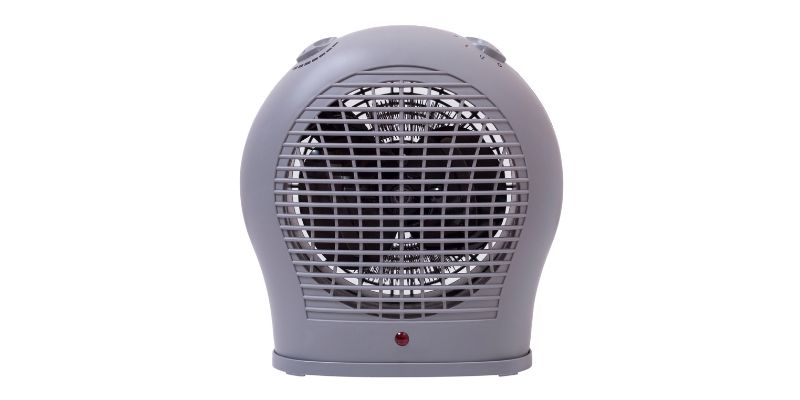
Let’s start with convection heaters, which I’ve used in my living room for years. These heaters work by warming the air in a room. Picture a radiator or a baseboard heater. They heat up a metal element or a fluid inside, and that warmth spreads to the surrounding air. The hot air rises, creating a cycle where cooler air gets pulled in to be heated. It’s like a gentle breeze of warmth that fills the whole room over time.
I love how convection heaters make a space feel evenly warm. You don’t get hot spots or cold corners, which is great for larger rooms like a bedroom or a family room. They’re often quiet, too, unless they have a fan to help move the air faster. I’ve got a fan-assisted convection heater in my basement, and it does a fantastic job of keeping the space cozy during movie nights.
But here’s the catch: convection heaters can take a while to warm up a room. The air needs time to circulate, and if your room is drafty or poorly insulated, that warm air can escape before you really feel the benefit. I learned this the hard way when I tried using one in my old, drafty apartment. The heater was working overtime, and my electric bill showed it!
What Are Infrared Electric Heaters?
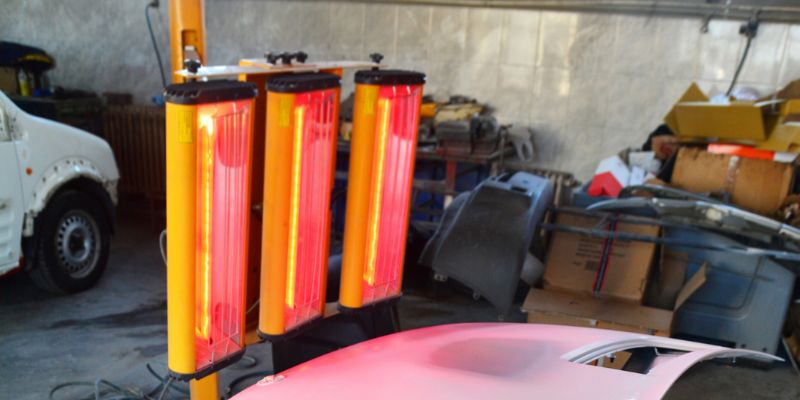
Now, let’s talk about infrared heaters. These are a different beast altogether. I first came across an infrared heater at a friend’s cabin, and I was amazed at how quickly I felt warm. Infrared heaters don’t bother with heating the air. Instead, they emit invisible electromagnetic waves that directly warm objects and people in their path. It’s like standing in sunlight on a cool day—you feel the warmth on your skin almost instantly.
I’ve found infrared heaters to be a game-changer for smaller spaces or specific areas. They’re perfect for spot heating, like when I’m working at my desk or relaxing on the couch. The heat feels direct and cozy, and it doesn’t take long to kick in. Many infrared heaters look sleek, too—some even double as wall art or mirrors, which is a nice touch for a modern home.
The downside? They’re not great at heating large spaces. If you’re moving around a room or have furniture blocking the heater’s line of sight, you might not feel the warmth as much. I tried using one in my open-plan kitchen, and it just couldn’t keep up with the space. You need to be strategic about placement to get the most out of them.
How Do They Compare on Efficiency?
Efficiency is where things get interesting. Both convection and infrared heaters are technically 100% efficient at converting electricity into heat. Every watt of power they use turns into heat energy, which is great. But the way they deliver that heat makes a big difference in how efficient they feel in your home.
Convection heaters spread warmth by heating the air, which can be less efficient in certain situations. If your room has high ceilings or poor insulation, the warm air rises and escapes, leaving you chilly and your heater working harder. I noticed this in my old house with tall ceilings—the heat seemed to vanish to the ceiling before I could enjoy it.
Infrared heaters, on the other hand, shine when it comes to targeted heating. Because they heat objects directly, there’s less energy wasted on warming air that might float away. I’ve found that infrared heaters use less electricity to make me feel warm, especially in smaller, well-insulated spaces. For example, my 600-watt infrared panel keeps my office toasty, while a 1500-watt convection heater was needed for a similar-sized room in the past.
Here’s a quick comparison table to break it down:
| Feature | Convection Heaters | Infrared Heaters |
|---|---|---|
| Heating Method | Warms the air, which circulates | Directly heats objects and people |
| Efficiency | 100% energy conversion, but air loss | 100% energy conversion, targeted heat |
| Warm-Up Time | Slower, takes time to heat air | Instant warmth on objects |
| Best For | Large, enclosed spaces | Small spaces, spot heating |
| Running Costs | Higher in drafty or large rooms | Lower for targeted heating |
| Installation | Often freestanding or wall-mounted | Wall-mounted, ceiling, or portable |
Running Costs: Which Saves More Money?
Let’s talk dollars and cents, because that’s what really matters. I’ve tracked my energy bills closely over the years, and I can tell you that running costs depend a lot on how you use your heater. Convection heaters tend to use more electricity because they need to heat the entire volume of air in a room. In my experience, a 1500-watt convection heater running for an hour costs about 30-40 cents, depending on electricity rates in my area (around 20 cents per kWh).
Infrared heaters, by contrast, often use less power for the same level of comfort. My 600-watt infrared panel, for instance, costs about 12-15 cents per hour to run. Because it heats me directly, I don’t need to run it as long to feel warm. Over a month, that difference adds up, especially if you’re only heating a specific area, like a home office or a cozy nook.
That said, infrared heaters aren’t always the cheaper option. If you’re trying to heat a large, open space, you might need multiple infrared panels to cover the area, which could drive up costs. I made the mistake of relying on a single infrared heater for my living room, and it just wasn’t enough. Convection heaters are better for whole-room heating, so they might save you money in bigger spaces if you’re not constantly losing heat to drafts.
Installation and Maintenance: What’s Easier?
When I first started shopping for heaters, I was worried about installation. I’m not exactly a DIY expert, so I wanted something simple. Convection heaters are usually plug-and-play. You plug them into a standard outlet, and you’re good to go. Some models, like baseboard heaters, might need professional installation if they’re hardwired, but most portable ones are super easy to set up. I’ve moved my convection heater from room to room without any hassle.
Infrared heaters are just as easy, if not easier, to install. Many are designed to be wall-mounted or ceiling-mounted, which saves floor space. I mounted an infrared panel in my bedroom, and it was a straightforward job with a drill and a few screws. Some models are portable, too, so you can move them around like a convection heater. The best part? Infrared heaters have no moving parts, like fans, so they require almost no maintenance. My convection heater’s fan got dusty over time, and I had to clean it regularly to keep it running smoothly.
One thing to watch out for with infrared heaters is placement. They need a clear line of sight to work effectively, so you can’t hide them behind furniture. I learned this when I accidentally blocked my infrared panel with a bookshelf—big mistake! Convection heaters are more forgiving in that sense, since they rely on air circulation.
Comfort and Heat Distribution
Comfort is a big deal when you’re choosing a heater. I want to feel warm and cozy, not like I’m sitting in a drafty barn. Convection heaters are great for creating an even temperature across a room. When I turn on my convection heater in the morning, the whole bedroom feels warm and inviting by the time I’m done with my coffee. It’s like wrapping the room in a warm blanket.
Infrared heaters, though, give you a different kind of warmth. It’s more like sitting by a campfire—intense and immediate in the areas the heater targets. I love using my infrared heater when I’m reading in my armchair. The warmth hits me directly, and it feels so cozy. But if I move to the other side of the room, I might not feel it as much. That’s why infrared heaters are best for spot heating rather than whole-room warmth.
One thing I’ve noticed is that infrared heaters don’t dry out the air as much as convection heaters. My convection heater sometimes makes the room feel stuffy, especially if it’s running for hours. Infrared heaters, since they don’t heat the air, keep things more comfortable for my skin and sinuses, which is a big plus during dry winter months.
Safety Considerations
Safety is always on my mind, especially since I have a curious cat who loves to explore. Both convection and infrared heaters are generally safe, but they have different risks. Convection heaters can get hot to the touch, especially older models. I’ve accidentally brushed against my baseboard heater and gotten a mild burn—not fun! Modern convection heaters often have cool-touch surfaces or auto shut-off features, which make them safer.
Infrared heaters are designed with safety in mind, too. Many have cool-to-the-touch surfaces, which is great for households with kids or pets. My infrared panel stays cool even when it’s blasting heat, so I don’t worry about my cat getting too close. They also don’t produce harmful gases or fumes, unlike gas heaters, which is a relief.
One thing to keep in mind with infrared heaters is that they rely on a direct line of sight. If something flammable gets too close, it could overheat. I always make sure to keep blankets and curtains away from my infrared heater, just to be safe. Both types of heaters benefit from smart features like timers and thermostats, which help prevent overheating and save energy.
Best Uses for Each Heater Type
So, which heater is right for you? It really depends on your space and how you plan to use it. I’ve found that convection heaters are best for larger, enclosed rooms where you want consistent warmth. They’re perfect for bedrooms, living rooms, or offices where you spend a lot of time. If you’ve got good insulation and don’t mind waiting a bit for the room to warm up, a convection heater is a solid choice.
Infrared heaters, on the other hand, are ideal for smaller spaces or spot heating. I use mine in my home office, where I’m sitting at my desk for hours. They’re also great for outdoor spaces like patios or garages, where convection heaters would struggle to keep up. If you want instant warmth in a specific area, infrared is the way to go.
Here’s a quick guide to help you decide:
- Convection Heaters: Best for whole-room heating, larger spaces, well-insulated homes, or long-term use.
- Infrared Heaters: Best for spot heating, small rooms, poorly insulated spaces, or outdoor areas.
Smart Features and Modern Technology
I’m a bit of a tech nerd, so I love heaters with smart features. Both convection and infrared heaters come with options like digital thermostats, timers, and even Wi-Fi controls. My infrared heater has an app that lets me set schedules and control the temperature from my phone, which is super convenient when I’m running late and want the house warm when I get home.
Convection heaters have similar features, especially newer models. My fan-assisted convection heater has a thermostat that’s accurate to half a degree, so I can keep the room at the perfect temperature without wasting energy. Some models even integrate with smart home systems like Alexa or Google Assistant, which makes me feel like I’m living in the future!
These smart features can boost efficiency for both types of heaters. By programming your heater to turn off when you’re not home or to lower the temperature at night, you can save a ton on your energy bills. I’ve cut my heating costs by about 20% just by using a smart thermostat with my convection heater.
Environmental Impact
As someone who cares about the planet, I also consider the environmental impact of my heating choices. Both convection and infrared heaters are electric, so they don’t produce harmful emissions like gas heaters. That’s a big win in my book. However, their efficiency affects how much electricity they use, which ties back to your carbon footprint.
Infrared heaters tend to have a slight edge here because they use less energy for targeted heating. If you’re in a region with high electricity costs or a grid that relies on fossil fuels, this can make a difference. I’ve noticed that my infrared heater’s lower energy consumption helps me feel better about my environmental impact, especially when paired with a renewable energy plan.
Convection heaters can still be eco-friendly, especially if you use them in a well-insulated home and pair them with a smart thermostat. The key is to avoid wasting heat, whether it’s through drafts or running the heater longer than necessary.
My Personal Experience and Recommendations
After years of using both types of heaters, I’ve come to appreciate their unique strengths. My convection heater is my go-to for keeping my entire home warm during the winter. It’s reliable, quiet, and does a great job of maintaining a consistent temperature. But when I’m working in my office or relaxing in a specific spot, my infrared heater is unbeatable. The instant warmth and lower running costs make it a lifesaver for quick heating sessions.
If you’re on a budget, a basic convection heater can be more affordable upfront, with models starting at around $40-$70. Infrared heaters tend to cost a bit more, starting at $60-$140, but their energy savings can make up for it over time. I’d recommend thinking about your space and heating needs before deciding. If you’re heating a single room or a small apartment, go for an infrared heater. For larger homes or spaces where you want even heat, a convection heater is the better bet.
Conclusion
Choosing between a convection and an infrared electric heater comes down to how you want to use your heater and what your space is like. I’ve spent enough winters shivering and sweating over my energy bills to know that efficiency matters. Convection heaters are fantastic for whole-room warmth, especially in larger, well-insulated spaces. They take a bit longer to heat up, but they create a cozy, even temperature that’s hard to beat. Infrared heaters, on the other hand, are perfect for quick, targeted warmth in smaller areas or outdoor spaces. They save energy by heating you directly, which can mean lower bills and a smaller environmental footprint.
No matter which you choose, look for models with smart features like thermostats and timers to maximize efficiency. I’ve learned that a little planning—like closing doors to keep heat in or positioning an infrared heater for optimal coverage—can make a big difference. So, take a look at your home, think about your heating needs, and pick the heater that’ll keep you cozy all winter long. Here’s to staying warm and saving money!
FAQs
Are infrared heaters safe to use around kids and pets?
Yes, infrared heaters are generally safe. Most modern models have cool-to-the-touch surfaces and auto shut-off features to prevent overheating. I always keep flammable items like blankets away from the heater and make sure my cat can’t get too close, just to be extra cautious.
Can convection heaters work well in small spaces?
Absolutely! Convection heaters are great for small, enclosed spaces like bedrooms or offices. They’ll heat the whole room evenly, but they might take a bit longer than an infrared heater to warm up. I use one in my small guest room, and it works like a charm.
Do infrared heaters dry out the air?
No, infrared heaters don’t dry out the air since they don’t heat it directly. I’ve noticed my skin and sinuses feel better with an infrared heater compared to a convection heater, which can make the air feel stuffy after a while.
Which heater is better for outdoor spaces?
Infrared heaters are the way to go for outdoor spaces like patios or garages. They heat people and objects directly, so they’re not affected by drafts or open air. My infrared heater keeps my patio cozy even on chilly evenings.
How can I make my heater more energy-efficient?
Use a smart thermostat or timer to control when your heater runs. Keep doors closed to trap heat, and make sure your home is well-insulated. For infrared heaters, position them where they have a clear line of sight to you. I’ve saved a lot by scheduling my heaters to turn off when I’m not home.