Electric Baseboard Heaters Vs Radiators: Ultimate Heating Showdown
Are you wondering whether electric baseboard heaters or radiators are the right choice for your home? Choosing the best heating option can feel confusing, especially when each promises comfort but works differently.
What if you could easily understand how these two compare, so you can pick the one that saves you money, fits your space, and keeps you cozy all winter? Keep reading, because by the end of this article, you’ll know exactly which heater suits your needs—and why it matters more than you think.
Electric Baseboard Heaters
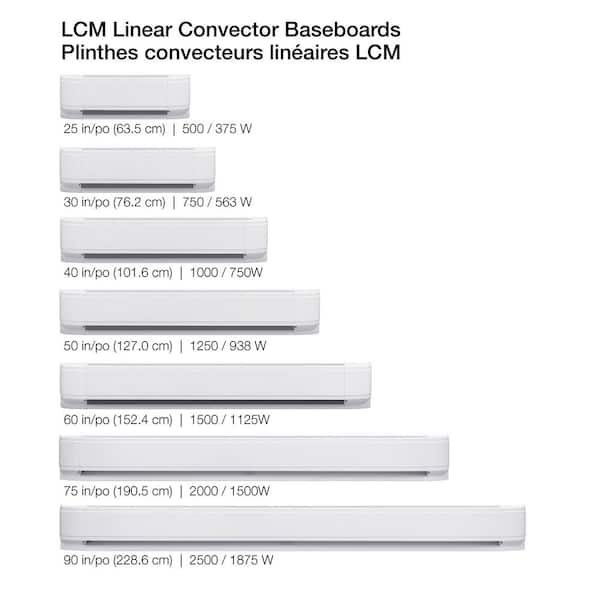
Electric baseboard heaters offer a simple way to warm your home. They fit along the base of walls and provide steady heat. These heaters are popular for their ease of use and quiet operation. They work well in rooms that need extra warmth without big changes to the house.
How They Work
Electric baseboard heaters use electric coils inside the unit. The coils heat up when electricity passes through them. The heat moves through metal fins, which spread warmth into the room. Warm air rises naturally, creating a steady flow of heat. This process heats the room evenly without blowing air or dust.
Installation Process
Installation of baseboard heaters is usually simple. They mount to the wall near the floor. Electric wiring connects the heater to the home’s power supply. No ductwork is needed, which saves time and cost. A licensed electrician should handle the wiring for safety.
Energy Efficiency
Baseboard heaters convert almost all electricity into heat. This makes them nearly 100% efficient at the point of use. Yet, they can raise electricity bills if used too much. Good insulation helps keep heat inside and lowers energy use. They are best for heating small spaces or rooms.
Cost Factors
Initial cost depends on the size and power of the heater. Smaller units cost less but warm smaller areas. Installation costs vary based on wiring needs. Operating costs depend on electricity prices and how long heaters run. They tend to cost more to run than gas heating.
Maintenance Needs
Maintenance for electric baseboard heaters is minimal. Regularly clean dust from the fins to keep airflow smooth. Check for any loose wiring or damage yearly. No filters or fluids need replacement. Proper care helps the heater last longer and work well.
Radiators
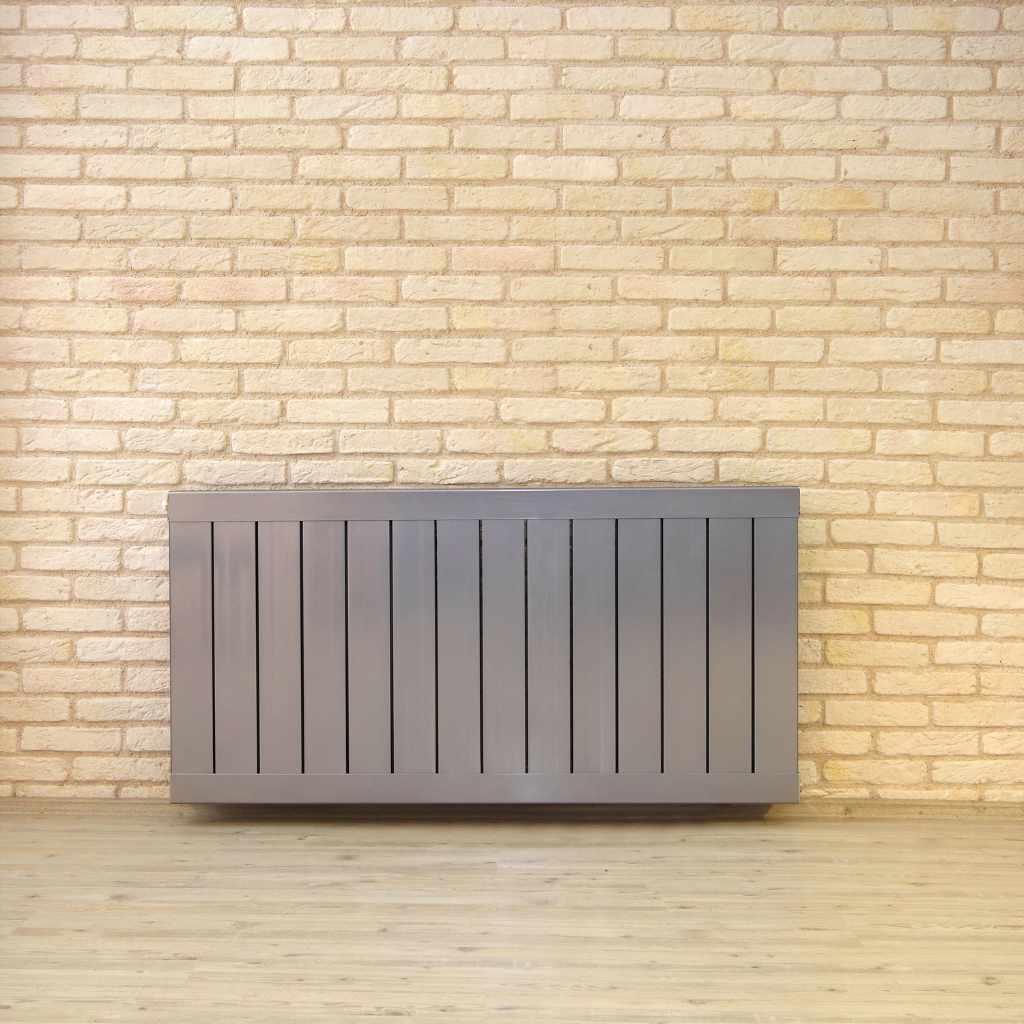
Radiators have been a common heating choice for many homes. They provide steady warmth and work quietly. They use hot water or steam to heat rooms efficiently. Radiators come in different styles and sizes to fit various spaces.
Types Of Radiators
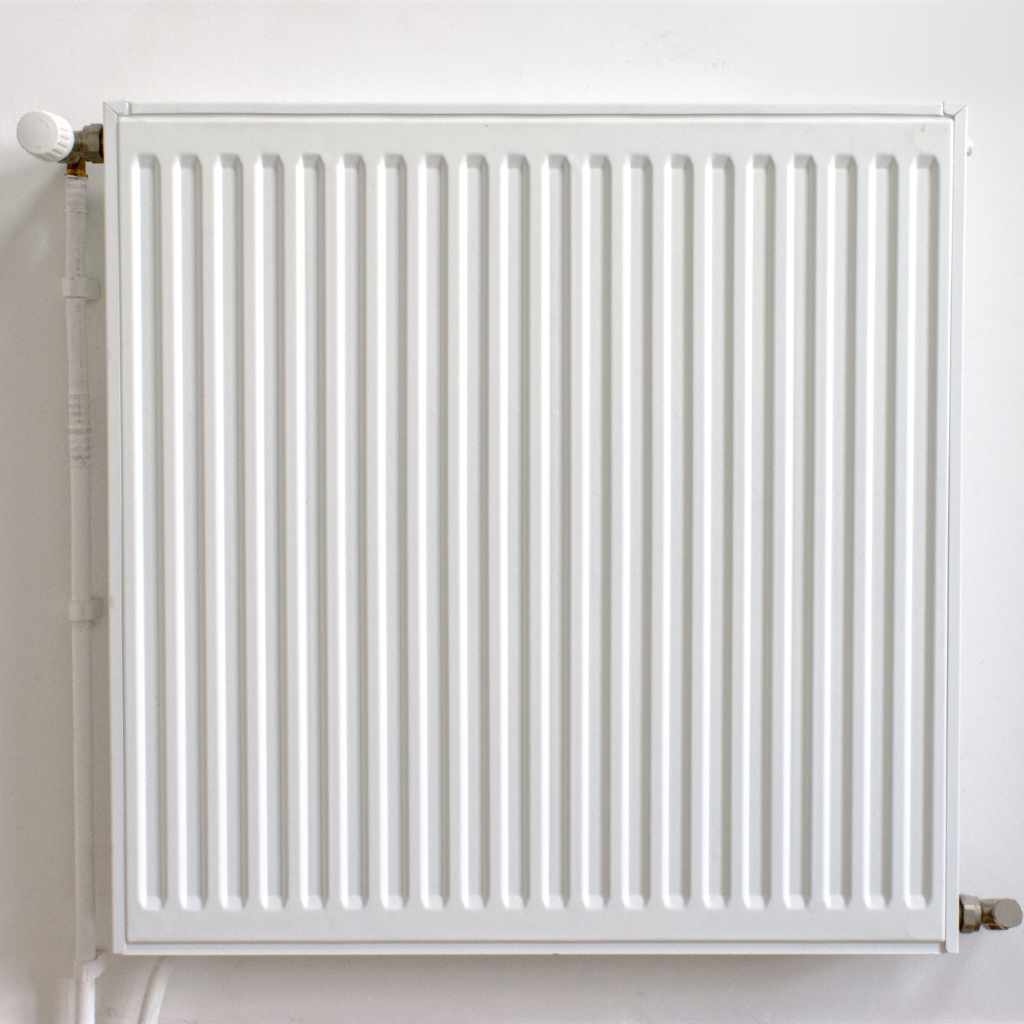
There are several types of radiators. Panel radiators are flat and sleek, good for modern homes. Column radiators have a classic look with vertical tubes. Cast iron radiators hold heat longer and add vintage charm. Each type suits different room styles and needs.
Heating Mechanism
Radiators heat by circulating hot water or steam inside. The heat spreads through the metal surface and warms the air. This method creates a gentle, even heat. It helps avoid cold spots in the room.
Installation Requirements
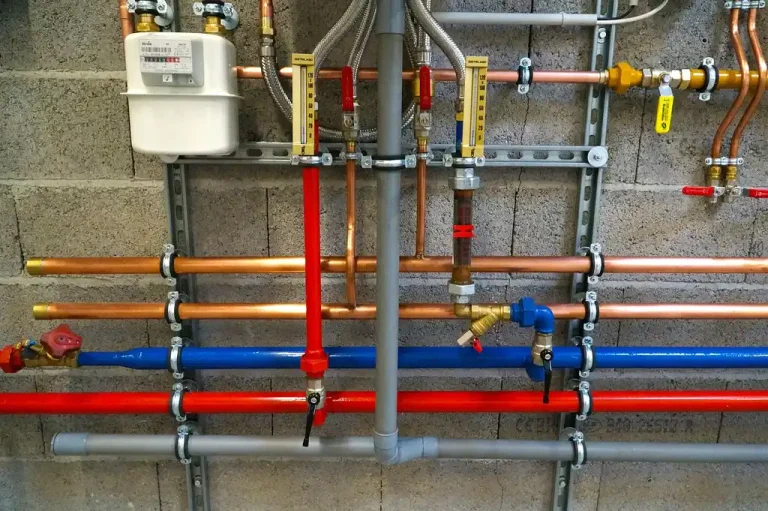
Installing radiators needs a boiler and pipe system. Pipes connect the radiator to the heating system. Proper placement helps heat rooms well. Installation may require professional help to ensure safety and efficiency.
Energy Consumption
Radiators use energy to heat water or steam. Their efficiency depends on the boiler and insulation. Well-maintained systems use less energy. Radiators can be cost-effective for heating larger spaces.
Upkeep And Durability
Radiators need regular bleeding to remove trapped air. Occasional checks prevent leaks and corrosion. Cast iron radiators last for decades with little wear. Proper care keeps radiators working well for years.
Performance Comparison
Comparing the performance of electric baseboard heaters and radiators helps to choose the right heating system. Each has unique features that affect how well they warm a room. Understanding these differences makes it easier to pick the best option for comfort and efficiency.
Heat Distribution
Electric baseboard heaters deliver heat along the wall at floor level. This heat rises slowly and spreads evenly. Radiators use hot water or steam to warm the air around them. This method creates strong heat near the radiator but less further away. Baseboard heaters often give more consistent warmth across the room.
Response Time
Baseboard heaters heat up quickly because they use electric power directly. They start warming a room soon after turning on. Radiators take longer to heat because water must first reach high temperature. This delay means slower room warming. Baseboard heaters offer faster heat response for immediate comfort.
Temperature Control
Electric baseboard heaters usually have built-in thermostats for easy control. This allows precise temperature settings in each room. Radiators rely on central boiler controls, making individual room adjustments harder. Baseboard heaters provide better control over room temperature and energy use.
Noise Levels
Both systems are mostly quiet. Baseboard heaters produce a soft humming sound during operation. Radiators may emit slight knocking or gurgling noises from water movement. These sounds are usually low and not disturbing. Both options offer near-silent heating for a peaceful home.
Cost And Energy Savings
Cost and energy savings are key factors when choosing between electric baseboard heaters and radiators. Understanding these costs helps you make a smart decision. Energy efficiency and price affect your monthly bills and budget.
Initial Investment
Electric baseboard heaters usually cost less to buy and install. They are simple and need no pipes or boilers. Radiators require more money upfront. You must install a boiler system and pipes. This adds to the initial cost and installation time.
Operating Costs
Electric baseboard heaters use electricity directly. This can lead to higher monthly energy bills, especially in large spaces. Radiators use hot water or steam from a boiler, which can be more energy-efficient. Gas or oil boilers often cost less to run than electric heaters.
Long-term Savings
Radiators may save money over time due to efficient heating. They keep rooms warm longer after the system shuts off. Electric baseboard heaters turn off quickly and stop heating. Long-term, radiators can reduce energy waste and lower bills if you use an efficient boiler.
Safety Considerations
Safety is a key factor when choosing between electric baseboard heaters and radiators. Both have risks that need attention. Understanding these risks helps keep your home safe and warm.
Fire Hazards
Electric baseboard heaters can cause fires if objects touch them. Keep furniture and curtains away. Radiators also get hot but cool down faster. Still, avoid placing flammable items near either heater.
Child And Pet Safety
Children and pets can get burns from hot surfaces. Baseboard heaters have exposed heating elements. Radiators have larger surfaces but may be easier to block. Use guards or barriers to protect curious hands and paws.
Overheating Risks
Baseboard heaters can overheat if blocked or faulty. This may trigger safety switches or cause damage. Radiators usually have fewer overheating problems. Regular checks and cleaning help prevent issues with both types.
:max_bytes(150000):strip_icc()/hot-water-vs-steam-radiators-1821916_V3-718158766dc344c0a8a5976fa7002b65.png)
Environmental Impact
Choosing the right heating system affects the environment. Electric baseboard heaters and radiators use energy differently. Their environmental impact depends on energy sources and how they work. Understanding this helps make better choices for a greener home.
Carbon Footprint
Electric baseboard heaters rely on electricity. Their carbon footprint depends on power sources. If the electricity comes from fossil fuels, emissions rise. Radiators often use hot water or steam. This water is heated by gas, oil, or electricity.
Gas or oil heating creates more carbon emissions. Electric radiators powered by clean energy have a smaller footprint. Overall, electric baseboard heaters can have a higher carbon footprint if the electricity is not green. Radiators with efficient boilers might reduce emissions.
Sustainability Factors
Baseboard heaters have no moving parts, lasting longer with little waste. Radiators require boilers, which need regular maintenance and fuel. This can create more waste and resource use.
Electric heaters avoid burning fossil fuels at home. Radiators often depend on natural gas or oil, which are non-renewable. Using renewable energy with electric heaters boosts sustainability. Radiators can be connected to solar or heat pump systems too.
Choosing sustainable heating means considering energy sources and system lifespan. Both systems have pros and cons for the environment. Understanding these helps reduce your home’s impact.
Choosing The Right Heater
Choosing the right heater is key for comfort and energy savings. Both electric baseboard heaters and radiators have their strengths. Understanding your needs helps you pick the best option for your space.
Room Size And Layout
Room size affects heater choice a lot. Baseboard heaters work well in small to medium rooms. They fit along walls and save space. Radiators heat rooms evenly and suit larger spaces. Room layout matters too. Open areas may need stronger heaters. Tight spaces benefit from compact units.
Climate Considerations
Climate impacts heating needs. Cold regions require powerful heaters that warm quickly. Radiators hold heat longer, keeping rooms warm even after turning off. Mild climates can use baseboard heaters effectively. They provide steady, controlled warmth. Think about how cold your area gets in winter.
Personal Preferences
Personal taste influences heater choice. Some prefer quiet, invisible heaters like baseboards. Others like the classic look of radiators. Easy controls and maintenance are important. Consider how often you want to adjust the heat. Safety features may also guide your decision.
Frequently Asked Questions
What Are The Main Differences Between Baseboard Heaters And Radiators?
Electric baseboard heaters use electric resistance to heat air directly, while radiators typically use hot water or steam. Baseboard heaters are slim and installed along walls, whereas radiators are bulkier and positioned near floors or windows. Each has unique installation and maintenance needs.
Which Heating Option Is More Energy-efficient?
Electric baseboard heaters are generally less energy-efficient compared to modern radiators using hot water from energy-efficient boilers. Radiators distribute heat evenly and retain warmth longer, reducing energy use. However, efficiency varies with system type and insulation quality.
Are Baseboard Heaters Safer Than Radiators?
Both baseboard heaters and radiators are safe when installed correctly. Baseboard heaters have lower surface temperatures, reducing burn risks. Radiators can get hot to touch but often have protective covers. Proper use and regular maintenance ensure safety for both.
How Do Installation Costs Compare For Both Systems?
Electric baseboard heaters usually have lower installation costs due to simpler setup and no plumbing. Radiators require plumbing work and boilers, increasing initial expenses. Long-term energy savings from radiators might offset higher upfront costs.
Conclusion
Electric baseboard heaters and radiators both warm your space well. Baseboard heaters heat the air quickly and fit neatly along walls. Radiators take longer but give steady, gentle warmth. Choose based on your room size and how fast you want heat.
Both options save energy if used wisely. Think about your budget and home setup too. Either way, you can stay cozy all winter long. Simple choices make a big difference in comfort and cost.