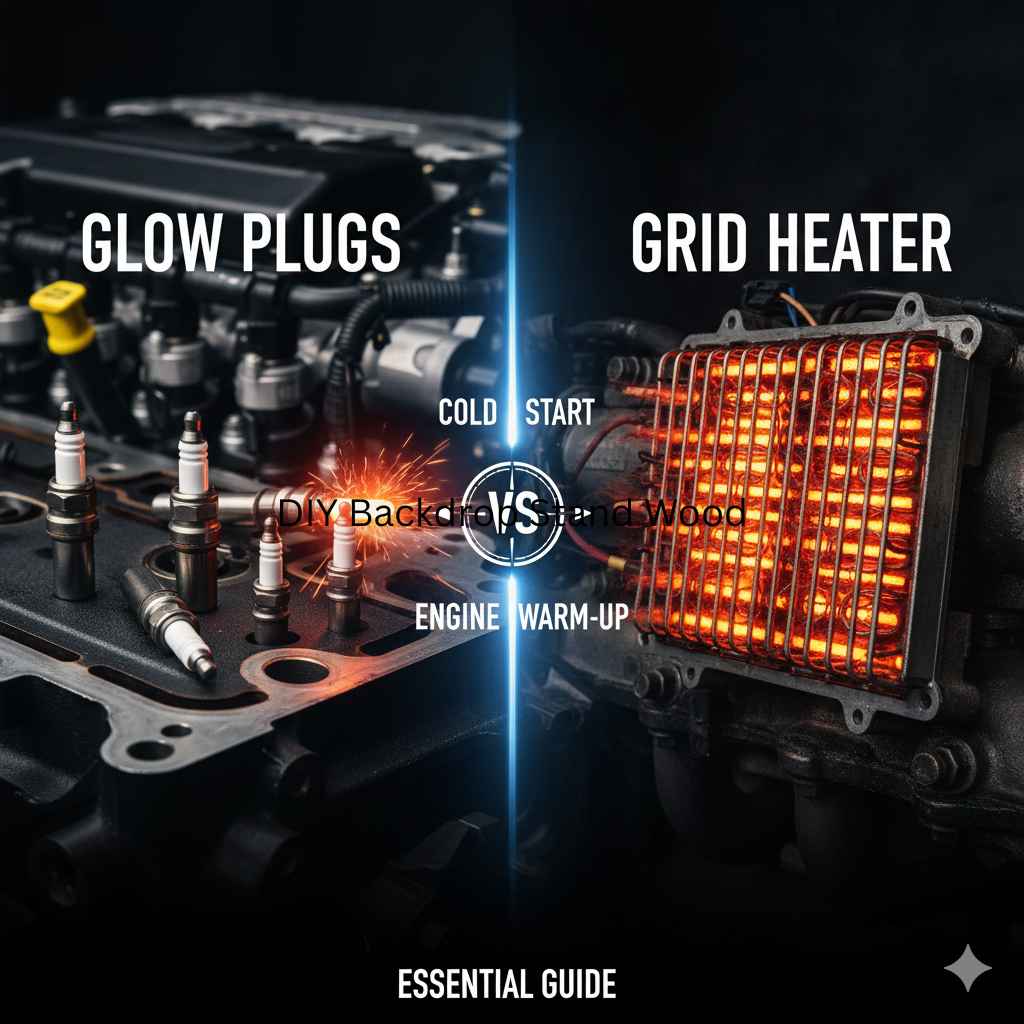
Glow Plugs vs Grid Heater: Essential Guide
This guide helps you understand the difference between glow plugs and grid heaters, crucial for diesel engine starting. While both heat the combustion chamber for easier cold starts, glow plugs heat the air, and grid heaters heat the air directly. We’ll break down how each works, their pros and cons, and which system might be best for your needs, ensuring you can confidently manage your diesel vehicle’s cold weather performance.
Have you ever shivered in your car on a cold morning, waiting for the engine to finally turn over? It’s a common frustration, especially with diesel engines, which can struggle to start when the temperature plummets. You might have heard terms like “glow plugs” and “grid heaters” thrown around, and wondered what they are and how they help. Don’t worry, it’s not as complicated as it sounds! As your friendly home heating guide, I’m here to make things super clear. We’ll explore these important engine parts, understand their roles in getting your diesel engine going smoothly, and help you feel more confident about your vehicle’s startup. By the end, you’ll know exactly what’s happening under the hood on those chilly mornings.
Understanding Diesel Engine Cold Starts
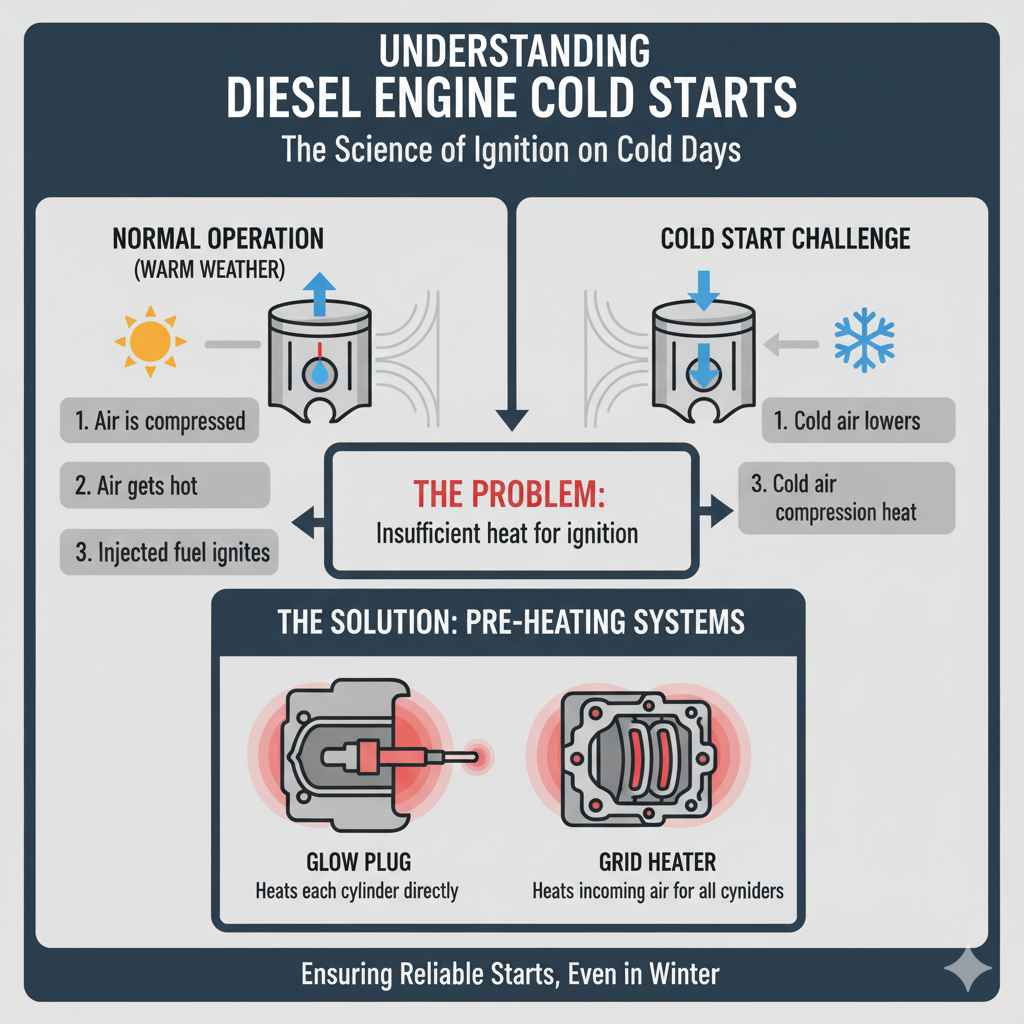
Diesel engines work a bit differently than gasoline engines. Instead of using a spark plug to ignite the fuel, they rely on high compression to heat the air inside the cylinder. This hot, compressed air then ignites the diesel fuel when it’s injected. This process works great in warmer weather, but when it’s really cold outside, the air in the cylinder might not get hot enough on its own to ignite the fuel effectively. This is where the magic of pre-heating systems comes in.
Think of it like trying to start a campfire. If the wood is damp and the air is cold, it’s hard to get a flame going. You might need to add a little extra warmth to help things along. Glow plugs and grid heaters are like that extra warmth for your diesel engine, ensuring that the compressed air gets hot enough to spark ignition, even on the frostiest days.
What Are Glow Plugs?
Glow plugs are small, pencil-like heating elements that sit inside each cylinder of a diesel engine. Their main job is to heat the combustion chamber before and during startup. When you turn the key to the “on” position (before cranking the engine), the glow plugs activate. They get very hot, typically glowing red or even white hot, like the filament in an old light bulb. This intense heat warms up the air inside the cylinder.
Once the air is sufficiently heated, the glow plugs might continue to operate for a short while even after the engine starts. This helps to ensure that the combustion process is smooth and stable, especially in very cold conditions. After the engine is running and warm, they typically shut off. You might see a “wait to start” light on your dashboard; that’s your cue that these little helpers are doing their job!
How Glow Plugs Work: The Process
- Ignition On: When you turn the key to the “on” position, the engine control unit (ECU) sends power to the glow plugs.
- Heating Up: The glow plug tips heat up rapidly, reaching temperatures of over 1000°C (1832°F).
- Pre-Heating: They heat the air and the walls of the combustion chamber.
- Engine Cranking: When you crank the engine, the hot air aids in igniting the injected diesel fuel.
- Post-Heating (Optional): In some systems, they continue to heat for a short period after starting to improve idling and reduce emissions.
Pros and Cons of Glow Plugs
Like any automotive component, glow plugs have their advantages and disadvantages.
Advantages:
- Effective Cold Starting: They are excellent at ensuring your diesel engine starts reliably in cold weather.
- Relatively Simple System: The technology is well-established and understood.
- Precise Control: Modern systems offer sophisticated control for optimal pre-heating and post-heating.
- Available in Many Engines: They are found in a wide variety of diesel engines, from passenger cars to larger trucks.
Disadvantages:
- Can Fail Individually: If one glow plug fails, it can make starting harder, and diagnosing which one requires testing.
- Wear and Tear: They are a consumable part and can eventually burn out.
- Requires Electrical Power: They draw significant current from the battery when active.
- Limited Heating Area: They primarily heat the immediate area around the glow plug tip.
What is a Grid Heater?
A grid heater is another type of pre-heating system found in some diesel engines, most commonly in larger truck engines, like those from Cummins. Instead of having individual heating elements in each cylinder, a grid heater is a single, powerful element that is typically located in the intake manifold or air intake system. Its primary function is to heat the air before it enters the cylinders.
When you turn the key to the “on” position, the grid heater activates and heats up the incoming air. This superheated air is then drawn into the cylinders, making it much easier for the engine to compress and ignite the diesel fuel. Grid heaters are known for their ability to produce a significant amount of heat very quickly.
How a Grid Heater Works: The Process
- Ignition On: When the key is turned, power is supplied to the grid heater element.
- Intense Heating: The grid heater, a robust resistive coil, heats up extremely quickly, becoming red hot.
- Air Intake Heating: Air passing through the intake manifold is drawn over this hot grid.
- Engine Ingestion: The heated air is then pulled into the engine’s combustion chambers.
- Fuel Ignition: The hotter air improves compression temperatures, allowing fuel to ignite easily.
Pros and Cons of Grid Heaters
Grid heaters also come with their own set of benefits and drawbacks.
Advantages:
- Powerful & Fast Heating: They can heat large volumes of air very quickly for faster startups.
- Single Unit Replacement: If the grid heater fails, it’s usually a single component to replace.
- Heats Incoming Air: It warms the air directly before it enters the cylinders, which can be very efficient.
- Durable Construction: Often built to withstand higher temperatures and energy demands.
Disadvantages:
- High Electrical Draw: They consume a very large amount of electrical current when operating, potentially draining the battery if misused or if the battery isn’t in top condition.
- Limited to Specific Engines: Less common in smaller passenger car diesel engines compared to glow plugs.
- Can Melt or Burn Out: Though durable, they can still fail under extreme conditions or with prolonged use.
- Potential for “Stalling”: If the grid heater stays on for too long after the engine has started in warmer weather, it can overheat the intake air and cause the engine to run poorly or stall.
Glow Plugs vs. Grid Heater: Key Differences
While both systems aim to help diesel engines start in the cold, they achieve this in fundamentally different ways. Understanding these differences is key to appreciating their design and function.
| Feature | Glow Plugs | Grid Heater |
|---|---|---|
| Location | Inside each cylinder/combustion chamber. | In the intake manifold or air intake system. |
| Heating Method | Directly heats the combustion chamber air and surfaces. | Heats the incoming air before it enters the cylinders. |
| Number of Elements | Multiple (one per cylinder). | Single, powerful element. |
| Primary Application | Most diesel passenger cars, light trucks, and some larger engines. | Primarily larger diesel engines, especially in heavy-duty trucks (e.g., Cummins). |
| Heating Speed/Power | Slower to heat individual chambers, moderate power draw per plug. | Very fast and powerful heating of intake air, high overall power draw. |
| Complexity | Each plug needs individual control. | Simpler single-unit control but high electrical demand. |
The choice between glow plugs and a grid heater often comes down to the engine’s design, size, and intended application. Larger, more powerful diesel engines that need to start quickly under heavy loads might benefit from the rapid, high-volume heating of a grid heater. Smaller engines, especially those in passenger vehicles where space is a consideration and smoother, less intense heating is desired, are typically equipped with glow plugs.
When Do You Need Them & How to Tell They’re Working (or Not!)
These heating systems are your best friends when the temperature drops below freezing. If you live in a region with cold winters, your diesel vehicle will rely on one of these to start easily. If you notice your diesel taking longer to crank than usual, sputtering, or failing to start on cold mornings, it could be a sign that your glow plugs or grid heater system isn’t functioning correctly.
Signs of a Failing Glow Plug System:
- Extended cranking time on cold starts.
- Rough idling or stalling when the engine is cold.
- White smoke from the exhaust on startup (unburned fuel due to poor combustion).
- Illuminated “wait to start” light that stays on for an unusually long time or doesn’t come on at all.
Signs of a Failing Grid Heater System:
- Similar symptoms to glow plugs: long cranking, rough idle, white smoke.
- A distinct clicking sound from the intake area when the key is turned to “on,” followed by no noticeable engine warming benefit.
- Overheating issues or stalling in very cold weather if the system isn’t working correctly.
If you suspect an issue, a mechanic can test the glow plugs or grid heater and their associated relay and control modules. For a deeper dive into engine diagnostics, resources like NHTSA (National Highway Traffic Safety Administration) offer valuable safety information related to vehicle components.
Maintenance and Care for Your Diesel’s Starting System
Proper maintenance can help ensure your glow plugs or grid heater system lasts as long as possible.
For Glow Plug Systems:
- Battery Health: A strong, well-maintained battery is crucial. Glow plugs draw a lot of power, and a weak battery can struggle to provide enough. Ensure your battery is tested regularly, especially before winter. For battery testing and tips, the Battery University is an excellent resource.
- Avoid “Stuck” Engagements: Don’t turn the key to “on” and immediately crank the engine if the “wait to start” light is still on or hasn’t illuminated fully. Give the glow plugs time to do their job.
- Regular Inspections: While glow plugs aren’t typically “serviced,” your mechanic can check their resistance and function during routine maintenance.
For Grid Heater Systems:
- Understand Operation: Be aware of how your specific system works. Some have a timed operation, while others are thermostat-controlled. Avoid prolonged “on” cycles if not necessary.
- Electrical System Check: Similar to glow plugs, a healthy battery and charging system are vital to handle the high power draw of a grid heater.
- Air Intake Integrity: Ensure there are no leaks in your air intake system, as this can affect how the heated air is delivered to the engine.
Regularly checking your vehicle’s owner’s manual is also a great way to understand specific maintenance recommendations for your model. Manufacturers often provide detailed insights into how to best care for the pre-heating system.
When to Call a Professional
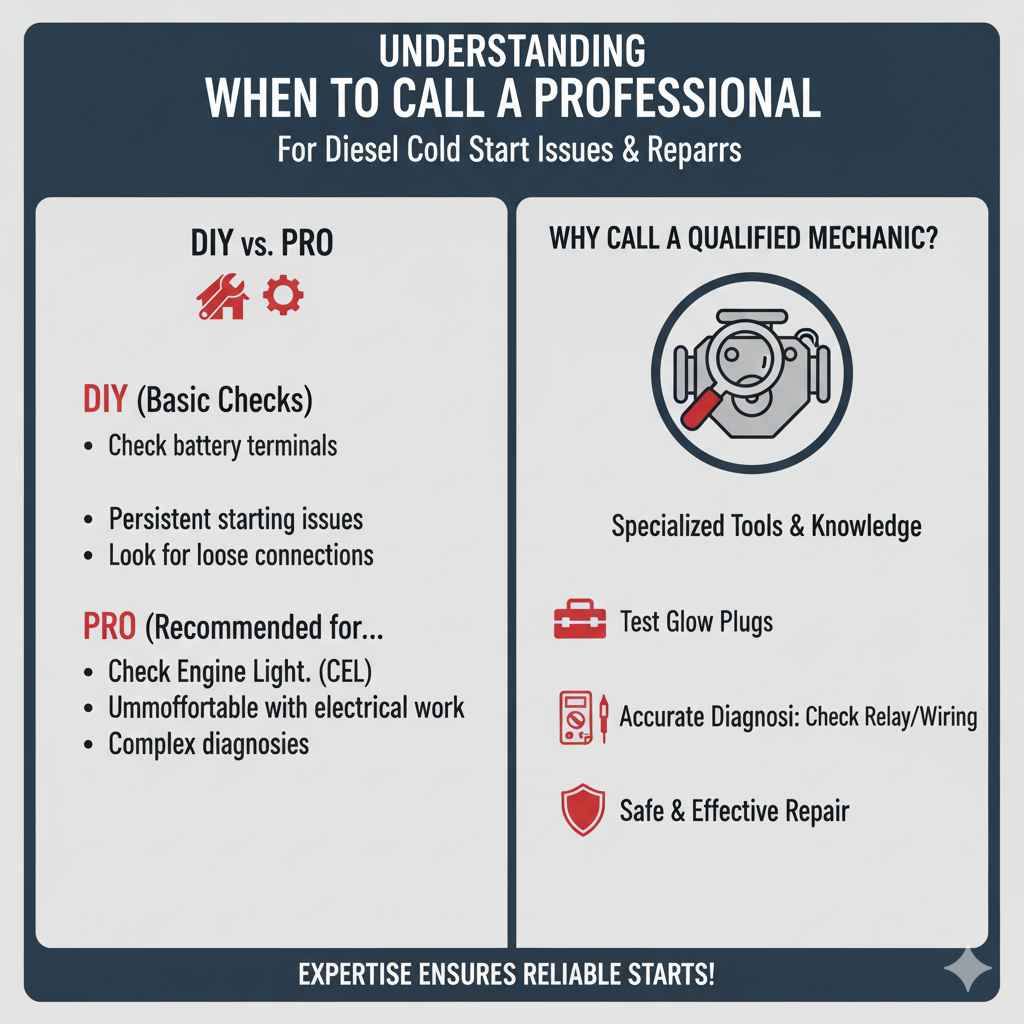
While some basic checks can be done at home, diagnosing and replacing glow plugs or grid heaters often requires specialized tools and knowledge. If you’re experiencing persistent starting issues or are uncomfortable working on your vehicle’s electrical system, it’s always best to consult a qualified diesel mechanic. They have the expertise to accurately pinpoint the problem and perform the repair safely and effectively.
For instance, testing glow plugs requires measuring their electrical resistance. A faulty plug will have incorrect resistance. Grid heaters might have an associated relay that can also fail. A professional technician can troubleshoot these components, ensuring your engine gets the reliable starts it needs.
Frequently Asked Questions (FAQ)
Q1: Do all diesel engines have glow plugs or grid heaters?
A: Almost all modern diesel engines are equipped with either glow plugs or a grid heater system to aid in cold starts. Older diesel engines might not have them, or they may have had less sophisticated versions. It’s a standard feature for reliable operation in varying temperatures.
Q2: How long should the “wait to start” light stay on?
A: This varies greatly depending on the engine, the outside temperature, and the specific system. In very cold weather, it might stay on for tens of seconds. In milder conditions, it could be just a few seconds. Your owner’s manual is the best source for this information.
Q3: Can I start my diesel in the cold if a glow plug or two fails?
A: You might still be able to start it, especially if it’s only mildly cold or if other glow plugs are working well. However, it will likely take much longer to crank, the engine may run poorly, and you might see excessive white smoke. If multiple fail, starting can become impossible.
Q4: Is a grid heater better than glow plugs?
A: Neither is definitively “better” – they are designed for different applications. Grid heaters provide very rapid, intense heating of a large volume of air for heavy-duty engines. Glow plugs offer more targeted heating for individual cylinders and are common in smaller diesel engines. The “best” system is the one designed for your specific engine.
Q5: Can I use ether (starting fluid) with a diesel that has glow plugs or a grid heater?
A: It’s generally NOT recommended to use ether with modern diesel engines that have sophisticated glow plug or grid heater systems. Ether can be very flammable and can cause severe damage if used incorrectly, especially with these pre-heating systems active. It’s best to let the designed system do its job.
Q6: How much do glow plugs or a grid heater cost to replace?
A: The cost can vary widely. Glow plugs themselves can range from $15 to $50 each, and you’ll need multiple. The labor to replace them can also add up. A grid heater unit might cost a few hundred dollars, and replacement labor is usually for a few hours. Always get a quote from your mechanic.
Q7: Will my diesel engine start if the glow plugs are not working and it’s freezing outside?
A: It’s highly unlikely. Diesel engines rely on the heat generated by compression to ignite fuel. In freezing temperatures, the air compressed in the cylinder will be too cool to ignite the diesel fuel without the assistance of glow plugs or a grid heater. You’ll likely face prolonged cranking without the engine firing up.
Conclusion
Navigating the world of diesel engine starting systems might seem a bit technical at first, but as we’ve seen, both glow plugs and grid heaters play a vital role in ensuring your vehicle starts reliably on those chilly days. Glow plugs heat up individual combustion chambers, much like a tiny stove element in each cylinder. Grid heaters, on the other hand, act like a powerful blow dryer for the air entering your engine, heating it all at once in the intake.
Understanding these differences helps you appreciate the engineering behind your diesel engine and recognize potential issues. If cold starts become a challenge, remember to consider the health of your battery first, as both systems demand significant electrical power. If problems persist, don’t hesitate to seek the expertise of a qualified mechanic. With a little knowledge and proper care, you can keep your diesel vehicle running smoothly and dependably, no matter how cold it gets outside. Stay warm and happy motoring!