Webasto Air Heaters Work by Burning Fuel
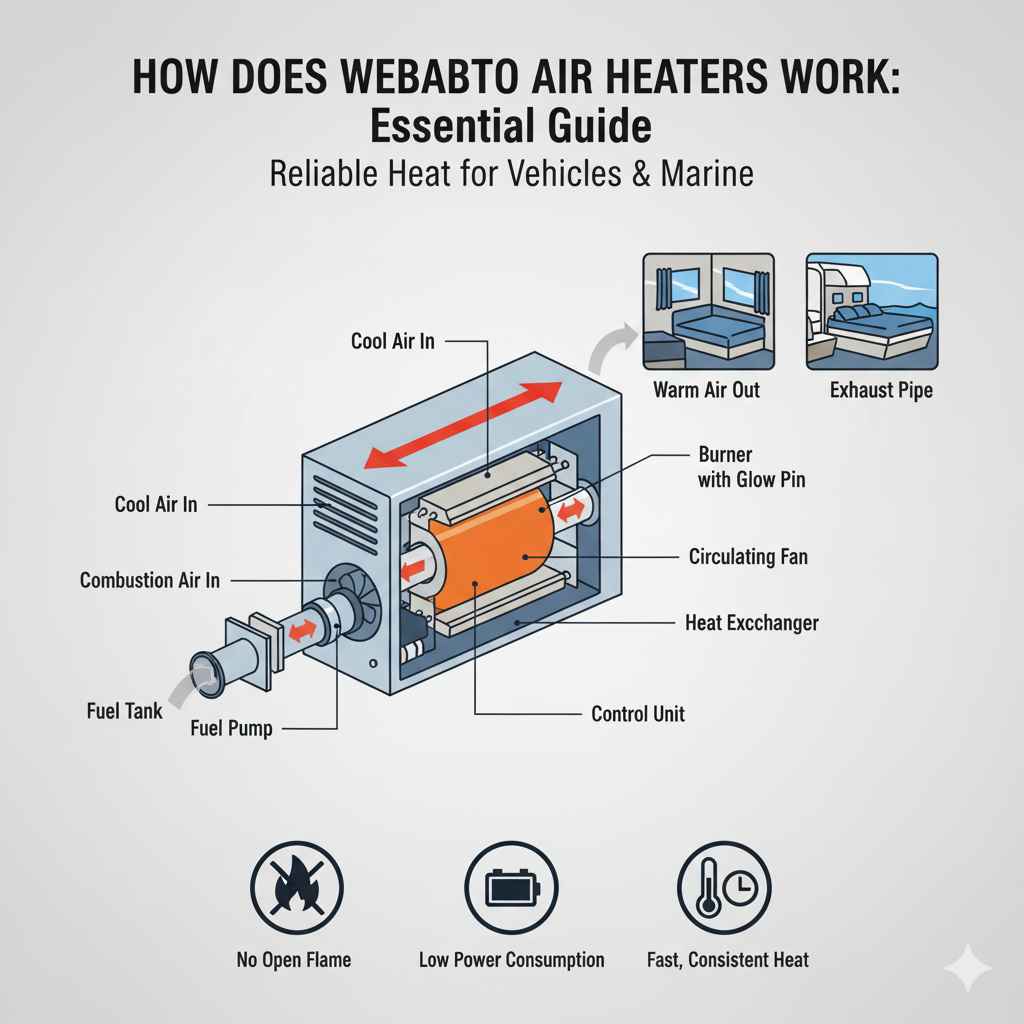
Webasto air heaters work by safely burning fuel to heat air, which is then circulated into your vehicle or space. This process uses a combustion chamber, a fan, and a heat exchanger to provide efficient, independent heating, perfect for keeping you warm without running your engine.
Feeling chilly in your RV, van, or truck? You might have heard about Webasto air heaters, and perhaps you’re wondering how these clever devices actually keep you toasty. It’s natural to feel a bit curious about new heating technology, especially when you want to make your travels or living space more comfortable. Don’t worry, it’s simpler than you might think! This guide will break down exactly how a Webasto air heater works, making it easy to understand. We’ll cover everything from the basic science to why they are such a popular choice for reliable warmth. Get ready to discover the secrets behind your Webasto!
Understanding Webasto Air Heaters: Your Cozy Companion
Imagine a small, efficient powerhouse that generates warmth from fuel, completely independent of your vehicle’s engine. That’s the magic of a Webasto air heater! These heaters are designed to provide comfortable temperatures in various settings, from the cabin of a big rig to a camper van or even a boat. They are especially fantastic for keeping you warm during chilly nights or while parked, saving fuel and reducing wear on your primary engine. Let’s dive into the heart of how they achieve this incredible feat.
The Core Components: What Makes It Tick?
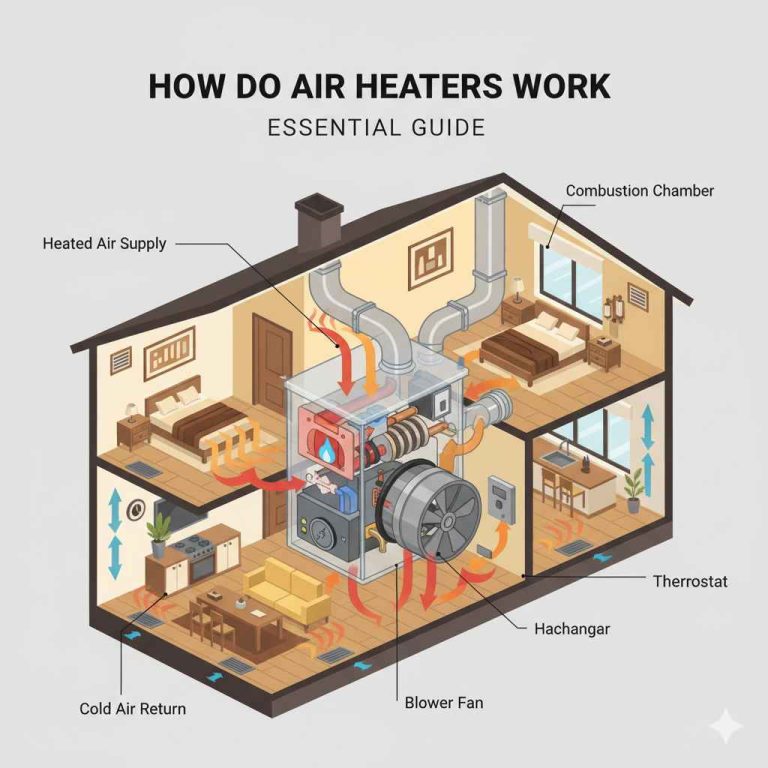
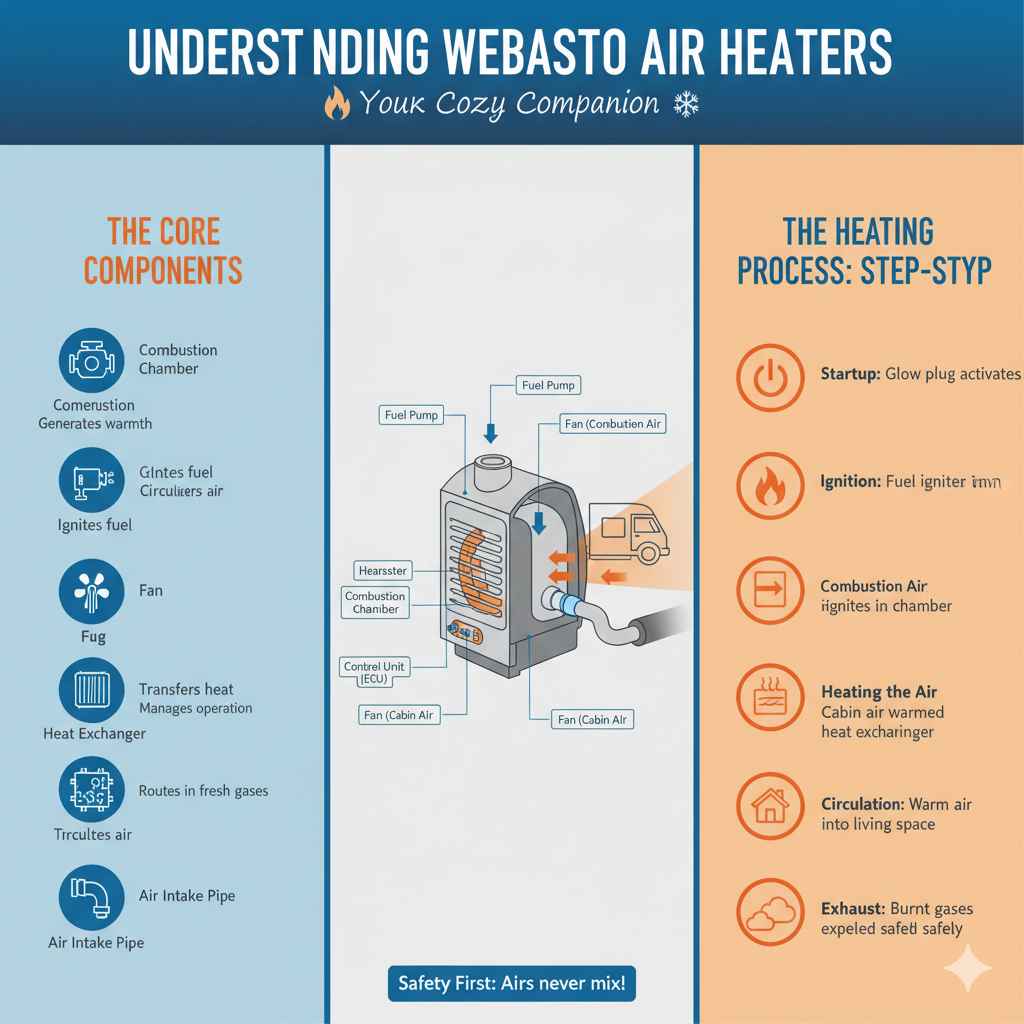
To understand how a Webasto air heater works, it’s helpful to know its main parts. Think of them as a team, each with a very important job:
- The Combustion Chamber: This is where the magic of heat generation happens. Fuel is precisely injected and ignited here.
- The Fuel Pump: This tiny but mighty pump delivers the fuel from your vehicle’s tank (or a separate tank) to the combustion chamber at the right rate.
- The Glow Plug: This acts like a spark igniter, heating up to start the combustion process when the heater first turns on.
- The Fan: A crucial component! One fan draws fresh air into the heater for combustion, while another fan blows the air that needs heating through the heat exchanger.
- The Heat Exchanger: This is a chamber where the hot air from combustion is passed through. Cooler air from the cabin is then blown over the outside of this hot chamber, picking up the heat. Importantly, the combustion gases and the air being heated never mix.
- The Control Unit (ECU): The “brain” of the operation! It manages the fuel flow, fan speeds, and glow plug, ensuring safe and efficient operation.
- Exhaust Pipe: Safely routes the burnt gases away from the vehicle’s interior.
- Air Intake Pipe: Brings in fresh air from outside for the combustion process.
The Heating Process: Step-by-Step
Now, let’s trace the journey of how a Webasto air heater creates that comforting warmth:
- Startup: When you turn the heater on (usually via a control panel or remote), the control unit activates the glow plug.
- Ignition: The glow plug heats up, and a small amount of fuel is pumped into the combustion chamber and ignites.
- Combustion Air: A fan starts drawing fresh air from outside through the air intake pipe. This air enters the combustion chamber and feeds the flame, ensuring a clean burn.
- Heating the Air: As the fuel burns, it heats up the combustion chamber and a dedicated heat exchanger. A separate fan then pulls in the air from the living space (or cabin) and blows it over the hot exterior of the heat exchanger.
- Circulation: This warmed air is then blown back into your living space, creating that cozy atmosphere.
- Exhaust: The byproducts of combustion (exhaust gases) are safely expelled outside through the exhaust pipe.
- Regulation: The control unit continuously monitors the temperature and adjusts the fuel flow and fan speed to maintain your desired warmth.
- Shutdown: When you turn it off, the fuel supply stops, the fan continues to run for a short period to cool down the unit, and the glow plug deactivates.
This entire process is designed to be incredibly safe. The air you breathe and feel warmed is never in direct contact with the fuel or the combustion gases. They are kept entirely separate by the heat exchanger.
Why Choose a Webasto Air Heater? The Benefits Unpacked
Webasto air heaters aren’t just about staying warm; they offer a host of practical advantages that make them a popular choice for many:
- Fuel Efficiency: They use surprisingly little fuel, especially compared to running a vehicle’s engine for heat. This means fewer stops for refueling and a lighter footprint. For a deeper dive into fuel consumption, you can consult resources like Webasto’s official product pages.
- Independent Operation: They don’t need your engine to be running. This is a huge advantage for sleeping in your vehicle, camping, or keeping a workshop warm without idling.
- Quick Heating: They heat up the air quickly, so you don’t have to wait long to feel the warmth.
- Quiet Operation: Modern Webasto heaters are designed to be very quiet, so they won’t disturb your rest or conversations.
- Safety First: Built with multiple safety features, including overheat protection and safe exhaust, they are designed for peace of mind.
- Versatility: Suitable for a wide range of applications – RVs, vans, trucks, boats, and even off-grid cabins.
- Comfort Control: You can set and maintain a precise temperature, ensuring constant comfort.
Comparing Webasto Air Heater Models: Finding Your Fit
Webasto offers a few different air heater models, each suited for specific needs. While the core working principle remains the same, power output and features can vary.
| Model Series | Typical Heat Output (kW) | Best For | Fuel Type |
|---|---|---|---|
| Air Top 2000 STC | 1.1 – 2.0 kW | Smaller campervans, short-term parking, moderate climates | Diesel |
| Thermo Top C / Evo | 2.0 – 5.0 kW | Larger RVs, motorhomes, extended stays, colder climates | Diesel / Petrol (depending on specific model) |
| Air Top EVO 40 / 55 | 2.0 – 4.0 kW / 5.5 kW | Medium to large van conversions, motorhomes, year-round use | Diesel |
When choosing, consider the size of the space you need to heat, how well insulated it is, and the typical temperatures you’ll be facing. Consulting with an authorized dealer can help you pinpoint the perfect model. You can find authorized dealers and more detailed specifications on the Webasto official website.
Installation Considerations: Getting It Right
While this guide focuses on how Webasto air heaters work, a proper installation is crucial for safety and performance. It’s often recommended to have these units installed by a certified professional. Key installation points include:
- Location: The heater must be mounted securely, away from flammable materials, and in a well-ventilated area.
- Fuel Supply: A dedicated tap from your vehicle’s fuel tank or a standalone fuel tank is required.
- Air Intake & Exhaust: These must be routed correctly to the outside of the vehicle. Proper sealing is vital to prevent exhaust gases from entering the cabin. The exhaust pipe should always point downwards or have a water trap to prevent rain from entering.
- Electrical Connections: The heater needs a reliable power source from your vehicle’s battery, with appropriate fusing and wiring gauge.
- Control Panel: This needs to be accessible within the living space.
Incorrect installation can lead to safety hazards, so if you’re not experienced, it’s always best to seek expert help. For detailed installation manuals, visit the Webasto Service Manuals section. Understanding your local regulations regarding fuel systems and exhaust is also important.
Operating Your Webasto Heater Safely and Efficiently
Once installed, operating your Webasto air heater is generally straightforward, but a few best practices will ensure longevity and safety:
Daily Checks and Usage Tips
- Ventilation: Always ensure the air intake and exhaust are clear of obstructions (snow, mud, leaves) before and during operation.
- Burner Run: Periodically run the heater on high for at least 30 minutes to help burn off any carbon deposits in the combustion chamber. This is often called a “burner run” or “maintenance run.”
- Fresh Air: While the heater circulates air within the cabin, it’s still good practice to ensure some fresh air exchange in your living space, especially overnight.
- Drip Tray: For installations with a fuel standpipe, ensure the fuel tank has a small amount of fuel to prevent air from entering the fuel line when the tank is very low.
- Listen and Look: Pay attention to any unusual noises or smells. If something seems off, turn the heater off and investigate or seek professional help.
Understanding the Control Panel
Most Webasto heaters come with a digital control panel. While designs vary slightly, they typically allow you to:
- Turn the heater on and off.
- Set your desired temperature.
- Adjust fan speed (on some models).
- Monitor error codes if they occur.
Familiarize yourself with your specific control panel. Many user manuals offer detailed explanations of each function and error code.
Troubleshooting Common Issues
Even the best equipment can sometimes have hiccups. Here are a few common issues and what might be causing them:
| Problem | Possible Cause | Solution |
|---|---|---|
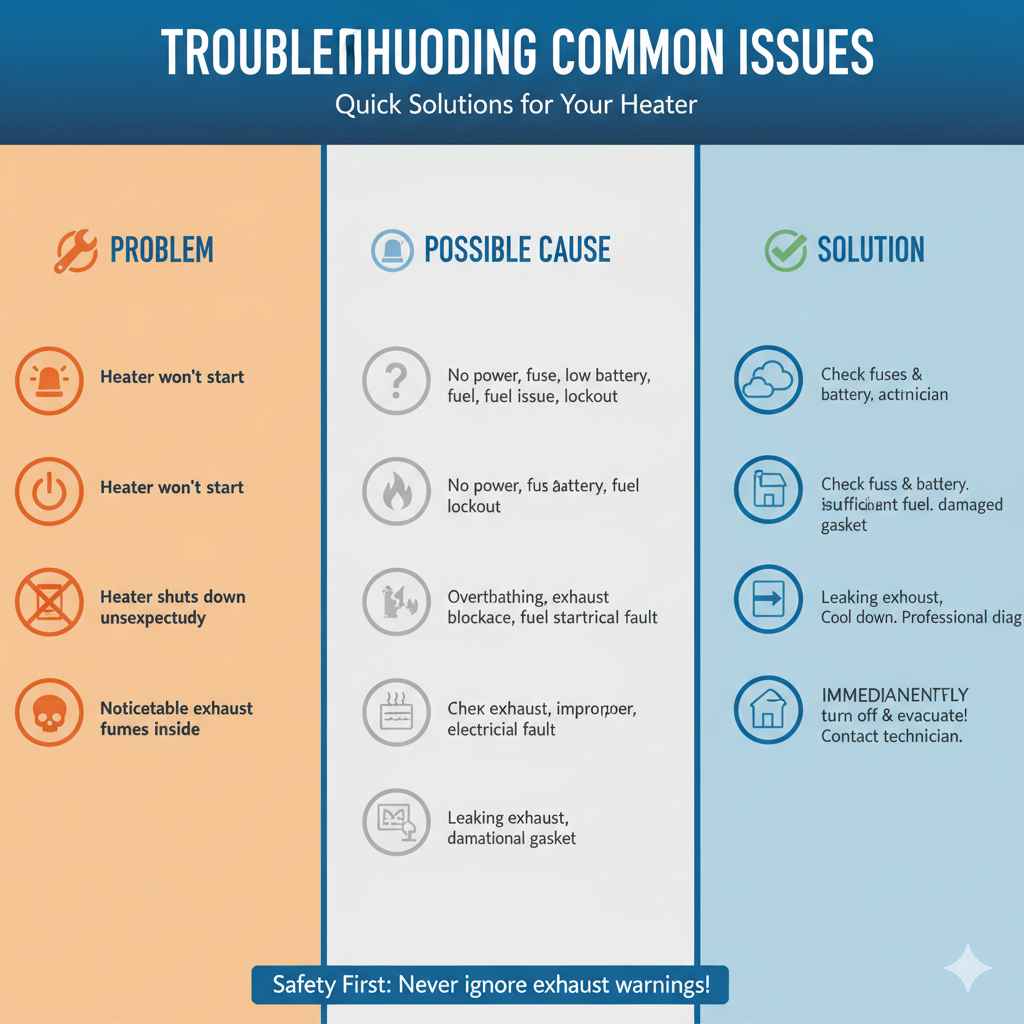
| Heater won’t start | No power, blown fuse, low battery voltage, fuel supply issue, or locked out by control unit. | Check fuses and battery connections. Ensure sufficient fuel. Consult the manual for lockout procedures. Call a professional if persistent. |
| Heater shuts down unexpectedly | Overheating, exhaust blockage, fuel starvation, or electrical fault. | Check exhaust for obstructions. Ensure adequate fuel. Let the unit cool down. If it repeats, seek professional diagnosis. |
| Noticeable exhaust fumes inside | Leaking exhaust system, improper installation, or damaged gasket. | Immediately turn off and evacuate. This is a serious safety issue. Contact a qualified technician. |
| Weak heat output | Dirty air filter, restricted fan, or burner clogged with soot. | Clean or replace air filters. Ensure fan is clear. Consider a burner run or professional cleaning. |
For many issues, the control panel will display an error code. The Webasto service manual for your specific model will provide a detailed list of these codes and what they mean. It’s always better to be safe than sorry with heating systems, so if you’re unsure, a quick call to a Webasto technician can save time and potential headaches.
Frequently Asked Questions About Webasto Air Heaters
Q1: Is a Webasto air heater safe to use while sleeping?
Yes, Webasto air heaters are designed with multiple safety features and are safe for use while sleeping, provided they are correctly installed and maintained, with proper ventilation. The combustion and cabin air are kept separate.
Q2: How much fuel does a Webasto air heater use?
Fuel consumption is very low. On its lowest setting, it might use as little as 0.1 to 0.2 liters per hour. On a higher setting, it could be around 0.2 to 0.5 liters per hour, depending on the model’s power output. This is significantly less than running a vehicle’s engine for heat.
Q3: Can I install a Webasto air heater myself?
While it’s possible for those with significant automotive or DIY electrical and fuel system experience, incorrect installation can be dangerous. It is highly recommended to have your Webasto air heater installed by a certified professional for safety and warranty purposes.
Q4: What kind of fuel do Webasto air heaters use?
Most commonly, Webasto air heaters purchased in North America run on diesel fuel. Some models, particularly for European markets or specific recreational applications, might be available for petrol (gasoline).
Q5: How often should I service my Webasto air heater?
It’s generally recommended to have your Webasto air heater serviced by a qualified technician every 2-3 years or after approximately 500-1000 hours of use. Regular use with longer burn cycles (as mentioned in the usage tips) can also help maintain it.
Q6: Can a Webasto air heater heat a whole house?
Webasto air heaters are designed for vehicles, RVs, boats, and small cabins. They are not typically powerful enough to heat an entire standard-sized home. Larger, dedicated home heating systems would be required for that purpose.
Conclusion: Your Path to Cozy Comfort
You’ve now got a clear picture of how Webasto air heaters work their magic! By understanding the roles of the combustion chamber, fans, and that essential heat exchanger, you can appreciate the clever engineering that goes into providing reliable, independent warmth. These heaters are fantastic for extending your adventures, ensuring comfort during long hauls, or simply making your mobile living space a cozy haven. Remember, proper installation and regular maintenance are key to enjoying your Webasto heater safely and efficiently for years to come. So go ahead, embrace the warmth, and enjoy the comfort that Webasto brings to your travels!