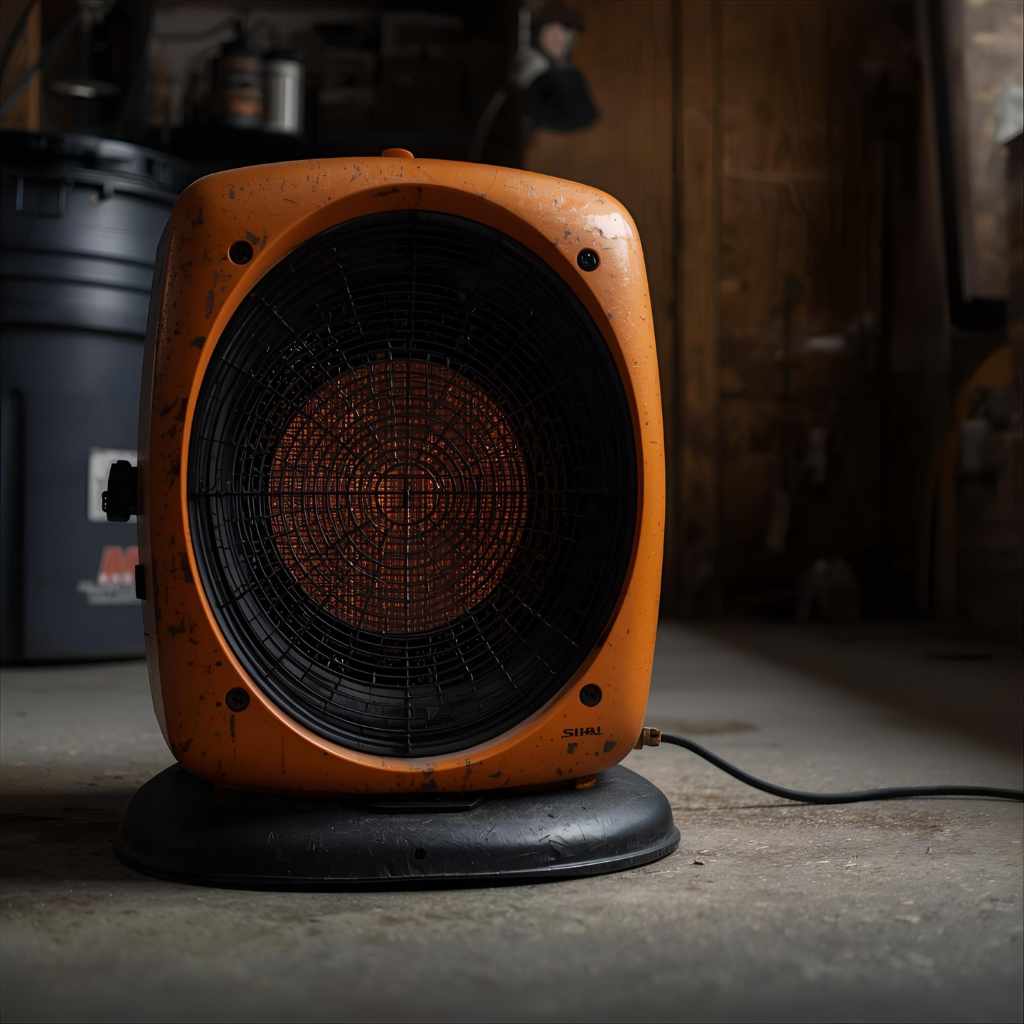
How Safe are Kerosine Forced Air Heaters: Essential Safety Tips
Are you thinking about using a kerosene forced air heater to warm your space? Before you switch it on, it’s important to know how safe these heaters really are.
You want to keep your home warm without risking your health or safety. You’ll discover the key facts about kerosene forced air heaters—how they work, the potential dangers, and simple steps you can take to stay safe. Keep reading to make sure your heater is a help, not a hazard.
Kerosene Heater Basics
Kerosene forced air heaters provide warmth by burning kerosene fuel. These heaters push warm air out with a fan. They heat spaces quickly and work well in places without electricity. Understanding how they work helps you use them safely.
They are popular for emergency heating and outdoor jobs. Knowing their basic parts and function is important for safety and efficiency.
How Forced Air Heaters Work
These heaters burn kerosene in a combustion chamber. The heat created warms the air around it. A fan blows this warm air into the room or area. This process heats large spaces faster than traditional heaters. The heater uses fuel from a tank, and the flame is controlled by a wick or nozzle.
Common Uses
Kerosene forced air heaters are used in workshops, garages, and construction sites. They provide heat where electric heaters cannot reach. People use them during power outages or camping trips. Their portability and strong heat make them useful for many situations. Proper ventilation is needed to avoid harmful fumes.
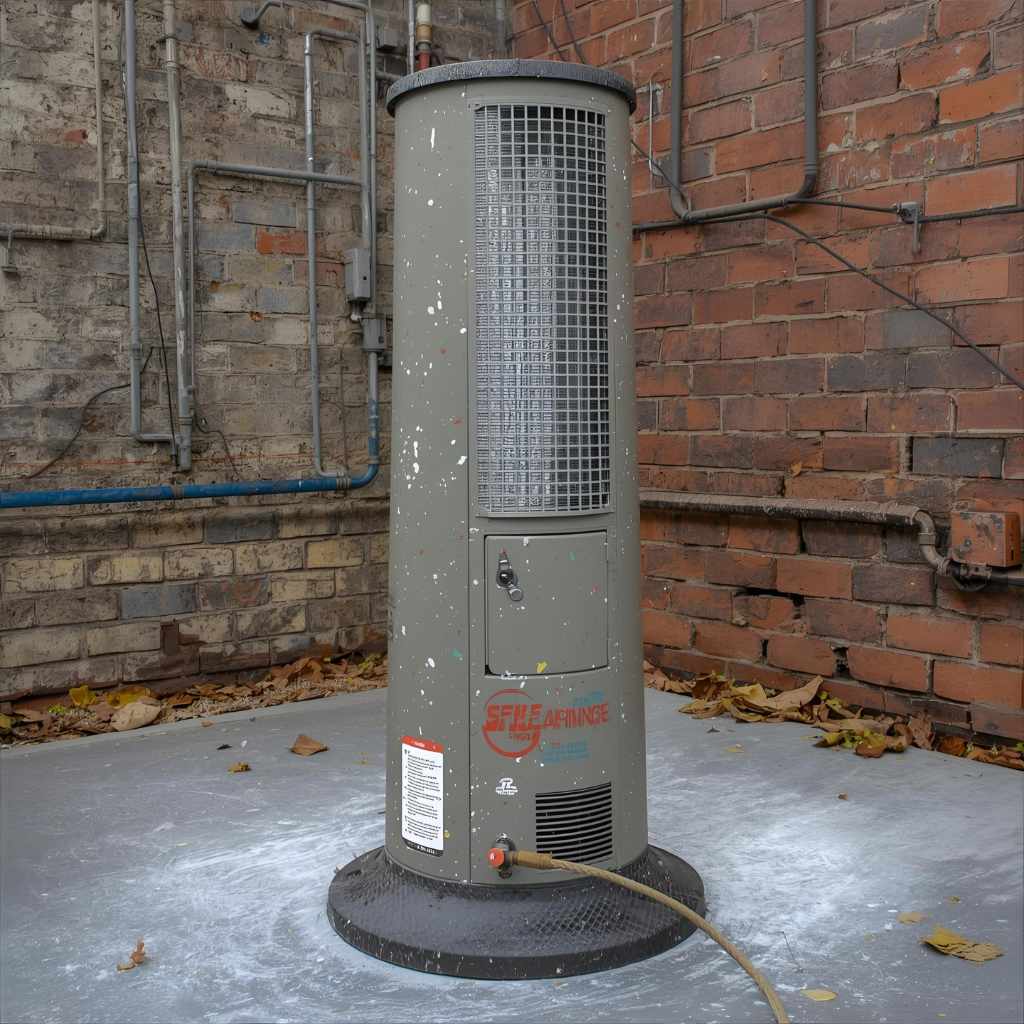
Risks Of Kerosene Heaters
Kerosene forced air heaters are popular for quick heating. They are useful in many spaces. Yet, they come with risks that users must know. Understanding these risks helps keep everyone safe. The main concerns include fire hazards, carbon monoxide poisoning, and fuel handling dangers.
Fire Hazards
Kerosene heaters use open flames or hot surfaces. These can cause fires if placed near flammable items. Curtains, papers, and clothes can catch fire easily. Sparks or fuel spills increase the fire risk. Always keep heaters on stable, non-flammable surfaces. Never leave heaters unattended while running.
Carbon Monoxide Poisoning
Burning kerosene produces carbon monoxide (CO), a deadly gas. CO is colorless and odorless. It builds up quickly in poorly ventilated spaces. Breathing CO causes headaches, dizziness, and nausea. High levels can lead to unconsciousness or death. Always use heaters in well-ventilated rooms. Install CO detectors for extra safety.
Fuel Handling Dangers
Kerosene is flammable and must be handled carefully. Spills can cause fires or skin irritation. Filling heaters while they are hot is dangerous. Use only approved containers for storing kerosene. Store fuel away from children and pets. Follow all instructions to prevent accidents during refueling.
Safe Operation Tips
Using a kerosene forced air heater safely is very important. These heaters can warm up spaces quickly but must be handled with care. Following safe operation tips helps prevent accidents and keeps your air clean. Here are key points to remember for safe use.
Proper Ventilation
Always use the heater in a well-ventilated area. Open a window or door to let fresh air in. This helps stop harmful gases from building up inside. Without enough airflow, carbon monoxide can reach dangerous levels. Never block vents or exhausts on the heater.
Correct Fuel Usage
Use only the recommended kerosene fuel for your heater. Using other fuels can cause damage or unsafe burning. Fill the tank outside or in a safe place. Avoid spills and clean up any fuel that drops. Never overfill the tank to prevent leaks or fire hazards.
Regular Maintenance
Check your heater before every use. Look for cracks, leaks, or worn parts. Clean the wick and filter regularly to keep the flame steady. Replace parts as needed to avoid malfunctions. Proper care extends the heater’s life and keeps it safe.
Emergency Precautions
Emergency precautions are crucial when using kerosene forced air heaters. These heaters can pose risks if not handled properly. Knowing the right safety steps helps prevent accidents and keeps everyone safe.
Fire Safety Measures
Keep the heater away from flammable materials like curtains and paper. Place it on a flat, stable surface. Never leave the heater unattended while it is on. Have a fire extinguisher nearby and know how to use it. Turn off the heater before refueling. These steps reduce fire risks effectively.
Carbon Monoxide Detectors
Carbon monoxide is a dangerous gas produced by kerosene heaters. Install detectors in rooms where the heater runs. Test detectors regularly to ensure they work. Replace batteries often. A working detector alerts you to unsafe gas levels early. This can save lives.
First Aid Steps
If someone inhales smoke or carbon monoxide, move them outside immediately. Call emergency services if they feel dizzy or weak. For burns, run cool water over the skin and cover with a clean cloth. Avoid using creams or ointments. Quick action helps reduce injury severity.
Choosing Safe Equipment
Choosing safe equipment is key to using kerosene forced air heaters without worry. These heaters can warm large spaces fast. But safety depends on the model and its features. Picking the right heater helps avoid accidents and health risks.
Certified Models
Certified models meet strict safety standards. Look for heaters approved by recognized safety groups. These certifications show the heater passed tests for safe use. Certified heaters often include user guides with safety tips. They give peace of mind and reduce hazards.
Safety Features To Look For
Good heaters have built-in safety features. An automatic shut-off stops the heater if it tips over. Overheat protection turns it off when it gets too hot. Some models have oxygen sensors to prevent dangerous gas build-up. These features protect your home and family.
Storage And Transport
Proper storage and transport of kerosene forced air heaters and fuel are vital for safety. Mishandling can cause leaks, spills, or fire hazards. Knowing how to store and move these items reduces risks and keeps everyone safe.
Safe Fuel Storage
Store kerosene in a cool, dry place away from direct sunlight. Use containers made for kerosene to prevent leaks. Keep fuel containers tightly closed to avoid spills. Store fuel away from children and pets. Avoid storing kerosene near flames or heat sources. Always label fuel containers clearly. Check containers regularly for damage or leaks.
Transporting Heaters And Fuel
Transport heaters and fuel separately to reduce risk. Secure heaters in an upright position during transport. Use sturdy containers for kerosene and keep them sealed. Avoid carrying fuel inside the passenger area of vehicles. Ventilate vehicles well when transporting fuel. Do not smoke or use open flames near heaters or fuel during transport. Drive carefully to prevent spills or accidents.
Frequently Asked Questions
Are Kerosene Forced Air Heaters Safe To Use Indoors?
Kerosene forced air heaters can be safe indoors if properly ventilated. Always ensure fresh air circulation to avoid carbon monoxide buildup. Follow manufacturer guidelines and use carbon monoxide detectors for added safety.
What Safety Precautions Should I Take With Kerosene Heaters?
Keep the heater away from flammable materials and never leave it unattended. Use only recommended fuel, ensure proper ventilation, and regularly maintain the heater to prevent hazards.
Can Kerosene Forced Air Heaters Cause Carbon Monoxide Poisoning?
Yes, without proper ventilation, these heaters can emit carbon monoxide. Always use them in well-ventilated spaces and install carbon monoxide alarms to protect against poisoning risks.
How Do I Maintain A Kerosene Forced Air Heater Safely?
Clean the heater regularly, inspect fuel lines, and replace worn parts. Proper maintenance ensures efficient operation and reduces fire or poisoning risks.
Conclusion
Kerosene forced air heaters can be safe with the right care. Always use them in well-ventilated areas to avoid harmful fumes. Keep the heater away from flammable materials and never leave it unattended. Regular cleaning and proper fuel use help prevent accidents.
Knowing safety tips makes using these heaters easier and safer. Stay alert and follow instructions carefully. Safety should always come first when using any heating device.