Infrared vs Quartz Heaters: Essential Guide
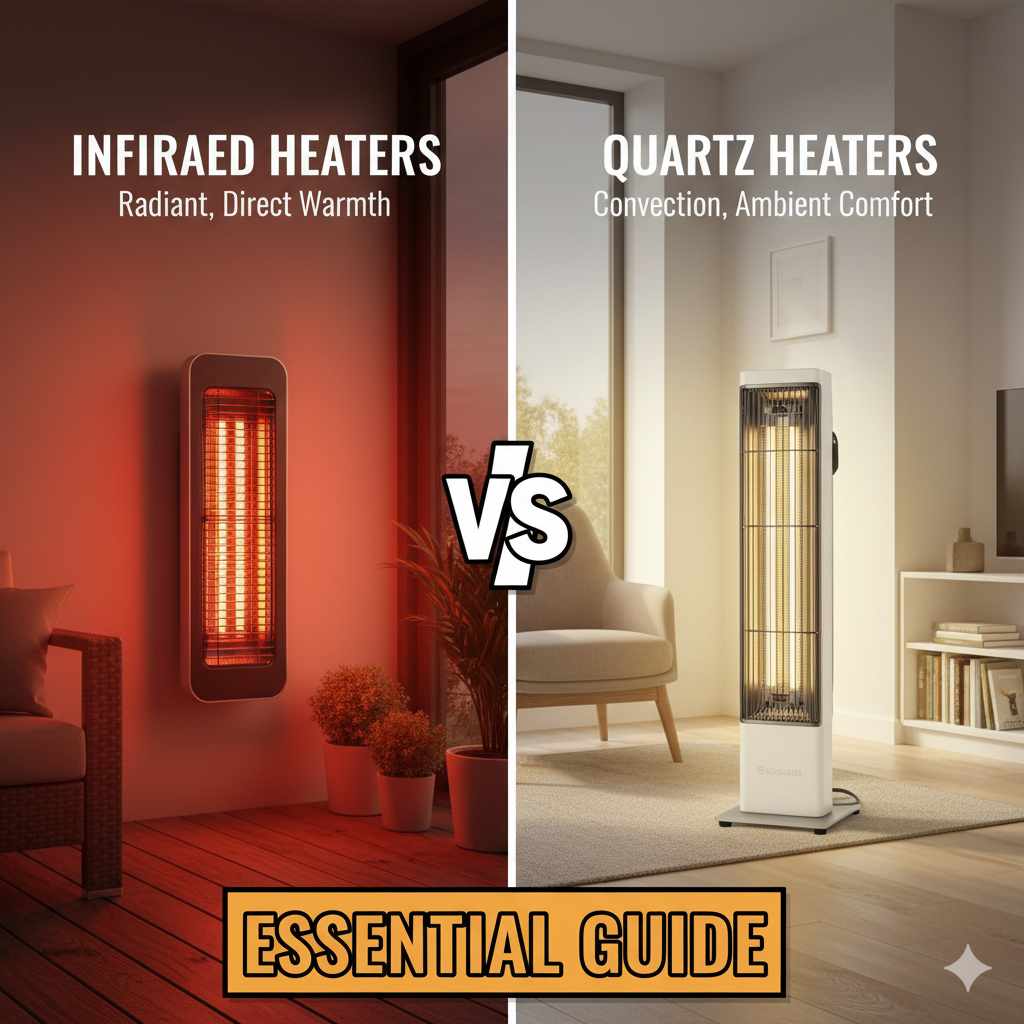
Choosing between infrared and quartz heaters? For quick, targeted warmth without heating the whole room, infrared is often better. For faster, more immediate heat that warms spaces quickly, quartz is a strong contender. This guide helps you pick the best for your cozy home.
Feeling that chill creep in but unsure which heater is your best ally? It’s a common puzzle! Many homeowners find themselves staring at heater options, wondering which one will keep them warm without costing a fortune or making their home feel like a sauna. Don’t worry, I’m Tanim, and I’m here to demystify two popular choices: infrared and quartz heaters. We’ll break down exactly how they work, their pros and cons, and how to choose the right one for your needs, so you can enjoy a perfectly comfortable home. Let’s get you warm!
Understanding How Heaters Work: A Quick Peek
Before we dive into infrared and quartz, it’s helpful to know that heaters warm your space in different ways.
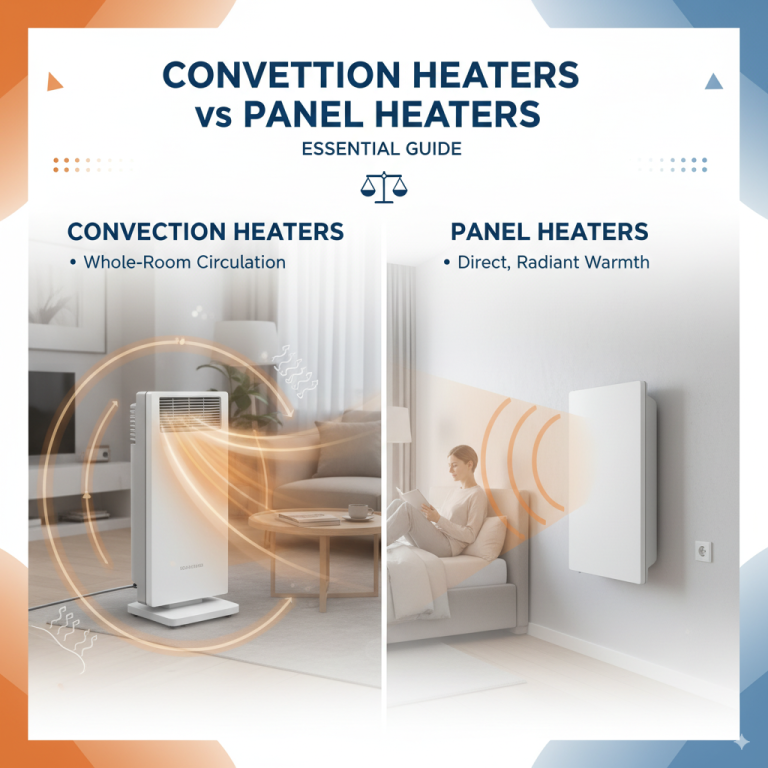
Some heaters work like a cozy blanket for your entire room. They heat the air, which then circulates around. Others are more like a sunbeam – they send out warmth directly to objects and people it touches, without needing to heat all the air first. Understanding this core difference will make choosing your heater much easier.
Infrared Heaters: Like a Warm Hug from the Sun
Imagine stepping out into the sun on a cool day. You feel that warmth directly on your skin, even if the air around you is still a bit chilly. That’s exactly how infrared heaters work!
Infrared heaters don’t primarily heat the air. Instead, they emit infrared radiation, a type of light that travels in waves. When these waves strike objects or people, they absorb the energy and convert it into heat. This means you feel warm very quickly, directly where the rays are hitting you.
How Infrared Heaters Work: The Science Simplified
It’s simpler than it sounds! Most infrared heaters use heating elements (often encased in quartz tubes or ceramic) that glow with a reddish light. This light is the infrared radiation. The waves travel outwards, and their magic happens when they encounter surfaces. They heat:
- People: You feel pleasantly warm.
- Furniture: Your sofa gets cozy.
- Walls: They absorb heat, which is then released slowly.
They are less effective at heating the air itself, which is why the room might still feel a bit cooler in the air between you and the heater, but you’ll be toasty! This is a great feature for energy efficiency, as you’re not wasting energy heating empty spaces.
Pros of Infrared Heaters
- Fast, Targeted Heat: You feel warmth almost instantly where the rays are directed.
- Energy Efficient: They heat people and objects directly, not entire rooms, which can save energy.
- Quiet Operation: Most models are very quiet, often silent, as they don’t rely on fans to circulate air.
- No Air Drying: They don’t dehumidify the air as much as convection heaters, keeping your environment more comfortable.
- Odorless Heating: They don’t burn dust particles in the air, so there’s no associated smell.
Cons of Infrared Heaters
- Limited Room Heating: If you need to warm the entire air volume of a large room evenly, they might not be the most effective primary solution.
- Direct Line of Sight: The heat is most effective when you are directly in its path. Obstacles can block the warmth.
- Surface Heating: While great for objects, they don’t provide the same “all-encompassing” air warmth as other types.
When to Choose an Infrared Heater
Infrared heaters are fantastic for:
- Spot Heating: Warming a specific area, like your desk while you work or a cozy reading nook.
- Drafty Rooms: Quickly warming yourself in a specific spot without trying to heat the whole room and its drafts.
- Garages, Workshops, Patios: Providing warmth in otherwise unheated or open spaces where air heating is impractical.
- People with Allergies: Because they don’t circulate air, they don’t stir up dust or allergens.

Quartz Heaters: Quick Warmth, Radiant Power
Quartz heaters are a popular type of infrared heater! The term “quartz heater” often refers to the material used for their heating elements. They use quartz tubes to house the heating coils. When electricity flows through the coils, they heat up rapidly and emit infrared radiation.
Think of them as a speedy version of an infrared heater. Because the quartz tubes get hot so quickly, they deliver that radiant warmth almost instantaneously. They are excellent for providing supplemental heat or quickly taking the chill off a smaller space.
How Quartz Heaters Work: The Glowing Coils
Inside a quartz heater, you’ll typically see one or more quartz tubes. Within these tubes are the Nichrome (nickel-chromium alloy) wire heating elements. When you turn the heater on:
- Electricity passes through the Nichrome wire.
- The wire gets very hot, glowing bright orange or red.
- The quartz tube efficiently transmits this heat outwards as infrared radiation.
The quartz material itself is strong and can withstand high temperatures, making it ideal for these heating elements. Some quartz heaters might have a fan to help distribute the heat, while others rely purely on radiation.
Pros of Quartz Heaters
- Very Fast Heat: They deliver warmth almost immediately upon being switched on.
- Portability: Many models are compact and lightweight, making them easy to move from room to room.
- Energy Efficient for Spot Heating: Similar to other infrared types, they are good at warming a person or specific area.
- Relatively Affordable: Quartz heaters are often one of the more budget-friendly heater options.
Cons of Quartz Heaters
- Can Get Very Hot: The quartz tubes and exposed coil elements can become extremely hot to the touch, posing a burn risk, especially for children and pets.
- Limited to Direct Heating: Like all infrared heaters, they work best when you’re in their direct line of sight.
- Durability Concerns: While quartz is strong, the glass tubes can be fragile if the unit is dropped or bumped.
When to Choose a Quartz Heater
Quartz heaters are a great choice for:
- Instant Warmth: When you need to take the chill off a small space or yourself very quickly.
- Supplemental Heating: To boost the warmth in a specific spot, like near your feet under a desk, without running the main heating system.
- Budget-Conscious Heating: They are often a cost-effective way to get immediate radiant heat.
- Small Rooms: Providing quick warmth in bedrooms, offices, or bathrooms.
Infrared vs. Quartz Heaters: Key Differences Table
Let’s sum up the main distinctions to help you compare at a glance:
| Feature | Infrared Heater (General) | Quartz Heater (Specific type of Infrared) |
|---|---|---|
| Heating Mechanism | Emits infrared radiation to directly heat objects and people. Can use various element types (e.g., ceramic, metal coils, quartz). | Uses quartz tubes to house heating coils, which heat up rapidly and emit infrared radiation. |
| Speed of Heat | Fast to moderate, depending on element type. | Very fast, among the quickest to provide radiant heat. |
| Element Material | Can be quartz, ceramic, metal elements, etc. | Specifically uses quartz tubes around heating coils. |
| Heat Distribution | Direct, radiant heat. Best for targeted areas. | Direct, radiant heat. Best for targeted areas. |
| Primary Use | Spot heating, targeted warmth, supplemental heating. | Instant spot heating, quick warmth in small areas. |
| Safety Considerations | Varies by model; some have protective grilles. | Heating elements and tubes get very hot; potential burn risk. |
| Noise Level | Typically very quiet, often silent. | Typically very quiet, often silent. |
Other Popular Heater Types: A Quick Mention
While we’re focusing on infrared and quartz, it’s good to know about other common heater types you might see:
- Ceramic Heaters: These use a ceramic plate with a heating element inside. Many use a fan to blow air over the hot ceramic, heating the air and circulating it. They offer quick, room-warming heat.
- Convection Heaters: These heat air, which then rises and circulates throughout the room. They provide a more even, ambient warmth but take longer to heat up a space and can dry out the air.
- Radiant Tube Heaters: Similar to infrared, these often use metal tubes with heating elements inside, emitting a strong radiant heat, perfect for workshops or garages.
- Oil-Filled Radiators: These are electric heaters that heat oil inside their fins. The oil then radiates heat, providing a steady, gentle warmth without a fan. They are very safe but slow to heat.
Choosing Your Heater: Factors to Consider
Now for the fun part: picking the perfect heater for your home! Here’s what to think about:
1. Where Will You Use It?
- Single Room vs. Whole House: For a single room or just warming yourself, infrared or quartz are great. For larger spaces or consistent whole-house heating, you might need a different solution or supplemental heaters.
- Specific Area: Do you need to heat your feet under a desk? A spot on the patio? The direct heat of an infrared or quartz heater is ideal.
2. How Quickly Do You Need Heat?
- Instant Warmth: Quartz and other fast-acting infrared heaters are your go-to.
- Gradual Warmth: If a slower, steadier heat is preferred, other types might be considered, but both infrared and quartz provide excellent quick solutions.
3. Safety First!
This is super important. Always look for:
- Tip-Over Protection: The heater should shut off automatically if it’s knocked over. This is a crucial safety feature, especially with portable heaters.
- Overheat Protection: A sensor that shuts the heater off if it gets too hot.
- Cool-Touch Grilles: For quartz heaters, check if the grille around the hot elements stays cool enough to prevent burns.
- Placement: Keep all heaters at least 3 feet (about 1 meter) away from curtains, furniture, bedding, and other flammable materials. Always check the National Fire Protection Association (NFPA) for excellent home heating safety tips.
4. Energy Efficiency
Spot heating with infrared or quartz can be very energy-efficient because you’re directly warming what you need, when you need it. They generally use less power for temporary warming than trying to heat a whole room with a fan heater.
5. Your Budget
Quartz heaters are often very affordable to purchase. More sophisticated infrared heaters, especially those with advanced features or larger sizes, can be pricier. Consider both the upfront cost and the ongoing energy usage.
6. Noise Level
If you need a quiet heater for a bedroom or office, both infrared and quartz heaters (without fans) are excellent choices. If a very minor whirring sound from a fan is acceptable, some fan-assisted models offer faster heat distribution.
Installation and Usage Tips
Getting your heater set up and using it safely is straightforward:
Simple Setup (Usually!)
- Unboxing: Carefully remove the heater from its packaging.
- Assembly: Some models may require attaching feet or a base. Follow the manufacturer’s instructions closely.
- Placement: Choose a stable, level surface away from drafts, moisture, and flammable items. Ensure at least 3 feet of clearance around the unit.
- Plug It In: Use a properly grounded electrical outlet. Avoid using extension cords if possible, as they can be a fire hazard. If an extension cord is necessary, ensure it’s rated for the heater’s wattage.
Everyday Usage for Best Results
- Direct Your Heat: Position the heater so the radiant heat is directed towards you or the area you want to warm.
- Room Size Matters: Understand the limitations. An infrared or quartz heater is best for personal comfort or small spaces, not for heating a large, open-plan house.
- Thermostat Control: Many heaters have adjustable thermostats. Set your desired temperature and let the heater cycle on and off to maintain it, saving energy.
- Don’t Leave Unattended: Even with safety features, it’s best practice not to leave any portable heater running when you leave the room or go to sleep.
- Regular Cleaning: Keep the heater clean according to the manufacturer’s instructions. Dust buildup can reduce efficiency and pose a fire risk. A dry cloth or a vacuum cleaner with a brush attachment usually works well.
Maintaining Your Heater for Longevity
A little care goes a long way in keeping your heater working efficiently and safely for years:
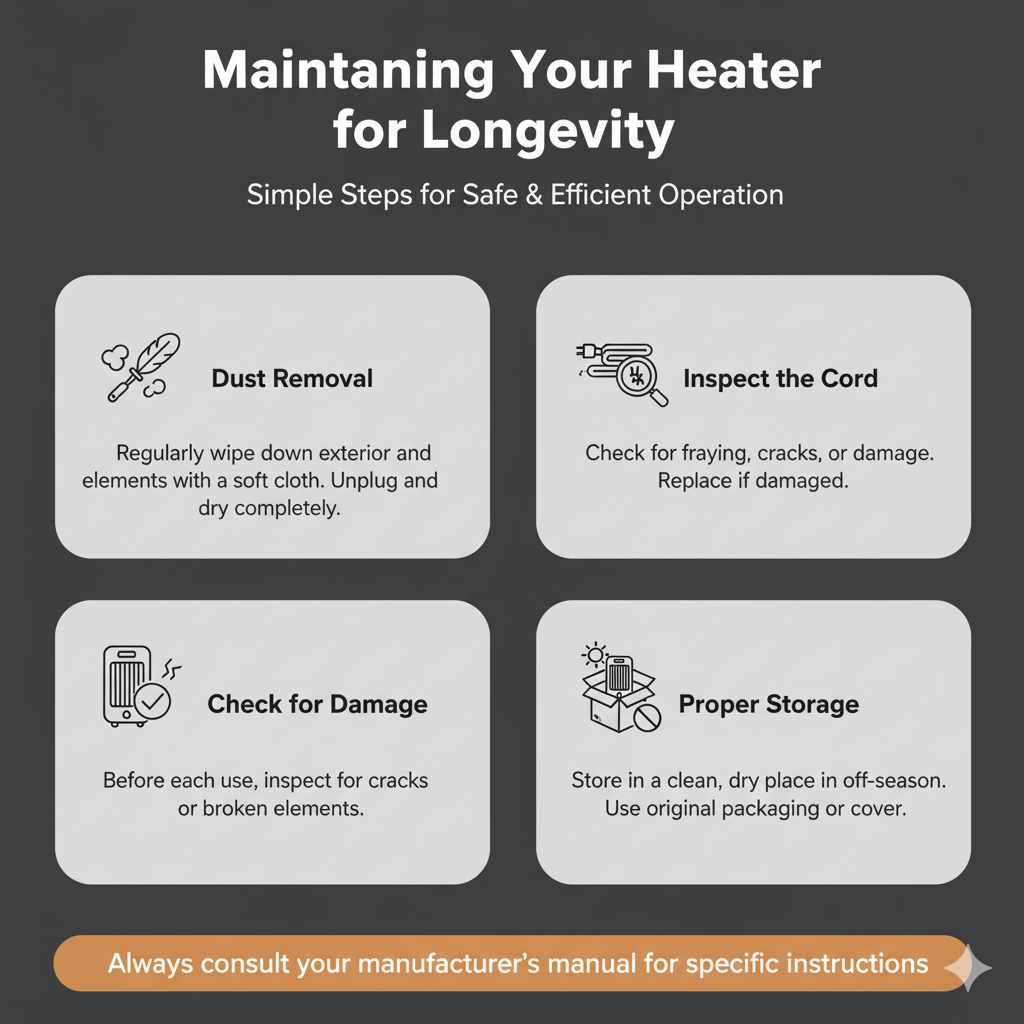
- Dust Removal: Regularly wipe down the exterior and any visible grilles or elements with a soft, dry cloth. For stubborn dust, a slightly damp cloth can be used, but ensure the heater is unplugged and completely dry before using it again.
- Inspect the Cord: Periodically check the power cord for any fraying, cracking, or damage. If you find any damage, discontinue use immediately and have it repaired or replace the heater.
- Check for Damage: Before each use, inspect the heater for any obvious signs of damage, such as cracks in the casing or heating elements.
- Storage: When not in use during warmer months, store the heater in a clean, dry place, preferably in its original packaging or a protective cover.
Following the manufacturer’s specific cleaning and maintenance guide is always the best approach, as designs can vary. You can often find these manuals online on the manufacturer’s website if you’ve lost yours.
Frequently Asked Questions (FAQ)
What is the main difference between infrared and quartz heaters?
Infrared heaters use radiant energy to heat objects and people directly. Quartz heaters are a specific type of infrared heater that uses quartz tubes to house their heating elements, allowing for very rapid heat production.
Can I use a quartz heater to heat an entire room?
While a quartz heater can take the chill off a small room quickly, it’s typically best suited for spot heating or warming a small area directly in its path. For consistent, even heating of an entire room, especially a larger one, other heater types might be more effective.
Are infrared heaters energy efficient?
Yes, infrared heaters can be very energy efficient for spot heating. By directly warming people and objects instead of the air, they avoid wasting energy on empty spaces. This makes them a cost-effective choice for targeted warmth.
Are quartz heaters safe to touch?
No, the heating elements inside quartz tubes get extremely hot and can cause severe burns. While the outer casing might remain cooler, always exercise caution and keep children and pets away from direct contact with the heater when it’s in operation.
Which type of heater is better for allergies?
Infrared heaters (including quartz) are generally better for people with allergies because they heat objects and people directly and do not rely on fans to circulate air. This means they don’t stir up dust, pet dander, or other allergens in the air.
How much space should I keep clear around my infrared or quartz heater?
A general rule of thumb is to keep at least 3 feet (about 1 meter) of clear space around your heater. This includes space above, in front, and on the sides. Always refer to your heater’s manual for specific recommendations, as advised by organizations like the Consumer Product Safety Commission (CPSC).
Do infrared heaters heat the air?
Infrared heaters primarily heat objects and people directly. They do not significantly heat the air in the room. While some air may be warmed incidentally by contact with heated objects, their main function is radiant heat, similar to the sun.