Are Bathroom Wall Heaters Safe for Bathrooms?
Yes, bathroom wall heaters are generally very safe when installed correctly and used according to manufacturer instructions. Modern units feature built-in safety mechanisms like overheat protection and tip-over switches. Proper installation by a qualified electrician is crucial to ensure safety and prevent electrical hazards.
For the safety side of the same topic, Are Bathroom Ceiling Heaters Safe? Essential Guide gives readers a useful next check before they use the heater.
For the safety side of the same topic, Are Bird Bath Heaters Safe: Essential Guide gives readers a useful next check before they use the heater.
For a related heater topic, Bathroom Ceiling Heater for Warmth and Quiet Ventilation gives readers a useful next step.
For a related heater topic, Are Bathroom Heaters Worth It? Essential Guide gives readers a useful next step.
For the safety side of the same topic, Are Built-In Vent Heaters Safe What You Need gives readers a useful next check before they use the heater.
Is your bathroom chilly? It’s a common problem that dampens comfort, especially during colder months. Many homeowners look to wall-mounted heaters to solve this, but a common question pops up: “Are bathroom wall heaters safe?” It’s smart to ask! We want warmth without worry. This guide will walk you through everything you need to know about bathroom wall heaters, focusing on safety, different types, and how to keep your space cozy and secure.
Understanding Bathroom Wall Heaters: A Beginner’s Overview

Think of bathroom wall heaters as focused bursts of warmth right where you need them. Unlike portable heaters that can be a tripping hazard or take up floor space, wall heaters are permanently fixed, discreetly blending into your bathroom’s design. They’re designed to handle the unique environment of a bathroom – a place with moisture. Generally, these heaters are electric, drawing power from your home’s wiring. Installation is key, and we’ll dive into that more, but knowing they’re wired in means they rely on professional setup for maximum safety and efficiency.
Why are Wall Heaters a Popular Choice for Bathrooms?
Bathrooms are often the coldest rooms in the house. Cold tiles, morning chills, and the need for a quick, comfortable environment make specific heating solutions very appealing. Wall heaters offer several advantages:
- Space-Saving: They mount directly to the wall, freeing up valuable floor space. This is especially important in smaller bathrooms.
- Targeted Heat: They provide heat precisely where you need it, quickly warming the space.
- Aesthetics: Many models are designed to be sleek and unobtrusive, complementing bathroom decor.
- Safety Features: Modern units often come with advanced safety measures tailored for bathroom environments.
Types of Bathroom Wall Heaters and Their Safety Features
Not all wall heaters are created equal. Understanding the different types will help you choose one that’s right for your needs and also highlight their safety aspects. The most common types you’ll encounter are:
1. Convection Heaters
Convection heaters work by warming the air around them and then circulating that warm air throughout the room. They typically have an element that heats up, and a fan or natural airflow helps distribute the heat. These are great for providing a steady, ambient warmth.
Safety Features of Convection Heaters:
- Overheat Protection: Most electric convection heaters have a built-in thermostat that prevents them from getting too hot. If the internal temperature exceeds a safe limit, the heater automatically shuts off.
- Fan Functionality: While fans help distribute heat, they also contribute to cooling the heating element when the unit is on, reducing the risk of some components overheating. Always ensure vents are clear.
- Durable Casing: They are typically housed in metal or robust plastic casings that are designed to withstand heat and prevent accidental contact with hot internal parts.
2. Radiant Heaters (including Quartz and Infrared)
Radiant heaters work by emitting infrared radiation, which directly heats objects and people in their line of sight, rather than just the air. Quartz and infrared heaters fall into this category and are known for providing quick, direct warmth.
Safety Features of Radiant Heaters:
- Grid Guards: The heating elements, often glowing rods (like quartz tubes) or filaments, are protected by a sturdy metal grill or guard. This prevents accidental touching of the hot elements.
- Tip-Over Protection: While less common for wall-mounted units, some standalone radiant heaters have a switch that cuts power if they are accidentally knocked over. For wall-mounted integrated units, this is less of a concern as they are fixed.
- Directional Heat: Because they heat surfaces, the air temperature might not rise as dramatically as with convection heaters, which can sometimes offer a different kind of comfort and perceived safety due to less intense overall air heating.
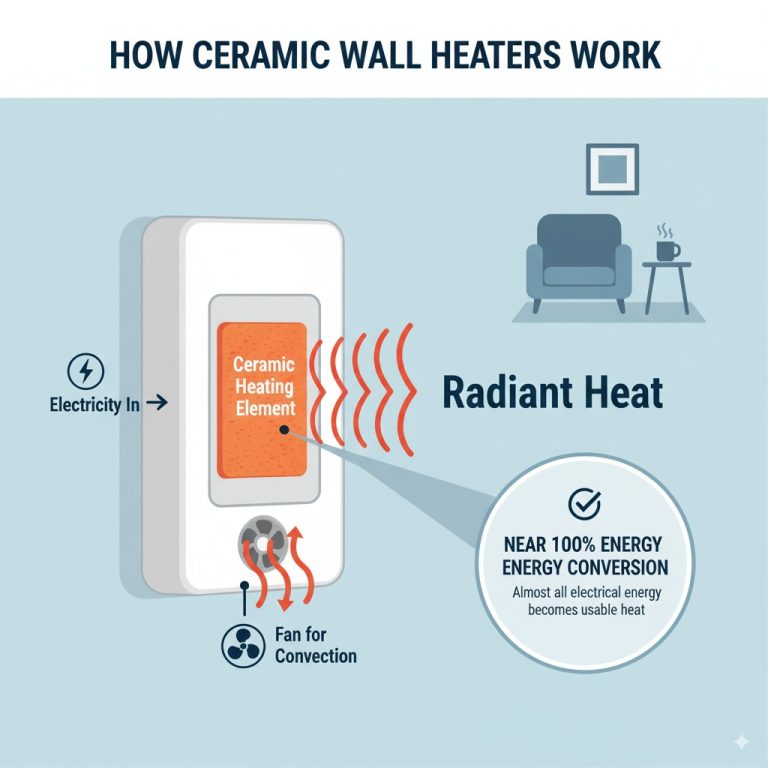
3. Fan Heaters (or Ceramic Heaters)
Fan heaters, often using a ceramic element, heat up quickly. A fan then blows air over the hot ceramic, dispersing warmth into the room. They are known for their rapid heating capabilities.
Safety Features of Fan Heaters:
- Cool-Touch Casing: Many fan heaters are designed so that the outer casing remains cool to the touch, even when the unit is operating.
- Overheat Shut-Off: Similar to convection heaters, they possess automatic shut-off features if they start to overheat.
- Ceramic Element Safety: Ceramic is a stable material that generally doesn’t pose the same risks as exposed metal heating coils.
- Thermostat Control: Precise temperature control helps maintain a safe and comfortable heat level.

Are Bathroom Wall Heaters Safe? Diving Deeper into Safety
Let’s get to the heart of it: Are bathroom wall heaters safe? The answer is a resounding yes, provided certain conditions are met. Bathrooms are unique environments due to humidity and potential water exposure. Therefore, safety considerations for bathroom heaters are paramount. Modern bathroom wall heaters are designed with these specific challenges in mind.
The Importance of Proper Installation
This is perhaps the most critical factor for bathroom wall heater safety. Electrical installations in bathrooms require specific adherence to safety codes because water and electricity are a dangerous mix. Improper wiring or installation can lead to:
- Electrical Shocks: Faulty wiring can create exposed live parts or inadequate grounding, increasing the risk of electric shock.
- Overheating and Fire Hazards: If a heater is not wired correctly or if the circuit isn’t properly rated, it can overheat, potentially causing a fire.
- Damage to the Heater and Home: Incorrect installation can damage the heater itself and potentially your home’s electrical system.
For this reason, it is highly recommended to hire a qualified electrician for the installation of any bathroom wall heater. Electricians are trained to follow the National Electrical Code (NEC) and local building regulations, ensuring the unit is wired correctly, grounded properly, and installed in a location that minimizes risk. You can find resources on electrical safety from the U.S. Consumer Product Safety Commission.
Understanding IP Ratings for Bathroom Heaters
When choosing a bathroom heater, especially one that might be near a shower or sink, you’ll notice something called an “IP rating.” This stands for Ingress Protection and is an international standard used to classify the degree of protection provided by enclosures against intrusion from solids (like dust) and liquids (like water).
For bathrooms, you’ll typically want a heater with an IP rating suitable for wet environments. Here’s a simplified breakdown:
| IP Rating Example | Protection Against | Suitability for Bathrooms |
|---|---|---|
| IP21 | Drips of water from vertically falling drops. | Minimal protection; generally not recommended for areas directly exposed to splashes. Okay for general room use away from direct water sources. |
| IP24 | Water splashed from any direction. | Good for general bathroom use, especially for wall heaters mounted some distance from showers or baths. |
| IPX4 | Splashing water from any direction. | Similar to IP24, ideal for most bathroom wall heater applications, offering splash protection. |
| IPX5 | Water jets from any direction. | Offers higher protection against water jets. Suitable for areas that might experience more direct water exposure, though direct immersion is not protected. |
| IPX7 | Temporary immersion in water. | Highly protected, suitable for areas that could be submerged. Less common and likely overkill for most standard wall heaters unless specifically intended for very close proximity to showers or tubs. |
Always check the specific IP rating on the heater’s packaging or manual and ensure it’s appropriate for its intended placement within the bathroom, following any guidance from your installer or the manufacturer. The UKDP explanation of IP ratings can offer more detail.
Built-in Safety Mechanisms in Modern Heaters
Newer bathroom wall heaters are packed with safety features to give you peace of mind:
- Overheat Protection: As mentioned earlier, this is a standard safety feature. It’s a crucial safeguard that automatically turns the heater off if it overheats, preventing potential fire hazards.
- Thermostat Control: Precise thermostat settings allow you to maintain a comfortable temperature without the heater constantly running at maximum, reducing the risk of overheating over extended periods.
- Tip-Over Protection (Less common for wall-mounted): While more common on portable heaters, some wall units might have sensors that can detect unusual angles, though this is less of a factor for fixed installations.
- Freeze Protection: Some advanced heaters include a setting that maintains a minimum temperature (e.g., around 40°F or 5°C) to prevent pipes from freezing in an unoccupied room during winter, adding another layer of safety for your home.
- Child Lock Functionality: For those with young children, a child lock feature can prevent them from accidentally changing the settings or turning the heater on/off.

Safe Usage Tips for Bathroom Wall Heaters
Even with all the safety features, how you use your bathroom wall heater matters. Follow these tips to ensure continued safe and effective operation:
- Read the Manual: Always start by thoroughly reading the manufacturer’s instruction manual. It contains specific safety warnings and operating instructions for your particular model.
- Keep Flammable Materials Away: Never place towels, bathmats, curtains, or any other flammable items near the heater. Maintain a clear zone around the unit as specified in the manual.
- Ensure Proper Ventilation: Do not block the air vents with anything. Proper airflow is essential for the heater to function efficiently and safely.
- Regular Cleaning: Dust and debris can accumulate on the heating elements and vents, which can be a fire hazard. Clean your heater regularly according to the manufacturer’s instructions. Typically, this involves unplugging the unit (if portable) or switching off the breaker (for wired units) and gently wiping down the exterior and clearing vents with a soft brush or vacuum cleaner attachment.
- Never Leave Unattended (especially older models): While modern units are safer, it’s always best practice to not leave any heating appliance running unattended for extended periods, especially if you have older models without advanced safety features like automatic shut-off.
- Check for Damage: Before using the heater, and periodically during use, inspect the cord (if applicable), plug, and the heater unit itself for any signs of damage. If you find any damage, stop using it immediately and have it repaired or replaced.
- Water Spills: If you accidentally spill water near a wall-mounted heater, immediately turn off the power at the breaker box before attempting to clean it up. Allow the area to dry completely before restoring power and using the heater again.
Energy Efficiency and Cost-Effectiveness
While safety is primary, many homeowners also consider the running costs. Bathroom wall heaters, particularly newer electric models, can be quite energy-efficient when used appropriately. Their efficient designs mean they heat spaces quickly, allowing them to be turned off sooner. Using a timer or a smart thermostat can further optimize energy use, ensuring heat is only on when needed. For a deeper dive into energy-saving tips, check out resources from the U.S. Department of Energy.
Common Concerns and Troubleshooting
Even with safe heaters, issues can arise. Here are a few common ones:
- Heater Not Turning On: Check the power supply, the breaker box, and ensure the thermostat is set to a desired temperature. If it’s a plug-in unit, confirm it’s securely plugged in.
- Strange Smells: A new heater might have a slight burning smell the first few times it’s used due to manufacturing oils burning off. If the smell persists or is strong, switch it off and check for dust buildup on the elements or vents. Again, if in doubt, consult an electrician.
- Heater Shuts Off Unexpectedly: This often indicates the overheat protection has activated. Ensure vents are clear, nothing is blocking the heater, and the unit is not covered. If it continues to shut off, there might be an internal issue, and it’s time to call a professional.
Factors to Consider When Choosing a Bathroom Wall Heater
When you’re ready to select a bathroom wall heater, keep these points in mind to ensure you’re getting a safe and suitable unit:
1. Bathroom Size
Heaters are rated by wattage, which correlates to how much space they can effectively heat. A general guideline for electric heaters is around 10 watts per square foot. For a small 5×7 bathroom (35 sq ft), a 350-watt heater might suffice, while a larger bathroom will need a higher wattage.
2. Installation Location
Consider where the heater will be mounted. Avoid placing it directly above water sources like the showerhead or bathtub spout unless it has a very high IP rating. Mounting it near the doorway or an area where you’ll be the most is often ideal.
3. Safety Certifications
Look for heaters that are certified by recognized safety organizations like UL (Underwriters Laboratories) or ETL (Intertek). These certifications indicate that the product has been tested and meets safety standards.
4. Features
Consider features like built-in thermostats, timers, remote controls, multiple heat settings, or even smart home compatibility. These can enhance comfort, convenience, and energy efficiency.
5. Maintenance and Cleaning
Some heaters are easier to clean and maintain than others. Ensure you can access all areas for regular dusting and upkeep.

Frequently Asked Questions (FAQ)
Q1: Can I install a bathroom wall heater myself?
While some simple plug-in models might be manageable for those with basic DIY skills, it’s strongly recommended to have all bathroom wall heaters professionally installed by a qualified electrician. This ensures that wiring, grounding, and placement comply with safety codes, minimizing electrical risks in a high-moisture environment.
Q2: How close can a wall heater be to a shower?
This depends heavily on the heater’s IP rating and local electrical codes. Generally, heaters with lower IP ratings (like IP21) should be kept far from direct water spray. Higher IP-rated units (IPX4 or higher) offer splash protection and can be installed closer, but always consult the manufacturer’s guidelines and a professional installer for safe placement.
Q3: Do bathroom wall heaters use a lot of electricity?
Electric heaters convert nearly all the electricity they use directly into heat, making them very efficient. However, they can be energy-intensive if used continuously in a large space. Their cost-effectiveness depends on factors like bathroom size, insulation, thermostat use, and local electricity rates. Using them for shorter periods when needed is recommended.
Q4: Is it safe to touch a bathroom wall heater when it’s on?
You should avoid touching the heating elements or the grille directly over them, especially when the unit is operating, as they can become very hot. Many heaters have cool-touch casings, but it’s always best to err on the side of caution and assume external surfaces might be warm.
Q5: What should I do if my bathroom heater smells like burning?
A slight, new smell is often normal for the first few uses. If the smell persists, is strong, or is accompanied by smoke, immediately turn off the heater at the breaker. Check for dust or debris buildup on the heating elements or vents and clean it carefully after ensuring power is off. If the smell continues after cleaning or if you see any signs of damage, do not use the heater and contact an electrician.
Q6: Are there different safety standards for heaters in the UK versus the US?
Yes, different regions have their own safety standards and testing agencies. In the US, look for UL or ETL certifications. In the UK and Europe, CE marking is important, indicating compliance with EU directives. Always ensure your heater meets the relevant safety standards for your country or region.
Conclusion
So, are bathroom wall heaters safe? Absolutely, and they can be a wonderful addition to your home, providing much-needed warmth and comfort. The key to their safety lies in understanding their design, choosing a unit with appropriate safety features and IP ratings for a bathroom environment, and, most importantly, ensuring professional installation. By following safe usage practices, regular maintenance, and heeding professional advice, you can confidently enjoy a cozy and warm bathroom without compromising safety. Don’t let a chilly bathroom keep you from starting your day