
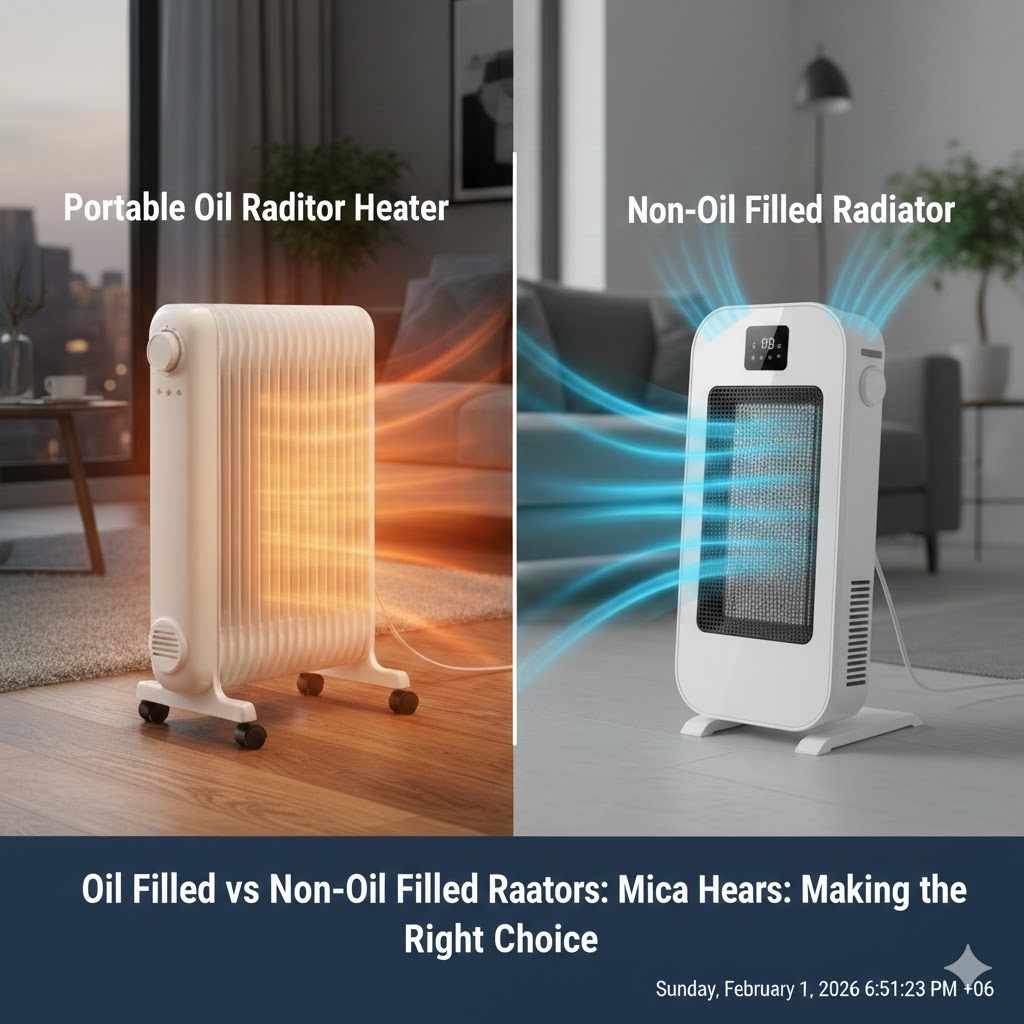
Choosing between Oil Filled vs Non-Oil Filled Radiators: Pros & Cons can feel a little tricky at first. There’s a lot of talk about different heating methods, and it’s easy to get confused by all the techy terms. Don’t worry, though! This post will break everything down into simple steps, so you can easily figure out which type of radiator is best for your home. Get ready to explore the differences and learn how to make an informed decision.
Oil Filled Radiators Explained
Oil filled radiators are a common heating choice for many homes. They work by heating oil sealed inside the radiator. This oil then heats the metal fins of the radiator, which in turn warms the surrounding air. Because the oil retains heat well, these radiators continue to provide warmth even after they’re turned off, a characteristic that often sets them apart from other heating solutions.
These systems offer a quiet, consistent source of heat, and they’re relatively portable, making them easy to move from room to room. Many models come with adjustable thermostats, allowing for precise temperature control. It’s important to understand this basic mechanism to appreciate the differences compared to non-oil filled options.
How Oil Filled Radiators Work
The operation of an oil filled radiator is pretty straightforward. Inside the metal casing, there’s a special type of oil. When you turn on the radiator and electricity flows through it, heating elements warm the oil. The oil then absorbs this heat and circulates within the sealed system. This heated oil spreads through the radiator, warming the metal fins.
The fins then release the heat into the surrounding air through convection, creating a warm environment. This heat transfer process is what makes the room feel cozy. The oil is a key component, allowing the radiator to retain heat even after it is switched off.
- Heating Elements: These are the parts that directly convert electricity into heat. The efficiency of these elements plays a significant role in how quickly the radiator heats up a space.
- Oil Type: The specific oil used is designed to have a high heat capacity, meaning it can store a lot of energy. This characteristic is what allows the radiator to radiate warmth after it’s turned off.
- Thermostat Control: Modern oil filled radiators typically include a thermostat that allows users to adjust the desired temperature. This feature helps manage energy consumption by turning the radiator on and off to maintain a consistent warmth.
- Safety Features: Many models incorporate safety features like overheat protection, which automatically shuts off the unit if it gets too hot, preventing potential hazards.
Advantages of Oil Filled Radiators
Oil filled radiators come with many benefits that make them a popular choice. They excel at retaining heat, which means they can keep a room warm for a longer time after they’ve been turned off. This efficiency can lead to a more consistent room temperature and can, in some cases, help save energy.
Additionally, they are generally quiet during operation, providing a more peaceful environment. They are also portable and do not need to be installed, making them a flexible option for different areas of your home. Moreover, their design is typically very safe; there are no exposed heating elements, reducing the risk of burns. They are relatively easy to operate and maintain, and they provide a dependable heating solution.
- Consistent Heat: Oil filled radiators are celebrated for delivering consistent warmth throughout a room. This uniformity prevents cold spots and ensures that the entire space is heated evenly.
- Heat Retention: These radiators continue to give off warmth even after they’re switched off. This heat retention is a valuable feature, allowing them to keep a room comfortable for a longer duration and potentially help cut down on energy costs.
- Safety Features: Most models come with built-in safety features like overheat protection and tip-over switches, which reduce the risk of accidents and offer reassurance, especially in homes with kids or pets.
- Quiet Operation: The operating noise is minimal, which makes them great for bedrooms, living rooms, and any place where silence is valued. This quietness adds to the comfort and convenience of using these radiators.
Disadvantages of Oil Filled Radiators
While oil filled radiators offer many advantages, there are some downsides to consider. They tend to take a longer time to heat up a room compared to some other heating options, such as fan heaters. Also, because of the oil, these radiators can be heavier and harder to move around. The surface temperature can get hot, so you must be careful, especially around kids and pets.
Furthermore, the oil inside cannot be replaced or refilled, and if a leak occurs, the radiator must be replaced, which can lead to extra expenses. Lastly, they are usually more costly upfront than many other heating options.
- Slower Heat-Up Time: It takes time for the oil to heat up and warm the surrounding air. This may not be ideal if you need instant warmth.
- Heavier Design: The oil makes the radiators heavier and more difficult to move. This can be a factor if you frequently need to relocate your heating unit.
- Surface Temperature: The surface of the radiator can get hot, posing a burn risk. Always keep a safe distance, especially around young children and pets.
- Potential for Leaks: Although rare, a leak in an oil filled radiator can be a concern. This can lead to mess and the need to replace the unit.

Non-Oil Filled Radiators: A Comparative Overview
Non-oil filled radiators operate using different heating technologies compared to their oil-filled counterparts. These often include electric resistance heating elements that directly warm the air. They tend to heat up rooms much faster because they do not have the heat-retaining oil to warm. However, they may cool down more quickly when turned off.
Non-oil filled radiators have different designs, from convection heaters to fan heaters. Depending on the model, they can be a more lightweight and cheaper option than oil filled radiators. This section will explore the varied features and performance aspects of these heating systems.
How Non-Oil Filled Radiators Work
The process of how non-oil filled radiators work varies depending on their specific design. A common type uses electric resistance coils or panels that directly heat the air around them. Another type, convection heaters, uses the natural movement of air to circulate heat. Fan heaters use a fan to push heated air out into the room, rapidly raising the temperature. These radiators generally do not retain heat once they are turned off.
The design directly affects how efficiently they heat a room and the speed at which they respond to changes in the thermostat. Maintenance is often simpler, since they usually don’t have the complexities of oil filled systems. This design makes them potentially more appealing for people looking for quick and convenient heating solutions.
- Electric Resistance Heating: This method uses a heating element, such as a coil, that gets hot when electricity passes through it. The heat is then transferred to the surrounding air by conduction.
- Convection Heating: These radiators heat the air around them, causing it to rise. Cooler air then replaces it, creating a natural circulation pattern that evenly distributes heat throughout the room.
- Fan-Forced Heating: Fan heaters use a fan to push heated air out into the room. This speeds up the heating process, making them a good option for people who need to warm up a space quickly.
- Heating Element Materials: The materials used in heating elements, such as ceramic or metal alloys, impact heating efficiency and how quickly the radiator heats up.
Advantages of Non-Oil Filled Radiators
Non-oil filled radiators offer several attractive advantages. One of the most significant is their faster heating time. They can often warm a room much quicker than oil filled models. Additionally, they tend to be lighter, making them easier to move. These radiators are often more affordable upfront. Some models have added features such as fans, which improve air circulation and contribute to a more uniform temperature distribution in the room.
This makes them a great option for situations that need immediate warmth or temporary heating. With a variety of models, from simple convection heaters to fan-assisted ones, non-oil filled radiators provide many choices to suit different needs and tastes.
- Faster Heating: Non-oil filled radiators heat up quicker compared to oil-filled models. This is helpful if you need warmth right away.
- Lighter Weight: They are typically lighter, making them easy to move from room to room. This flexibility is great if you need to heat different spaces on demand.
- Lower Cost: These radiators often cost less to buy than oil filled ones, making them more budget-friendly. This can be an important factor when outfitting a home or temporary space.
- Variety of Designs: They come in a wide range of designs, including fan heaters and convection heaters, each providing different heating characteristics and features to match various user preferences.
Disadvantages of Non-Oil Filled Radiators
There are also some drawbacks to consider when thinking about non-oil filled radiators. One key aspect is that they usually do not retain heat once they’re turned off. This means the room might cool down faster. Some models, especially fan heaters, can be a bit noisy during operation, which might be disruptive in quiet areas. Moreover, they may not distribute heat as evenly as oil filled radiators. Finally, the lower heat retention could mean that they consume more energy to maintain a constant room temperature over time compared to oil filled options.
- No Heat Retention: These radiators do not retain heat. When turned off, the room cools down relatively quickly.
- Potential Noise: Fan-forced models can create noise, which can be an annoyance, especially in quiet areas like bedrooms or offices.
- Uneven Heat Distribution: Some models may not heat a room as evenly, which might lead to cold spots. This is more of an issue with basic convection models.
- Higher Energy Consumption: Since they don’t retain heat, they may consume more energy to maintain a consistent temperature, particularly in poorly insulated spaces.
Making the Right Choice: Key Comparisons of Oil Filled vs Non-Oil Filled Radiators
To make the best decision between Oil Filled vs Non-Oil Filled Radiators: Pros & Cons, it’s helpful to compare their key features side-by-side. Think about your home and your needs to pick the best heating method. Factors like how quickly you need the room to heat up, how long you want it to stay warm, your budget, and the importance of quiet operation are all essential. Considering these elements can lead you to the most suitable heating choice for your situation. Both types have distinct benefits and downsides, so a detailed comparison will help you balance them to make a final decision.
| Feature | Oil Filled Radiators | Non-Oil Filled Radiators |
|---|---|---|
| Heating Speed | Slower: Requires time to heat the oil | Faster: Heats up quickly |
| Heat Retention | Excellent: Retains heat after turned off | Poor: Cools down quickly |
| Weight | Heavier: Due to the oil inside | Lighter: Easier to move |
| Noise Level | Quiet: Generally silent operation | Variable: Fan models can be noisy |
| Price | Higher: More costly upfront | Lower: Often more affordable |
| Safety | Generally Safe: Low risk of burns | Variable: Depends on model |
Here’s a snapshot comparing the main aspects. Oil filled radiators take more time to heat up but retain warmth longer. Non-oil filled models heat up faster but do not hold heat as well. The weight also varies; oil filled models are generally heavier, while non-oil filled ones are easier to move. Both safety and noise levels also vary based on the specific design. The price can differ, with non-oil filled radiators often costing less. Use these points to assess which features are most important to you when deciding between the two heating types.
Heat-Up Time: A Detailed Analysis
The speed at which a radiator can heat up a room is a key factor when making your choice. Oil filled radiators, with their heating of oil, typically take longer to reach the desired temperature. Non-oil filled radiators, on the other hand, frequently use heating elements that directly warm the air, leading to a faster response time. This variation can influence your daily comfort and energy use. Considering your routine and how quickly you need your space to warm up will help determine which type fits your lifestyle.
- Oil Filled:
- The heating process starts with electrical resistance converting electrical energy into heat.
- This heat then warms the oil.
- The heated oil slowly distributes through the fins, gradually increasing the room temperature.
- Heat-up time can vary, often taking 15 to 30 minutes, or longer, depending on the unit’s size and the room’s insulation.
- Non-Oil Filled:
- These radiators can use various methods, like electric coils or fan-assisted heating, for rapid heating.
- Electric resistance directly warms the air.
- Fan-forced models circulate the warm air immediately.
- Heat-up time is typically much faster, often in just a few minutes, making these radiators a good option for people who need warmth quickly.
For example, if you prefer to warm up a space quickly, the non-oil filled option is ideal. If you are not in a hurry, and you need a heating solution that will retain heat for a longer period, an oil filled radiator could be a better option.
Energy Efficiency: Weighing the Costs
Energy efficiency is an important factor to consider. Both types of radiators use electricity to generate heat, and their performance in saving energy can vary. Oil filled radiators may offer a better long-term performance due to their ability to retain heat, which can reduce the number of times they need to switch on to maintain a desired temperature.
Non-oil filled radiators, with their faster heating capabilities, may be suitable for quick heating needs, but could use more energy if they must run frequently to sustain warmth. Assessing the insulation of your home, your heating habits, and your budget will help determine which radiator is more cost-effective for your specific needs.
- Oil Filled Radiators:
- They may appear to be more energy-efficient because they retain heat longer.
- Once switched off, the stored heat keeps the room warm.
- Thermostats help control the temperature, which can help save energy.
- They can have lower energy consumption over time, particularly in well-insulated homes.
- Non-Oil Filled Radiators:
- Faster heating might seem efficient, but frequent use can drive up energy bills.
- These radiators can lose heat quickly, needing to be turned on often to stay warm.
- They could be less efficient if used for longer periods in poorly insulated spaces.
According to the U.S. Energy Information Administration (EIA), the average U.S. household spends nearly $200 per month on energy. The choice between oil filled and non-oil filled radiators could help to slightly modify these figures. The efficiency level depends on a few elements, including insulation, how the radiator is used, and the settings of the thermostat. For example, if you live in a house with great insulation, an oil filled radiator may use less electricity to maintain your preferred room temperature.
Safety Considerations: Protecting Your Home
Safety should always be a top priority when choosing a heating system. Both oil filled and non-oil filled radiators come with safety features, but it’s important to understand the distinctions. Oil filled radiators generally have a lower risk of burns because the heating element is sealed. Non-oil filled radiators have varied features; some may have exposed heating elements. Always follow the manufacturer’s directions, and ensure that the radiator is used in a safe way. Considering safety precautions and understanding the risks will help you make a safe choice for your home.
- Oil Filled Radiators:
- Because the heat source is sealed within the unit, the outside surface can still get hot.
- Most come with built-in safety features such as automatic shut-off and tip-over protection.
- These features enhance safety, making them a safer choice, especially with kids and pets.
- Non-Oil Filled Radiators:
- Models with exposed heating elements might pose a burn risk if touched.
- Fan-based models should be positioned away from curtains and flammable items.
- Look for features like overheat protection and sturdy construction.
Some models have added safety mechanisms, such as automatic shut-off switches, which are essential for avoiding accidents. Regular maintenance and proper use will also play a role in making sure the radiator is secure to operate. Make sure that you read and follow all manufacturer instructions, and always keep a safe distance from the radiator to prevent burns.

Frequently Asked Questions
Question: Are oil filled radiators better than non-oil filled radiators?
Answer: The best option depends on your specific needs. Oil filled radiators retain heat longer and are very quiet, while non-oil filled ones heat up faster and are usually lighter.
Question: Do oil filled radiators use a lot of electricity?
Answer: Both types use electricity. Oil filled radiators may use less overall if they retain heat well, while non-oil filled might use more if used often.
Question: Are oil filled radiators safe?
Answer: Yes, they are generally considered safe, with the heating element sealed. It’s important to keep them away from kids and pets.
Question: Can I leave an oil filled radiator on all day?
Answer: Yes, you can. Many come with adjustable thermostats that enable you to keep a steady temperature while saving energy.
Question: Are non-oil filled radiators noisy?
Answer: Some non-oil filled models, especially those with fans, can make some noise. Convection-based ones are usually quieter.
Final Thoughts
Choosing between Oil Filled vs Non-Oil Filled Radiators: Pros & Cons involves weighing how each option fits your lifestyle and needs. Oil filled radiators excel at maintaining warmth and provide a quiet heating experience. Non-oil filled radiators, on the other hand, provide quick heating and a lightweight design, though they may not retain heat as well. Consider your budget, the size of the room, and how quickly you need a space to heat up. Thinking about energy use, safety, and the value of peace and quiet are all essential. Pick the option that best balances these elements for your home.
Before you decide, think about what’s most important to you: quick warmth or consistent heat? Do you want quiet operation, or is a little noise okay? Compare the models and their characteristics based on these points. With the right choice, you’ll be able to enjoy a comfortable and warm home during the colder times. Make a list of your needs, do some more research, and you will be well-prepared to make a good choice!