Understanding Portable Heater vs Central Heating Cost
When winter rolls around, staying warm is non-negotiable. But how do you decide between a portable heater and central heating? I’ve wrestled with this question myself, especially when the utility bill lands. To make the best choice, you need to understand how each system works, what drives their costs, and how they fit into your lifestyle. Let’s break it down step by step, comparing everything from upfront expenses to long-term savings.
How Portable Heaters Work and Their Costs
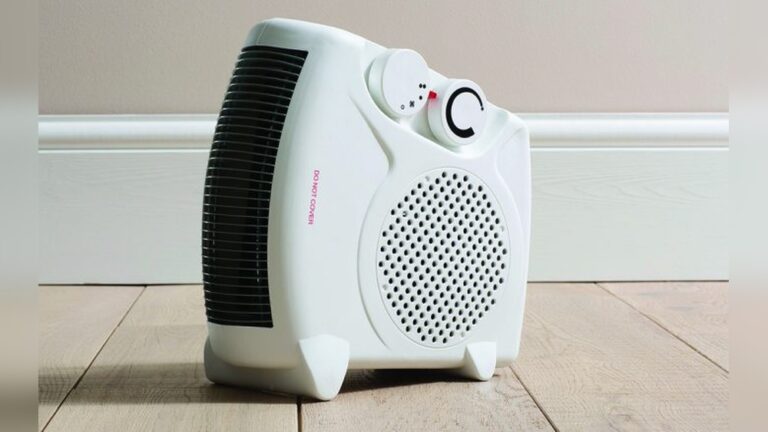
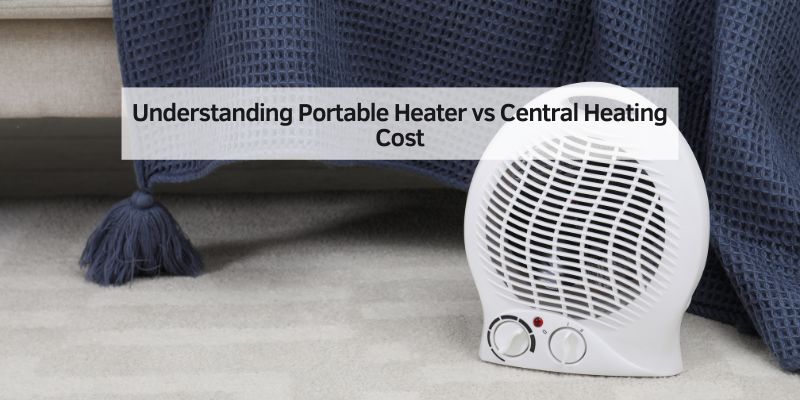
I’ve used portable heaters in my home for years, especially in rooms where I don’t need heat all day. These handy devices come in all shapes and sizes—think ceramic, oil-filled, or infrared models. They plug into a standard outlet and warm up a specific area quickly. I love how I can carry one from my living room to my bedroom without much hassle.
The cost of running a portable heater depends on a few things: the heater’s wattage, how long you run it, and your local electricity rates. Most portable heaters use between 750 and 1,500 watts per hour. In the USA, the average electricity cost is about 16 cents per kilowatt-hour (kWh). So, if I run a 1,500-watt heater for 5 hours a day, here’s how it adds up:
- 1,500 watts = 1.5 kWh per hour
- 1.5 kWh × 5 hours = 7.5 kWh per day
- 7.5 kWh × $0.16 = $1.20 per day
- Over a 30-day month, that’s about $36.
Not bad for heating a single room! But if you’re using multiple heaters or running them longer, those costs can creep up. Upfront, a decent portable heater costs anywhere from $30 to $150, depending on features like timers or oscillation. I’ve found that spending a bit more on an energy-efficient model saves money in the long run.
How Central Heating Works and Its Costs
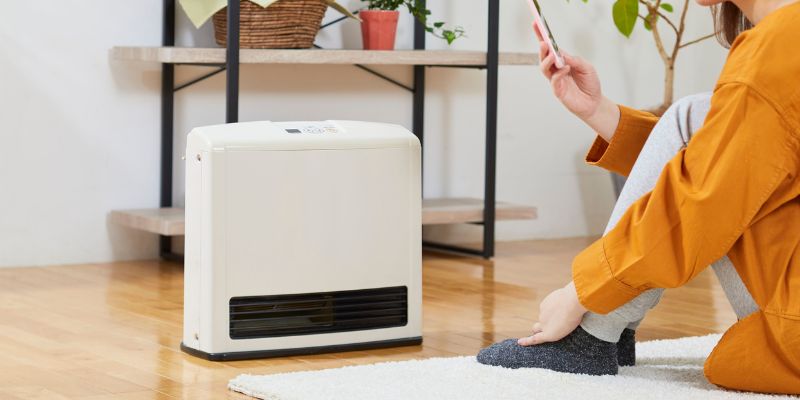
Central heating, on the other hand, is the backbone of most American homes. Whether it’s a gas furnace, electric heat pump, or boiler, it heats your entire house through a network of ducts or radiators. I’ve relied on my gas-powered central heating system for years, and it’s great for keeping every room at a steady temperature.
The cost of central heating depends on your fuel source—natural gas, electricity, or oil—and your home’s size and insulation. For a 2,000-square-foot home, here’s what I’ve seen:
- Natural gas furnace: Natural gas costs about $1.40 per therm in the USA. A typical furnace uses 60–100 therms per month in winter, so you’re looking at $84–$140 monthly.
- Electric heat pump: These use 10–15 kWh per day for a medium-sized home, costing $48–$72 per month at 16 cents per kWh.
- Oil furnace: Oil is pricier, around $3.50 per gallon, and a home might burn 100–150 gallons per month, leading to $350–$525 in costs.
The upfront cost for a central heating system is steep—$3,000 to $7,000 for installation or replacement. Maintenance, like annual tune-ups, adds another $100–$200 yearly. But the convenience of whole-home warmth is hard to beat, especially for larger families.
Comparing Initial Costs: Portable vs Central
When I first weighed portable heater vs central heating cost, the upfront price was a big factor. A portable heater is a low-risk investment. I picked up a reliable ceramic heater for $50, and it was ready to use out of the box. No installation, no fuss. If it breaks, replacing it won’t break the bank either.
Central heating, though, is a different story. Installing a new furnace or heat pump can set you back thousands. If your home already has a system, you’re just dealing with maintenance costs. But for renters or folks in smaller spaces, committing to a central heating overhaul might not even be an option. Here’s a quick comparison:
| Heating Option | Upfront Cost | Installation | Maintenance Cost |
|---|---|---|---|
| Portable Heater | $30–$150 | None | Minimal |
| Central Heating | $3,000–$7,000 | Professional | $100–$200/year |
For me, the low entry cost of a portable heater was a game-changer when I lived in a small apartment. But now, in a larger home, central heating makes more sense for consistent warmth.
Energy Efficiency and Long-Term Savings
Energy efficiency is where things get interesting. Portable heaters are great for zone heating—warming only the rooms you’re using. I’ve saved a ton by turning off my central heating and using a heater in my home office during the day. Studies show that lowering your thermostat by 7–10°F for 8 hours a day can cut heating costs by up to 10%. With a portable heater, you’re only heating a small space, so you’re not wasting energy on empty rooms.
Central heating systems, especially newer models, can be efficient too. A high-efficiency gas furnace with an AFUE (Annual Fuel Utilization Efficiency) rating of 95% or higher uses fuel wisely. Heat pumps are even better in mild climates, with efficiency ratings up to 300%. But if your home is poorly insulated, you’re throwing money out the window no matter what system you use. I learned this the hard way when my old windows let heat escape like nobody’s business.
Over a winter season, here’s how the costs might stack up for a 2,000-square-foot home:
- Portable heater (heating one room, 5 hours/day): $36–$50/month.
- Central heating (gas furnace, whole house): $84–$140/month.
- Central heating (electric heat pump): $48–$72/month.
If you’re strategic with a portable heater, you can slash your bill. But for larger homes or colder climates, central heating often delivers better value for whole-house comfort.
Comfort and Convenience: Which Feels Better?
Cost isn’t everything—comfort matters too. Portable heaters are fantastic for quick warmth. I plug mine in, and within minutes, my living room feels toasty. But they’re not great for large spaces. If I try to heat my entire first floor with one heater, it struggles, and I’m left with cold corners.
Central heating shines for even, whole-home warmth. When I come home after a long day, there’s nothing like walking into a house that’s consistently cozy. No dragging heaters around or tripping over cords. But it’s overkill if I’m just chilling in one room. Plus, older systems can take forever to warm up, and I’ve had to fiddle with thermostats to get the temperature just right.
For small apartments or single-room heating, portable heaters win for convenience. For families or bigger homes, central heating is the way to go.
Safety Considerations for Both Options
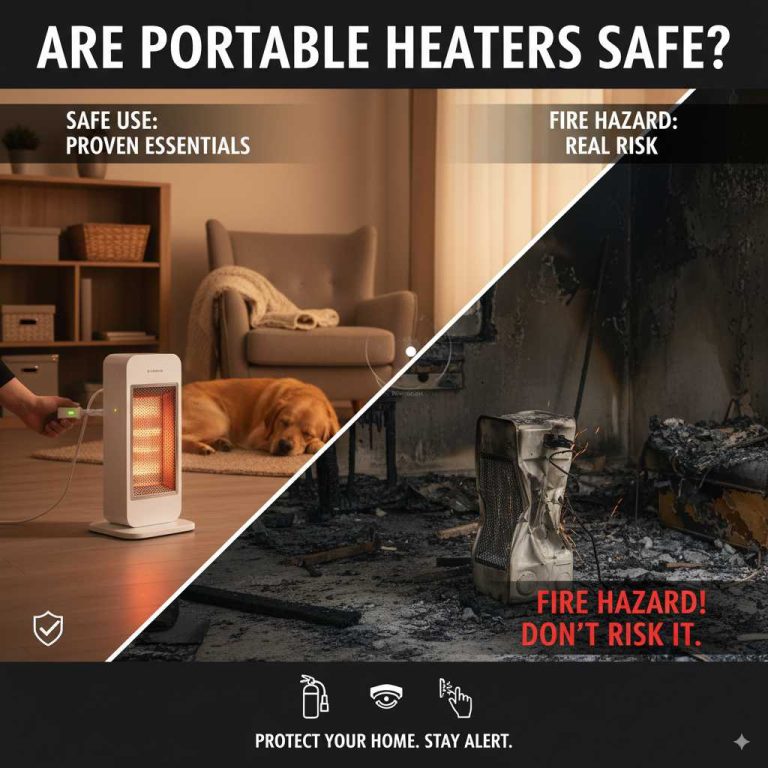
Safety is a big deal, especially with portable heaters. I’ve had a few close calls with older models—tipping over or overheating. Modern heaters come with safety features like tip-over switches and overheat protection, but you still need to be careful. Keep them away from curtains, furniture, or anything flammable. I always make sure my heater is on a flat surface and never leave it running unattended.
Central heating systems are generally safer since they’re built into the home. But they’re not without risks. Gas furnaces can leak carbon monoxide, so I get mine inspected yearly. Electric systems are safer but can still have electrical issues if not maintained. Whichever you choose, regular checks and proper use are key to staying safe.
When to Choose a Portable Heater
After years of trial and error, I’ve found portable heaters are best in specific situations:
- You live in a small apartment or only need to heat one or two rooms.
- You’re renting and can’t modify the heating system.
- You want a quick, affordable way to supplement your central heating.
- Your home has mild winters, so you don’t need constant heat.
For example, when I lived in a studio apartment, a portable heater was my go-to. It kept my space warm without jacking up my electric bill. Even now, I use one in my guest room for visitors instead of cranking up the furnace.
When to Choose Central Heating
Central heating is my pick when:
- You own a larger home or have multiple people living there.
- You live in a cold climate where consistent heat is a must.
- You value even temperatures throughout the house.
- You’re willing to invest in long-term efficiency with a modern system.
In my current home, central heating keeps everyone comfortable, from the kids’ bedrooms to the living room. It’s pricier upfront, but the reliability is worth it for us.
Combining Both for Maximum Savings
Here’s a trick I’ve learned: you don’t have to choose one or the other. Combining portable heaters with central heating can save you a bundle. During the day, I lower my thermostat to 60°F and use a portable heater in my office. At night, I turn up the central heating for whole-house comfort. This hybrid approach keeps my bills manageable while ensuring I’m never shivering.
Environmental Impact of Heating Choices
I care about the planet, so I’ve looked into how these options affect the environment. Portable heaters running on electricity can be eco-friendly if your grid uses renewable energy. But in areas reliant on coal or gas, their carbon footprint adds up. Central heating with a high-efficiency gas furnace or heat pump is often greener, especially if you upgrade to a model with a high AFUE or SEER rating. Insulating your home also cuts energy waste, which is a win for both your wallet and the environment.
Practical Tips to Save on Heating Costs
No matter which option you choose, I’ve picked up some hacks to keep costs down:
- Insulate your home: Add weatherstripping to doors and windows to trap heat.
- Use a programmable thermostat: For central heating, set it to lower temperatures when you’re away or asleep.
- Choose energy-efficient models: Look for portable heaters with Energy Star ratings or high-efficiency furnaces.
- Layer up: Wear sweaters and use blankets to stay warm without cranking the heat.
- Maintain your system: Clean filters and schedule tune-ups to keep everything running smoothly.
These small changes have saved me hundreds over the years, and they’re easy to implement.
My Final Thoughts on Portable Heater vs Central Heating Cost
After years of experimenting with both portable heaters and central heating, I’ve learned there’s no one-size-fits-all answer. If you’re in a small space or on a tight budget, a portable heater is a lifesaver. It’s affordable, flexible, and perfect for zone heating. But for larger homes or colder climates, central heating offers unmatched comfort and efficiency, especially with modern systems. By understanding your needs—room size, climate, and budget—you can make a smart choice. For me, combining both gives the best of both worlds: cozy warmth and a reasonable bill. Whatever you choose, prioritize safety, efficiency, and comfort to make winter a little more bearable.
FAQs
Is a portable heater cheaper to run than central heating?
It depends on how you use it. Heating one room with a portable heater is often cheaper—around $36–$50 a month for 5 hours daily. Central heating costs more, like $84–$140 for a gas furnace, but it heats the whole house. If you only need to warm a small space, a portable heater wins.
Can I use a portable heater to replace central heating entirely?
In small spaces, yes, a portable heater can be enough. But for larger homes, it’s tough to heat every room effectively without central heating. I use portable heaters to supplement, not replace, my furnace.
How can I make my central heating more cost-effective?
Lower your thermostat when you’re not home, insulate your house, and maintain your system regularly. I also use a programmable thermostat to save energy without sacrificing comfort.
Are portable heaters safe to use overnight?
Modern portable heaters with safety features like tip-over switches are safer, but I never leave them on unattended. If you need overnight heat, central heating is a safer bet with proper maintenance.
Which is better for the environment?
Central heating with a high-efficiency heat pump or furnace is usually greener, especially if your electricity comes from renewables. Portable heaters can be eco-friendly too, but only if you use them sparingly and have a clean energy source.