
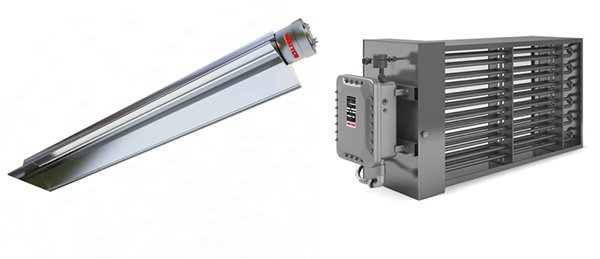
Are you trying to keep your home warm and cozy this winter but unsure whether to choose a radiant or convection gas heater? You’re not alone.
Many homeowners face this decision, weighing the benefits of each type of heater to find the perfect fit. Understanding the differences can save you money and keep your home comfortable. Dive into this article to discover which heater will best suit your needs, ensuring warmth and happiness for you and your loved ones.
Whether it’s the focused heat of radiant heaters or the even warmth of convection heaters, we’ve got the insights you need to make an informed choice. Stay with us, and soon you’ll be confidently selecting the ideal heating solution for your home.

Credit: blog.totalhomesupply.com
Radiant Gas Heaters
Radiant heaterswarm objects directly. They do not heat the air. They use infrared waves to spread warmth. Like the sun warming your skin. The heat is immediate and direct. No waiting for the room to warm. Very effective in small spaces.
Energy efficientand cost-saving. Warmth is concentrated. Not wasted in air. Easy to install. No need for ducts. Silent operation. No moving parts mean less maintenance. A long lifespan is a bonus. Ideal for spot heating.
Best for small areas. Like patios or garages. Perfect for outdoor spaces. Can heat cold floors indoors. Great for warehouses. Also useful for workshops. Effective in drafty places. Not suitable for large rooms.
Convection Gas Heaters
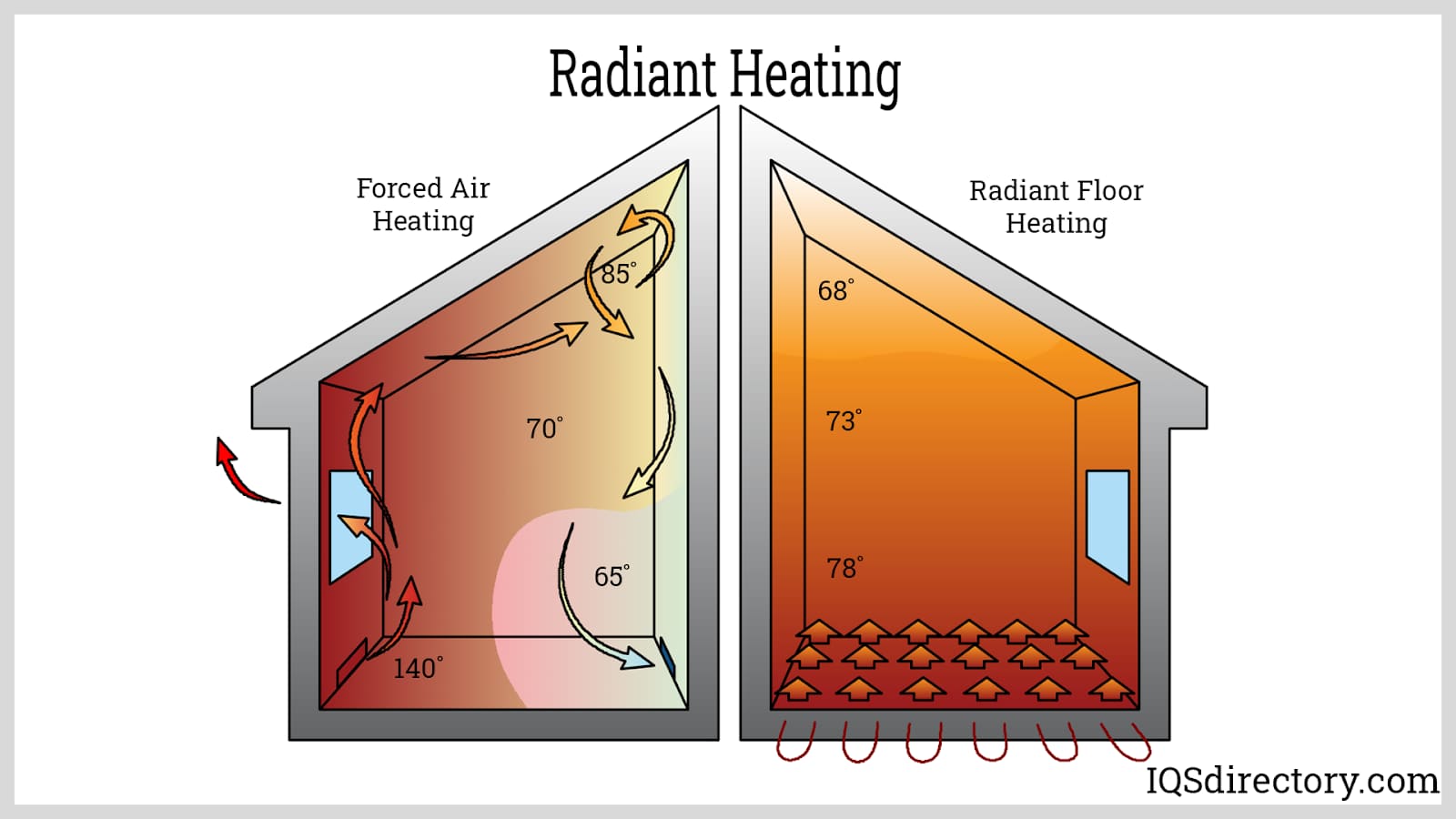
Convection gas heaters warm up the air. Hot air rises and cool air sinks. This creates a circulating loop. The heater blows out warm air. This warms the room evenly. You feel cozy and comfortable. Convection heaters are great for larger spaces. They spread heat evenly across the room.
Convection heaters heat rooms evenly. They are safe and efficient. They do not make much noise. You can sit close without getting burned. Ideal for families with kids. You can adjust the temperature easily. These heaters are good for long hours. They help save energy and money.
Set the heater at a moderate temperature. Not too hot or cold. Use a thermostat to control the heat. Place the heater in a central spot. This helps distribute heat better. Keep doors and windows closed. This keeps the heat inside. Turn off the heater when you leave. This saves energy and keeps you safe.
Energy Efficiency Comparison
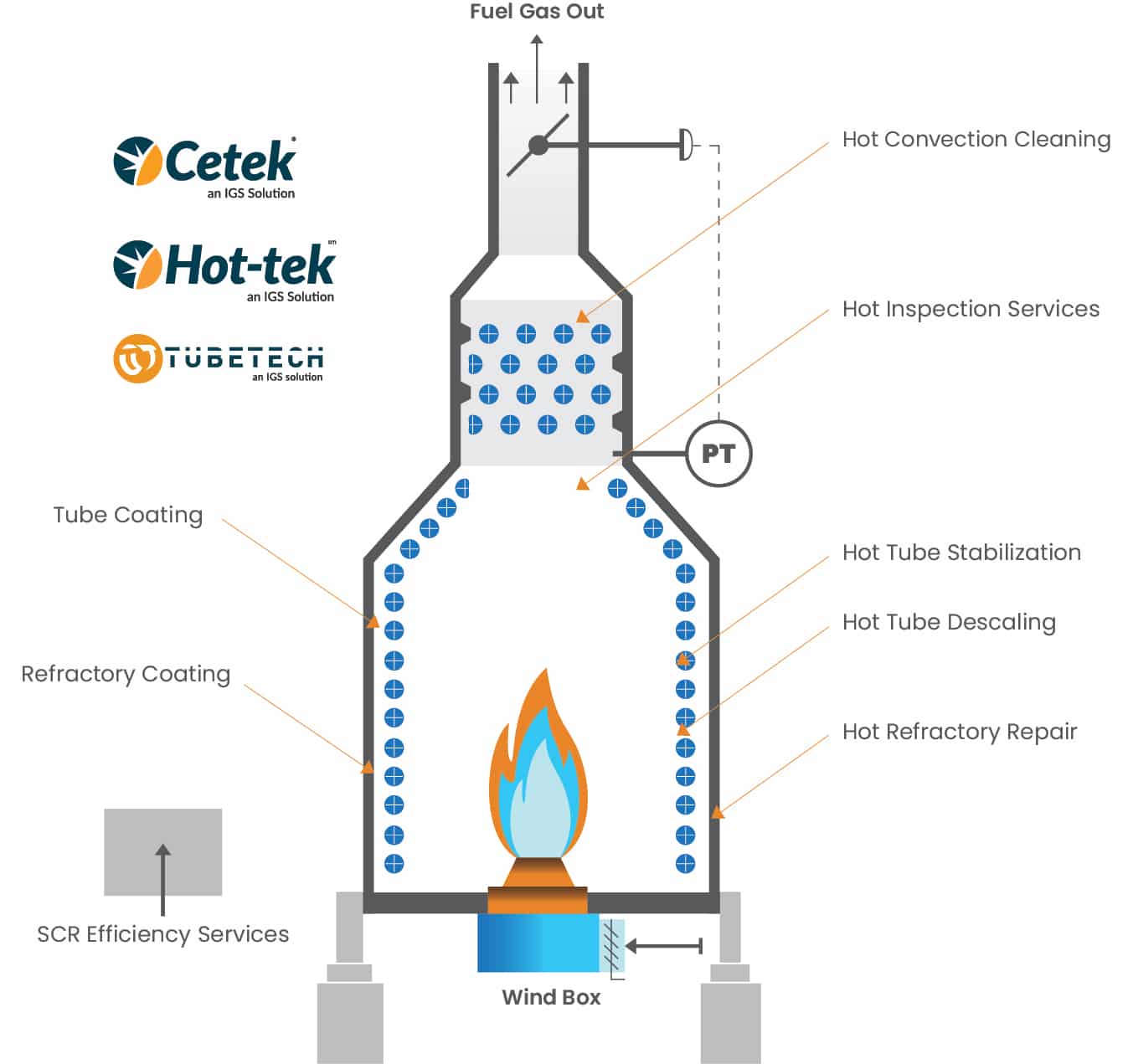
Radiant gas heaters use less fuel. They heat objects directly. Convection heaters warm the air. This takes more energy. Radiant heaters are better for small spaces. They focus heat where needed. Convection heaters spread warmth everywhere. This can waste energy. Fuel usage varies by heater type. Understanding this can save money.
Radiant heaters cost less to run. They are efficient in energy use. Over time, they save more money. Convection heaters can be pricier. They may require more maintenance. Initial costs might be higher too. Radiant heaters offer long-term savings. They are a smart choice for many homes.
Credit: integratedglobal.com
Safety Considerations
Radiant gas heaters focus heat on objects, while convection heaters warm the air. Safety measures include proper ventilation and regular maintenance checks. Always ensure the heater is placed on a stable surface to prevent accidents.
Safety Features In Radiant Heaters
Radiant heaters have safety grills. They prevent burns by keeping hot parts away. Automatic shut-off is common. It stops the heater if it tips over. Cool-touch housing helps avoid burns. Overheat protection is a key feature. It turns off the heater if it gets too hot.
Convection Heaters Safety Measures
Convection heaters often have tip-over switches. These switches shut off the heater if knocked over. Thermal cut-off is important. It cuts power if the heater overheats. Child lock is useful for families. It prevents children from changing settings. Fire-resistant materials are used. This reduces fire risks.
Installation And Maintenance
Radiant heaters need careful placement. Install them on walls or ceilings. Avoid placing near flammable items. Ensure proper ventilation to avoid gas buildup. Hire a professional for safe installation. Check the gas lines and connections. Safety first!
Clean the heater regularly. Dust can block airflow. Inspect the gas lines for leaks. Keep the area around the heater clear. Check the thermostat for accuracy. Make sure all connections are tight. Regular checks keep it safe.
Credit: www.iqsdirectory.com
User Experience And Comfort
Radiant heaters warm up the objects near them. They send direct heat to people and things. The warmth feels like the sun. It’s cozy and nice. Radiant heaters work best for small spaces. They heat fast and save energy. Rooms stay warm even if the air cools. Radiant heat is quiet and steady. People near feel comfortable quickly.
Convection heaters warm the air around them. They spread heat across the room. Air circulates and warms up the space. This makes the whole room feel cozy. Convection heaters are good for large areas. They take a bit longer to heat up. But once warm, the room stays cozy. The warmth is gentle and even. Everyone in the room feels it.
Environmental Impact
Radiant heaters are often seen as more eco-friendly. They heat objects and people directly. This reduces energy waste. Less energy means less harm to the environment. Radiant heaters also produce less air pollution. This is good for our planet. Using them can help lower carbon footprints.
Convection heaters warm the air around them. They use more energy to do this. This can lead to more carbon emissions. Higher emissions mean more harm to the earth. These heaters can also dry out the air. This may impact indoor air quality. Using them may require more energy, which is less eco-friendly.
Frequently Asked Questions
What Are Radiant Gas Heaters?
Radiant gas heaters emit infrared heat, warming objects and people directly. They are efficient and ideal for outdoor use. By focusing heat on specific areas, they minimize energy waste. Radiant heaters are perfect for patios and large spaces. They’re effective in colder climates where direct warmth is needed.
How Do Convection Gas Heaters Work?
Convection gas heaters circulate warm air throughout a room. They heat the air around them, creating a cozy environment. These heaters are ideal for indoor use, distributing heat evenly. Convection heaters are efficient for warming entire rooms. They’re perfect for maintaining consistent temperatures in enclosed spaces.
Which Heater Is More Energy-efficient?
Radiant heaters are generally more energy-efficient for targeted heating. They minimize energy waste by focusing heat directly on objects and people. Convection heaters, however, are efficient for larger spaces. They distribute heat evenly across entire rooms. Your choice depends on your specific heating needs and space size.
Are Radiant Heaters Safe For Indoor Use?
Yes, radiant heaters are safe for indoor use with proper precautions. Ensure adequate ventilation and follow manufacturer guidelines. Keep combustible materials away from the heater. Regular maintenance ensures safety and efficiency. Radiant heaters provide effective warmth when used correctly indoors.
Conclusion
Choosing between radiant and convection gas heaters depends on your needs. Radiant heaters provide direct warmth. Ideal for small spaces. Convection heaters circulate warm air. Best for larger areas. Consider room size and insulation. Think about energy efficiency too. Budget plays a role in decision-making.
Both heaters have unique benefits. Research thoroughly to find the right fit. Comfortable warmth awaits with the right choice. Understanding these differences helps make informed decisions. Stay warm and cozy with your perfect heater.