Are Gas Heaters Bad For Plants Indoor: Dangerous Truth
Gas heaters can be detrimental to indoor plants due to the byproducts of combustion like carbon monoxide, carbon dioxide, ethylene, and especially dry air. While carbon dioxide in small amounts aids growth, high concentrations or other gases, combined with significantly reduced humidity, can stress plants, hinder growth, cause yellowing leaves, and even lead to plant death without proper ventilation and monitoring.
Are you a plant parent who loves to keep your green friends happy, even when the temperature drops outside? It’s a common worry among indoor gardeners: how do our heating choices affect our beloved plants? We all want a warm, cozy home, but sometimes we wonder if our heating methods, especially gas heaters, might be causing more harm than good to our leafy companions. It can feel frustrating trying to balance your comfort with your plants’ well-being, but don’t worry! I’m here to simplify the science and give you practical, easy-to-follow advice. By the end of this article, you’ll know exactly what to look out for and how to keep both your home and your plants thriving.
Understanding Gas Heaters and Their Byproducts
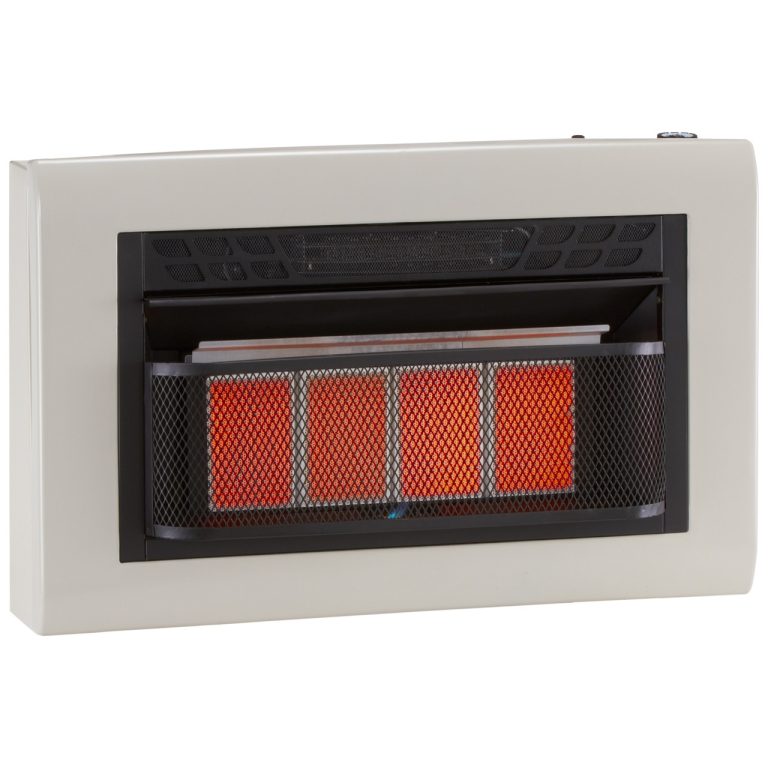
Gas heaters are a popular choice for warming homes. They work by burning natural gas or propane to produce heat. It’s an efficient way to chase away the chill, but like any combustion process, it creates some byproducts. For us humans, proper ventilation is key to safety, and the same goes for your plants. Knowing what your gas heater releases into the air is the first step to understanding its potential impact on your indoor garden.
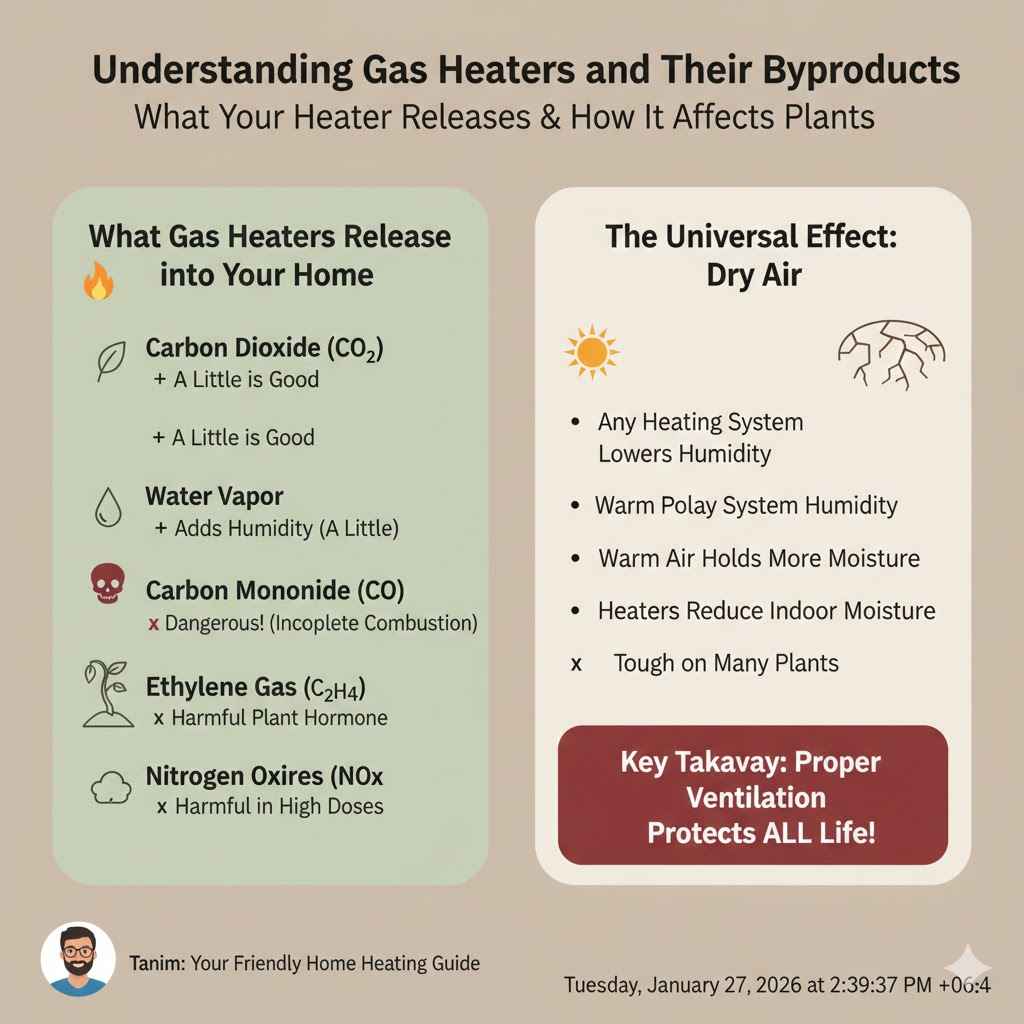
What Gas Heaters Release into Your Home
When natural gas or propane burns cleanly, the primary byproducts are carbon dioxide (CO2) and water vapor. However, combustion is rarely perfectly clean, especially in older or poorly maintained units. This can lead to the release of other gases that are less plant-friendly.
- Carbon Dioxide (CO2): Plants use CO2 for photosynthesis, so a little bit is good! But too much can be problematic.
- Water Vapor: This is generally harmless and can even add a tiny bit of humidity, though usually not enough to counteract the drying effect of heat.
- Carbon Monoxide (CO): This is the dangerous one for both humans and plants. It’s an odorless, colorless gas produced by incomplete combustion.
- Ethylene Gas (C2H4): Another invisible gas, ethylene is a plant hormone that can be released by imperfect combustion and can significantly affect plant growth.
- Nitrogen Oxides (NOx): These can also be produced and, in high concentrations, can be harmful.
Beyond these gases, the most universal effect of any heating system, including gas heaters, is the drying of indoor air. Warm air holds more moisture, but indoor heaters often dry out the air, leading to lower humidity levels which can be tough on many plants.
The Impact of Gas Heater Byproducts on Indoor Plants
Let’s break down how each of these common byproducts might affect your indoor plants. It’s not just about one thing; it’s a combination of factors that can either help or harm your green friends.
Carbon Monoxide (CO) – The Silent Threat
For plants, just like people, carbon monoxide is a serious hazard. While plants don’t breathe in the same way we do, CO can interfere with their cellular respiration processes, which are vital for energy production. Plants exposed to CO may show symptoms like:
- Stunted growth
- Wilting
- Yellowing of leaves, especially newer growth
- Premature leaf drop
- Overall decline in health
Since CO is colorless and odorless, you won’t know it’s there without a detector. This is why having a working carbon monoxide detector is crucial for human safety and indirectly, for your plants too.
Carbon Dioxide (CO2) – A Double-Edged Sword
Plants need CO2 for photosynthesis, the process by which they convert light into energy. In fact, greenhouses sometimes artificially boost CO2 levels to encourage faster, healthier growth. However, there’s a limit. If CO2 levels become excessively high due to poor ventilation combined with gas heater operation, it can interfere with other plant processes. While not as acutely toxic as carbon monoxide, extremely high CO2 might contribute to:
- Distorted growth patterns
- Reduced flowering or fruiting
Generally, for household levels, the primary concern with CO2 from gas heaters is usually less about toxicity and more about whether it displaces oxygen or other vital gases, or contributes to poor air quality overall.
Ethylene Gas (C2H4) – The Aging Accelerator
Ethylene is a natural plant hormone that plays a role in fruit ripening and plant aging. However, when plants are exposed to external sources of ethylene, such as from incomplete combustion, it can cause premature aging and stress. Symptoms of ethylene exposure include:
- Yellowing and dropping of lower leaves
- Stunted growth and distorted stems
- Failure of flower buds to open or premature flower drop
- Abnormal growth, such as elongated stems and smaller leaves
Many plants are sensitive to ethylene, even at low concentrations, making this a significant concern for indoor gardeners using gas heaters without adequate ventilation.
Dry Air – The Most Common Culprit
This is often the biggest villain in the indoor plant world during winter. Gas heaters, like most heating systems, drastically reduce indoor humidity levels. Most tropical houseplants thrive in humidity levels of 50-70%, but heated indoor air can drop humidity to below 30%.
Low humidity leads to:
- Brown, crispy leaf tips and edges
- Drooping or wilting, even when soil is moist
- Slower growth
- Increased susceptibility to pests like spider mites, which thrive in dry conditions
- Less vibrant foliage
This effect is universal to most heating methods, not just gas heaters, but it’s a crucial factor to consider for plant health.
Signs Your Plants Are Suffering from Heater Exposure
Your plants can’t speak, but they definitely show signs when they’re unhappy. Keeping an eye out for these clues can help you identify a problem early and take corrective action.
Visual Cues of Plant Distress
Observe your plants closely, especially those near heat sources or in heated rooms. Look for:
- Yellowing Leaves: This can be a sign of many issues, but if combined with other symptoms and heater use, it points to poor air quality or stress.
- Brown, Crispy Leaf Edges or Tips: A classic sign of low humidity. The plant is losing moisture faster than it can take it up.
- Wilting or Drooping Foliage: If the soil is moist but the leaves are still drooping, it could indicate gas exposure or severe stress.
- Stunted or Abnormal Growth: New leaves might be smaller, misshapen, or fail to develop properly.
- Flower Bud Drop: If your flowering plants drop their buds before opening, or if flowers wilt quickly, ethylene could be a culprit.
- Leaf Drop: Plants may shed leaves, especially older ones, in an attempt to conserve energy or in response to stress.
When to Suspect Gas Heater Issues
If you notice these symptoms appearing or worsening when your gas heater is frequently running, especially without good ventilation, it’s a strong indicator that the heater might be playing a role. If you suspect carbon monoxide, ensure your detectors are working, and open windows immediately to ventilate your home and plants, then investigate the heater.
Preventative Measures and Solutions
Don’t despair! There are many straightforward steps you can take to protect your plants (and yourself) while keeping your home toasty warm. It’s all about creating a balanced environment.
Ensuring Proper Ventilation
This is perhaps the most critical step for mitigating the effects of gas heaters. Good airflow helps disperse harmful gases and replenish oxygen.
- Crack a Window: Even a small crack for 10-15 minutes a few times a day can make a big difference, especially in the room with the heater.
- Use Exhaust Fans: If you have exhaust fans in kitchens or bathrooms, use them periodically to help circulate air.
- Install a CO Detector: Absolutely essential! Place a carbon monoxide detector on every level of your home and near sleeping areas. This protects everyone, plants included.
Managing Humidity Levels
Since dry air is a major problem, boosting humidity is vital for most houseplants.
- Use a Humidifier: This is the most effective solution. A small room humidifier near your plants can make a huge difference.
- Pebble Trays: Place your potted plants on trays filled with pebbles and water. Ensure the pot doesn’t sit directly in the water. As the water evaporates, it creates a microclimate of humidity around the plant.
- Misting: While not a long-term solution, misting can offer temporary relief. Do it early in the day so leaves can dry before nightfall, preventing fungal issues.
- Group Plants Together: Plants release moisture through transpiration. Grouping them creates a tiny humid microclimate.
Strategic Plant Placement
Where you put your plants matters, especially when heat sources are involved.
- Avoid Direct Heat: Never place plants directly in front of a gas heater vent or too close to the unit. The direct blast of hot, dry air is a sure way to damage them.
- Consider Airflow: Place plants where they will benefit from indirect airflow and away from sudden drafts.
Heater Maintenance and Checks
A well-maintained heater is a safer, more efficient heater.
- Regular Servicing: Have your gas heater professionally serviced annually. This ensures it’s burning efficiently and not producing excessive harmful byproducts.
- Check for Leaks: Be aware of any unusual smells, which could indicate a gas leak. If you suspect a leak, turn off the gas and call a professional immediately.
Comparing Heating Methods: Gas vs. Electric Heaters for Plants
While gas heaters have their specific concerns, it’s helpful to understand how they compare to other common heating methods, particularly electric heaters, when it comes to plant health.
| Heating Method | Primary Concern for Plants | Potential Byproducts / Effects | Best Practices for Plant Safety |
|---|---|---|---|
| Gas Heaters | Combustion byproducts (CO, Ethylene) and Dry Air | CO (toxic), Ethylene (aging), high CO2, extremely dry air | Excellent ventilation, CO detector, humidifier, professional maintenance, avoid direct heat |
| Electric Heaters (Fan/Convection) | Dry Air and Direct Heat | No combustion byproducts; very dry air; direct hot airflow can scorch leaves | Humidifier, never place plants in direct hot airflow, keep a safe distance |
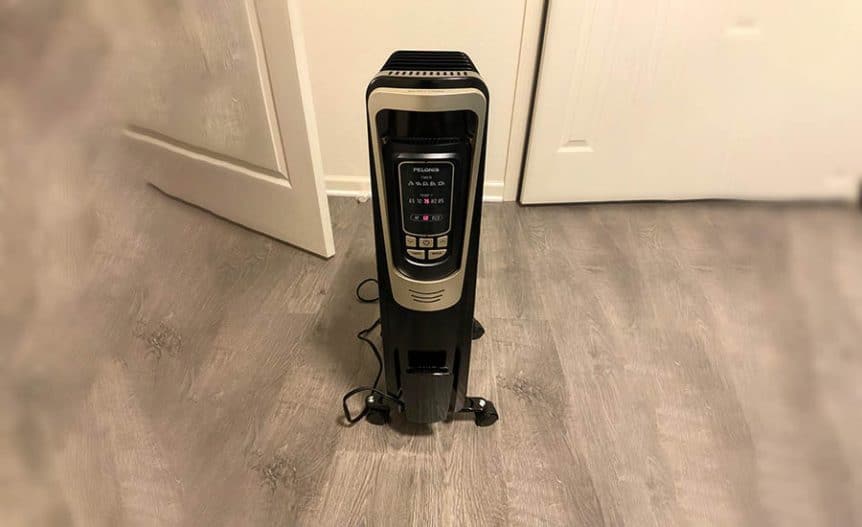
| Electric Heaters (Oil-Filled Radiator) | Dry Air (less intense direct heat) | No combustion byproducts; dry air, but heat is more radiant and less directional | Humidifier, can be placed closer than fan heaters, but still maintain some distance |
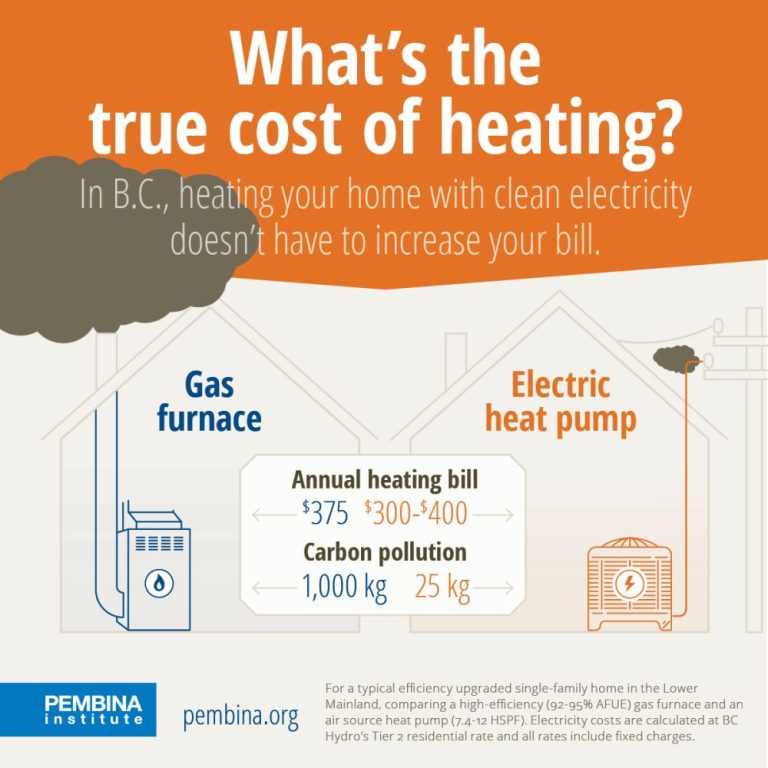
| Central Heating (Furnace) | Dry Air | Often gas-powered (furnace itself has combustion byproducts, but usually vented outside); main indoor effect is dry air circulating | Whole-house humidifier (if possible), individual humidifiers for sensitive plants |
As you can see, while electric heaters don’t produce combustion gases, they still contribute significantly to dry indoor air. The key takeaway is that managing humidity is a universal challenge for indoor plants during the heating season, regardless of your heater type.
Plant Selection: Choose Wisely
Some plants are simply more resilient to varying conditions, while others are quite sensitive. If you frequently use a gas heater, or struggle with humidity, choosing plants that tolerate these conditions can make a big difference.
Hardy Plants for Heated Homes
These plants are generally more forgiving of drier air and less-than-perfect conditions:
- Snake Plant (Sansevieria spp.)
- ZZ Plant (Zamioculcas zamiifolia)
- Pothos (Epipremnum aureum)
- Philodendron (various species)
- Spider Plant (Chlorophytum comosum)
- Cast Iron Plant (Aspidistra elatior)
- Aloe Vera (Aloe barbadensis miller)
Sensitive Plants to Watch Out For
These plants thrive in higher humidity and stable conditions, making them more susceptible to heater-related stress:
- Ferns (e.g., Boston Fern, Maidenhair Fern)
- Calathea and Maranta (Prayer Plants)
- Orchids
- Fiddle Leaf Fig (Ficus lyrata)
- Alocasia
- Peperomia
- Any young seedlings or very delicate plants
For sensitive plants, extra humidity measures are almost always necessary in a heated home. You might consider placing them in a mini-greenhouse or terrarium if conditions are particularly harsh.
Advanced Air Quality Monitoring
Beyond basic carbon monoxide detectors, some homeowners who are serious about their indoor air quality and plant health might consider more advanced monitoring tools. These are not typically necessary for most homes, but can offer peace of mind.
- Air Quality Monitors: These devices can track various pollutants, including CO2 levels, VOCs (Volatile Organic Compounds), and particulate matter. Some even track humidity and temperature. This can give you a more comprehensive picture of your indoor environment.
- Humidity Gauges (Hygrometers): Simple and affordable, a hygrometer tells you the exact humidity percentage in your room, helping you adjust your humidifier or other moisture-boosting efforts effectively. Many home thermometers now include this feature.
Understanding these measurements allows you to make informed decisions about ventilation and humidification. For instance, if your hygrometer consistently reads below 40%, it’s a clear signal to increase your humidity efforts.
The Power of Good Housekeeping for Plant Health
Maintaining a clean and tidy living space also contributes to healthier plants, especially in homes with gas heaters.
- Regular Dusting: Dust on leaves can block stomata (pores for gas exchange) and reduce photosynthesis. Dust also makes plants less efficient at managing their own moisture. Wipe leaves gently with a damp cloth.
- Pest Control: Dry, stressed plants are more susceptible to pests. Regularly inspect your plants for signs of spider mites, mealybugs, or other invaders. Early detection and treatment are key.
- Proper Watering: While dry air might make you think plants need more water, always check the soil before watering. Overwatering can lead to root rot, which is just as damaging as underwatering. The dry air from heaters can cause soil to dry out faster, so you might need to adjust your watering schedule accordingly, but still feel the soil first.
These simple practices go a long way in building robust plants that are better equipped to handle environmental stresses, including those potentially introduced by gas heaters.

Frequently Asked Questions About Gas Heaters and Indoor Plants
- Q1: Can all types of gas heaters harm plants?
- A1: Any gas heater that burns fuel can produce combustion byproducts and dry the air. Vent-free (unvented) gas heaters, which release all combustion products directly into your home, pose a higher risk than vented units, where exhaust gases are directed outside. Proper ventilation and maintenance are key for all types.
- Q2: How quickly can a gas heater affect my plants?
- A2: The effects can range from immediate to gradual. High concentrations of carbon monoxide or ethylene can cause rapid wilting or leaf drop within hours or a few days. Dry air, however, causes stress and browning tips over weeks or months. It depends on the gas concentration and the plant’s sensitivity.
- Q3: Is it safe to place plants near a gas fireplace?
- A3: It’s generally not recommended to place plants very close to a gas fireplace. The direct heat can scorch foliage and dry out the plant extremely quickly. Even if vented, the immediate area around the fireplace will be very dry and experience significant temperature fluctuations, which most plants dislike. Maintain a safe distance, often several feet.
- Q4: Do gas heaters also make the air too hot for plants?
- A4: Yes, direct blasts of hot air from a heater vent can literally cook or scorch plant leaves, leading to irreversible damage. Even indirect excessive heat can stress plants, especially those that prefer cooler environments. It’s crucial to keep plants out of the direct path of hot air flow and maintain a comfortable room temperature (typically 65-75°F or 18-24°C) for most houseplants.
- Q5: Can air purifiers help protect plants from gas heater emissions?
- A5: Most standard air purifiers are designed to remove particulate matter (dust, pollen) and some volatile organic compounds (VOCs), but they are generally ineffective at removing harmful gases like carbon monoxide or ethylene. For gas protection, a CO detector and proper ventilation are essential. Air purifiers can improve overall air quality, which indirectly benefits plants by reducing other stressors.
- Q6: What plants are best for absorbing gas impurities?
- A6: While plants are known for their air-purifying qualities (like removing formaldehyde or benzene), their ability to significantly absorb harmful gases like carbon monoxide or ethylene at dangerous levels is very limited and not a reliable safety measure. Never rely on plants to purify air from gas heater emissions. Always prioritize ventilation and CO detectors.
Conclusion: Happy Plants, Cozy Home
So, are gas heaters bad for indoor plants? The truth is, they can be, but often their negative effects are manageable. It’s not a sentence of doom for your leafy friends, but a call for awareness and proactive care. The main culprits are the potential release of invisible, harmful gases like carbon monoxide and ethylene (especially from unvented or poorly maintained units) and, most commonly, the drastic reduction in indoor humidity. With a little understanding and some easy steps, you can create a safe, warm, and thriving environment for both your family and your cherished plants.
By prioritizing proper ventilation, investing in a reliable carbon monoxide detector, and actively managing humidity levels, you’re not just protecting your plants; you’re creating a healthier home for everyone. Remember, your plants are resilient, and with your attentive care, they’ll continue to bring life and beauty to your cozy, heated home all winter long. Stay warm, and keep growing!