Central Heat Vs Space Heater: Which Wins?
Last winter, I was curled up in my chilly Minnesota living room, wondering why my gas bill was through the roof. I tried a space heater in my bedroom, and wow—what a difference! That got me thinking about central heat vs space heater and which one really saves money and keeps you cozy. In this guide, I’ll break it down for you with simple tips, real examples, and cost-saving ideas. Whether you’re a beginner or a heating pro, you’ll learn how to pick the best option for your home, avoid common mistakes, and stay warm without breaking the bank. Let’s dive in!
What Is Central Heat vs Space Heater?
Central heating warms your whole house through a system like a furnace or heat pump. It sends heat through ducts or pipes to every room. Space heaters, on the other hand, are portable devices that heat one small area, like a bedroom or office. They’re usually electric but can use propane or oil too.
Why does this matter? Choosing between them affects your comfort, energy bill, and safety. Central heat is great for big homes, while space heaters shine in small spaces. I once used a space heater to warm my drafty apartment—it was a game-changer!
Comparing Central Heat and Space Heaters
Let’s look at how these two stack up. I’ve used both in my home, and each has its perks and pitfalls. Here’s a simple breakdown to help you decide.
How Central Heating Works
Central heating uses a furnace, heat pump, or boiler to warm your entire home. It pushes warm air or water through ducts or radiators. Most systems run on natural gas, electricity, or oil. A thermostat controls the temperature, so your whole house stays cozy.
- Pros: Heats every room evenly, great for large homes, low maintenance with regular checks.
- Cons: High upfront costs, can be pricey to run, heats unused rooms.
How Space Heaters Work
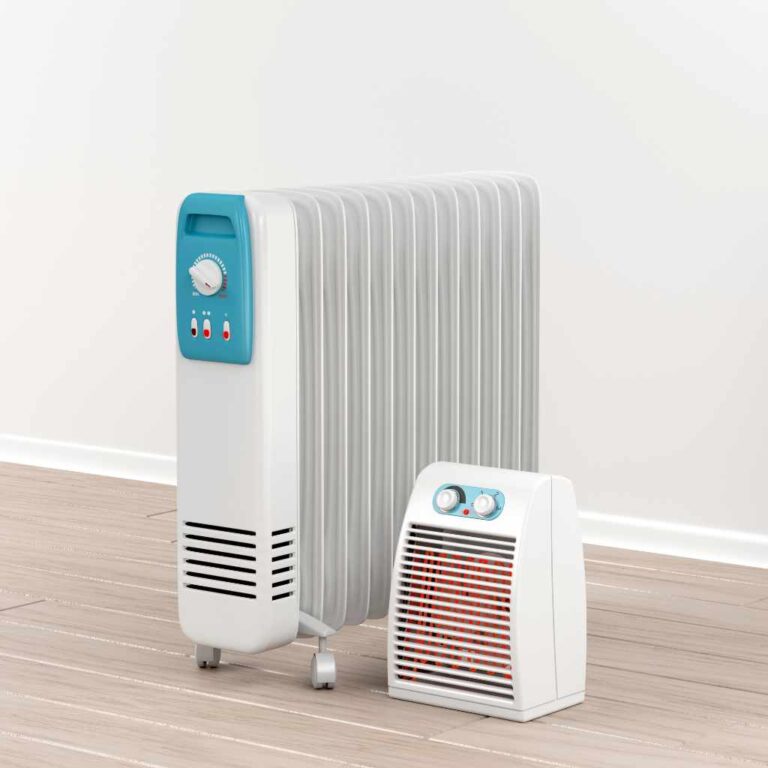
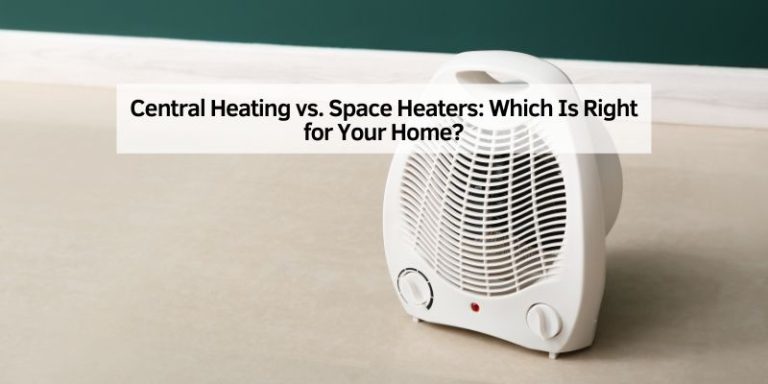
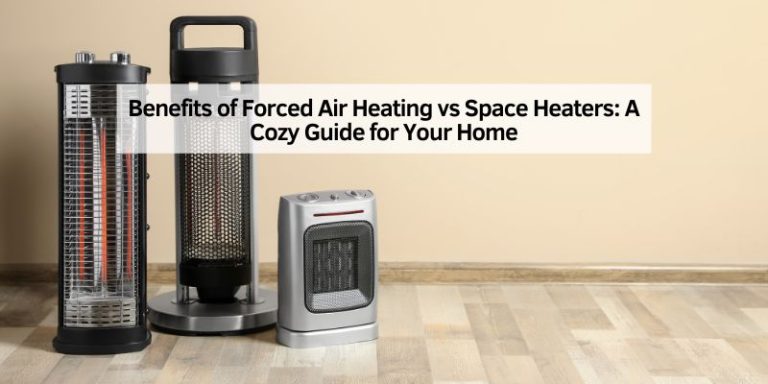
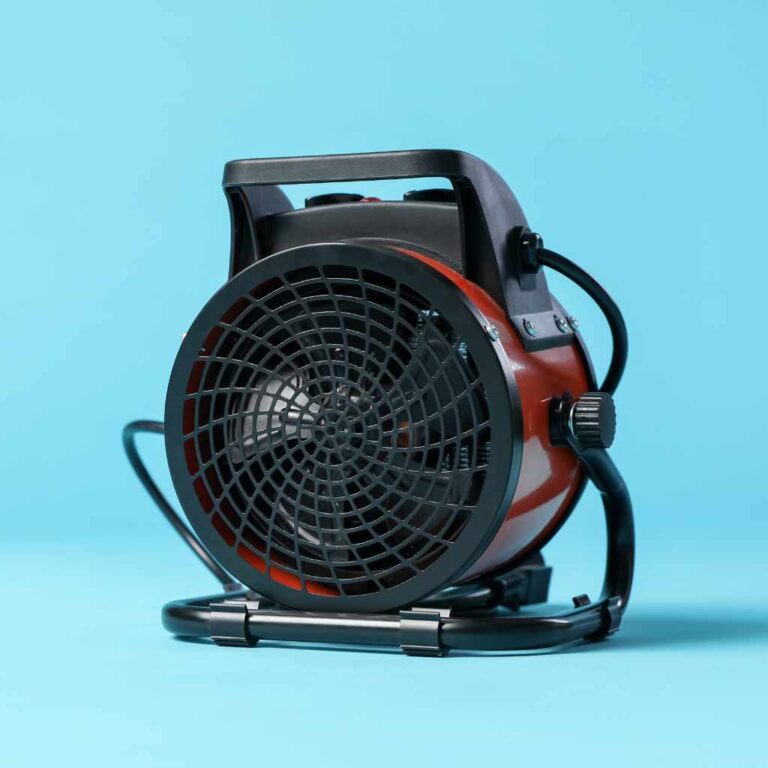
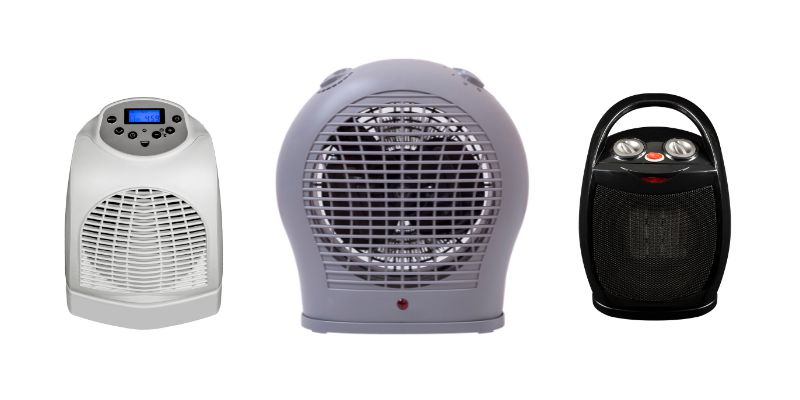
Space heaters are small, portable units that heat one area. They come in types like ceramic, radiant, or oil-filled. You plug them in or fuel them with propane. They’re perfect for spot heating, like warming your office while you work.
- Pros: Cheap to buy, heats small spaces fast, easy to move.
- Cons: Not ideal for big areas, can be a fire hazard if misused, higher electricity costs for multiple units.
A Real-Life Example
Last year, I lived in a 600-square-foot apartment. My central heat was electric, and my bill was crazy—$150 a month! I switched to a 1500-watt ceramic space heater in my living room, keeping the thermostat at 55°F. My bill dropped to $80. But when I tried heating two rooms with space heaters, costs climbed back up. Lesson learned: space heaters are best for one room!

Cost Comparison: Which Saves More?
Costs depend on your home size, fuel type, and usage. Let’s break it down with some numbers. According to the U.S. Energy Information Administration, heating accounts for about 50% of your energy bill. Here’s how central heat and space heaters compare.
Table 1: Monthly Heating Costs
| Heating Type | Monthly Cost | Best For |
|---|---|---|
| Gas Furnace | $50–$120 | Whole house |
| Electric Furnace | $100–$180 | Small homes |
| Heat Pump | $30–$150 | Mild climates |
| Space Heater (1) | $50–$80 | One room |
| Space Heater (3) | $150–$240 | Not ideal |
| Caption: Costs vary by fuel prices and home size. Data from Energy Star. |
How to Calculate Your Costs
Want to know what’s cheaper for you? Try this simple trick I use:
- Check your electric meter before and after using a space heater for 24 hours.
- Subtract the readings to find kilowatt-hours (kWh) used.
- Multiply kWh by your electric rate (e.g., $0.20/kWh).
- Compare to your central heating bill.
For example, my 1500-watt heater used 36 kWh over 24 hours. At $0.20/kWh, that’s $7.20/day or $216/month. My gas furnace was only $100/month for my small home, so central heat won.
Benefits and Drawbacks
Both systems have upsides and downsides. Here’s what I’ve learned from years of trial and error.
Central Heating Benefits
- Even Heat: Keeps every room comfy, no cold spots.
- Efficient for Big Homes: Cheaper than multiple space heaters.
- Safer: Professionally installed systems are less risky.
Central Heating Drawbacks
- High Costs: Furnaces cost $2,000–$7,000 to install.
- Wastes Heat: Heats empty rooms if you don’t zone.
- Maintenance: Needs yearly tune-ups (about $100).
Space Heater Benefits
- Low Upfront Cost: Good units cost $30–$150.
- Portable: Move it where you need heat.
- Quick Heat: Warms a room in minutes.
Space Heater Drawbacks
- Safety Risks: Over 40% of home heating fires are from space heaters (NFPA).
- Limited Range: Struggles in large or drafty rooms.
- High Electric Costs: Multiple units get pricey fast.
Visual Idea: A diagram showing a house with central heat ducts vs. a single room with a space heater’s heat radius would make this clear. Another idea: a chart comparing energy use for a 1500-watt heater vs. a gas furnace.
Safety Tips for Space Heaters
Space heaters can be risky if you’re not careful. My first space heater was a cheap model that got so hot, I worried it’d start a fire! Here are my top safety tips:
- Keep It Clear: Place heaters 3 feet from curtains, furniture, or bedding.
- Plug Directly: Use a wall outlet, not an extension cord.
- Turn It Off: Never leave a heater on unattended or overnight.
- Choose Safe Models: Look for tip-over shutoff and overheat protection.
For central heating, schedule a yearly furnace check to avoid carbon monoxide leaks. I learned this the hard way when my old furnace needed a $200 repair to stay safe.
Energy Efficiency Tips
Saving energy saves money! Here are my favorite tricks:
- For Central Heat: Lower the thermostat to 60°F when you’re away. Use a programmable thermostat to save 10% on bills (Energy Star).
- For Space Heaters: Use radiant or infrared models for spot heating—they’re more efficient. Turn off when you leave the room.
- Insulate: Add window film or draft stoppers to keep heat in. I saved $20 a month by sealing my windows!
Table 2: Energy Efficiency Comparison
| Feature | Central Heat | Space Heater |
|---|---|---|
| Best for Large Homes | Yes | No |
| Best for Small Rooms | No | Yes |
| Energy Efficiency | High (gas) | High (radiant) |
| Installation Cost | High | Low |
| Caption: Choose based on your home size and heating needs. Data from DOE. |
Common Mistakes to Avoid
I’ve made plenty of heating blunders. Don’t repeat these!
- Using Multiple Space Heaters: One heater in my bedroom was great, but adding two more spiked my bill.
- Ignoring Maintenance: Skipping furnace tune-ups led to a costly repair for me.
- Overheating: Setting the thermostat to 75°F wastes energy. Try 68°F—it’s cozy enough.
My Personal Heating Tips
After years of tinkering with heaters, here’s what works:
- Zone Heating: Use a space heater in your main room and keep central heat low (55°F) to avoid frozen pipes.
- Layer Up: A sweater and socks let you lower the thermostat a few degrees.
- Check Insulation: My drafty apartment was a heat thief until I added door sweeps.
Visual Idea: A simple infographic showing how heat escapes (windows, doors) vs. how insulation traps it would help beginners visualize savings.
When to Choose Which
Here’s a quick guide:
- Choose Central Heat: For large homes, cold climates, or consistent whole-house warmth.
- Choose Space Heaters: For small apartments, single rooms, or mild winters.
- Combine Both: Use central heat at a low setting (55°F) and a space heater for your main room. This saved me $50 a month in my old condo!
Table 3: Best Scenarios for Each
| Scenario | Best Choice |
|---|---|
| 600 sq ft apartment | Space Heater |
| 2000 sq ft house | Central Heat |
| Work-from-home office | Space Heater |
| Freezing winter (-10°F) | Central Heat |
| Caption: Match your heater to your home and lifestyle. |
Frequently Asked Questions
What’s Cheaper: Central Heat or Space Heater?
Space heaters are cheaper for one room, costing $50–$80/month. Central heat costs $50–$200/month but is better for whole homes. Check your electric rate and home size to decide.
Are Space Heaters Safe to Use?
Yes, if used correctly. Keep them 3 feet from flammable items, use tip-over shutoff models, and never leave them on unattended. Central heat is safer with proper maintenance.
Can I Use Both Central Heat and Space Heaters?
Yes! Set central heat to 55°F to prevent frozen pipes and use a space heater in your main room. This combo saves money in small homes.
Which Space Heater Is Most Efficient?
Radiant or infrared heaters are best for spot heating, using less energy than fan-forced models. Look for energy-saving features like thermostats or timers.
How Do I Lower My Heating Bill?
Insulate windows, use a programmable thermostat, and lower central heat to 60°F when away. For space heaters, turn them off when you leave the room.
What’s Better for a Small Apartment?
Space heaters are ideal for apartments under 1000 sq ft. They’re cheaper to buy and run for one or two rooms compared to central heat.
Do Space Heaters Use a Lot of Electricity?
A 1500-watt space heater costs about $0.20/hour at $0.13/kWh. Running it 8 hours/day costs $50/month. Multiple heaters can match or exceed central heat costs.
Conclusion
Choosing between central heat vs space heater depends on your home, budget, and comfort needs. Central heat keeps big homes cozy, while space heaters are perfect for small spaces or spot heating. Try my trick: use a space heater in your main room and keep central heat low to save cash. Test your costs with a meter reading, and always prioritize safety. Got a heating tip that works for you? Share it in the comments or try a space heater in your office this winter. Stay warm and save some bucks—it’s a win-win!