Choosing Between 80k and 90k Gas Heaters: My Journey to Find the Best Fit
Hey there! If you’re trying to decide between an 80k BTU and a 90k BTU gas heater, you’re in the right place. I’ve been down this road, researching and comparing these heaters for my own home. It’s a big decision, and I want to share what I’ve learned to help you pick the right one. Let’s dive into the details of gas heaters, their efficiency, and how to choose the best option for your space.
Understanding BTU and Why It Matters
Let me start with the basics. BTU stands for British Thermal Unit. It’s a way to measure how much heat a gas heater can produce. An 80k BTU heater generates 80,000 BTUs per hour, while a 90k BTU heater pumps out 90,000 BTUs. Sounds simple, right? But there’s more to it.
The BTU rating tells you how much heat the heater can deliver to your home. If your space is small, an 80k BTU heater might be enough. For larger homes or colder climates, a 90k BTU heater could be the better choice. I learned this the hard way when my old heater couldn’t keep up with a chilly winter in my 2,500-square-foot house.
Choosing the right BTU depends on your home’s size, insulation, and climate. A heater that’s too small won’t keep you warm. One that’s too big wastes energy and money. I’ll break this down further, but first, let’s talk about efficiency.
Efficiency: The Heart of Gas Heaters
When I was shopping for a heater, efficiency was a big deal. Efficiency tells you how much of the fuel a heater turns into actual heat. It’s measured as a percentage, called AFUE (Annual Fuel Utilization Efficiency). An 80% AFUE heater converts 80% of the fuel into heat, while 20% is lost. A 92% AFUE heater is more efficient, losing only 8%.
Here’s what I noticed. An 80k BTU heater with 80% efficiency delivers about 64,000 BTUs of usable heat. A 90k BTU heater with the same efficiency delivers 72,000 BTUs. But many 80k BTU heaters now come with higher efficiency, like 92% AFUE, giving you around 73,600 BTUs of usable heat. That’s close to a less efficient 90k BTU heater!
Higher efficiency means lower heating costs. In my case, switching to a high-efficiency model saved me about $100 a year on gas bills. But there’s a catch. High-efficiency heaters cost more upfront. I had to weigh whether the savings were worth it.
Comparing Costs: Upfront and Long-Term
Let’s talk money. When I was choosing between an 80k BTU and a 90k BTU gas heater, the price difference stood out. An 80k BTU heater with 80% efficiency might cost around $2,800 installed. A 90k BTU model with the same efficiency was about $3,000. But a high-efficiency 80k BTU heater (say, 92% AFUE) could run $3,600 or more.
Here’s a table to make this clearer:
| Heater Type | BTU Output | Efficiency | Approx. Cost | Usable Heat (BTUs) | Annual Gas Savings |
|---|---|---|---|---|---|
| 80k BTU, 80% AFUE | 80,000 | 80% | $2,800 | 64,000 | Baseline |
| 80k BTU, 92% AFUE | 80,000 | 92% | $3,600 | 73,600 | ~$100–$150 |
| 90k BTU, 80% AFUE | 90,000 | 80% | $3,000 | 72,000 | ~$50–$100 |
| 90k BTU, 92% AFUE | 90,000 | 92% | $4,000 | 82,800 | ~$150–$200 |
The upfront cost is just part of the story. A high-efficiency heater saves money over time. In my 2,500-square-foot home, the 92% AFUE model cut my heating costs significantly. If you live in a colder area, like Minnesota, the savings add up faster. But in milder climates, like Southern California, the difference might not justify the extra cost.
Sizing Your Heater to Your Home
One mistake I almost made was picking a heater based on its BTU alone. Big mistake! Your home’s size, insulation, and climate matter just as much. A 90k BTU heater sounds powerful, but if your home doesn’t need that much heat, you’re wasting money.
Here’s how I figured out what I needed. I measured my home’s square footage (2,500 sq. ft.) and considered my climate (cold winters, about 0°F at times). I also checked my insulation—my house has decent insulation but big windows that lose heat. A quick rule of thumb is 30–40 BTUs per square foot for well-insulated homes in cold climates. For my house, that’s about 75,000–100,000 BTUs.
An 80k BTU heater with 92% efficiency was perfect for me. It delivered enough heat without overdoing it. A 90k BTU heater might have been too much, causing short cycling (turning on and off too often), which wastes energy and wears out the system.
If your home is smaller, say 1,500 square feet, an 80k BTU heater is likely enough. For larger homes or poorly insulated ones, a 90k BTU model might be better. Talk to a professional to do a Manual J calculation—it’s a fancy way to size your heater exactly right.
Installation and Maintenance: What to Expect
Installing a gas heater isn’t a DIY job. Trust me, I thought about it, but it’s complicated. A professional installer ensures everything is safe and up to code. For an 80k BTU heater, installation took about a day and cost around $1,000 in my area. A 90k BTU heater was similar, but high-efficiency models needed extra work, like adding a condensation drain.
High-efficiency heaters (like 92% AFUE) produce water as a byproduct. This means extra piping to drain the condensation. It’s not a big deal, but it adds to the cost. I had to budget an extra $200 for this.
Maintenance is another factor. I learned that gas heaters need yearly checkups to stay safe and efficient. This costs about $100–$150. High-efficiency models need a bit more care to keep the condensation system clear. But honestly, it’s worth it to avoid breakdowns in the middle of winter.
Comfort and Performance: Does It Feel Different?
One installer told me a high-efficiency 80k BTU heater would feel “warmer” than an 80% AFUE 90k BTU model. I was skeptical. A BTU is a BTU, right? But there’s some truth to it. High-efficiency heaters often have better airflow and more consistent heat. My new 92% AFUE heater keeps my home cozy without the hot-and-cold swings I had with my old unit.
A 90k BTU heater might feel more powerful in a big space, but if it’s oversized, it can make rooms too warm before the thermostat catches up. I noticed my friend’s oversized 90k BTU heater did this in his 2,000-square-foot home. It was like a sauna in some rooms!
Climate and Location: Where You Live Matters
Where you live plays a huge role. In colder states like Michigan or New York, a 90k BTU heater might be worth the investment, especially if it’s high-efficiency. You’ll use it a lot, so the heating costs savings add up. In warmer areas like Florida or Texas, an 80k BTU heater is usually enough, and you might not need top-tier efficiency.
I live in a colder area, so I leaned toward a high-efficiency 80k BTU model. It’s been perfect for my needs. If you’re in a mild climate, you might save money with a standard 80% AFUE heater.
Safety Considerations
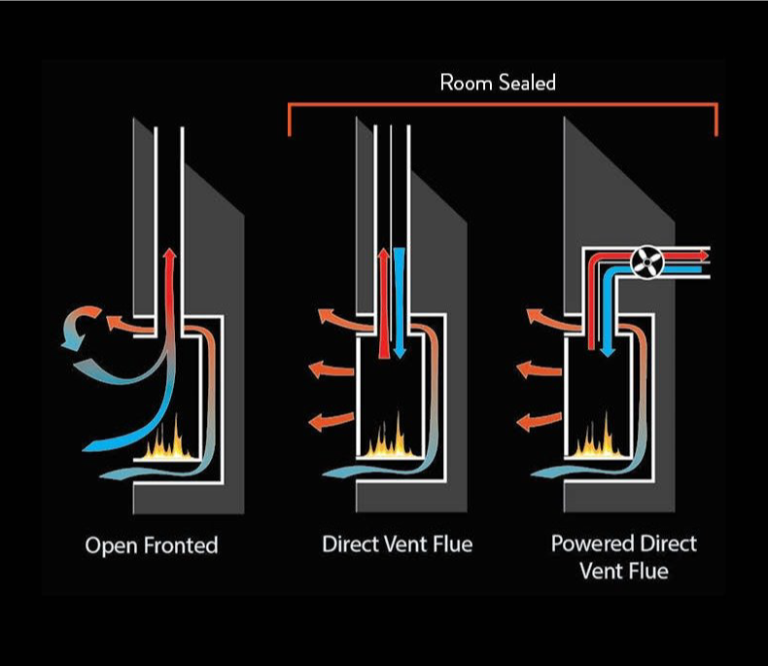
Safety was a big concern for me. My old heater had a carbon monoxide issue, which scared me. Modern gas heaters are much safer, with built-in sensors to detect problems. High-efficiency models are sealed, so they don’t pull air from your home, reducing risks.
Still, you need a carbon monoxide detector. I got one for $30, and it gives me peace of mind. Regular maintenance also keeps things safe. Don’t skip it!
My Final Thoughts
After all my research, I went with an 80k BTU, 92% AFUE gas heater. It’s efficient, keeps my home warm, and saves me money on heating costs. A 90k BTU heater might work for you if you have a larger or less insulated home. The key is to match the heater to your needs. Get a professional to size it right, and don’t skimp on maintenance.
Choosing a heater felt overwhelming at first, but breaking it down made it easier. I hope my experience helps you make the right choice. Stay warm out there!
Frequently Asked Questions
What’s the main difference between 80k and 90k BTU gas heaters?
The main difference is the heat output. An 80k BTU heater produces 80,000 BTUs per hour, while a 90k BTU heater produces 90,000. The right choice depends on your home’s size and climate.
Is a high-efficiency gas heater worth the extra cost?
Yes, if you live in a cold climate. A 92% AFUE heater saves on heating costs over time, but in mild areas, an 80% AFUE model might be enough.
How do I know if my home needs an 80k or 90k BTU heater?
Measure your home’s square footage and consider your climate. A professional can do a Manual J calculation to find the perfect size.
Are high-efficiency gas heaters harder to maintain?
They need a bit more care because of the condensation drain. But regular maintenance (about $100–$150 a year) keeps them running smoothly.
Can an oversized heater cause problems?
Yes, an oversized heater, like a 90k BTU in a small home, can short cycle. This wastes energy and wears out the system faster.