Is the Plastic on Heaters Heat Resistant in 2026? Buyer’s Guide
Understanding Heat Resistance In Heater Plastics
If you’ve ever touched a heater or its casing, you know plastic parts can get warm. It’s natural to wonder if the plastic used on heaters can handle the heat without melting or warping. This question comes up often because plastic’s heat resistance varies widely depending on its type and design.
Choosing a heater with the right heat-resistant plastic can be tricky. Some plastics handle heat well but might be more expensive or less durable in other ways. Others might be cheaper but risk damage if exposed to high temperatures for long periods. Balancing these factors can feel confusing when shopping for heaters or heat shields.
This article will help you understand what heat resistance means for plastics used on heaters and related products. It will guide you in recognizing key features that matter for safety and durability without getting lost in technical details.
What Matters Most When Considering Heat Resistance
When looking at heaters or heat barriers, the focus isn’t just on how hot the plastic gets but how it handles that heat over time. Heat-resistant materials should protect internal parts and surrounding areas from damage. They also add safety by preventing burns or fires.
Keep in mind that heat resistance isn’t only about the plastic itself but also about the entire design, including insulation layers and surface coatings. Products that reflect heat or have special barriers can reduce the temperature that plastic components face, extending their lifespan and safety.
Common Misunderstandings
One common mistake is assuming all plastics on heaters are the same. In reality, plastics vary widely in their heat tolerance. Another is thinking that if a heater feels hot, the plastic is unsafe. Often, plastics are chosen to endure the typical heat levels produced during normal use.
Also, people sometimes overlook that heat shields or mats can protect plastic parts from excessive heat, allowing for safer operation even near very hot areas.
Understanding these points helps avoid unnecessary worry or costly mistakes when selecting heater products.
Now that you know what to look for regarding heat resistance in heater plastics, the following product selections focus on different approaches to managing heat safely. Each item suits various needs and environments, helping you find the right fit without overcomplicating the choice.
Flasld Aluminized Heat Shield Mat
Is the Plastic on Heaters Heat Resistant? This heat shield mat helps protect plastic and other materials from extreme heat by reflecting up to 95% of radiant heat.
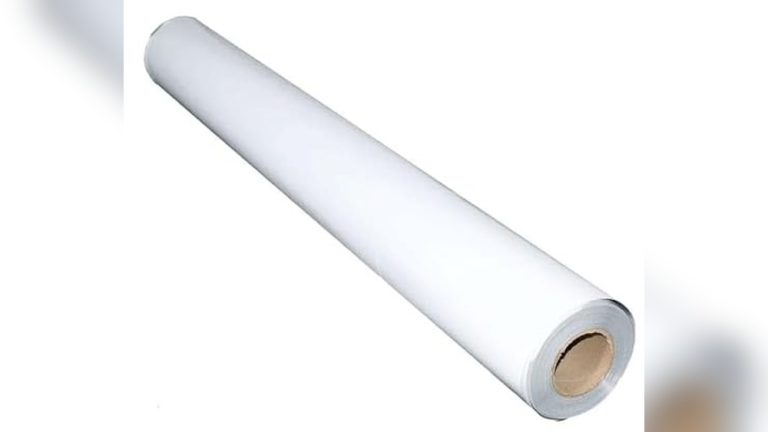
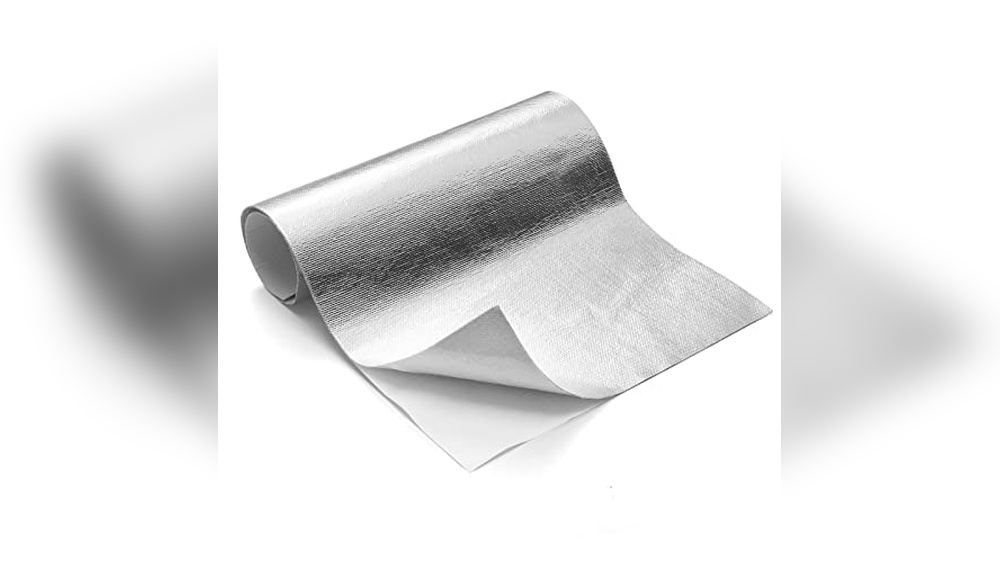
The FLASLD Aluminized Heat Shield Mat is designed to protect surfaces from extreme heat with its reflective aluminized finish and durable woven silica fiberglass. It can withstand temperatures above 2000 degrees Fahrenheit, making it suitable for areas near heaters where plastic components need heat resistance.
Using this heat shield mat is straightforward thanks to its adhesive backing, which allows easy installation on various surfaces. It provides peace of mind by maintaining a lower temperature on the protected side, helping prevent damage and prolonging the life of heat-sensitive parts.
Key Benefits of This Heat Shield Mat
- Reflects up to 95% of radiant heat to protect plastic and other materials
- Withstands extreme temperatures above 2000°F for reliable heat resistance
- Adhesive backing allows quick and neat installation without extra tools
- Flexible and durable fiberglass construction adapts to different shapes
- Available in multiple sizes to fit various project needs
- Can be trimmed to custom shapes for precise application
- Multi-purpose use for automotive and home heat protection
Considerations Before Buying
- Thickness of 0.032″ may not suit all heavy-duty insulation needs
- Adhesive backing might not adhere well on very rough or oily surfaces
- May require trimming for perfect fit, adding a small preparation step
When This Product Works Best
This heat shield mat is ideal for anyone needing to protect plastic or painted surfaces near heaters or exhaust components. It removes the guesswork about heat resistance by providing a tested reflective barrier that reduces heat exposure significantly.
To get the best results, clean the surface thoroughly before applying the adhesive backing to ensure a secure fit. This product offers reliable protection that can reduce heat-related damage and extend the life of sensitive materials.
If you prefer a straightforward, no-fuss heat shield that you can install yourself, this mat fits the bill and provides peace of mind when working around high temperatures.
| Best for | Why |
|---|---|
| Protecting plastic parts near heaters | Reflects heat to prevent melting or warping of plastics |
| Automotive exhaust heat shielding | Withstands extreme heat and fits various vehicle parts |
| Home appliance heat protection | Safe for use near ovens, refrigerators, and cabinets |
| Custom heat barrier projects | Easy to trim and shape for tailored applications |
Comfort Zone Cz35e Portable Heater
Is the plastic on heaters heat resistant? This model features heat resistant housing for safe and reliable indoor heating.
The Comfort Zone CZ35E is a compact, fan-forced electric heater designed to warm small indoor spaces efficiently. It comes with adjustable thermostat controls and a built-in overheat sensor, ensuring controlled and safe heating. Its heat resistant housing gives extra protection, answering concerns about plastic parts being exposed to heat.
Using this heater is straightforward and reassuring. The tip-over switch and cool-to-touch body provide peace of mind during operation. Its portability and quick heating make it a practical choice for bedrooms, offices, or small living areas where consistent warmth is needed without hassle.
Key Benefits for Indoor Heating
- Heat resistant housing enhances safety around plastic parts
- Adjustable thermostat for personalized comfort
- Built-in overheat sensor prevents overheating
- Safety tip-over switch adds accident protection
- Lightweight and portable for easy room-to-room use
- Energy-efficient design reduces power consumption
- Ceramic heating technology provides quick warmth
Considerations Before Buying
- Designed for small rooms, may not heat larger spaces effectively
- White color may show dust or marks more easily
- Limited to 1,500 watts max heating power
My Practical Take
This heater is best for anyone needing safe, efficient warmth in a small indoor space, such as a bedroom or office. It removes the worry about plastic parts melting or overheating with its heat resistant housing and protective sensors. If you want a simple way to stay cozy without constant adjustments, its adjustable thermostat makes it easy to find your ideal temperature.
For better results, place it where air can circulate freely and avoid covering it. The safety features provide peace of mind, so you can relax while the heater does its job. It’s a no-fuss option that suits practical users who value safety and portability.
| Best for | Why |
|---|---|
| Small bedrooms or offices | Provides focused heating without wasting energy on large areas |
| Users prioritizing safety | Features heat resistant housing and tip-over protection |
| Those needing portable heaters | Lightweight and easy to move between rooms |
| Energy-conscious consumers | Energy Save Technology improves efficiency by 30% |
Amerbro Heat Shield Wrap
Is the Plastic on Heaters Heat Resistant? This wrap reflects 95% of radiant heat to protect plastic and painted surfaces effectively.
The Amerbro Heat Shield Wrap is designed to reflect most of the radiant heat, protecting plastic parts and painted surfaces from damage caused by high temperatures. It withstands heat up to 1022℉ (550℃), making it suitable for automotive and household uses like around exhaust systems, refrigerators, and fireplaces.
Using this wrap is straightforward due to its oversized design that allows custom cutting for various surfaces. The nano-adhesive technology ensures a strong and heat-resistant bond, giving you confidence that it will stay in place and protect sensitive components reliably over time.
Key Benefits for Heat Protection
- Reflects 95% of radiant heat to shield plastics and painted surfaces
- Withstands high temperatures up to 1022℉ (550℃)
- Customizable size for adapting to large or irregular surfaces
- Strong nano-adhesive stays secure up to 392°F (200°C)
- Waterproof and oil-resistant surface for easy cleaning
- Versatile use for automotive and household heat protection
Considerations Before Buying
- Adhesive rated only up to 392°F (200°C), so surface temperature should be checked
- Requires thorough surface cleaning for best adhesion
- Not suitable for surfaces exceeding the temperature rating
When This Wrap Works Best
This heat shield wrap is ideal for anyone needing to protect plastic or painted parts near heat sources such as exhausts, stoves, or refrigerators. It removes the stress of worrying about heat damage and reduces guesswork with clear temperature ratings.
To get the best results, clean surfaces well before applying to ensure strong adhesion and durability. It offers peace of mind by reliably reflecting most heat away from vulnerable areas, helping avoid costly repairs or replacements.
| Best for | Why |
|---|---|
| Protecting automotive plastic parts | Reflects heat to prevent deformation and damage |
| Shielding kitchen appliances | Safe for refrigerators and ovens near heat sources |
| Covering exhaust pipes and motorcycle parts | High heat resistance and strong adhesive hold |
| Custom fitting to large or irregular surfaces | Oversized design allows easy cutting and shaping |
Understanding Heat Shield And Portable Heater Uses
Heat shields and portable heaters serve different but important roles in managing heat. Heat shields protect surfaces from radiant heat, often in automotive or appliance applications, preventing damage to paint, plastics, or sensitive components. Portable heaters provide targeted warmth in indoor spaces, focusing on efficient heating for comfort. Knowing your primary need—heat protection or heat generation—helps narrow your choice significantly.
Key Considerations When Choosing Heat Shields
Temperature Resistance
Check the maximum heat the shield can withstand. Options vary from around 550°F up to over 2000°F. Choose a shield rated above your expected heat exposure to ensure durability and safety.
Material and Adhesive Quality
Aluminized fiberglass with strong adhesive backing provides flexibility and easy installation. Nano-adhesive technology offers improved grip on smooth surfaces but requires thorough cleaning before application.
Size and Customization
Heat shields come in various sizes, often customizable by trimming. Select a size that allows coverage with minimal cutting to maintain integrity and ease of installation.
Multi-Purpose Use
Consider if you need a heat shield solely for automotive use or for broader applications like kitchen appliances or fireplaces. Multi-purpose shields provide greater versatility.
What Matters When Buying Portable Electric Heaters
Heating Capacity and Energy Efficiency
Look for heaters with adjustable wattage settings to balance warmth and energy use. Models with energy-saving technology help reduce electricity costs while maintaining comfort.
Safety Features
Ensure the heater has tip-over protection, overheat sensors, and a cool-touch housing. These features minimize risks during everyday use, especially in homes with children or pets.
Portability and Size
Compact and lightweight heaters are easier to move between rooms. Consider the size relative to your space and where you plan to use it most often.
Common Mistakes Buyers Make
- Choosing a heat shield without checking temperature ratings, leading to premature wear or failure.
- Installing heat shields on dirty or oily surfaces, causing poor adhesion and reduced effectiveness.
- Buying a heater with insufficient wattage for the intended room size, resulting in inadequate warmth.
- Ignoring safety features on heaters, increasing the risk of accidents.
Installation And Maintenance Tips
Heat Shields
Clean the surface thoroughly before applying adhesive-backed heat shields. Trim carefully to avoid damaging the material. Periodically inspect for peeling or damage, especially in high-heat environments.
Portable Heaters
Place heaters on stable, flat surfaces away from flammable materials. Keep vents clear for proper airflow. Regularly clean dust from grills and avoid using extension cords to reduce fire hazards.
Frequently Asked Questions
Can heat shields be used on any surface?
Heat shields are best applied to clean, smooth surfaces that can withstand adhesive backing. Avoid surfaces with temperatures beyond the shield’s rating or uneven textures that hinder adhesion.
How do I know the right size heat shield for my project?
Measure the area needing protection and select a shield size that covers it fully with minimal trimming. Oversized shields can be trimmed to fit specific shapes.
Are portable heaters safe to leave on overnight?
Many modern portable heaters have safety features for extended use, but it’s generally safer to turn them off when unattended or during sleep unless specified by the manufacturer.
How often should I replace a heat shield?
Replace heat shields if they show signs of damage, reduced adhesion, or discoloration due to heat exposure. Regular inspection helps maintain protection.
Do energy-efficient heaters really save money?
Energy-efficient heaters reduce power consumption by adjusting heat output. Savings depend on usage patterns and electricity rates but can be noticeable over time.
Final Thoughts On Choosing Heat Management Solutions
Whether protecting surfaces from heat or warming indoor spaces, selecting the right product depends on understanding your specific needs and environment. Prioritize safety, appropriate sizing, and material quality for heat shields. For heaters, balance heating capacity with efficiency and safety features. Careful consideration helps ensure long-lasting performance and peace of mind.