Hybrid Water Heater vs Tankless: Which Is Right?
Choose a hybrid water heater if your priority is the lowest operating cost and you have floor space for a tank. Choose a tankless water heater if you need a wall-mounted unit and want hot water on demand. Pick wrong, and you can end up with higher utility bills, weak hot-water recovery, or an install that strains your electrical or gas setup. This article compares space, demand, efficiency, installation cost, and maintenance so you can choose with confidence.
| Factor | Hybrid water heater | tankless water heater | Winner |
|---|---|---|---|
| Upfront cost | Usually higher than a standard tank because it adds heat pump hardware and may need more installation work. | Often higher than a basic tank too, especially if venting, gas, or electrical upgrades are needed. | Tie |
| Operating cost | Usually the lower-cost runner over time because it moves heat from surrounding air instead of generating it directly. | Can cut waste by heating only when needed, but it does not usually beat a hybrid on energy use. | Hybrid water heater |
| Space and footprint | Needs floor space and a room that can handle a tank; some units need at least 1000 cubic feet of floor space. | Mounts on a wall and avoids tank storage, so it fits tight closets and smaller utility areas. | tankless water heater |
| Simultaneous-use performance | Uses stored hot water and recovery time to cover peak demand, which helps when several fixtures run together. | Depends on gallons per minute and temperature rise, so capacity can fall short if multiple fixtures run at once. | Hybrid water heater |
| Maintenance and installation complexity | Needs filter cleaning and condensate drain care; installation can involve space, drainage, and electrical checks. | Needs regular descaling or flushing; installation may require venting changes, gas line work, or electrical upgrades. | Tie |
How each system works
A hybrid water heater is a heat pump water heater with a storage tank. It uses electricity to move heat from the surrounding air, so it can be far more efficient than a standard electric resistance tank. Tankless systems heat water instantly as it flows through the unit, which removes stored water but adds a sizing challenge.
That difference drives the choice. Hybrid units are built around efficiency and stored supply. Tankless units are built around space savings and on-demand heating.
Hybrid water heater
This category combines a traditional tank with a heat pump. The tank gives you stored hot water, while the heat pump does the work of transferring heat rather than generating it directly. That is why hybrid water heaters are often described as 2–3 times more efficient than electric resistance and may save up to 60% energy versus conventional tanks.
Tankless water heater
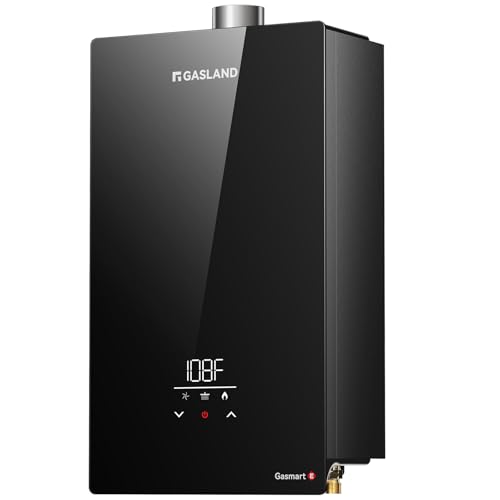
A tankless water heater has no storage tank. It heats water as it flows through the unit, so the main sizing questions are gallons per minute and temperature rise. That makes it a strong fit when space is tight, but the unit has to be matched to how many fixtures can run at the same time.
Which water heater is cheaper to run, hybrid or tankless?
Hybrid water heaters usually cost less to run because they move heat instead of creating it directly. Tankless systems can still lower bills by eliminating standby losses, and some households may see 30–40% savings, but the hybrid usually has the stronger operating-cost case when space allows a tank.
Usage pattern matters. If your home uses modest hot water all day, the hybrid’s efficiency tends to pay off. If demand is very uneven and space is limited, tankless may still make sense even if the savings are smaller.
Why hybrid units usually use less energy
Because the heat pump pulls warmth from surrounding air, a hybrid water heater uses electricity differently than a standard tank. That is the key reason it can be the most energy-efficient option among the systems discussed here. Some cited operating-cost examples drop from $900 to less than $200, though actual bills depend on local rates and usage.
When tankless can still make sense on bills
Tankless avoids keeping roughly 40 to 80 gallons of hot water stored all day, so standby losses are reduced or eliminated. That is valuable in a home with lower or irregular demand, and the average household may use at least 25% less energy with a tankless system. The savings are real, but they do not happen automatically if the unit is oversized or poorly matched to the fixture load.
How much hot water can each system deliver?
Hybrid water heaters can cover peaks because they store hot water and recover after depletion. Tankless water heaters can keep producing hot water as long as flow stays within the unit’s capacity, incoming water is not too cold, and the total demand does not exceed the system’s gallons-per-minute rating.
In practice, this is where many buying mistakes happen. A home with two back-to-back showers and a dishwasher cycle can expose weak sizing much faster than a simple single-bathroom setup.
Storage capacity and recovery time for hybrids
Tank water heaters often store 40 to 80 gallons of hot water, and hybrid models use that storage to cover demand spikes. After heavy use, recovery time matters. If the tank is drawn down during a busy morning, the heat pump needs time to restore the supply.
Flow rate and temperature rise for tankless
Tankless sizing uses gallons per minute, and that number has to match multiple fixtures running at once. Temperature rise matters too, because colder incoming water demands more heating work. A unit that looks large on paper can still struggle in winter if the incoming water temperature is low.
Say your family has two showers running while someone starts a load of laundry. A tankless unit sized for a single shower may keep up with one fixture but run short when the second shower begins. A hybrid with enough storage is less likely to stumble in that moment.
Space and installation limits
Hybrid water heaters need more room than tankless units because they keep a tank and need airflow around the cabinet. Tankless systems save wall and floor space, but they can trigger other constraints such as venting, gas line work, or electrical upgrades. A replacement is not always a same-footprint swap.
That difference matters most in older homes. The right choice is not only about efficiency. It is also about whether the utility area can handle the equipment and the upgrades that come with it.
Floor space and utility-room requirements for hybrids
Hybrid units often need at least 1000 cubic feet of floor space. They also need access for maintenance, including filter cleaning and condensate drain checks. In a cramped closet or a small interior room, that requirement can rule the unit out before performance even enters the conversation.
Venting, gas line, or electrical upgrades for tankless
Tankless models often need professional installation, and the work can include venting modifications, electrical panel changes, or plumbing and gas line upgrades. The exact issue depends on whether the unit is gas or electric and what the existing system can support. Replacement projects can become more complex when the old tank location was never built for a wall-mounted unit.
Suppose a homeowner plans to replace a 50-gallon tank with tankless in a basement corner. If the vent path is wrong or the electrical panel lacks capacity, the project becomes more than a simple swap. That is where the higher install bill often appears.
Hybrid water heater vs tankless water heater comparison
| Criterion | Hybrid water heater | tankless water heater | Winner |
|---|---|---|---|
| Energy use | Uses electricity to move heat from surrounding air. | Heats only when water flows through the unit. | Hybrid water heater |
| Hot-water supply during peak use | Stores hot water and can recover after drawdown. | Depends on flow rate and temperature rise. | Hybrid water heater |
| Space need | Needs room for the tank and surrounding air volume. | No storage tank, so it fits tighter spaces. | tankless water heater |
| Maintenance | Filter cleaning and condensate drain care. | Descaling and periodic flushing. | Tie |
| Installation complexity | May need space checks and electrical review. | May need venting, gas, or electrical upgrades. | Tie |
Why the table resolves this way
The hybrid wins on energy use because heat pump water heaters are the most efficient option among the systems discussed here. The tankless unit wins on space because it removes storage entirely. The other rows are close enough that the install context often decides them.
Maintenance is a tie in burden, not in task list. Both systems need attention, but the work differs. Hybrid units need filter and condensate care; tankless units need descaling or flushing to control mineral buildup.
Which water heater is better for cold climates?
Hybrid water heaters can lose some performance in cold utility spaces because they rely on surrounding air. Tankless water heaters are less sensitive to room temperature, but they still have to overcome a larger temperature rise when incoming water is colder. In colder climates, the better choice depends on where the unit will sit and how much hot water the home uses at once.
If the hybrid will live in a warm mechanical room or basement and the family wants lower operating cost, it often stays the stronger pick. If the only option is a small cold closet, tankless may be the safer fit even if its peak-use limits remain.
Hybrid water heater decision matrix
This matrix uses five common homeowner scenarios and the factors that matter most in each one. The scores are relative: 1 is weak, 5 is strong. Use it as a quick filter, then confirm sizing and installation constraints with the actual unit data.
| Scenario | Hybrid water heater score | tankless water heater score | Best pick |
|---|---|---|---|
| Small household | 4 | 3 | Hybrid water heater |
| Large family | 5 | 3 | Hybrid water heater |
| Limited utility space | 2 | 5 | tankless water heater |
| Low hot-water demand | 4 | 3 | Hybrid water heater |
| Energy-savings priority | 5 | 3 | Hybrid water heater |
Small household scenario
A small household usually benefits more from the hybrid if there is room for a tank. The lower operating cost can matter more than the compact footprint, especially when hot-water use is steady rather than intense. Tankless still works well if the home is short on space or the utility area cannot handle a tank.
Large family scenario
Large families often need both storage and recovery, which favors the hybrid. The tank gives a buffer for overlapping showers, laundry, and dishwashing. Tankless can work, but only if the gallons-per-minute rating is high enough for simultaneous use and the incoming water temperature does not drag performance down.
Limited utility space scenario
When space is tight, tankless usually wins. A wall-mounted unit can fit where a tank cannot, and that alone can decide the project. The trade-off is that you must still confirm venting, gas, or electrical capacity before you buy.
Low hot-water demand scenario
For a home with low daily demand, the hybrid often gives the better blend of efficiency and storage. It avoids the standby loss of a standard tank while keeping reserve hot water ready for the occasional busy moment. Tankless can be a fit too, but the space advantage matters more than the energy advantage in that case.
Energy-savings priority scenario
If the main goal is to cut utility cost, the hybrid usually has the edge. Its heat pump design is what separates it from a standard electric tank, and that difference is large enough to matter on monthly bills. Rebates can improve the payback further when they are available.
Choose Hybrid water heater if… / Choose tankless water heater if…
Choose Hybrid water heater if you want the best efficiency, can fit a tank in the utility area, and care about strong performance during multiple hot-water draws. It is also the better fit when long-term operating cost matters more than saving floor space, and when a rebate may help with upfront cost.
Choose tankless water heater if your space is tight, you want hot water on demand, and your household usage is light enough that gallons-per-minute sizing can cover peak demand. It is also the better choice when a tank would be difficult to install or when the house layout makes a same-footprint replacement impossible.

Frequently asked questions
Is a hybrid water heater better than a tankless water heater?
A hybrid water heater is better when your priority is efficiency and you have room for a tank. A tankless water heater is better when you need a compact unit and your usage pattern fits its gallons-per-minute limit. The right answer depends on space, peak demand, and installation constraints.
Does a hybrid water heater provide enough hot water for a family?
Yes, if the tank size and recovery rate fit the household. Hybrid units use storage capacity, often 40 to 80 gallons in tank systems, to handle busy periods. Families with multiple showers or overlapping appliance use often find that buffer helpful.
How much space does a hybrid water heater need compared with tankless?
A hybrid water heater needs more room because it includes a tank and needs surrounding air space. Some units need at least 1000 cubic feet of floor space. Tankless units save space because they have no storage tank and mount more compactly.
Which lasts longer: hybrid water heater or tankless water heater?
Tankless water heaters generally last 15 to 20 years, while traditional water heaters usually last between six and 12 years. Hybrid units can fall in the same broad replacement range as tank systems, depending on use, water quality, and maintenance. Regular care affects lifespan on both sides.
What are the installation differences between hybrid and tankless water heaters?
Hybrid installs focus on floor space, airflow, drainage, and electrical access. Tankless installs often involve venting changes, plumbing work, gas line upgrades, or electrical panel changes. Either system can become a bigger job than a simple swap if the existing setup is not already close to the new requirements.
Do tankless water heaters need maintenance every year?
Yes, annual maintenance is a sensible expectation for tankless units in many homes. Descaling or flushing helps control mineral buildup and keep performance stable. The exact interval can vary with water hardness, but waiting too long makes efficiency and flow problems more likely.
Are hybrid water heaters worth it in a small home?
They can be, if the home has enough room for the unit and the owner wants lower operating cost. In a very small utility space, the floor-space requirement can rule them out. If the room is tight, tankless often becomes the practical choice.