Water Heater Types: A Guide to the Pros and Cons
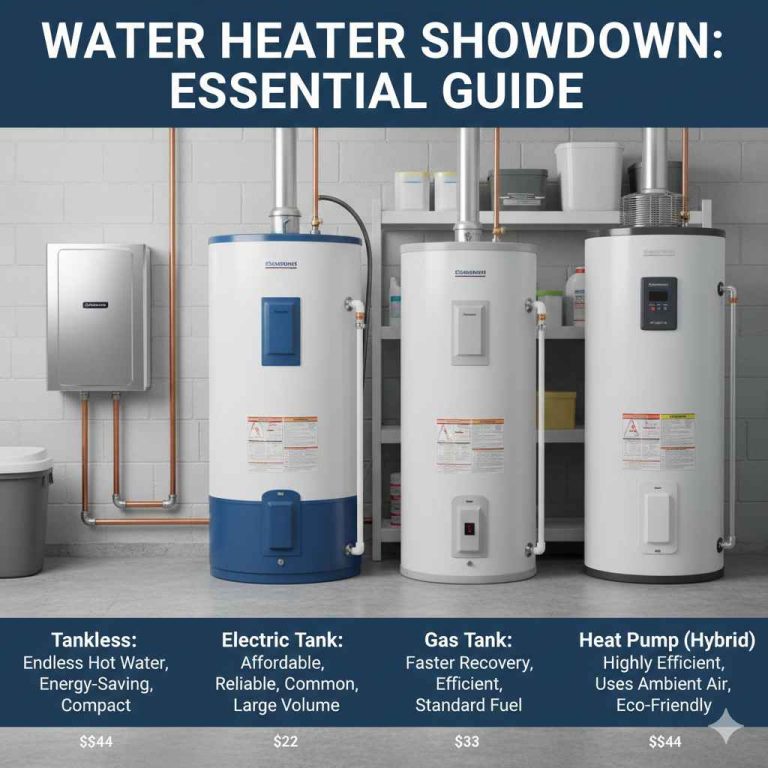
Choosing the right water heater can feel tricky, especially if you’re new to home maintenance. Explaining Water Heater Types: Pros and Cons Explained might seem complicated at first, with all those different models and technologies. But don’t worry! This post breaks down everything in simple terms. We’ll explore the main types of water heaters and make the differences easy to grasp. Keep reading, and you’ll become an expert in no time. Next, you’ll find out about tank water heaters, a popular option.
Tank Water Heaters Explained
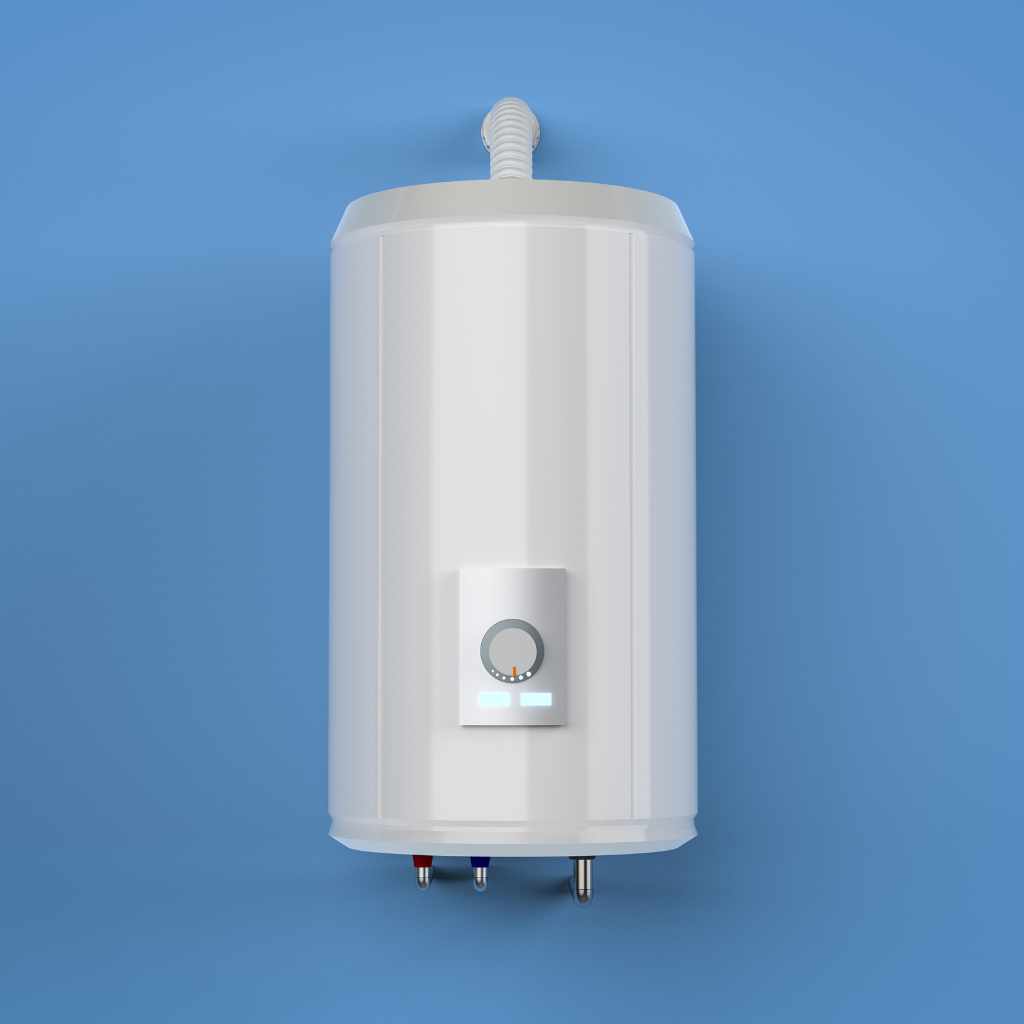
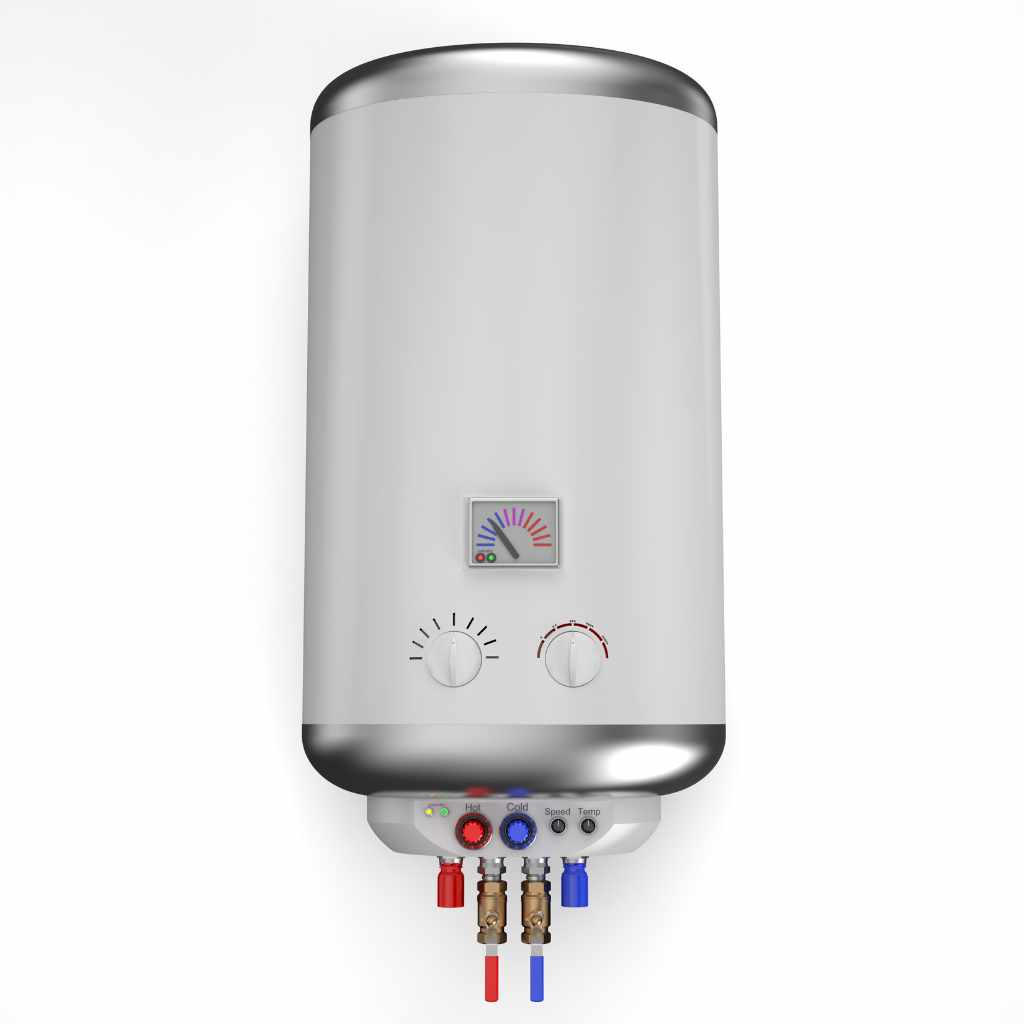
Tank water heaters are the classic and most common type found in homes. They store a quantity of heated water, ready to use whenever you need it. These heaters are relatively inexpensive to purchase and install. They have a simple design, making repairs and replacements easier. However, tank water heaters can run out of hot water, especially if multiple people are using it at the same time. Also, they lose heat over time, which can increase energy costs. We’ll delve into the main aspects of how tank water heaters function, and explore their advantages and disadvantages.
How Tank Water Heaters Work
Tank water heaters consist of an insulated tank that holds water. A burner (if gas) or heating element (if electric) heats the water. As hot water is used, cold water enters the tank to
- Heating Mechanism: Gas tank water heaters use a gas burner, while electric models use heating elements. Both methods heat the water stored inside the tank. The temperature is controlled by a thermostat that adjusts the heating element or burner to keep the water at the desired temperature. The efficiency of the heating method plays a significant role in energy consumption.
- Storage Capacity: Tank sizes vary from 20 to 80 gallons, depending on household needs. The bigger the tank, the more hot water is available at once. Consider your household’s peak demand (when the most hot water is needed) when choosing a tank size. A larger family might need a larger tank.
- Insulation: Good insulation reduces heat loss and saves energy. Newer models have improved insulation to keep the water hotter for longer. This feature cuts down on energy costs. Check the energy efficiency rating of the tank before buying it.
- Maintenance Needs: Tank water heaters require periodic maintenance. The most important is draining the tank and flushing out sediment buildup every year. This step prevents corrosion and ensures the heater functions correctly. Check the anode rod regularly. This rod prevents tank corrosion. Replacing it when it’s consumed is a key maintenance task.
Pros of Tank Water Heaters
Tank water heaters come with several advantages that make them a popular choice for many homes. They provide a continuous supply of hot water, especially if you select the appropriate tank size for your needs. The initial cost is typically lower than other types of water heaters. They’re also simple to install and fix. Replacement parts are widely available. Their ease of use and affordability are major attractions.
- Low Upfront Cost: Tank water heaters have a lower initial cost. This makes them attractive for homeowners looking to save money upfront. The lower price is often a key factor, particularly for those on a tight budget. These heaters are also inexpensive to install.
- Familiar Technology: Their simple design makes them easy to understand and use. This familiarity makes it simpler to troubleshoot any issues. Most plumbers know how to fix them.
- Availability: Tank water heaters are widely available in various sizes and configurations. This means that you can easily find a model that fits your needs. You can choose from gas, electric, and even propane options.
- Easy to Replace: When a tank water heater breaks down, replacement is usually straightforward. The technology hasn’t changed much over the years. This makes finding a replacement that fits your existing plumbing and connections simple.
Cons of Tank Water Heaters
Despite their popularity, tank water heaters have some drawbacks that you need to consider. They can take up a lot of space in your home, and they can run out of hot water during peak usage times. Tank water heaters are less energy-efficient. They also have a limited lifespan. You will need to think about these factors before making your choice.
- Limited Hot Water: They can run out of hot water if you have high demand. This is common in larger households or during peak usage times. This limitation makes them less suitable for some families.
- Energy Inefficiency: Tank water heaters lose heat over time. This loss increases energy costs, since the tank must constantly reheat water. Older models tend to be less efficient than newer ones. Look for Energy Star-rated models for better efficiency.
- Large Footprint: Tank water heaters take up a lot of space. This can be a problem in smaller homes or apartments. You need a dedicated area. Consider this when planning for your water heater installation.
- Shorter Lifespan: Tank water heaters typically last 10-15 years. This means you will need to replace them sooner. This replacement will add to your overall costs over time.
Exploring Tankless Water Heaters
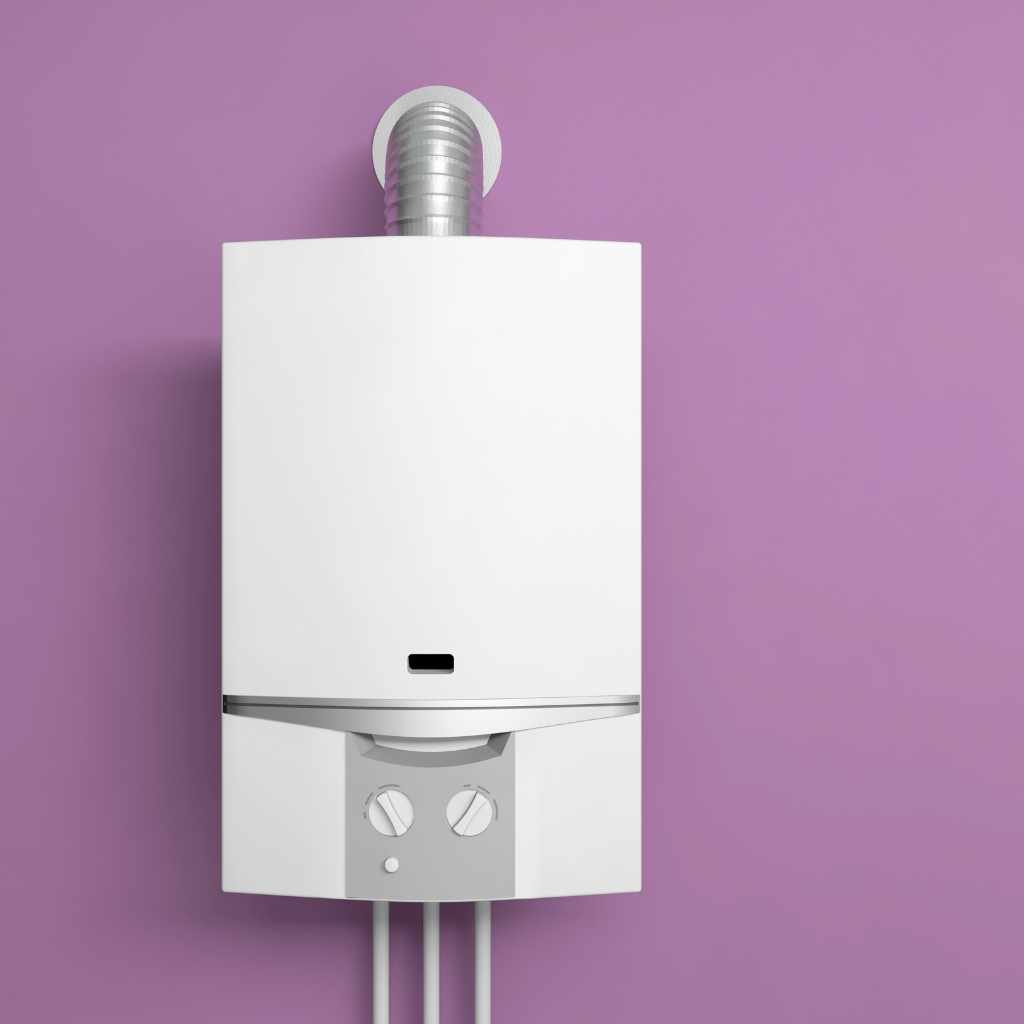
Tankless water heaters, also called on-demand water heaters, provide hot water only when you need it. They heat water directly without the need for a storage tank. These heaters offer significant advantages, such as energy efficiency and endless hot water. However, the initial cost is higher, and you might need upgrades to your electrical or gas supply. Let’s explore the key features and consider their overall value.
How Tankless Water Heaters Work
Tankless water heaters heat water only when you turn on a hot water tap. They use a high-powered burner (gas) or heating element (electric) to heat water instantly. Cold water flows through the unit, is heated, and then delivered to your faucets and appliances. There is no standby heat loss since there is no tank. This means they are more energy-efficient than traditional tank models. They also take up less space. These heaters can be a great option for those seeking efficiency.
- Heating Process: When you turn on a hot water tap, the heater activates. It senses water flow and begins to heat the water immediately. This immediate heating provides hot water on demand. The heating element or burner is powered by either gas or electricity.
- Energy Efficiency: Tankless water heaters are highly efficient. They heat water only when needed. This eliminates standby heat loss, making them more energy-efficient. They can lower your energy bills. They often have an Energy Factor (EF) rating.
- Space Saving: Because they don’t have a storage tank, they take up much less space. This is a big plus for smaller homes or apartments. Tankless heaters can be installed on a wall. This provides more flexibility in placement.
- Flow Rate: The flow rate, measured in gallons per minute (GPM), determines how much hot water the unit can supply at once. Higher GPM models can handle multiple appliances or showers simultaneously. Consider your hot water needs when selecting a model.
Pros of Tankless Water Heaters
Tankless water heaters come with several benefits, especially if you prioritize energy efficiency and space saving. They offer endless hot water, reducing the risk of running out during peak times. Their compact size makes them ideal for smaller homes. They have a longer lifespan than traditional tanks. They often come with tax credits. These points make them a strong contender for homeowners.
- Endless Hot Water: These heaters provide hot water on demand. This means you’ll never run out, even if multiple people use hot water simultaneously. You can enjoy a long shower without worrying.
- Energy Savings: Their energy efficiency lowers utility bills. Without standby heat loss, these heaters are more cost-effective. You can reduce your carbon footprint. Their efficiency often results in lower energy bills.
- Space Savings: They are compact and save space. This is a benefit, particularly for homes with limited space. You can install them almost anywhere. This adds flexibility in placement.
- Longer Lifespan: Tankless water heaters have a longer lifespan. They typically last 20 years or more. You’ll likely replace your tank water heater at least once. This long lifespan can result in cost savings.
Cons of Tankless Water Heaters
While tankless water heaters have many advantages, some drawbacks exist. The upfront cost is higher than traditional tank models. You might need to upgrade your electrical or gas supply. They can have a lower flow rate in some models. They can also take some time to heat the water. You should think about these issues before making a choice.
- Higher Upfront Cost: The initial investment is more. This may be a significant factor. The higher cost can deter some buyers, but the long-term savings often make up for it.
- Installation Challenges: Installation might require upgrades to your existing gas or electrical system. These upgrades can add to the total cost. You might need a professional installer.
- Flow Rate Limitations: They might have a lower flow rate than tank models. This can affect simultaneous use of hot water. Check the GPM rating. Make sure it meets your household’s needs.
- Cold Water Sandwich: There might be a brief delay before hot water arrives. Some users experience a “cold water sandwich.” This delay is more noticeable in older systems. It is less apparent in newer, more advanced models.
Exploring Hybrid Water Heaters
Hybrid water heaters, also known as heat pump water heaters, combine the efficiency of a heat pump with the functionality of a traditional tank water heater. These systems are designed to extract heat from the surrounding air and use it to heat water. They are known for their high energy efficiency and potential for significant energy savings. They do have higher upfront costs. Let’s delve into their inner workings, along with their pros and cons.
How Hybrid Water Heaters Work
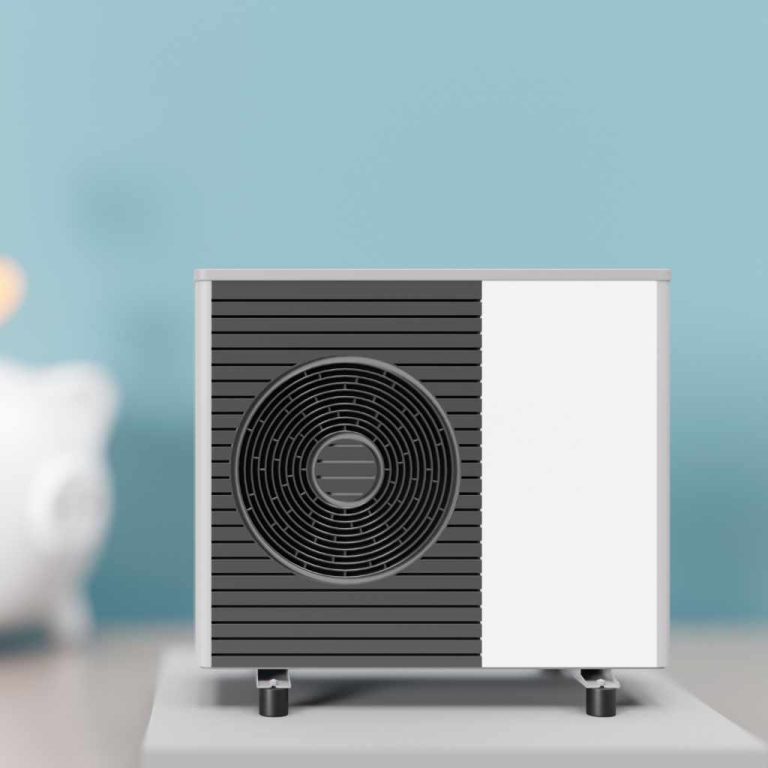
Hybrid water heaters combine a heat pump and a traditional tank. The heat pump extracts heat from the surrounding air and transfers it to the water inside the tank. They can also operate like a standard electric water heater. This means they switch to electric resistance heating if the heat pump isn’t enough. They can offer high efficiency. These heaters can have several operating modes.
- Heat Pump Technology: The heat pump extracts heat from the surrounding air. It then transfers that heat to the water in the tank. This is very energy-efficient. Even cold air can be used for this process.
- Hybrid Operation: They can operate in multiple modes. You can choose from heat pump mode, electric resistance mode, or a hybrid mode. The hybrid mode combines both systems. It delivers the most energy-efficient performance.
- Tank and Insulation: These heaters use a storage tank, usually with excellent insulation. This insulation helps reduce heat loss. The tank’s size and insulation impact overall efficiency. These tanks help keep hot water ready for use.
- Installation Considerations: They require proper installation. They should be placed in an area with enough air for the heat pump to operate. The area should also not be too cold. They need enough space for operation. This is an important factor.
Pros of Hybrid Water Heaters
Hybrid water heaters offer significant benefits for homeowners focused on energy efficiency. They are very efficient, leading to lower energy costs. They qualify for tax credits and rebates. They help reduce your carbon footprint. They are a good choice for those who want to be eco-conscious.
- High Energy Efficiency: These heaters are extremely energy-efficient. They can save you a lot of money on your energy bills. They often have an Energy Factor (EF) that indicates their efficiency. This value makes them very economical.
- Energy Savings: The high efficiency translates into lower energy bills. You can save hundreds of dollars a year. This makes them a cost-effective choice. They offer a good return on investment over time.
- Tax Credits and Rebates: Many locations offer tax credits. These credits help offset the initial cost. Check with your local utility company. They might offer rebates to encourage their use.
- Environmental Benefits: They help reduce your carbon footprint. They use less energy. They contribute to a more sustainable way of living. This makes them eco-friendly.
Cons of Hybrid Water Heaters
Hybrid water heaters present some downsides you need to know about. The upfront cost is higher. They might require more installation space. They can also produce some noise during operation. They’re a consideration for homeowners when making a purchase.
- Higher Upfront Cost: The initial cost is higher than tank water heaters. This higher cost can be a barrier. However, the energy savings over time can offset this expense.
- Installation Space: They need more space. This is for the unit itself and to allow for air circulation. The location must meet installation requirements. You might need to make some adjustments to your space.
- Noise: The heat pump can make some noise. This might be a problem if the heater is near living areas. The noise levels are usually moderate. They shouldn’t be too distracting.
- Performance in Cold Climates: Their performance might be lower in cold climates. The heat pump efficiency decreases in cold temperatures. They can still operate. Their efficiency will decrease.
Water Heater Comparison: Which Type Suits You Best?
Choosing the right water heater requires you to consider various factors. This includes your budget, your household’s hot water needs, and the space available. Also, energy efficiency and the overall lifespan of the unit. This section provides a clear comparison. It will help you choose the best water heater for your specific situation. Reviewing key points will assist you in making an informed decision.
Budget Considerations
Your budget is a primary factor. Tank water heaters have the lowest upfront cost. They are usually the most affordable. Tankless water heaters have a higher initial cost, and hybrid models are usually the most expensive. Factor in installation costs, which can vary. Think about the potential for energy savings. Over time, energy-efficient models can save you money.
- Upfront Costs: Tank water heaters are generally cheaper. Tankless and hybrid models have a higher cost. These costs include the unit and installation.
- Long-Term Costs: Energy-efficient models offer long-term savings on energy bills. These savings reduce your overall costs. Think about the lifespan of each unit. Replacements add to the costs.
- Rebates and Incentives: Check for rebates and tax credits. These savings can reduce the overall cost. Utility companies and government programs may have incentives.
- ROI (Return on Investment): Tankless and hybrid models may have a better ROI. The energy savings can help you recover the initial investment. Assess the payback period for each type.
Household Needs
Assess your household’s hot water needs. Large families use more water. Tank water heaters may run out of hot water. Tankless models offer endless hot water. Consider your daily usage patterns. Also consider any future needs. This helps ensure that you select a suitable unit.
- Family Size: Larger families need more hot water. This will affect your choice. Tankless water heaters are a good option. They are less likely to run out.
- Hot Water Usage: Consider when and how much hot water is used. If multiple appliances use water at the same time, the unit needs a higher capacity. This will impact the choice.
- Peak Demand: Identify peak usage times. Tank water heaters have a limited capacity. Tankless water heaters can handle high demands. This will help you select a suitable model.
- Future Needs: Plan for potential increases in hot water needs. This is helpful if you plan to add family members. You’ll need extra hot water as your life changes. It’s smart to plan ahead.
Space and Installation
The space available in your home impacts your choice. Tank water heaters require a significant amount of space. Tankless water heaters and hybrids are more compact. This means less space is needed. Installation requirements can vary. You must think about ventilation, gas lines, and electrical connections. These factors may also dictate the best placement.
- Space Availability: Tank water heaters need a dedicated space. Tankless and hybrid models take up less space. Consider where the unit will go.
- Installation Requirements: Installation varies. Tankless models might need upgrades to your gas or electrical system. Hybrid models may require proper ventilation. Plan accordingly.
- Placement Options: Tankless and hybrid water heaters offer more flexibility in placement. They can be installed in areas where a tank model would not fit. They can be placed almost anywhere.
- Professional Installation: Some water heaters require professional installation. Tankless and hybrid models often need expert installation. Check the manufacturer’s recommendations.
Here’s a table to show some comparisons:
| Feature | Tank Water Heater | Tankless Water Heater | Hybrid Water Heater |
|---|---|---|---|
| Upfront Cost | Low | High | High |
| Energy Efficiency | Moderate | High | Very High |
| Hot Water Availability | Limited | Unlimited | Unlimited |
| Space Requirements | High | Low | Moderate |
| Lifespan | 10-15 years | 20+ years | 10-15 years |
Frequently Asked Questions
Question: What is the main difference between tank and tankless water heaters?
Answer: Tank water heaters store and heat water in a tank, offering a ready supply of hot water. Tankless water heaters heat water only when you need it, eliminating the need for a tank and offering endless hot water.
Question: How do I know what size water heater I need?
Answer: Consider your household’s size and hot water usage. Larger families and those with higher demand need larger tank sizes or higher-GPM tankless models. The more hot water you use, the larger the capacity.
Question: Are tankless water heaters more efficient than tank water heaters?
Answer: Yes, tankless water heaters are generally more energy-efficient. They eliminate standby heat loss, heating water only when needed. This saves energy compared to tank water heaters.
Question: What is a hybrid water heater?
Answer: A hybrid water heater, or heat pump water heater, combines a heat pump with a traditional tank. It extracts heat from the surrounding air to heat water. These models are known for their high energy efficiency.
Question: How long do water heaters typically last?
Answer: Tank water heaters typically last 10-15 years, while tankless models can last 20 years or more. Hybrid models usually have a similar lifespan to tank water heaters.
Final Thoughts
Choosing between Water Heater Types: Pros and Cons Explained is all about finding the best fit for your home and lifestyle. We’ve explored the main options, from traditional tank water heaters to efficient tankless and hybrid models. Each type has its own strengths and weaknesses. Tank models are budget-friendly and familiar. Tankless heaters provide hot water on demand. Hybrids offer high energy efficiency and potential savings.
To decide, consider factors like your family’s hot water needs, available space, and budget. Don’t be afraid to ask for help or consult a professional if you’re unsure. By carefully weighing your options, you’ll be able to pick the perfect water heater for your home, providing reliable hot water for years to come. Now you can make an informed choice with confidence.