Best Heaters for Hunting Blinds (2026): We Compared
The best portable heater for hunting blinds is the Mr. Heater MH18B Buddy heater for most hunters who need portable heat and longer runtime options, but blind size and ventilation still decide fit. For small blinds, the Mr. Heater F215100 MH4B Little Buddy is the tighter match. Do not buy by BTU alone.
Quick comparison
| Product | Badge | Best for | Price | ||
|---|---|---|---|---|---|
 |
Mr. Heater 3800 BTU Portable Little Buddy Propane EmergencyMr. Heater | Our pick | 3,800 BTU · propane · portable heater | $186.75
Price as of 18 Nov 2026
|
View |
 |
Mr. Heater 9,000 BTU Portable Buddy Radiant Heater (Canada)Mr Heater | Budget pick | 9,000 BTU · propane · portable radiant heater | $89.00
Price as of 18 Nov 2026
|
View |
 |
Mr. Heater Portable Big Buddy Propane HeaterMr. Heater | Upgrade pick | 18,000 BTU · propane · portable heater bundle | $269.99
Price as of 18 Nov 2026
|
View |
 |
Dyna Glo, 40000-BTU Portable Tank Top Heater-LP, Fuel TypeDyna-Glo | Also great | 40,000 BTU · propane · tank top heater | $125.00
Price as of 18 Nov 2026
|
View |
Use this page to match the heater to your blind type, not the other way around. A heater that works in a roomy box blind can be too much for a small ground blind with leaky fabric and low headroom.
Hunting blind heater selector table
| Blind type | Recommended BTU range | Fuel type | Minimum ventilation cues | Noise or glow risk | When not to use a heater |
|---|---|---|---|---|---|
| Ground blind | 3,800 to 9,000 | Propane | Crack a vent, keep fresh air moving, and place the heater where air can circulate without blowing into fabric | Low to medium; visible glow and switching noise can matter in a small, quiet blind | Skip heat if the blind is too tight to maintain fresh air or if you cannot leave it unattended at shutdown |
| Box blind | 4,000 to 18,000 | Propane | Use an active vent or window opening and keep the heater clear of walls, curtains, and gear | Medium; larger output can mean more flame glow and a more noticeable warm-up cycle | Do not use a heater if the blind cannot vent reliably or if the seating layout forces unsafe placement |
| Tower blind | 9,000 to 18,000 | Propane or electric, if power is available | Need steady airflow, clear exhaust path, and a setup that keeps hot surfaces away from traffic areas | Medium; the blind is higher and often less enclosed, but glow and fan noise still matter | Do not use a heater if the wind shifts smoke or fumes back into the blind or if power access is poor for electric |
How we chose
We compared products by blind fit, not by brand loyalty. The main filters were output range, portability, safety features for confined spaces, and whether the heater could suit a short sit or a longer cold-weather hunt.
We also separated the blind types that hunters actually use. Ground blinds, box blinds, and tower blinds handle heat differently because of square footage, ceiling height, insulation, and air leakage.
Finally, we favored models that match common hunting needs: quiet operation, low visible glow, and clear shutoff or tip-over protection. A heater that is powerful but awkward in a blind is the wrong tool.
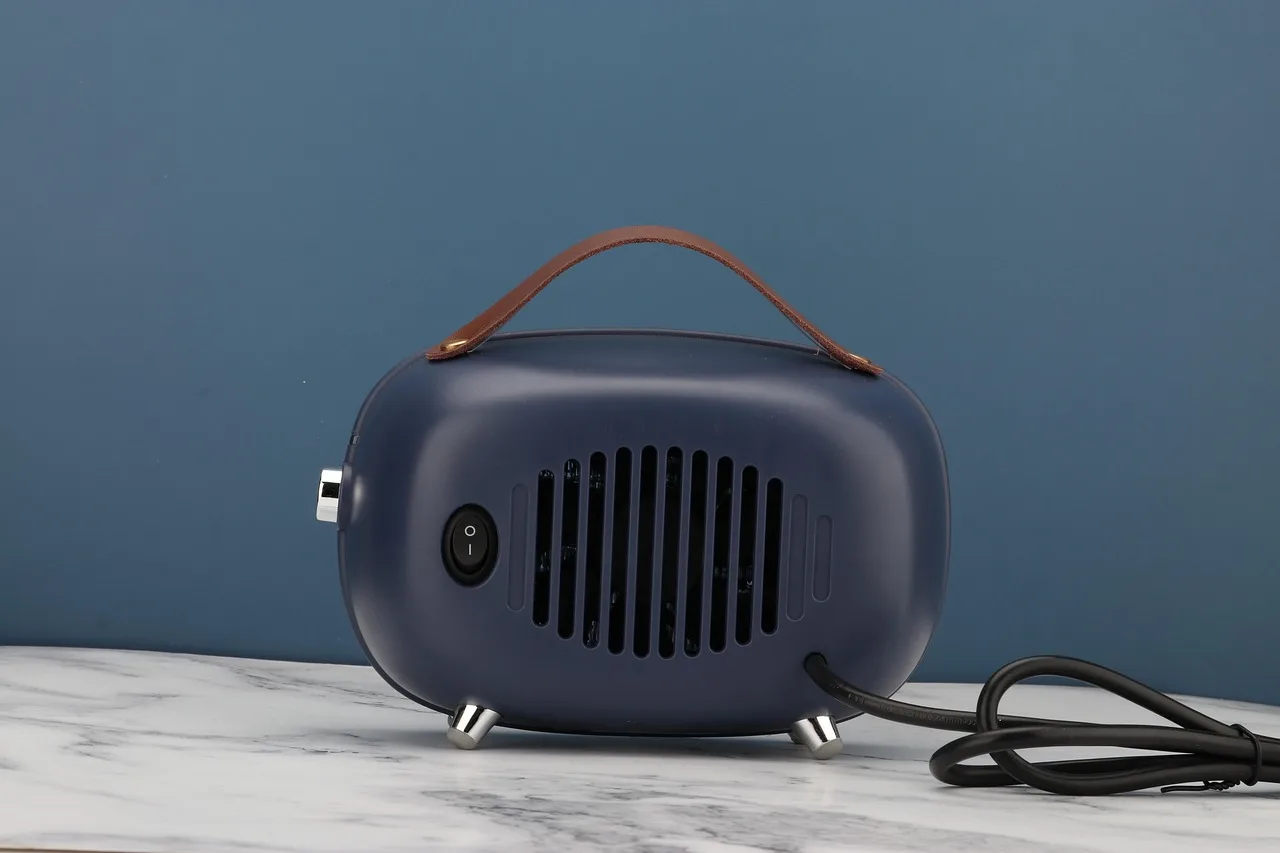
Mr. Heater MH18B Buddy heater: best for larger blinds
- Three heat settings
- Includes hose assembly and carry bag
- ODS and tip-over detection
The MH18B is the best fit for hunters who want one portable propane heater that can cover more room and still stay compact enough for a blind. Published product details list 4,000 to 18,000 BTU and heat coverage up to 400 square feet, which makes it the most flexible pick here for larger box blinds and longer sits.
It is a practical choice when blind size, occupant count, and leakage vary. A bigger blind with more air volume can absorb more output without feeling overheated as quickly, while the lower setting gives you more control on milder days.
The drawback is simple: more range also means more temptation to run it too high. In a tighter blind, that can mean extra glow, more fuel use, and a greater need to manage ventilation carefully.
Mr. Heater F215100 MH4B Little Buddy: best for small blinds
- Push-to-start igniter
- Tip-over shut-off and ODS
- Built-in carry handle
The Little Buddy is the better fit for small blinds and short sits. Published product details list 3,800 BTU and heat coverage up to 95 square feet, which puts it in the small-space lane where a compact heater is easier to manage and less likely to overpower the blind.
It suits a one-person ground blind or a small insulated box blind when you want portable heat without carrying a larger heater than the space needs. The built-in carry handle, push-to-start igniter, and safety shutoff features make it a straightforward low-bulk option.
The tradeoff is capacity. If the blind is leaky, tall, or shared by two hunters, this model may feel undersized on the coldest sits.
Heat Hog portable heater: best for angled warmth
- Two heat settings
- Low oxygen safety system
- Designed for outdoor use
Heat Hog is the right call when directional heat matters more than blanket coverage. The brand says the heater has a tilting head for directed warmth, a tank-warming dock for cold-weather fuel flow, and tip-over protection; it also promotes a 4,000 BTU model for hunters.
That setup makes sense in blinds where you want to aim heat at your hands and torso instead of warming empty corners. The angled head can help in tighter layouts where the heater sits off to one side and you need heat sent toward the seat rather than straight up.
The drawback is that its appeal is specific. If you need broader heat for a larger blind or a longer all-day sit, a more flexible output range may be easier to manage.
Which one should you buy?
Choose the MH18B Buddy heater if you hunt a box blind, expect long sits, or want a little more headroom for a larger enclosed space. Choose the Little Buddy if your blind is small, the hunt is short, or you want the lightest portable option that still brings propane heat into the setup.
Choose Heat Hog if the main problem is cold hands and an awkward heater angle in a compact blind. Its tilting head is useful when the seat layout forces you to point heat in one direction.
For propane versus electric, propane wins when you need runtime and portability without a power hookup. Electric can make sense only when you have proper power access and the heater’s listing and manual fit your blind and cord setup; otherwise it is the wrong tool for a remote stand.
A common first-timer mistake is choosing the hottest model without checking whether it runs quietly enough for a hunting blind. A 9,000 BTU heater can still be the wrong choice in a small, tight blind if ventilation is poor or the heater’s glow is too visible from the window line.
Portable propane heater basics
Portable propane heaters are common for hunting blinds because they are easy to move, burn without cords, and can hold up during cold-weather sits. Hunters also like them because they can be quieter than a noisy fan heater, which matters when deer are close and the blind is still.
They are not a free pass for sealed spaces. Portable propane heaters can produce combustion byproducts, so blinds must be ventilated, and you should use the heater exactly as the manufacturer directs.
That lines up with the field reality of blinds: heat helps, but fresh air, placement, and shutdown habits decide whether the heater is useful or risky. Quiet operation matters, and so does not trapping heat and byproducts inside a small box.
Blind size and heat load
Blind size sets the ceiling for any heater choice. Square footage matters, but so do occupant count, ceiling height, insulation, and how much air leaks through seams, windows, and floor gaps. A two-person box blind with drafty seams needs a different setup than a snug one-person ground blind.
The right way to think about load is simple: more open space and more air leakage need more heat, but they also need more fresh air. A blind that loses heat quickly may need a stronger heater, yet that same leakiness can make a high-output unit feel unstable or excessive.
Suppose you move from a small pop-up blind to a taller box blind with two windows cracked. The larger volume can tolerate a higher output model, but the ventilation path also changes, so placement becomes part of the decision instead of an afterthought.
Hunting blind ventilation and safety
Are propane heaters safe in a deer blind? They can be used more safely when the blind has fresh-air flow, the heater is placed with clearance, and you shut it down when unattended. They are not safe to treat like a set-and-forget appliance in a tight, sealed blind.
Keep the manufacturer’s instructions in mind for clearance, indoor-use limits, and ventilation. Safe placement means keeping the heater stable, away from fabric, and away from anything that could block airflow around it.
If the blind is too tight to maintain a fresh-air path, do not force the setup. A heater that cannot breathe in the blind should stay out of the blind.
Ventilation checklist
-
Open a fresh-air path.
Crack a vent or window before lighting the heater so air can move through the blind. The goal is steady fresh air, not a gust that cools the space faster than the heater can recover.
-
Place the heater low and clear.
Keep the unit on a stable surface away from curtains, gear, and walls. That reduces fire risk and helps prevent hot air from dead-ending against fabric.
-
Run it at the lowest useful setting.
Lower output can reduce glow, lower fuel draw, and keep the blind from turning into a hot spot.
-
Shut it off before you leave.
Turn the heater off when it is not in use. Never leave a combustion heater running unattended in a blind, even for a short break.
Scent, sound, and glow in the field
Can deer smell propane heaters? Yes, they may smell propane heater fumes, and they may also notice glow or noise. That is why low-noise operation matters in a blind and why visible flame or bright glow can be a problem when deer are already close.
Low-glow and low-noise behavior is not a luxury feature. It affects detection risk. A heater that clicks loudly, hums, or throws a bright visible glow can pull attention in a way that a quieter, lower-output heater may not.
That is also why hunters often prefer a portable propane heater over louder forced-air options. Portable propane heat can be a better fit when you want warmth without turning the blind into a sound source.
Propane versus electric for blinds
Is an electric heater better than propane for a blind? Only when you have proper power access and the blind can support the cord, outlet, and heater placement safely. Propane is usually the more practical choice for remote blinds because it is portable, fuel-based, and easier to use where power is not available.
Electric heaters avoid open flame, but they shift the problem to power access and cord management. You still need to check the manufacturer’s listing and manual for the correct cord and wattage limits, and you still need a layout that keeps cords out of the way and away from walking paths.
Propane has the runtime advantage for off-grid hunts. Electric has a place only when the blind is already wired or powered and the setup stays within the heater’s own instructions.
Short sit, all-day sit, and late-season use
For a short morning sit, compact output is usually enough. A small blind with one hunter can often do well with a low-output model like the Little Buddy or a similarly sized heater, provided ventilation is in place.
For an all-day sit, runtime and adjustability matter more. That is where the MH18B’s broader output range becomes useful, because you can stay lower at first and move up only when the temperature drops.
For late-season all-day hunts, blind materials matter even more. A well-insulated box blind with fewer air leaks can hold heat better than a thin fabric blind, so the same heater may feel overbuilt in one and underpowered in the other.
What heater is quiet enough for deer hunting?
The quietest useful heater is usually the one that can heat your blind at a low setting without fan noise, loud ignition cycles, or bright glow. For many hunters, a low-output propane heater is the safest place to start because it can be run lower and placed farther from the window line.
A portable propane burner that produces less sound is the right standard to use in a blind. If the heater is loud enough to be heard over small movements, it can be too much for close deer work.
What size heater do I need for a hunting blind?
What size heater you need depends on the blind’s square footage, how many people are inside, and how much air leaks through the blind. As a rough guide, the Little Buddy fits small spaces, the MH18B covers more room, and a tighter blind usually needs less output than a tall, drafty one.
Use the selector table above as the first filter. Then check the blind’s insulation, height, and venting before you commit to a model. A larger heater can be the wrong answer if the blind is small and the fresh-air path is limited.
Are Buddy heaters safe for hunting blind use?
Buddy-style heaters can be used in hunting blinds when the blind is ventilated, the heater is placed safely, and you do not leave it running unattended. They are not automatically safe in every blind, and the manufacturer’s instructions still matter more than general advice.
The MH18B and Little Buddy are both portable propane options, which is why hunters keep returning to them. The real safety filter is blind fit: if the blind cannot handle fresh air, heat clearance, and stable placement, the heater is the wrong match.
Frequently asked questions
What is the best portable heater for hunting blinds?
The best portable heater for hunting blinds is the Mr. Heater MH18B Buddy heater for most hunters, because it gives you a wide output range and enough coverage for many box blinds. It is not the answer for every blind, though. Small blinds often do better with the Little Buddy.
Are propane heaters safe in a deer blind?
They can be safer when the blind has fresh air, the heater is placed with clearance, and you shut it off when not in use. They are not safe to run in a tight, sealed blind with poor ventilation. Carbon monoxide risk is the key concern.
Can deer smell propane heaters?
Yes, deer may smell propane heater fumes, and they may also notice visible glow or noise. That does not mean propane cannot be used, but it does mean you should keep the heater low, quiet, and positioned so it does not draw attention through the blind window.
Is an electric heater better than propane for a blind?
Electric is only better when power is available and the blind can safely handle the cord and heater placement. Propane is usually more practical for remote blinds because it is portable and does not depend on shore power. Both need proper manufacturer-approved setup and careful placement.
How do I ventilate a hunting blind with a heater?
Open a vent or window enough to keep fresh air moving, place the heater on a stable surface away from fabric, and shut it off when unattended. The goal is a steady fresh-air path, not a wide-open draft that ruins warmth or stirs too much noise.
What are the best blinds to block heat?
Box blinds with better insulation and fewer air leaks hold heat better than thin fabric ground blinds. Tower blinds can also work well if they are enclosed and protected from wind. In every case, blind material and fit matter more than heater size alone.