Is It Cheaper to Use Portable Heaters: Save Money Smartly
Are you worried about high heating bills this winter? You might be wondering if portable heaters can save you money compared to your main heating system.
The idea of a quick, cost-effective way to warm up your space sounds appealing, but is it really cheaper? You’ll discover the truth behind portable heaters and whether they can help you cut down your energy costs without sacrificing comfort.
Keep reading to find out how to make the best choice for your home and your wallet.
Cost Comparison With Central Heating
Comparing the cost of portable heaters with central heating helps you decide the best option. Both systems have different expenses and energy uses. Understanding these can save money on heating bills. The choice depends on your needs, home size, and usage patterns.
Energy Consumption Of Portable Heaters
Portable heaters use electricity to warm small spaces. They consume power only in the rooms you use. This can reduce energy waste. However, they might use more electricity per hour than central heating. Their cost depends on how often and how long they run.
Efficiency Of Central Heating Systems
Central heating heats the entire home through one system. It is often more efficient for large spaces. Modern systems convert most fuel into heat. Some older models lose heat through pipes. The system’s efficiency affects how much fuel you need and your bill.
Seasonal Cost Variations
Heating costs change with seasons. Portable heaters are cheaper in mild winters or short use times. Central heating may be cheaper in long, cold winters. Fuel prices and electricity rates also affect costs. Tracking these helps plan your heating budget better.
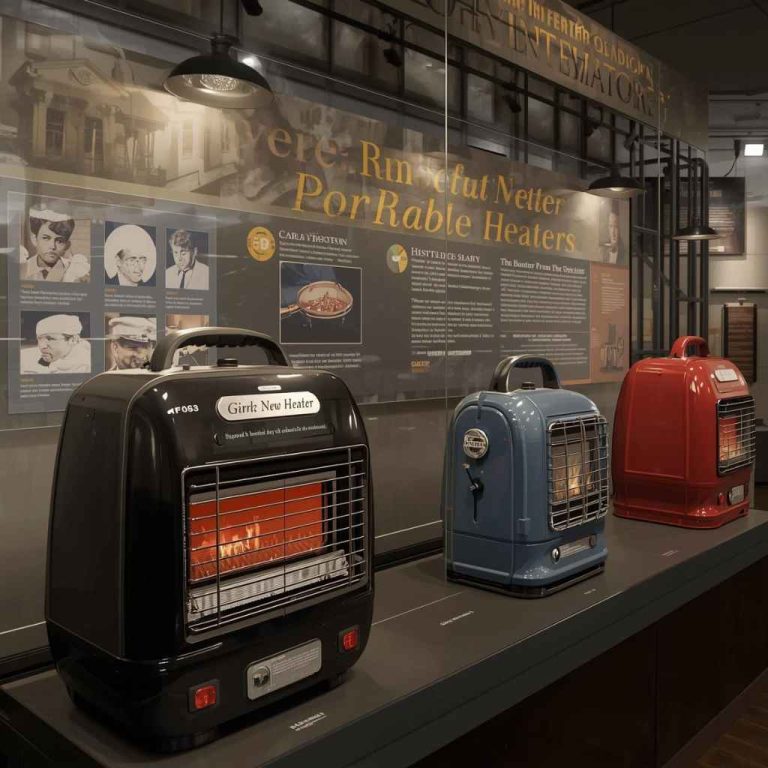
Types Of Portable Heaters
Portable heaters come in different types. Each type works differently and suits various needs. Knowing these types helps you choose the right one for your space and budget.
Electric Heaters
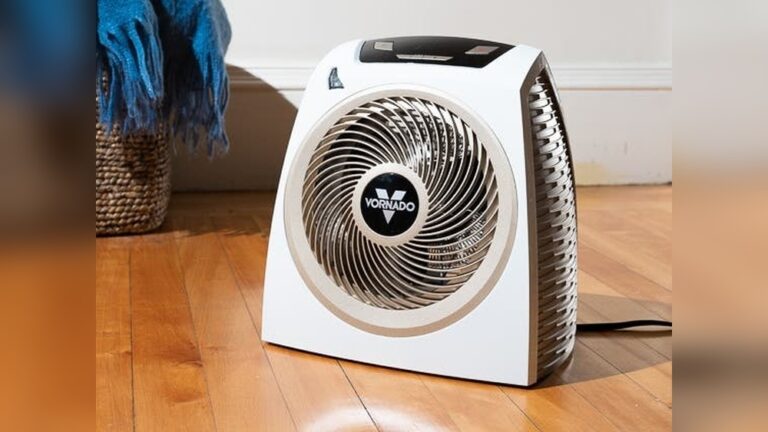
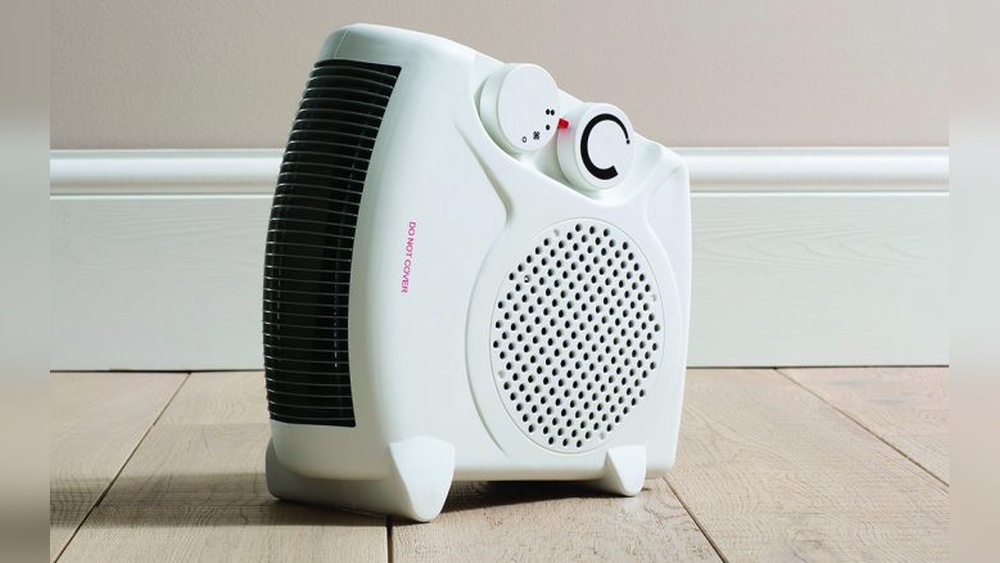
Electric heaters use electricity to produce heat. They are easy to use and do not need fuel. These heaters warm up quickly and are good for small rooms. They are safe and clean but can increase your electric bill.
Gas Heaters
Gas heaters run on propane or natural gas. They heat rooms fast and are good for large spaces. These heaters need proper ventilation for safety. Gas heaters can be cheaper to run than electric ones but require more care.
Oil-filled Radiators
Oil-filled radiators heat oil inside the unit to warm a room. They take longer to heat but keep warmth for a long time. These heaters are quiet and energy-efficient. They work well for steady, long-lasting heat.
Infrared Heaters
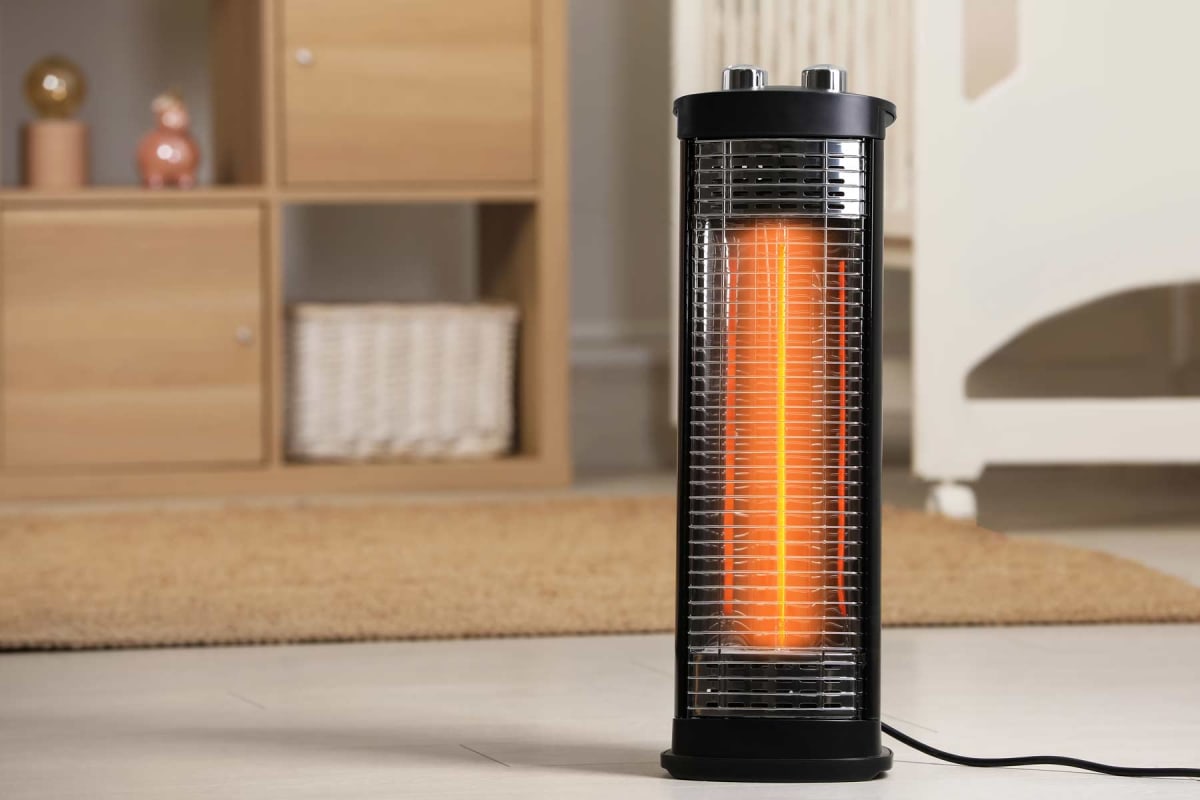
Infrared heaters use light to heat objects and people directly. They do not warm the air but create instant heat. These heaters are energy-saving and good for spot heating. Infrared heaters work well in open or drafty spaces.
Factors Affecting Portable Heater Costs
Several factors influence the cost of using portable heaters. Understanding these helps control your heating expenses. Costs vary based on how and where you use the heater.
Room Size And Insulation
Large rooms need more energy to heat. Small rooms warm up quickly and use less power. Good insulation keeps heat inside. Poor insulation lets heat escape, raising costs.
Usage Patterns
Using a heater for many hours raises your bill. Short, focused use saves energy and money. Turning off heaters when not needed cuts costs. Consistent use at low settings is often cheaper.
Energy Prices
Electricity prices differ by location and time. Higher rates mean higher heating costs. Some places have cheaper energy at night. Using heaters during off-peak hours can save money.
Heater Maintenance
Regular cleaning keeps heaters efficient. Dust and debris reduce performance. Well-maintained heaters use less energy. Ignoring upkeep can increase energy use and costs.
Credit: homeguide.com
Safety And Maintenance Tips
Using portable heaters can save money on heating bills. Safety and proper care keep these devices efficient and reliable. Neglecting safety or maintenance raises risks and costs.
Follow simple tips to use heaters safely and keep them working well. These steps prevent accidents and extend the heater’s life.
Proper Placement
Place the heater on a flat, stable surface. Keep it away from curtains, furniture, and other flammable items. Allow space around the heater for air to flow freely. Never use heaters near water or in damp areas. Proper placement reduces fire hazards and improves heater efficiency.
Regular Cleaning
Turn off and unplug the heater before cleaning. Remove dust and debris from vents and grills. Use a soft brush or cloth to clean the surface. Check the heater for damage or wear during cleaning. Regular cleaning prevents overheating and keeps the heater working well.
Avoiding Overuse
Do not leave the heater running all day or night. Use a timer or thermostat to control heating times. Turn off the heater when the room is warm enough. Overusing heaters wastes electricity and can cause damage. Balanced use saves money and protects the heater.
Smart Ways To Save Money With Heaters
Heating costs can add up quickly. Smart use of portable heaters helps keep bills low. Small changes make a big difference in energy use. Use heaters wisely to save money and stay warm.
Using Timers And Thermostats
Set timers to turn heaters off when you don’t need them. This stops energy waste during the night or when you leave. Thermostats keep room temperature steady. They avoid overheating and save power.
Zoning Your Heating
Heat only the rooms you use. Close doors to keep warmth inside. Portable heaters work well in small, used spaces. This lowers your overall energy use and cost.
Combining With Other Heating Methods
Use portable heaters with insulation or draft stoppers. This keeps heat inside longer. Layer clothes or use blankets for extra warmth. Combining methods reduces heater run time and energy bills.

Credit: homeguide.com
Environmental Impact Considerations
Understanding the environmental impact of portable heaters helps make smarter choices. Heating affects the planet in many ways. Choosing the right heater can reduce harm to the environment. Let’s explore key factors that influence this impact.
Energy Source And Emissions
Most portable heaters use electricity or gas. Electric heaters rely on the power grid, which may use coal, natural gas, or renewables. Coal and gas release carbon dioxide and other pollutants. These emissions contribute to climate change and air pollution. Gas heaters burn fuel directly and produce emissions inside your home. This can affect indoor air quality and health. The cleaner the energy source, the lower the environmental impact.
Sustainable Heating Alternatives
Sustainable options include heat pumps and solar heaters. Heat pumps use less energy by moving heat instead of creating it. Solar heaters use the sun’s energy, which is free and clean. Both options reduce carbon emissions significantly. Using insulation and smart thermostats also helps reduce energy waste. These alternatives protect the environment and save money over time.
:max_bytes(150000):strip_icc()/TREEHUGGER-6-best-energy-efficient-space-heaters-50866089-final-01-d68f1504d0fb4f33a4641c2afc9969af.jpg)
Credit: www.hierrossainz.com
Frequently Asked Questions
Are Portable Heaters Cheaper Than Central Heating?
Portable heaters can be cheaper for small spaces or short-term use. They consume less energy than central systems. However, central heating is more cost-effective for heating entire homes over long periods.
How Much Electricity Do Portable Heaters Use?
Portable heaters typically use between 750 to 1500 watts. Their electricity cost depends on usage time and local energy rates. Using them efficiently can help reduce overall heating expenses.
Can Portable Heaters Reduce Your Energy Bills?
Yes, when used to heat only occupied rooms, portable heaters can lower energy bills. Avoid heating unused spaces to maximize savings. Proper insulation also enhances their efficiency.
Are All Portable Heaters Energy-efficient?
Not all portable heaters are energy-efficient. Infrared and ceramic heaters tend to use energy more effectively. Check the energy rating and features before purchasing to ensure efficiency.
Conclusion
Portable heaters can save money if used wisely. They heat small spaces quickly and cut down overall energy use. Choosing the right type matters a lot. Keep safety in mind and avoid running them all day. Combine with good insulation for best results.
Portable heaters offer a flexible way to stay warm without high bills. Small actions can lead to big savings. Think about your needs before buying one. This helps you stay warm and keep costs low.