Best Portable Heaters for Dorm Rooms (2026): We Compared
A common choice for a dorm room is a 1500-watt ceramic PTC or oil-filled model with tip-over shutoff, overheat protection, and a low-noise fan or no fan at all. Put those safety features first. The wrong heater can trip breakers, violate dorm rules, or create a fire risk in tight quarters. This guide ranks dorm-friendly heaters by safety, noise, size, and real room fit so you can choose one that matches campus limits.
For most dorms, the safest all-around pick is a quiet, ETL-listed oil-filled heater if you have floor space, or a compact PTC ceramic heater if you need faster warm-up and a smaller footprint.
Quick comparison
| Product | Badge | Best for | Price | ||
|---|---|---|---|---|---|
 |
Lasko 23" Ceramic Tower Space Heater with Remote ControlLasko | Our pick | 23-inch tower · 1500W · silver | $67.99
Price as of 10 Nov 2026
|
View |
 |
DREO Space Heater, Portable Electric Heaters for Indoor UseDREO | Budget pick | Space heater · 1500W · black | $44.93
Price as of 10 Nov 2026
|
View |
 |
Amazon Basics Portable Oil Space Heater with 7 Oil-FilledAmazon Basics | Also great | Oil-filled · 1500W · black | $70.19
Price as of 10 Nov 2026
|
View |
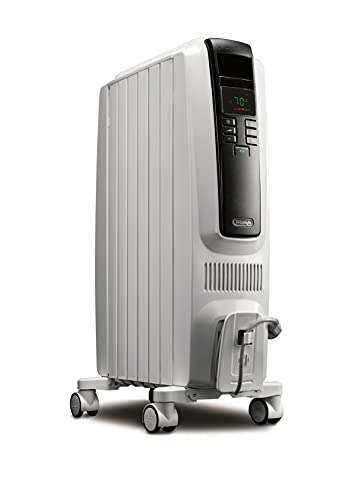 |
De’Longhi Dragon Digital Oil Filled Radiator HeaterDe’Longhi | Upgrade pick | Oil-filled radiator · 1500W · digital | $189.95
Price as of 10 Nov 2026
|
View |
 |
Honeywell Slim Ceramic Tower HeaterHoneywell | Pair with it | Slim tower · ceramic · black | $49.99
Price as of 10 Nov 2026
|
View |
This comparison starts with dorm rules: shutdown features, placement, noise, and whether the heater fits a shared room without crowding desks or beds. Use it to rule out the wrong fit before you compare heat output.
How we chose
These picks are ranked by dorm-specific risk, then comfort. Safety certification and automatic shutoff come first, because a cramped room leaves less room for error.
Next comes noise, footprint, thermostat control, and whether the heater can sit safely in a shared layout without blocking bedding, storage, or walk paths.
Finally, wattage and control features matter. A 1500W portable electric heater is the common upper end for this category, but smaller rooms and stricter campus rules often call for less.
Amazon Basics portable oil heater: best for quiet dorm warmth
- Silent heating with no fan noise
- Three heat settings plus adjustable thermostat
- Oil-filled fins provide steady warmth
This is the strongest fit if you want silent heat and you have room for a floor unit. The oil-filled design has no fan noise, and the listed ETL safety certificate is a useful safety signal for dorm screening.
It offers 1500W and 750W heat levels, along with three heat settings, an adjustable thermostat, and tip-over and overheat protection.
The drawback is size. Oil-filled heaters are steadier, but they are bulkier and slower to move, so they are less convenient for a desk-side setup or a room with very little open floor.
DREO space heater: best for shared rooms
- 70° oscillation spreads heat widely
- ECO mode helps save energy
- Quiet operation suits bedrooms
This model is a better fit when heat has to spread across more of the room. The 70° oscillation feature helps push warmth farther, and the quiet operation makes it easier to use in a shared dorm where roommates may keep different sleep schedules.
Its 1500W PTC ceramic heater, thermostat, ECO mode, remote, and 12-hour timer make it a strong dorm control package. A thermostat adjustable from 41–95°F helps cut wasted runtime by keeping the heater from running longer than needed.
The tradeoff is that oscillation can add a little movement noise, and a tower shape still needs a clear floor zone. If your room is extremely cramped, a smaller non-oscillating heater may fit better.
Lasko ceramic tower heater: best for easy controls
- Quiet ceramic heat for indoor use
- Remote control manages settings and timer
- Overheat protection and cool-touch housing
This is a practical dorm choice if you want a simple tower form with remote control. The 23-inch size keeps the footprint manageable, and the listed overheat protection plus cool-touch housing help with cramped-room safety.
It uses about 1500W ceramic heat with two settings, timer control, and widespread oscillation. That makes it easier to aim heat across a small shared room or a study corner without placing the heater right beside your bed.
The main downside is that tower heaters still need open space around them, and oscillation is not silent. If you need the quietest option for sleeping, an oil-filled model usually has the advantage.
Honeywell slim ceramic tower heater: best compact tower pick
- Slim design fits tighter spaces
- Two heat settings for simple control
- Multiple safety features for indoor use
This model fits tighter dorm layouts better than many larger towers. The slim shape helps when the heater has to live beside a desk, under a loft edge, or near a dresser where floor space is limited.
It is a straightforward ceramic tower with two heat settings and multiple safety features for indoor use.
The drawback is that the listing is lighter on control detail than some competitors, so you get fewer comfort features to fine-tune the room. If you want a digital thermostat or timer, another model fits that need better.
De’Longhi Dragon Digital oil heater: best for precision control
- Digital controls with 24-hour timer
- Gentle heat with no fan noise
- Integrated handle makes it easier to move
This is the premium pick for students who want gentler, steadier heat and more precise control. The digital controls and programmable timer are useful in dorms where you want the room warm before study time but not running all night.
Its integrated handle makes it easier to move than many oil-filled heaters, while the no-fan design keeps noise low. That makes it a strong choice for sleeping spaces where even a soft fan can be distracting.
The drawback is cost. It is the most expensive heater in this group, so the value only makes sense if you really need the timer, quiet operation, and more refined controls.
Which one should you buy?
Pick the Amazon Basics oil heater if your dorm allows a floor unit and you care most about silence, safety listing, and steady heat. Pick the DREO if you share the room, want oscillation, and need a compact electric heater with strong controls.
Choose the Lasko if you want a simple tower with remote control and you have enough floor space for oscillation. Choose the Honeywell if the room is tight and the heater has to fit into a narrow corner without feeling bulky.
Choose the De’Longhi if you want the best thermostat-style control and a quieter, gentler heating profile, and you are willing to pay more for that setup.
Best portable heater for a dorm desk
A desk heater works best in a single-occupant setup where the heater sits beside you, not under piles of books or close to bedding. For that use, a compact PTC ceramic heater is usually the most practical type because it warms quickly and takes up less space than a larger floor unit.
Keep the heater on a flat, open surface with clear air around the intake and outlet. Do not place it under a loft, against a curtain, or in a spot where notebooks, chargers, or laundry can block airflow.
Say your dorm has a single occupant, a 9-by-11-foot room, and a desk near the only outlet. A small ceramic heater can work there if the campus allows it, but only if it has tip-over protection, overheat protection, and a cord that reaches the wall outlet directly.
Best portable heater for a small dorm floor space
A small floor heater is the better choice when you need more coverage than a desk unit can provide, but you still have limited room. In that case, about 1500W is a common upper limit for a portable electric heater, with ceramic PTC or oil-filled heat depending on whether faster warm-up or quieter steady heat matters more.
For floor placement, leave clear space around bedding, backpacks, and curtains. A tower heater can fit well in a corner, but it still needs breathing room. Oil-filled models need even more patience because they warm more gradually, though they are often quieter.
A common first-timer mistake is tucking a portable heater under a desk next to a backpack or stack of textbooks because the room feels chilly. That defeats the purpose of the safety features and can create the exact blockage those features are meant to prevent.
Safety feature
For dorm use, some features are non-negotiable. Tip-over protection should shut the heater off automatically if it tilts, and overheat protection should cut power when internal temperature rises too far.
ETL certification is a useful third-party safety signal, and V0 or UL94 V-0 flame-retardant materials add another layer of dorm-friendly fire-risk reduction. A digital thermostat is also worth prioritizing because it helps control room temperature more precisely than a basic dial.
Oscillation can help spread heat in a shared room, but it is not a safety feature by itself. It can also add a little noise, so it is better as a comfort add-on than a deciding factor.
Dorm heater decision table
| Dorm type | Noise tolerance | Safe placement zone | Wattage ceiling | Must-have safety features | No-go features |
|---|---|---|---|---|---|
| Single room, desk-focused use | Low to medium | Open desk edge or clear floor beside desk | 750W to 1500W | Tip-over protection, overheat protection, ETL listing, compact footprint | Open-coil heat, extension cords, unattended use |
| Shared room with opposite sleep schedules | Low | Clear floor zone away from beds and walkway | 1500W max | Tip-over protection, overheat protection, low-noise fan or oil-filled design, thermostat | Propane, open-coil, blocked vents, oscillation if noise is a problem |
| Suite-style room with more open floor space | Medium | Corner with clear clearance on all sides | 1500W max | ETL certification, tip-over protection, overheat protection, timer, thermostat | Extension cords, power strips, clothing piles nearby |
| Lofted bed or cluttered room | Low | Only if a clear floor zone exists | Often no heater is the better choice | All baseline protections, compact body, V0 housing | Under-loft placement, bedding contact, hidden cords, open-coil models |
Are space heaters allowed in dorms?
Sometimes, but not always. Many campuses allow only certain portable electric heaters, while banning open-coil models, propane units, extension cords for heater use, and any unattended operation. Always check the housing policy before you buy, because the wrong heater can be disallowed even if it is otherwise safe.
If the policy is vague, look for words about wattage limits, approved safety listings, and whether the heater must plug directly into a wall outlet. Some schools also limit overnight use, which makes automatic shutoff and a timer more important.
How much wattage is too much for a dorm room heater?
For most dorm rooms, 1500W is the practical upper limit for a portable electric heater, and some campuses may set a lower cap. Smaller rooms often do fine with 750W or a low setting, especially if you only need personal warmth at a desk or near the bed.
Higher wattage does not solve a bad layout. A 1500W heater in a cluttered room with blocked airflow is still a poor choice, and it can be too much for an outlet circuit if the room already has a lot of other devices running.
Which heater is quiet enough for sleeping in a dorm?
Oil-filled heaters are usually the quietest because they do not rely on a fan. That makes them a strong choice for sleeping and studying, especially in shared rooms where even a soft fan can bother a roommate.
Can I use a space heater with an extension cord in a dorm?
No, not as a normal setup. A portable heater should plug directly into a wall outlet whenever possible, because extension cords and power strips can overheat under a heater’s load and can violate campus rules.
If the outlet location is awkward, choose a heater with a suitable cord and a smaller footprint rather than trying to stretch power to it. A heater that cannot reach a wall outlet safely is the wrong heater for that room.
What size portable heater is best for a dorm room?
For most dorms, a compact 750W to 1500W heater is the right size range. Small rooms, desk zones, and single-occupant spaces often do fine with less than full power, while shared rooms may need a 1500W unit with better spread or a steady oil-filled design.
The better question is not only wattage, but fit. A compact footprint, carry handle, and easy storage matter in a room with limited floor space and shared belongings.
Is a ceramic heater better than an infrared heater for dorms?
Ceramic heaters are usually the better dorm choice because PTC ceramic heating elements warm up quickly, are common in 1500W portable heaters, and pair well with fan-assisted airflow for bedroom and dorm use. They also tend to be easier to size for desks and small rooms.
Infrared heaters can feel direct and warm to the touch of the air around you, but they can be less adaptable in cramped shared rooms because their warmth is more directional. For most students, ceramic is the safer first look unless the room layout clearly favors a different type.
What portable heater uses the least electricity in a dorm?
The heater that uses the least electricity is usually the one you can run at the lowest setting for the shortest time. A lower wattage setting, a digital thermostat, ECO mode, or an oil-filled model with steady output can all reduce wasted runtime.
That said, a heater that is too small for the room can run longer and defeat the point. For dorms, control matters as much as raw wattage.
How do I keep a space heater from overheating in a small room?
Keep the heater in open air, never under bedding or against a pile of laundry, and make sure the intake and outlet stay clear. Tip-over protection and overheat protection are the baseline safeguards, but they work best when the heater has room to breathe.
Use the thermostat instead of running the heater flat out for long stretches. If the room is very cluttered, or if the heater must sit under a loft or near fabric, the better answer may be no heater at all.
What is the best portable heater for a dorm room desk or bed area?
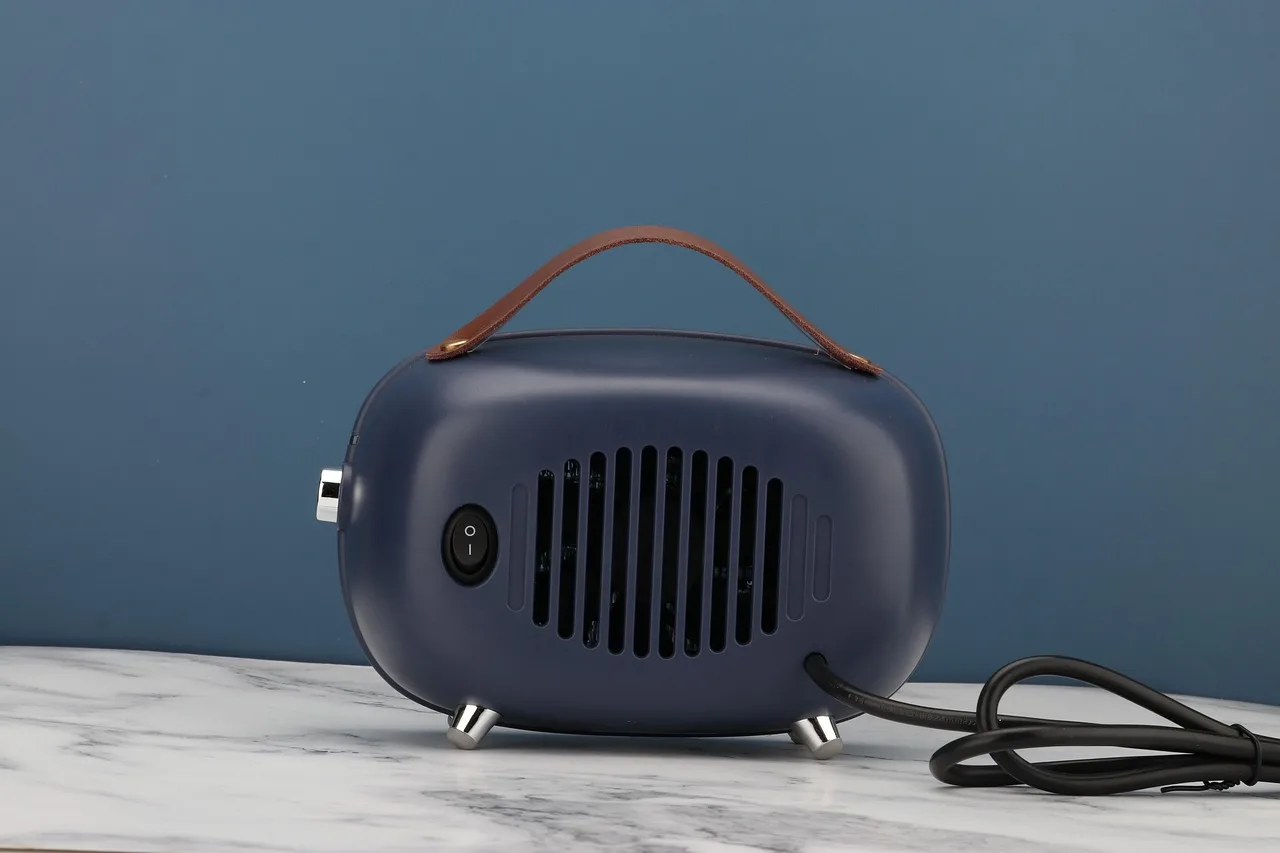
For a desk or bed-adjacent area, the best choice is usually a compact PTC ceramic heater with tip-over protection, overheat protection, and a small footprint. That setup gives you faster warm-up without needing a large floor zone, which matters in a tight shared room.
If the room is quiet-sensitive, an oil-filled model may be better for the bed side, but only if you have enough floor space. Never place a heater where bedding can touch it, even briefly.