Portable Heater with Tip-Over Protection: Why It Matters
Portable heater with tip-over protection matters because it cuts power when the heater falls or tilts past a set angle, but you should still treat it as the last safety backup, not a full safety plan. If you ignore it, a knocked-over heater can keep heating carpet, curtains, or bedding and turn a small mistake into fire damage. This guide explains what tip-over protection stops, what it cannot stop, and how to verify the feature before you buy.
The fall-to-ignition chain a tip-over switch interrupts
Tip-over protection matters because the hazard chain starts after the heater falls, not before. CPSC estimates portable electric heaters cause approximately 1,400 fires annually in the US, with about 50 deaths and 120 injuries each year. A shutoff that reacts after a fall can interrupt one of the most dangerous steps in that chain.
The point is simple: a heater that keeps running after it tips can place hot surfaces, hot air discharge, or glowing internal parts against carpet, bedding, drapes, or a pile of clothing. Tip-over protection is meant to stop that sequence by removing power fast enough to matter.
It is still only one part of the risk picture. A heater placed too close to fabric, used on a soft surface, or connected to a damaged cord can still create a hazard even if it has a tilt switch.
The fall-to-ignition chain
Think in steps. The heater falls, the heating elements stay energized, the hot face or outlet lands against something combustible, and heat transfer continues until material chars or ignites. Tip-over protection is designed to break that chain after the fall, before sustained heating can continue.
Say your 1500W space heater sits beside a desk in a small office and gets bumped by a chair. If the unit shuts off at the tilt event, the risk drops sharply. If it keeps running, the heater can keep dumping heat into the same spot while nobody notices right away.
What the shutoff is designed to stop
Tip-over protection is an automatic shutoff mechanism. It activates when the heater is knocked over or tilted and should de-energize the heating elements. In plain terms, it is meant to stop the heater from continuing to heat once the unit is no longer in a safe upright position.
That makes it a fire-risk control, not a comfort feature. It helps when the heater is displaced, but it does not correct poor placement, blocked vents, or misuse near combustible items.
What it cannot stop
A tilt switch does not stop overheating from blocked airflow, dust buildup, or internal faults. It does not repair a damaged cord. It does not make a heater suitable for wet locations. And it does not protect you from leaving the unit on a thick rug, bedding, or other unstable surface.
How tip-over protection works in a space heater
Tip-over protection works by sensing a tilt or fall and opening the circuit so current stops reaching the heating elements. In UL 1278, the portable electric heating appliances standard, tip-over switches are required to activate before the heater tips beyond its critical balance angle. That angle matters because the shutoff needs to happen before the unit fully loses stable contact with the floor.
Different products use different switch designs, but the user-facing result should be the same: the heater stops heating quickly when it is no longer upright. The speed and sensitivity of that response separate a useful safety feature from a marketing line.
Switch types and tilt response
Some heaters use a mechanical switch that changes state when the unit tilts past a set angle. Others use a weighted device or sensor assembly. Whatever the design, the real question is whether the heater shuts down reliably during a normal bump, slide, or knock.
Consumer Reports says top-performing heaters shut off within 10 seconds after being tilted. Treat that as a testing benchmark, not a universal safety rule. It tells you what strong performance can look like in product testing, not what every heater must do to be considered safe.
What de-energizing the heater means
When the heater de-energizes, the heating elements stop producing heat. That does not instantly cool every surface, but it does stop the continued energy input that can turn a brief contact into a sustained fire hazard.
That distinction matters. A fast shutoff limits heat growth; it does not erase the heat already present in the housing or metal parts.
Why balance angle matters
The balance angle is the point where the heater is no longer stable enough to stay upright. UL 1278 requires the switch to act before that critical angle is crossed. For buyers, that means the heater should be designed to shut down before the unit is actually past the point of safe balance.
Portable heater buyer checklist
| Safety feature | What to verify on the box or listing | What it actually prevents |
|---|---|---|
| Tip-over switch | Look for explicit wording such as “tip-over protection,” “tip-over shutoff,” or “automatic tip-over shut-off.” | Stops the heater from keeping the elements energized after a fall or tilt. |
| Overheat protection | Look for “overheat protection,” “thermal cutoff,” or “high-limit thermostat.” | Cuts power if internal temperature rises above a safe limit. |
| Cool-touch exterior | Check for “cool-touch” or similar wording on the housing and grille. | Reduces burn risk from accidental contact, especially for children and pets. |
| Certification mark | Verify a UL, ETL, or CSA mark on the unit, box, or approved listing images. | Shows the product was tested to a recognized safety standard. |
| Stable base | Look for a wide base, low center of gravity, or an oil-filled design with stable feet. | Helps the heater resist bumps, vibration, and accidental knockover. |
| Cord and placement warnings | Read the warning text for clear placement rules, cord clearance, and no-use-on-soft-surface guidance. | Helps prevent blocked airflow, cord damage, and contact with nearby combustibles. |
Is tip-over protection enough to make a heater safe?
No. Tip-over protection helps, but it is not enough by itself. A safe portable heater still needs overheat protection, a stable base, proper placement, and a certification mark. Without those, the heater can still fail in ways a tilt switch cannot catch.
The safety chain has several weak points. A tilt switch addresses only one of them, and only after the heater starts moving. It does nothing for hidden wiring faults, overheating caused by blocked intake space, or misuse in a wet area.
Blocked airflow and overheating
Overheat protection should work alongside tip-over protection. The Alibaba guide calls these devices thermal cutoff switches or high-limit thermostats, and that is the right idea for buyers too. If the heater overheats because air intake is blocked, the tip switch will not help unless the unit also has thermal cutout protection.
Picture a small bedroom heater pressed too close to a bedspread. Even upright, it can overheat if the air path is restricted. Tip-over protection does nothing in that setup because the heater never falls.
Cord damage and placement errors
A damaged extension cord, a loose outlet, or a cord run under a rug can create heat and arcing hazards that have nothing to do with tipping. Safe placement matters because the heater may stay upright and still be unsafe.
Do not place a portable heater where it can be brushed by a door, snagged by furniture, or hidden behind drapes. Those placement mistakes can defeat the point of every other safety feature.
Soft surfaces and wet areas
Soft surfaces are a problem because they can block vents and reduce stability. Wet areas are a different problem: many portable electric heaters are not rated for bathroom or other wet-location use. A tip switch does not make a dry-location heater safe near water.
That means the absence of a tip-over incident does not equal safety. The heater still needs the right environment, and that environment does not include damp floors, splashing sinks, or shower-adjacent spaces unless the product is explicitly rated for that use.
What standards should you verify?
Start with UL 1278, the portable electric heating appliances standard. It requires the tip-over switch function before the heater reaches its critical balance angle. Then check for a visible certification mark from UL, ETL, or CSA on the product listing, packaging, or label. That combination tells you more than a feature claim alone.
Certification is not the same thing as a marketing promise. A label claim can say almost anything. A certification mark tells you the product was evaluated against a recognized standard, which is a better filter when you are comparing models.
UL, ETL, and CSA marks
UL, ETL, and CSA are independent certification marks that buyers can verify on the box or the listing photos. They matter because they point to third-party testing, not self-declared safety language. If a heater claims tip-over protection but shows no certification mark, treat that as a warning sign.
A CPSC assessment found 27 out of 28 tested portable heater samples had tip-over switches. That is a useful reminder that the feature is common, but common is not the same as verified. You still need the certification mark and the clear shutoff claim.
How to read a listing or box
Use a simple pre-purchase check. First, find the certification mark. Second, confirm tip-over shutoff is stated plainly. Third, confirm overheat protection is listed. Fourth, read the warnings for placement, surface type, and cord handling.
- Check for a UL, ETL, or CSA mark.
- Confirm the listing says tip-over protection or automatic shutoff.
- Look for overheat protection, thermal cutoff, or high-limit thermostat language.
- Read the placement warnings for clearance, surface, and cord rules.
- Reject any model that gives vague safety language but no clear feature details.
Oil-filled heater safety basics
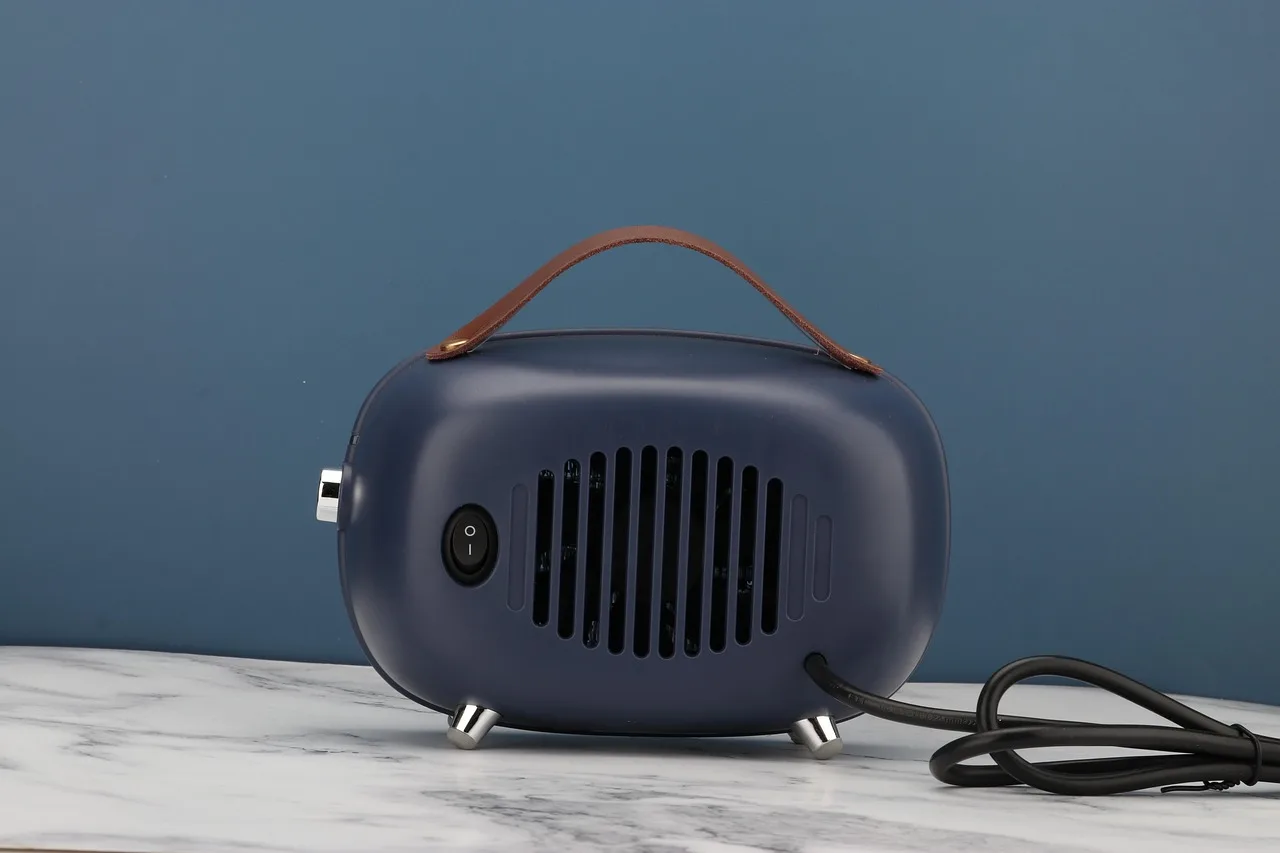
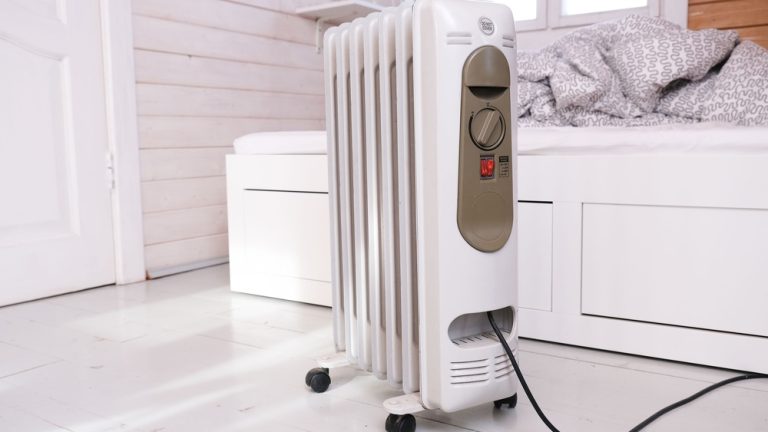
Oil-filled portable heaters are a common category with sealed, non-combustible oil inside the radiator body. They are often described as quiet because they deliver radiant and convection-style heat without a fan. Many modern models also include automatic tip-over shut-off switches.
That does not make them immune to the same placement rules. They still need a stable surface, a clear area around the unit, and proper certification. The filled oil stays inside the heater; it does not make careless placement safe.
How oil-filled models differ
Oil-filled heaters usually have a heavier body and fewer exposed hot parts than coil-based units, which can help with stability and user contact risk. Some buyers prefer them for bedrooms or offices because they do not blow dust around and tend to run quietly.
Still, “quieter” is not “risk free.” The same shutoff and certification checks apply. A model that is quiet but lacks overheat protection is still a poor choice.
Why shutoff protection still matters
An oil-filled heater can still tip. If it does, automatic shutoff prevents the unit from continuing to heat while it is in contact with carpet, a baseboard, or nearby fabric. The fact that the oil is sealed inside does not remove the need for shutoff protection.
That is why a buyer should not treat oil-filled as a blanket safety label. It is a heater type, not a substitute for feature verification.
Placement rules still apply
Use the same placement discipline you would use with any portable heater: level floor, clear space, no drapes touching the unit, no bedding nearby, and no use on soft, unstable surfaces. These rules matter because even a well-built heater can be defeated by bad positioning.
A common first-timer mistake is putting a heater under a desk to warm feet, then letting papers or a bag drift against it. Tip-over protection will not help there because the heater may stay upright while the surrounding clutter gets too close.
Frequently asked questions
Why does tip-over protection matter on a portable heater?
It matters because a fall can turn a normal heater into a fire source. Tip-over protection cuts power after the heater tilts or falls, which can stop heating before the unit continues warming carpet, bedding, curtains, or other combustible material.
How does tip-over protection work in a space heater?
A switch or sensor detects a tilt or fall and opens the circuit so the heating elements lose power. In UL 1278 terms, the switch should activate before the heater goes beyond its critical balance angle. That response is the core of the feature.
What other safety features should I look for besides tip-over shutoff?
Look for overheat protection, often labeled thermal cutoff or high-limit thermostat, plus a cool-touch exterior, a wide stable base, and a UL, ETL, or CSA mark. Also read the placement warnings carefully. Those details matter as much as the shutoff claim.
Do all portable heaters have tip-over protection?
No. Many do, but not all. A CPSC assessment found 27 out of 28 tested portable heater samples had tip-over switches, which shows the feature is common but not universal. You still need to verify it on the exact model you plan to buy.
How fast should a heater shut off after tipping over?
There is no universal consumer pass/fail number, but Consumer Reports says top-performing heaters shut off within 10 seconds after being tilted. Treat that as a testing benchmark, not a safety standard. The key point is prompt shutdown, not a promise of the same timing on every model.
Are oil-filled portable heaters safe if they tip over?
They can be safer in some respects, but they still need tip-over shutoff, overheat protection, and good placement. The sealed oil does not remove the fire risk if the heater keeps heating after a fall or sits too close to combustible material.
What standards or certifications should a safe portable heater have?
Look for UL 1278 in the product information and a visible UL, ETL, or CSA certification mark. Those are the clearest buyer-side checks. Also confirm the listing names tip-over shutoff and overheat protection instead of using vague safety language.