Heater Maintenance to Prevent Future Breakdowns
Do heater maintenance once a year before heating season: replace filters about every 1 to 3 months, clear vents, check the thermostat, clear light debris around a heat pump outdoor unit, and schedule a professional inspection before heating season. Skipping those steps raises the odds of airflow faults, ignition trouble, higher bills, and a mid-winter breakdown. This guide maps the main maintenance tasks to the failures they prevent, plus what you can do yourself and when to call a technician.


Most heater failures start small. Airflow gets restricted. Ignition parts get dirty. Wiring loosens. Drains block. A cleaning and safety check catches those issues before they turn into short cycling, shutdowns, water damage, overheating, or a gas safety hazard.
That is why a maintenance visit is not one generic tune-up. Filters, burners, flame sensors, igniters, drain lines, and electrical parts fail in different ways, and they do not all need the same schedule.
Heater maintenance matrix
| Maintenance task | System type | DIY or pro | Warning signs | Failure modes it helps prevent | Recommended frequency | Priority score |
|---|---|---|---|---|---|---|
| Air filter check and replacement | Furnace, heat pump, packaged unit | DIY | Weak airflow, dust buildup, short cycling | Restricted airflow, overheating, short cycling, shutdowns | Monthly to quarterly, as needed | 5 |
| Burners clean and inspect | Gas furnace | Pro | Delayed ignition, uneven heat, repeated resets | Ignition failure, poor combustion, uneven heating | Annual professional service | 5 |
| Flame sensor clean and test | Gas furnace | Pro | Nuisance shutdowns, ignition lockout | Failed flame detection, nuisance shutdowns | Annual professional service | 5 |
| Igniter inspect for wear | Gas furnace | Pro | Clicks without heat, repeated start attempts | Delayed ignition, no-heat calls, repeated starts | Annual professional service | 5 |
| Thermostat verify operation | Furnace, heat pump | DIY | Display lag, overshoot, short cycling | False no-heat calls, short cycling, uneven comfort | Seasonal check | 4 |
| Condensate drain clear blockage | High-efficiency furnace, heat pump | Pro | Standing water, wet pan, drain alarm | Water backup, drain pan overflow, system shutdowns | Seasonal, more often in humid use | 4 |
| Electrical connections inspect and tighten | Furnace, heat pump | Pro | Intermittent starts, breaker trips, burning smell | Intermittent failures, breaker trips, heat loss from loose wiring | Annual professional service | 5 |
| Blower components clean and inspect | Furnace, heat pump, air handler | Pro | Noise, weak airflow, overheating | Weak airflow, overheating, noise, short cycling | Annual professional service | 4 |
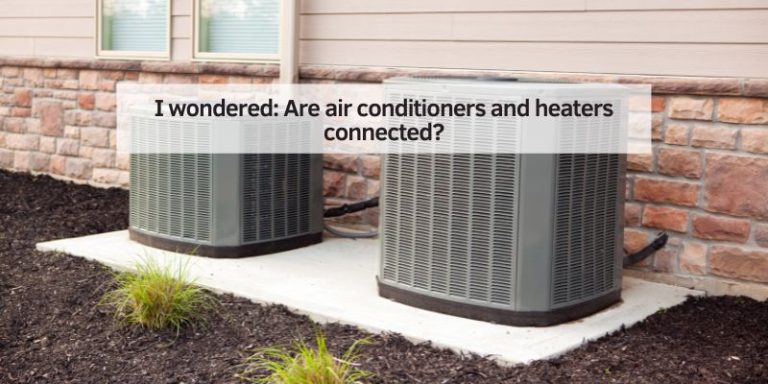
| Outdoor unit clean and level | Heat pump | DIY, with care | Blocked coil, restricted airflow, heavy debris | Heat pump airflow loss, coil blockage, strain on the system | Spring and fall | 4 |
The highest-value items are the filter, burners, flame sensor, igniter, and electrical connections. Those parts drive most emergency calls because they control airflow, ignition, and safe operation. The thermostat and condensate drain come next, because a control fault or backed-up drain often looks like a full heater failure.
Which maintenance tasks can you do yourself?
You can handle basic filter checks, simple thermostat checks, and light debris removal around a heat pump outdoor unit. Leave burners, flame sensors, igniters, heat exchangers, venting, and detailed electrical testing to a technician, because those parts affect combustion safety and live electrical components.
-
Check the air filter. Look at it monthly during heavy use and replace it when it is dirty or restrictive. A monthly or quarterly interval depends on dust, pets, and run time, but a clogged filter can push the system toward overheating or shutdown.
-
Verify thermostat response. Raise the setpoint a few degrees and confirm that the system starts, runs, and stops normally. If the display lags, the room temperature overshoots, or the heater short cycles, the problem may be the control, not the furnace or heat pump itself.
-
Clear light outdoor debris. For a heat pump, remove leaves, grass clippings, and snow around the cabinet, and keep the area open so air can move through the coil. Do not bend fins or spray water into electrical parts.
Say your heat pump has a 1-inch filter and the supply rooms feel weak after two weeks of dust-heavy construction nearby. A quick filter change may restore airflow before the blower starts running hot and the unit begins cycling off on a limit control.
What should a technician handle?
A technician should handle burners, flame sensors, igniters, heat exchangers, venting, condensate drains on high-efficiency systems, and all electrical testing. Those tasks require access to gas components, combustion checks, and live wiring, and they are the parts most tied to carbon monoxide risk, fire risk, and recurring shutdowns.
-
Clean and inspect burners. On gas systems, burners affect ignition quality and combustion pattern. Annual service should include checking and cleaning them so the flame lights cleanly and the heater does not start with delayed ignition or uneven heating.
-
Test the flame sensor. A dirty or weak flame sensor can cause nuisance shutdowns on gas furnaces. Cleaning and testing it during service helps the control board confirm flame presence instead of shutting the unit off mid-cycle.
-
Inspect the igniter. Cracks, wear, or weak output can lead to failed starts or repeated attempts to ignite. A failing igniter often shows up as repeated resets or a furnace that clicks but does not light.
-
Check electrical wear parts. Capacitors and contactors are common wear items on heat pumps, and they are checked during maintenance because thermal cycling can weaken them over time. Loose or corroded connections can also cause intermittent failures that are hard to spot without testing.
-
Inspect the heat exchanger. On gas equipment, this is a safety-critical inspection for cracks or damage. A cracked heat exchanger can create carbon monoxide risk, so this is not a DIY item.
-
Clear the condensate drain. High-efficiency systems can back up water if the drain is blocked. That can trigger shutdowns, leak into nearby materials, or cause the unit to stop before it finishes a heating cycle.
How often should each item be maintained?
Monthly, quarterly, seasonal, and annual tasks are not the same. Filters need the shortest interval, heat pump outdoor units need seasonal attention, and gas furnace safety checks belong in yearly professional service. Heat pumps benefit from spring and fall maintenance, while most systems should be maintained once a year.
Monthly and quarterly tasks
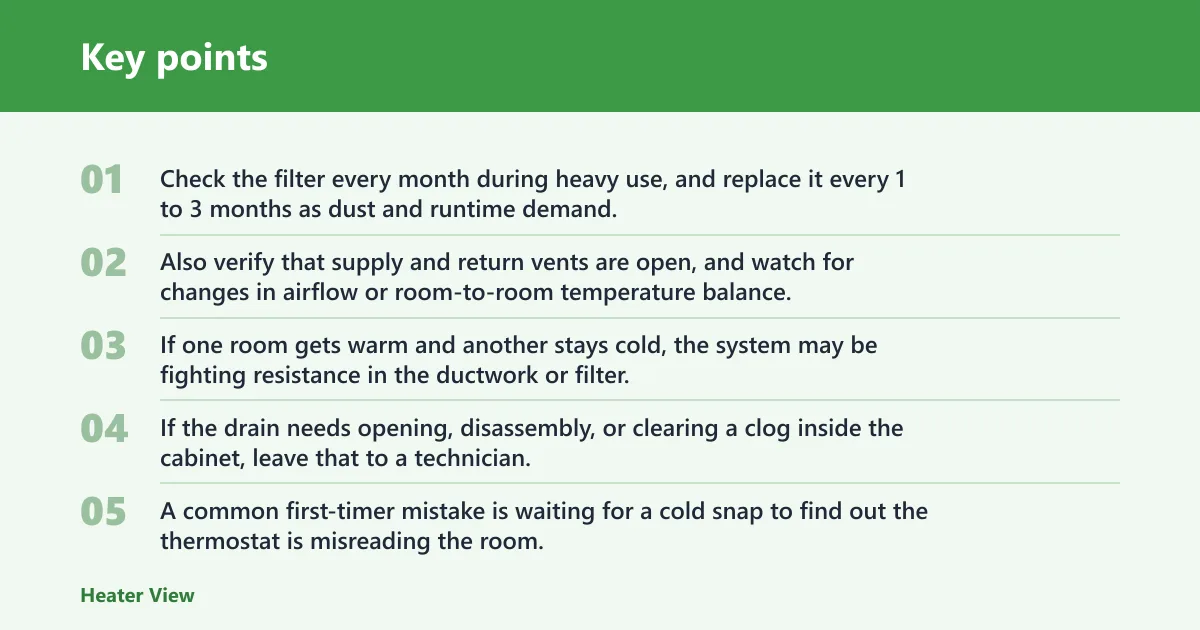
Check the filter every month during heavy use, and replace it every 1 to 3 months as dust and runtime demand. That single task is one of the strongest defenses against restricted airflow, overheating, and a shutdown that looks like a broken heater.
Also verify that supply and return vents are open, and watch for changes in airflow or room-to-room temperature balance. If one room gets warm and another stays cold, the system may be fighting resistance in the ductwork or filter.
Seasonal tasks before heating demand rises
Before the heating season, check thermostat response, clear the heat pump outdoor unit, and inspect the condensate drain if the system has one and the drain line is visible. Seasonal service catches the problems that show up only after long idle periods, such as debris buildup, sluggish controls, and drain blockage. If the drain needs opening, disassembly, or clearing a clog inside the cabinet, leave that to a technician.
A common first-timer mistake is waiting for a cold snap to find out the thermostat is misreading the room. If the display says 70°F but the house feels cold and the system cycles rapidly, that control issue can look like a furnace failure.
Annual service for gas furnaces and heat pumps
Annual professional service commonly includes burners, the flame sensor, the igniter, the heat exchanger, electrical connections, capacitor and contactor checks, blower components, and carbon monoxide safety checks on gas equipment. For heat pumps, the outdoor unit should be cleared and leveled, and the technician should inspect electrical wear parts.
For many households, that annual visit is the right backbone, but it is not enough by itself if the filter is ignored or the drain line starts to clog. Maintenance works best as a schedule, not a once-a-year fix.
What breakdown signs mean maintenance is overdue?
Maintenance is overdue when the heater starts showing early warning signs: uneven heating, frequent cycling, delayed ignition, musty odors near the drain, tripped breakers, or repeated resets. Those signs usually point to airflow restriction, ignition trouble, water backup, or electrical faults before a full failure happens.
Airflow and cycling warning signs
Short cycling, weak airflow, and rooms that heat unevenly often point to a dirty filter, blower issue, or blocked return path. If the heater reaches temperature too fast and shuts off, or runs longer than normal without moving much air, airflow should be checked first.
Most skipped-maintenance failures start here: dirty filter > restricted airflow > limit switch trips > short cycling. The same pattern can also strain the blower and make the heater feel unreliable even when the core parts are still intact.
Ignition and shutdown warning signs
Delayed ignition, repeated clicking, or a furnace that starts and stops after a few seconds often points to burners, the flame sensor, or the igniter. Gas systems should not be ignored when they begin to lock out or need repeated resets.
Another common chain is dirty flame sensor > flame not proven > ignition lockout. If the system shuts down only after several failed starts, the fault is already moving from maintenance issue to recurring failure.
Water, odor, and electrical warning signs
Musty odors near the drain, standing water near the cabinet, or a wet condensate pan can mean the drain is blocked. Tripped breakers, burning smells, or intermittent starts point to electrical wear, loose connections, or a failing contactor or capacitor.
Those symptoms should move a technician visit to the front of the line. Water damage and electrical failure rarely stay small for long.
How does regular heater maintenance improve safety and efficiency?
Regular maintenance improves safety by reducing overheating, carbon monoxide exposure, water backup, and electrical failure. It improves efficiency by keeping airflow, ignition, and control response closer to design conditions, which helps the system start cleanly, run steadily, and avoid wasteful short cycling.
It makes sense because a heater that can move air freely, light reliably, and sense temperature accurately does less work to deliver the same comfort.
Overheating and shutdown prevention
Restricted airflow makes the heat exchanger and blower work harder, which can trip safety controls or shut the system down. Clean filters, clear returns, and healthy blower parts reduce that strain.
Carbon monoxide and venting checks
Gas equipment needs combustion and venting checks during professional service. A cracked heat exchanger, blocked vent, or poor burner pattern can create a serious hazard even if the heater still produces heat for a while.
Water backup and electrical fault prevention
Condensate drain service prevents water from backing into places it should not be. Electrical inspections help catch worn capacitors, loose terminals, and corroded connections before they turn into intermittent outages or a dead system.
Frequently asked questions
How often should I maintain my heater to prevent breakdowns?
Most systems should get maintenance once a year, with heat pumps benefiting from spring and fall attention. Filters need monthly or quarterly checks depending on dust, pets, and runtime. If the unit sees heavy use or has already shown problems, do not wait for the annual visit.
What heater maintenance can I do myself versus leave to a pro?
You can replace filters, check thermostat response, and clear light debris around a heat pump. Leave burners, flame sensors, igniters, heat exchangers, venting, condensate-drain clearing in complex cases, and electrical testing to a technician because those tasks involve safety-critical parts and live wiring.
Which heater parts usually fail when maintenance is skipped?
Filters, burners, flame sensors, igniters, electrical connections, capacitors, contactors, blower parts, and condensate drains are common trouble spots. When maintenance is skipped, those parts often lead to airflow restriction, ignition failure, short cycling, shutdowns, water backup, or intermittent electrical faults.
What should be included in a professional heater maintenance visit?
A professional visit should include filter check and replacement as needed, burner cleaning, flame sensor testing, igniter inspection, electrical connection checks, capacitor and contactor checks, heat exchanger inspection, carbon monoxide checks on gas equipment, blower inspection, and outdoor unit cleaning and leveling for heat pumps.
Can filter changes or dirty filters cause heater breakdowns?
Yes. A dirty filter restricts airflow, raises strain on the blower and heat exchanger, and can trigger overheating or shutdowns. If the heater starts short cycling, running hot, or sending weak airflow to rooms, the filter should be checked before blaming larger parts.
What signs mean my heater needs maintenance now?
Uneven heating, frequent cycling, delayed ignition, musty odors near the drain, tripped breakers, repeated resets, and weak airflow are all warning signs. Those symptoms usually mean the system is already overdue for service, not merely due for a future tune-up.
Is annual heater maintenance enough for a furnace or heat pump?
Annual service is a good baseline, but it is not enough on its own. Furnaces still need filter checks and gas safety work, while heat pumps also need seasonal outdoor-unit cleaning and attention to debris buildup. Some tasks are monthly, some seasonal, and some annual.