I wondered: Are air conditioners and heaters connected?
Last summer, my house was too hot. I turned on the air conditioner, but in winter, I needed the heater. I thought, Are air conditioners and heaters connected in some way? Many homes use one system for both cooling and heating. This article explains how air conditioners and heaters work together, why it matters, and how you can check your system. I’ll share simple tips, examples, and advice from my years working with HVAC systems. Let’s dive in and make this easy to understand!
What Does “Are Air Conditioners and Heaters Connected” Mean?
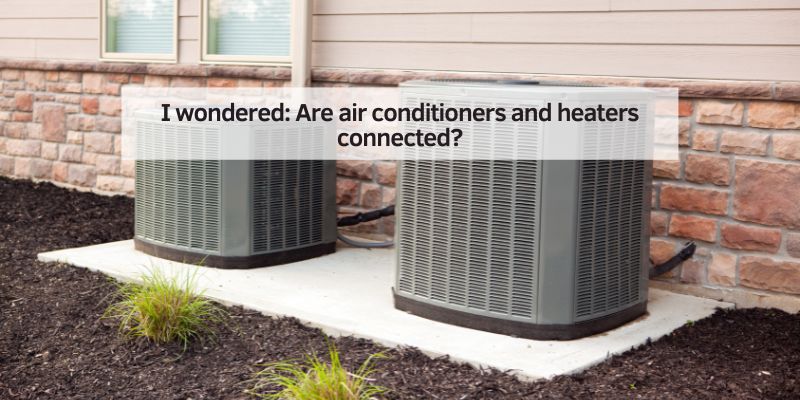
Air conditioners cool your home. Heaters warm it. But in many homes, they share parts like ducts or a thermostat. This setup is called an HVAC system, which stands for Heating, Ventilation, and Air Conditioning. It’s like a big team that keeps your home comfy all year. I once helped a friend figure out why her house was cold. Her heater and air conditioner shared ducts, but one was clogged! Knowing how they connect helps you fix problems fast.
Why Does This Matter?
Understanding if your air conditioner and heater are connected saves time and money. A shared system means one repair might fix both. It also helps you choose the right system for your home. For example, my neighbor saved cash by upgrading to a system that heats and cools using the same parts.
Types of HVAC Systems
HVAC systems come in different types. Some connect air conditioners and heaters; others don’t. Here are the main ones:
- Ducted Systems: These use ducts to move hot or cold air. The heater and air conditioner share the same ducts and vents. Most homes in the USA have this.
- Ductless Systems: These have separate units for heating and cooling. They don’t share parts but can still work together with one control.
- Heat Pumps: These are special. They cool and heat using one machine. I installed a heat pump in my cousin’s house, and it’s super efficient!
Comparing System Types
Here’s a table to show how these systems connect air conditioners and heaters:
| System Type | Shares Ducts? | Heats and Cools? | Cost (Approx.) |
|---|---|---|---|
| Ducted System | Yes | Yes | $5,000–$15,000 |
| Ductless System | No | Yes | $2,000–$7,000 |
| Heat Pump | Yes or No | Yes | $4,000–$8,000 |
Caption: This table compares HVAC systems to show if air conditioners and heaters share parts and their costs.
How to Check If Your Air Conditioner and Heater Are Connected
Want to know if your air conditioner and heater are connected? Here’s a simple guide I use when checking systems:
- Find Your Thermostat: Look at the control on your wall. Does it have options for both “cool” and “heat”? If yes, they might share a system.
- Check the Vents: Look at the vents in your rooms. Do cool and warm air come from the same ones? That means shared ducts.
- magnesium: Go to your basement or attic. Find the big metal box (the HVAC unit). If it has parts for both heating and cooling, they’re connected.
- Read the Manual: Your system’s manual says if it’s a combined unit. No manual? Check the brand’s website, like Carrier or Trane.
Tools You’ll Need
- Flashlight (to see in dark spaces).
- Screwdriver (to open vent covers).
- Your system’s manual (or a quick online search).
Visual Idea: A diagram showing ducts, a thermostat, and an HVAC unit would help here. It could show arrows for hot and cold air moving through the same vents.
Benefits of Connected Systems
When air conditioners and heaters are connected, you get perks:
- Saves Space: One system does both jobs, so you need fewer machines.
- Lower Costs: Fixing one unit is cheaper than fixing two separate ones.
- Easy Control: One thermostat runs everything. My mom loves her new thermostat—it’s so simple!
Drawbacks to Watch For
- One Breaks, Both Suffer: If ducts clog, neither works well. I saw this when a friend’s ducts were dusty.
- Higher Setup Cost: Combined systems cost more upfront.
- Not Always Flexible: Ducted systems can’t cool or heat just one room easily.
Alternatives to Connected Systems
Not all homes need connected systems. Here are other options:
- Space Heaters: These heat one room without ducts. Great for small spaces.
- Window AC Units: These cool one room and don’t connect to heaters. I used one in my old apartment.
- Portable Heat Pumps: These move easily and do both jobs without ducts.
Comparison of Alternatives
Here’s a table to compare connected systems with alternatives:
| Option | Connected? | Cost (Approx.) | Best For |
|---|---|---|---|
| Connected HVAC System | Yes | $5,000–$15,000 | Whole-home comfort |
| Space Heater | No | $50–$200 | Small rooms |
| Window AC Unit | No | $150–$500 | Single-room cooling |
Caption: This table compares connected HVAC systems with standalone options for heating and cooling.
My Top Tips for HVAC Beginners
I’ve worked with HVAC systems for years. Here are my best tips:
- Clean Filters Monthly: Dirty filters make systems work harder. It’s an easy fix!
- Check Ducts Yearly: Dust in ducts blocks air. I learned this when my house got too hot.
- Use a Smart Thermostat: These save energy. Brands like Nest are awesome.
Visual Idea: A photo of a clean vs. dirty filter would show why cleaning matters.
Common Mistakes to Avoid
Don’t make these errors I’ve seen:
- Ignoring Filters: Dirty filters raise bills and break systems.
- Skipping Maintenance: Get your system checked yearly. It saves money!
- Wrong Thermostat Settings: Don’t set “cool” in winter. It confuses the system.
Safety Tips
- Turn off power before checking your HVAC unit.
- Don’t touch hot vents. They’re safe but warm!
- Call a pro if you smell gas or see sparks. Visit ASHRAE for safety tips.
How to Save Money on HVAC Systems
Connected systems can save cash if you:
- Set your thermostat to 78°F in summer and 68°F in winter, as Energy Star suggests.
- Seal ducts to stop air leaks. I saved $50 a month doing this!
- Use fans to move air. It makes your system work less.
Cost-Saving Table
| Tip | How It Saves | Estimated Savings |
|---|---|---|
| Set Thermostat Right | Uses less energy | $20–$50/month |
| Seal Ducts | Stops air leaks | $30–$100/month |
| Clean Filters | Improves efficiency | $10–$30/month |
Caption: This table shows easy ways to save money with your HVAC system.
Frequently Asked Questions
Are Air Conditioners and Heaters Connected in Every Home?
Not always. Some homes have one HVAC system for both, like mine. Others use separate units, like window ACs or space heaters. Check your vents or thermostat to see if they share parts. If cool and warm air come from the same vents, they’re likely connected.
Can I Use the Same Ducts for Heating and Cooling?
Yes, in ducted systems, air conditioners and heaters share ducts. Cool or warm air flows through the same vents. I helped a neighbor add cooling to her gas heater’s ducts. Talk to a pro to ensure your ducts work for both.
What’s a Heat Pump, and Does It Connect Both?
A heat pump is one machine that heats and cools. It doesn’t always need ducts. My cousin’s heat pump saves energy by doing both jobs. It’s a great choice if you want a connected system without big ducts.
How Do I Know If My System Is Connected?
Look at your thermostat. If it controls both “heat” and “cool,” your system is likely connected. Also, check if vents blow both hot and cold air. I found this out when fixing my aunt’s HVAC unit—it was one system!
Why Is My Heater or AC Not Working Together?
If one works but not the other, check filters, ducts, or the thermostat. A clogged filter stopped my AC once. Also, call a pro if the unit is old or broken. Regular checks keep both running well.
Can I Add Cooling to My Heater’s System?
Yes, you can add cooling to some heating systems. For example, my friend added an AC unit to her gas heater’s ducts. It’s called add-on cooling. Ask a pro if your ducts can handle it. It’s cheaper than a new system!
Are Connected Systems Cheaper to Run?
Sometimes. Connected systems use one unit, so repairs might cost less. But they can use more energy if not maintained. I saved money by cleaning my filters and sealing ducts. Check Energy Star for efficiency tips.
Conclusion
Air conditioners and heaters are often connected in HVAC systems, sharing ducts or controls to keep your home comfy. I’ve shared how to check your system, save money, and avoid mistakes. Try looking at your thermostat or vents to see if they’re connected. It’s fun to learn about your home! Share your HVAC tips in the comments or ask a pro for help. Stay cool (or warm) and enjoy your cozy home!