Water Heater Thermostat Problems and Fixes
On an electric tank, one thermostat that sticks or fails usually causes no hot water, water that runs too hot, or only part of the tank heating. Test the elements first, then replace the thermostat only if both elements pass. Guessing wrong wastes parts, can trip breakers, and may leave a gas tank with cold showers or unsafe ignition behavior. This article shows how to isolate thermostat problems on electric and gas water heaters, rule out power, sediment, element, and ignition faults, and decide when to replace the thermostat or call a technician.
What you’ll need


- Screwdriver set for the access covers and thermostat plates
- Non-contact voltage tester
- Multimeter with continuity and resistance functions
- Flashlight
- Insulated gloves
- Owner’s manual or wiring diagram for your exact model
- Bucket and hose for flushing sediment if needed
- Replacement thermostat matched to the heater’s wiring diagram and element configuration
Is the thermostat actually the problem?
Bad temperature control can come from the thermostat, but it may also come from the heating element, power supply, sediment, pilot system, thermocouple, or a gas source problem. Start by separating the symptom into electric or gas behavior, then rule out the common look-alikes before you touch the thermostat.
-
Shut power or gas off. Turn off the breaker for an electric unit or set the gas control to off before removing covers. That keeps the diagnosis focused on the right component and avoids working around live parts.
-
Check for the symptom pattern. No hot water, lukewarm water, or water that swings from cold to too hot points in different directions. On electric tanks, one failed thermostat can cause partial heating; on gas tanks, similar complaints may also come from pilot or ignition trouble.
-
Inspect for visible clues. Look for scorch marks, loose connections, wet insulation, corrosion, or melted wires around the access panels. If the tank is leaking, noisy, or producing low pressure, those are separate problems that can sit beside thermostat trouble.
-
Check the pressure relief valve. Lift the test lever briefly and confirm it moves and discharges safely into the drain line. It is not the thermostat, but it belongs in the same safety check before further troubleshooting.
Check the thermostat setting and reset
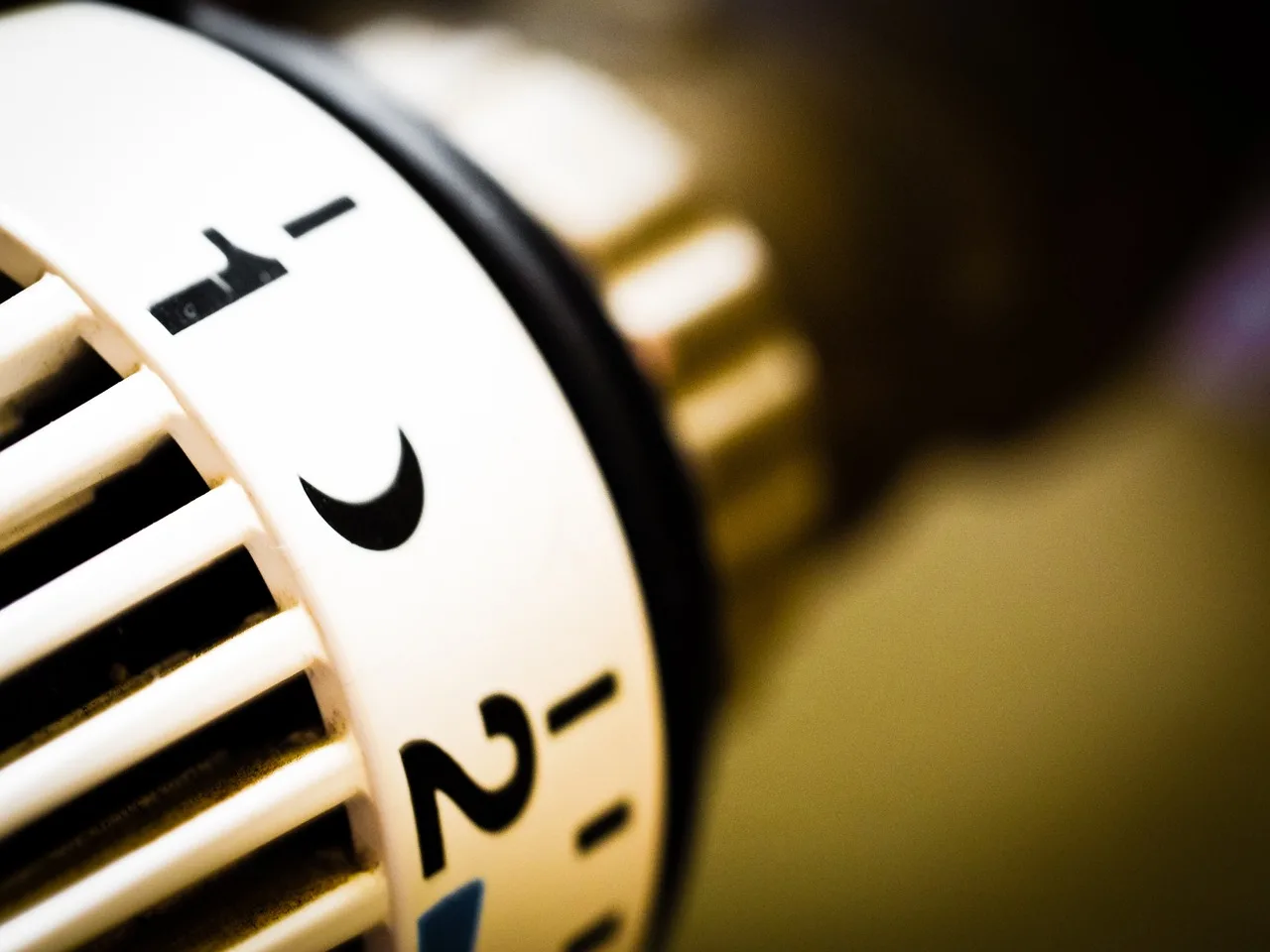
A thermostat set too low can explain water that is not hot enough, and a common target is about 120 degrees Fahrenheit. If the setting looks wrong, adjust it, then give the tank time to recover before you decide anything has failed. A malfunction may also need a reset to the desired temperature.
-
Find the current setting. Remove the access panel and insulation on an electric tank, or check the gas control knob on a gas unit. Compare the dial position to the marking on the control before you change anything.
-
Adjust to 120°F. Set the thermostat to about 120 degrees Fahrenheit, then wait long enough for the tank to cycle and recover. That setting balances comfort, safety, and energy use for many homes.
-
Reset after adjustment. If the heater has a reset feature, follow the manual and return the control to the desired temperature after the fault clears. A reset can restore operation, but it does not prove that the thermostat itself is healthy.
Thermostat troubleshooting matrix
The clearest proof comes from matching the heater type to the symptom pattern, then ruling out the most likely fault in order. On electric units, a thermostat problem is not the first assumption unless power is present and the element test points elsewhere. On gas units, pilot and thermocouple faults can mimic a bad control.
| Symptom | Likely cause | Quick homeowner check | Next action |
|---|---|---|---|
| Electric single-element tank: no hot water or only a short burst | Thermostat, heating element, or electricity connection | Check the breaker, then inspect the thermostat setting and element wiring for looseness | If the breaker is fine and the element still does not heat, replace the failed part that does not match the heater’s expected reading |
| Electric dual-element tank: hot top, cold bottom, or uneven recovery | Upper thermostat, lower thermostat, or lower element | Confirm the upper thermostat is calling for heat before the lower section is checked | Match the thermostat to the wiring diagram and element configuration; replace the part that fails the correct test |
| Gas unit: no hot water or water that never reaches target temperature | Pilot, pilot control valve, thermocouple, gas source, or thermostat control | Confirm the pilot is lit and the gas supply is on | Address ignition or fuel problems first; if those are sound, the control may need replacement |
| Any unit: recurring cool water after adjustment | Thermostat worn out, sediment buildup, or a companion failure | Look for popping, banging, or hissing, then check whether output dropped after mineral buildup | Flush sediment if buildup is suspected; replace the thermostat only when the rest of the system checks out |
Use the matrix as a decision checkpoint, not a guess. If the symptom changes after an adjustment, the control may have been set low rather than failed. If the symptom stays the same after the setting is corrected, move to the element on electric heaters or the pilot and thermocouple on gas heaters before replacing the thermostat.
Should you replace the thermostat or the heating element?
On electric water heaters, the thermostat and heating element usually need to be diagnosed as a pair. Insufficient hot water can come from either one, and continuity alone does not prove a thermostat is bad because the reading depends on temperature and switch position. Replace the part that fails the correct check.
How do you isolate the fault on an electric heater?
Start with the easiest checks and move in a fixed order: setting, reset, breaker or power, element condition, sediment signs, then thermostat replacement criteria. That sequence keeps you from replacing a control when the real fault is a burned-out element, loose wiring, or mineral buildup restricting heat transfer.
-
Check the setting and reset first. Confirm the thermostat is not set too low and use the reset only if the manual allows it. A control that was simply out of range should not be replaced.
-
Verify breaker and power. Turn off the breaker before opening the panel, then use a non-contact voltage tester to confirm the circuit is de-energized. If the breaker is tripped or power is missing, the thermostat is not the first suspect.
-
Test the element. With power off, inspect the element wiring for damage and test the element according to the manual. If the element fails, it can make the thermostat appear faulty because the tank still will not heat correctly.
-
Look for sediment signs. Popping, banging, or hissing can point to scale at the tank bottom. Sediment can limit heat transfer and create symptoms that seem like thermostat failure even when the control is functioning.
-
Replace the thermostat only if the control is still the outlier. If the breaker is sound, the element passes, and the symptom still tracks the thermostat setting or reset behavior, the thermostat becomes the likely replacement part.
How do you replace an electric thermostat?
Electric replacement is mostly a wiring and matching job. The control must fit the heater’s voltage, element layout, and terminal locations exactly. If the model uses upper and lower thermostats, the replacement has to match the same section and terminal arrangement shown in the diagram.
-
Turn off power. Switch off the breaker and confirm the unit is dead before opening the access area.
-
Remove the cover and insulation. Expose the thermostat without disturbing the wiring more than necessary.
-
Record the wiring layout. Use the owner’s manual or wiring diagram so each wire returns to the correct terminal.
-
Swap in the matched part. Install the replacement thermostat that matches the heater’s configuration, then reconnect wires one at a time as shown in the diagram.
-
Reassemble and restore power. Replace insulation and the cover, then turn the breaker back on and monitor recovery.
How do gas water heaters differ?
Gas units usually need a fuel-side check before the thermostat is blamed. A gas control can fail, but no hot water or weak recovery more often starts with the pilot, pilot control valve, thermocouple, or gas supply. If ignition is unstable, thermostat replacement will not solve the complaint.
-
Confirm gas supply. Make sure the gas shutoff is open and the appliance has fuel.
-
Check the pilot. If the pilot is out, relight it only if the manual allows it and conditions are safe.
-
Inspect the thermocouple and pilot control valve. If the pilot will not stay lit, the thermocouple or pilot control valve may be preventing steady operation.
-
Replace the thermostat only after ignition checks pass. When the pilot, thermocouple, and fuel supply are sound but the heater still misses temperature targets, the control becomes the stronger suspect.
Say your electric tank has lukewarm water even after you turn the dial up. If the breaker is on and the upper element still fails under the manual’s test, replacing the thermostat will not fix the real problem. The element is the more likely fault.
Suppose a gas heater makes hot water only after several relight attempts. That points more strongly to pilot or thermocouple trouble than to the thermostat setting. In that case, chasing the temperature knob wastes time.
Common mistakes
Thermostat work goes wrong when the symptom is blamed too early. The biggest mistake is replacing the control before checking power, element wear, pilot ignition, and sediment buildup. Another common miss is turning the dial and expecting an immediate change, when the tank still has to recover.
- Do not use continuity alone as the verdict.
- Do not replace an electric thermostat without checking the element.
- Do not skip the gas source, pilot, or thermocouple on a gas unit.
- Do not ignore sediment if you hear popping, banging, or hissing.
- Do not leave the heater at an overly high setting; around 120 degrees Fahrenheit is the typical target.
- Do not attempt energized 240V testing unless you are trained to work on live circuits.
If that didn’t work, try this next: on an electric tank, verify the breaker and wiring, then test the heating element, then the thermostat, then replace the failed part. On a gas tank, confirm the gas supply, pilot, pilot control valve, and thermocouple before you blame the thermostat.
Frequently asked questions
How do I know if my water heater thermostat is bad?
Look for temperature swings, water that stays too cool after adjustment, or a reset that only helps briefly. On an electric tank, rule out the heating element first. A thermostat that does not react at the right temperature or keeps failing after a reset is the stronger replacement candidate.
How do I replace a water heater thermostat?
Turn off power, remove the access panel, note the wiring diagram, and replace the thermostat with the exact match for your heater’s configuration. On dual-element units, upper and lower controls must match the layout shown by the manufacturer. Reconnect wires one at a time only if the diagram confirms the same terminals.
How do I change the thermostat on a water heater?
Use the owner’s manual to identify the correct thermostat, then shut off power or gas before opening the access area. Transfer only the connections shown in the diagram, set the new control to about 120 degrees Fahrenheit, and reassemble the insulation and cover before restoring power.
How do I fix a water heater thermostat?
Start with the setting, then reset it if the manual allows it. If temperature complaints continue, isolate the fault against the heating element on electric units or the pilot and thermocouple on gas units. Replace the thermostat only after those parts check out and the symptom still points to control failure.
Why is my hot water not hot enough even after adjusting the thermostat?
The thermostat may be fine, but a failed heating element, sediment buildup, or a gas ignition fault can still limit output. Sediment at the tank bottom reduces heating efficiency, and gas units can lose heat if the pilot, thermocouple, or gas source is not working properly.
Can a faulty thermostat cause no hot water?
Yes. A stuck or dead thermostat can leave an electric tank with no hot water, or cause only partial heating. On a gas unit, similar symptoms can appear when the pilot or thermocouple fails, so the thermostat should be only one part of the diagnosis.