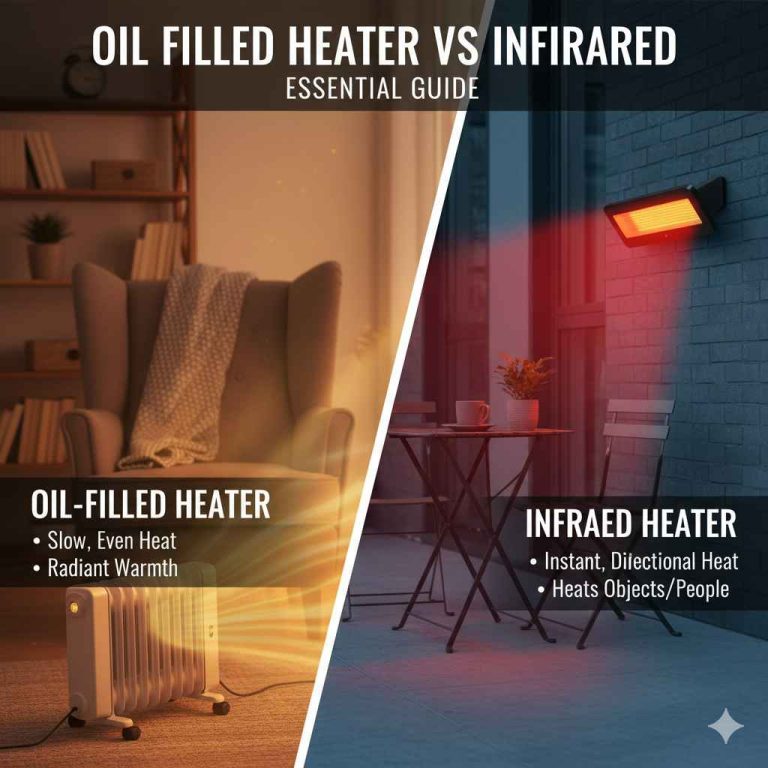
Ceramic Core vs. Oil-Filled Radiators: Which Heater Is Right for You?
Hi there! If you’re trying to decide between a ceramic core heater and an oil-filled radiator for your home, you’re in the right place. I’ve spent a lot of time researching and using both types of heaters, and I’m excited to share what I’ve learned. Both options have their strengths, but choosing the right one depends on your needs, budget, and space. Let’s dive into the details to help you make the best choice for staying warm this winter.
For vehicle heating questions, How to Flush a Clogged Heater Core gives readers a related follow-up to check.
Understanding Ceramic Core Heaters
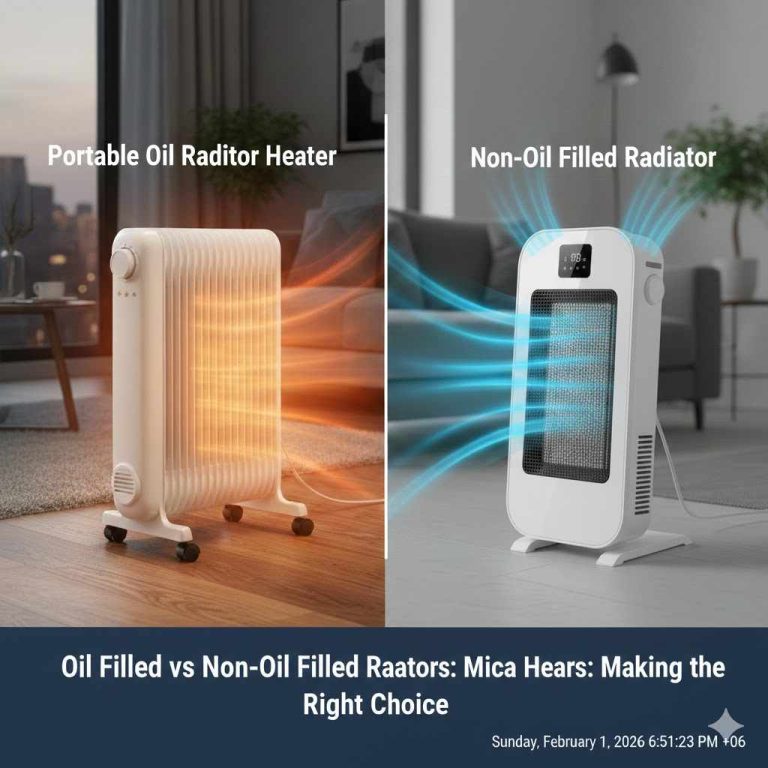
When I first got a ceramic heater, I was amazed at how quickly it warmed up my small living room. These heaters work by heating a ceramic element inside, which then transfers heat to the air through a fan. The ceramic material is great because it heats up fast and stays safe even at high temperatures. I’ve found them perfect for small spaces like bedrooms or offices.
What I love most is their portability. Most ceramic heaters are lightweight, so I can easily move them from room to room. They also come with features like adjustable thermostats and oscillation, which spreads heat evenly. One thing to note, though—they can be a bit noisy because of the fan. If you’re sensitive to sound, that’s something to keep in mind.
Another big plus is energy efficiency. Ceramic heaters don’t need to stay on all the time. Once the room reaches the desired temperature, many models automatically shut off, saving electricity. I’ve noticed this helps keep my energy bills in check, especially when I’m only heating one room.
Exploring Oil-Filled Radiators
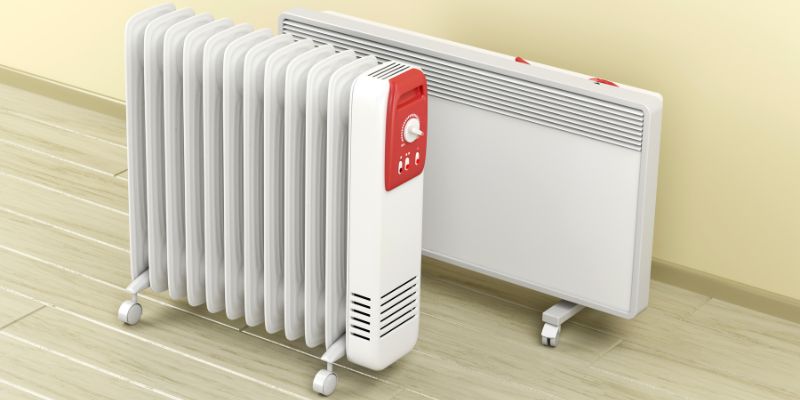
Now, let’s talk about oil-filled radiators. I got one for my larger family room, and it’s been a game-changer for long, chilly nights. These heaters are filled with a special oil that gets heated by an electric element. The oil retains heat for a long time, so even after you turn the heater off, it keeps radiating warmth.
One thing I appreciate is how quiet they are. Unlike ceramic heaters, oil-filled radiators don’t use fans, so there’s no buzzing or humming. This makes them ideal for bedrooms or quiet spaces where noise might bother you. They’re also great for consistent heating over long periods, like when I’m working from home all day.
However, they do take longer to heat up. When I first turn on my oil-filled radiator, it can take 10-20 minutes to feel the warmth. But once it’s going, it creates a cozy, steady heat that feels natural, almost like a radiator in an old house. They’re heavier than ceramic heaters, so moving them around isn’t as easy, but many come with wheels for convenience.
Key Differences Between Ceramic Core and Oil-Filled Radiators
To make things clearer, let’s compare these two types of heaters side by side. I’ve put together a table based on my experience using both, so you can see how they stack up.
| Feature | Ceramic Core Heater | Oil-Filled Radiator |
|---|---|---|
| Heating Speed | Heats up quickly (within minutes) | Takes longer (10-20 minutes) |
| Noise Level | Can be noisy due to fan | Silent operation |
| Portability | Lightweight, easy to move | Heavier, but often has wheels |
| Energy Efficiency | Great for short bursts, auto shut-off | Better for long-term heating |
| Best For | Small rooms, quick heating | Large rooms, sustained warmth |
| Safety Features | Tip-over protection, overheat shut-off | Overheat protection, sturdy design |
| Cost | Generally cheaper upfront | Slightly more expensive |
This table sums up what I’ve noticed after using both heaters in different situations. If you need fast heat in a small space, a ceramic heater is your best bet. For larger rooms or all-day warmth, an oil-filled radiator shines.
Energy Efficiency and Running Costs
Let’s talk about energy efficiency, because nobody wants a sky-high electric bill. I’ve tracked my usage with both heaters, and here’s what I found. Ceramic heaters are fantastic for quick heating. They use less power overall because they don’t need to run constantly. Many models have thermostat controls that turn the heater off once the room is warm, which saves energy.
Oil-filled radiators, on the other hand, use more power to heat up initially, but they’re efficient for long-term use. The oil retains heat, so the heater doesn’t need to cycle on and off as often. I’ve noticed my oil-filled radiator is cheaper to run when I’m heating a room for several hours, like during a movie marathon or a family gathering.
To give you an idea, a typical 1500-watt ceramic heater costs about 18-20 cents per hour to run, based on average U.S. electricity rates. An oil-filled radiator of the same wattage costs about the same per hour, but its efficiency kicks in when used for longer periods. If you’re on a tight budget, check your heater’s wattage and your local electricity rates to estimate costs.
Safety Considerations
Safety is a big deal when you’re dealing with heaters. I’ve got kids and pets, so I’m always careful about this. Both ceramic heaters and oil-filled radiators come with solid safety features, but they’re a bit different.
Ceramic heaters often have tip-over protection, which shuts the unit off if it gets knocked over. They also have overheat protection to prevent the unit from getting too hot. I feel confident leaving my ceramic heater on in my office while I work, but I always make sure it’s on a flat surface away from curtains or papers.
Oil-filled radiators are super safe too. Their exterior doesn’t get as hot as other heaters, which is great if you have curious toddlers or pets. They also have overheat protection, and their sturdy design makes them hard to tip over. One tip from my experience: give oil-filled radiators some space to radiate heat, and don’t place anything on top of them.
Which Heater Suits Your Space?
Choosing between these heaters depends on your home and lifestyle. I live in a medium-sized house, and I use both types depending on the room. For my small home office, the ceramic heater is perfect—it heats up fast and keeps me cozy while I work. For my living room, where my family spends most of the evening, the oil-filled radiator is better because it keeps the space warm for hours.
If you live in a small apartment or need to heat a single room, go for a ceramic heater. They’re compact and quick. If you’ve got a larger space or want to heat a room for a long time, an oil-filled radiator is the way to go. Think about your room size, how long you need heat, and whether noise bothers you.
Maintenance and Durability
I’ve learned that both heaters are pretty low-maintenance, but they need a little care. For my ceramic heater, I clean the air filter every few weeks to keep it running smoothly. Dust can build up on the fan, so a quick wipe-down helps. These heaters are durable, but the fan can wear out over time if you use it a lot.
Oil-filled radiators are almost maintenance-free. Since the oil is sealed inside, you don’t need to refill or replace it. I just wipe down the fins to remove dust and check the cord for wear. My oil-filled radiator has lasted years without any issues, and I’ve heard they can last a decade or more with proper care.
Cost and Budget Considerations
When I was shopping for heaters, I noticed ceramic heaters are usually cheaper, with good models starting at $30-$50. They’re a great option if you’re on a budget or just need something for occasional use. Oil-filled radiators cost a bit more, typically $50-$100, but they’re worth it if you need long-lasting heat for a bigger space.
Think about your budget and how often you’ll use the heater. If you’re only heating a room for a couple of hours a day, a ceramic heater might save you money upfront and on your energy bill. For all-day heating, the oil-filled radiator’s efficiency makes it a smart investment.
Environmental Impact
I care about the environment, so I’ve looked into how these heaters affect our planet. Both are electric, so their impact depends on how your electricity is generated. If your area uses renewable energy, that’s a win for either heater. Ceramic heaters use less energy for short bursts, which can reduce your carbon footprint if you’re only heating small spaces.
Oil-filled radiators are efficient for longer use, but their manufacturing process involves oil, which has a slightly higher environmental cost. That said, their durability means you won’t need to replace them as often, which is better for the planet in the long run.
My Personal Experience and Recommendations
After using both heaters for a few winters, I’ve got a soft spot for each. My ceramic heater is my go-to for quick warmth in my office or when I’m reading in my bedroom. It’s like an instant hug of heat. My oil-filled radiator is a lifesaver for family movie nights or when I’m hosting guests—it keeps everyone comfortable without drying out the air.
If you’re still unsure, here’s my advice: think about your daily routine. Do you need fast heat for short periods, or do you want steady warmth for hours? Consider your room size, budget, and whether noise is an issue. Either way, both heaters are reliable and safe, so you can’t go wrong.
Conclusion
Choosing between a ceramic core heater and an oil-filled radiator doesn’t have to be overwhelming. I’ve loved using both in my home, and each has its own charm. Ceramic heaters are quick, portable, and great for small spaces, while oil-filled radiators offer steady, silent warmth for larger rooms. By thinking about your needs—room size, heating duration, and budget—you can pick the perfect heater to keep you cozy. Whichever you choose, you’ll be ready to tackle those chilly days with confidence. Stay warm, and enjoy your cozy home!
FAQs
Which heater is better for a small apartment?
A ceramic heater is usually better for a small apartment. It heats up quickly and is easy to move around. I use mine in my small office, and it warms the space in minutes.
Are oil-filled radiators safe to leave on overnight?
Yes, oil-filled radiators are generally safe to leave on overnight, especially with overheat protection. I leave mine on in my bedroom, but I always keep it away from bedding and check the cord.
Do ceramic heaters dry out the air?
Ceramic heaters can dry out the air a bit because of the fan. I keep a small humidifier nearby when using mine, and it makes a big difference.
How much does it cost to run an oil-filled radiator?
It depends on your electricity rates, but a 1500-watt oil-filled radiator costs about 18-20 cents per hour. I’ve found it’s cheaper for long-term use because the oil retains heat.
Can I use a ceramic heater in a large living room?
A ceramic heater can work in a large living room, but it’s better for smaller spaces. For a big room, I’d recommend an oil-filled radiator for more consistent heat.