Choosing Between Central Heating vs Oil Filled Radiator: My Journey to a Cozy Home
Last winter, I shivered in my home office until I found the perfect heating solution. Deciding between central heating vs oil filled radiator was tough, but I learned what works best for different spaces and budgets. In this article, I’ll share simple tips, cost-saving ideas, and my experience to help you stay warm. Whether you’re heating one room or your whole house, I’ll explain both options clearly, compare their benefits, and answer common questions. Let’s dive into the world of home heating!
What Is Central Heating vs Oil Filled Radiator?
Central heating and oil-filled radiators warm your home in different ways. Let me break it down simply.
Central Heating Explained
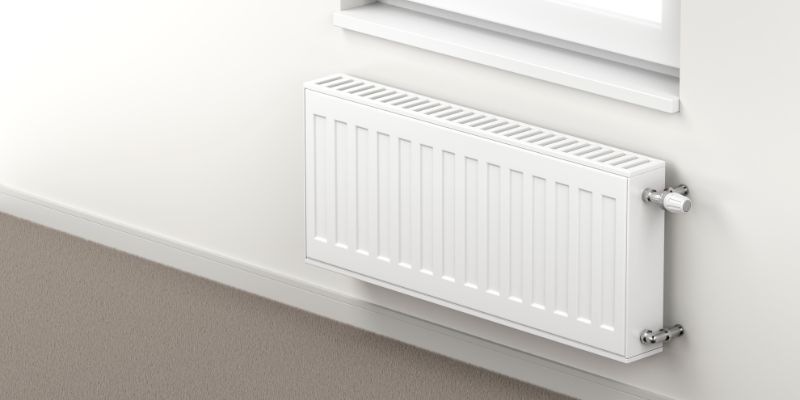
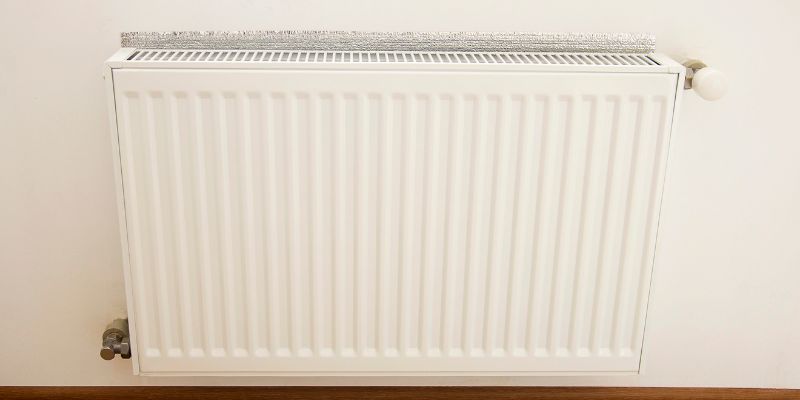
Central heating uses a boiler or furnace to heat your entire house. Hot water or air flows through pipes or ducts to radiators or vents in every room.
- How it works: A gas or electric boiler heats water, which travels to radiators. These radiators warm the air in each room.
- Why it matters: It’s great for keeping big homes cozy all at once.
Oil-Filled Radiators Explained
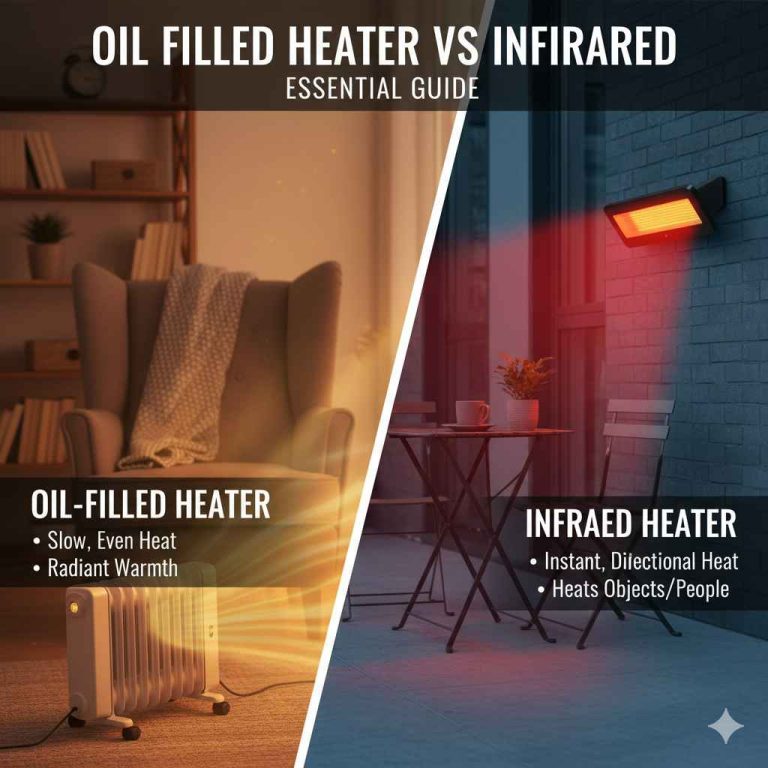
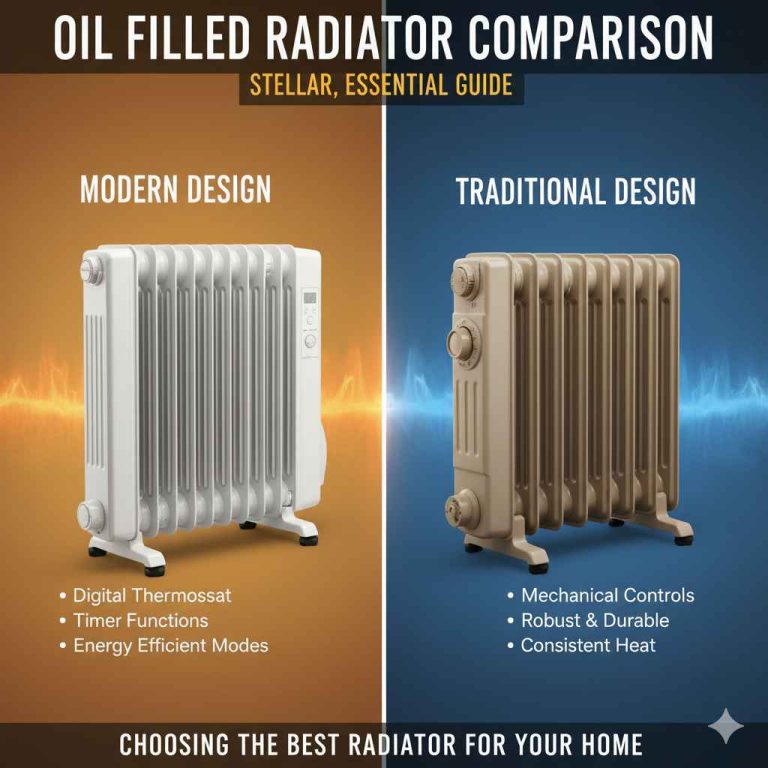
Oil-filled radiators are portable electric heaters you plug into a wall. They use oil inside to spread heat evenly.
- How it works: An electric element heats the oil, which warms the radiator’s metal body. The heat spreads to the room through convection and radiation.
- Why it matters: They’re perfect for heating one or two rooms without warming the whole house.
Why Compare Central Heating vs Oil Filled Radiator?
Choosing between central heating vs oil filled radiator depends on your needs. Central heating warms large homes fast, but it can be costly. Oil-filled radiators are cheaper for small spaces and easy to move. I once used an oil radiator in my chilly basement office, and it saved me from high bills! Comparing them helps you save money and stay comfortable.
Benefits of Central Heating
Central heating is a powerhouse for big homes. Here are its top perks:
- Whole-house warmth: Heats every room evenly, perfect for families.
- Fast heating: Modern systems warm up quickly with programmable thermostats.
- Reliable: Gas boilers are efficient and need little maintenance.
However, it can be expensive to run, especially in winter. If you only need heat in one room, you’re wasting energy.
Benefits of Oil-Filled Radiators
Oil-filled radiators shine for small spaces. I love their portability! Here’s why they’re great:
- Energy-efficient: Oil retains heat, so the radiator stays warm after turning off.
- Portable: Move it to any room, like your bedroom or office.
- Silent: No noisy fans, perfect for quiet spaces like a nursery.
The downside? They take longer to heat up and aren’t ideal for large homes.
Comparing Costs: Central Heating vs Oil Filled Radiator
Cost is a big factor when choosing heating. Let’s look at how these two stack up.
Central Heating Costs
Central heating can be pricey, especially for big homes. According to Energy.gov, heating accounts for about 50% of a home’s energy bill. For a 2,000-square-foot home, running a gas boiler for 9 hours daily might cost $10-$15, depending on gas prices (around 10.3 cents per kWh).
Oil-Filled Radiator Costs
Oil-filled radiators are often cheaper for small spaces. A 1,500W radiator costs about 40 cents per hour at 27 cents per kWh. If you heat one room for 8 hours, that’s around $3.20 daily—much less than central heating for the whole house.
Cost Comparison Table
| Heating Type | Daily Cost (8 Hours) | Best For |
|---|---|---|
| Central Heating (Gas) | $10-$15 | Large homes |
| Oil-Filled Radiator | $3.20 (1,500W) | Small rooms, offices |
Caption: Comparing daily costs for heating a 2,000-square-foot home vs. a single room.
How to Choose the Right Option
Picking between central heating and an oil-filled radiator depends on your home and habits. Here’s a simple guide to help you decide.
Step-by-Step Decision Guide
- Check your space: Measure the room or area you want to heat. Small rooms (up to 150 square feet) suit oil-filled radiators. Big homes need central heating.
- Set a budget: Calculate energy costs using your electric or gas rates. Websites like Energy.gov can help.
- Consider usage: Will you heat one room or many? I use an oil radiator for my office but central heating for family gatherings.
- Think about portability: Need to move the heater? Oil-filled radiators have wheels for easy movement.
Suggested Visual Ideas
- Diagram of a home: Show central heating pipes vs. a portable oil radiator in one room.
- Cost chart: Graph comparing daily costs for different room sizes.
- Setup guide: Sketch of an oil radiator placed near a desk or bed.
My Top Tips for Staying Warm and Saving Money
After testing both options, I’ve learned some tricks to stay cozy without breaking the bank. Here are my favorites:
- Use a timer: Set your oil-filled radiator to turn off once the room is warm. It’ll stay cozy for hours.
- Insulate your home: Add weatherstripping to windows to trap heat. This works for both systems!
- Turn off unused radiators: For central heating, close valves in empty rooms to save energy.
Common Mistakes to Avoid
Don’t make these beginner mistakes I learned the hard way:
- Running central heating for one room: It’s like using a sledgehammer to crack a walnut. Use an oil radiator instead.
- Placing radiators near windows: Cold drafts steal heat. Keep oil radiators in the room’s center.
- Ignoring safety: Oil-filled radiators are safe but can tip over. Choose models with tip-over protection.
Safety Comparison Table
| Feature | Central Heating | Oil-Filled Radiator |
|---|---|---|
| Overheat Protection | Yes (modern boilers) | Yes |
| Tip-Over Protection | Not applicable | Yes (some models) |
| Maintenance Needed | Annual boiler check | None |
Caption: Safety features for worry-free heating.
Alternatives to Consider
Not sure if central heating or oil-filled radiators are right? Here are other options:
- Fan Heaters: Heat rooms fast but use more energy and dry the air.
- Infrared Heaters: Warm people directly, great for drafty rooms.
- Electric Blankets: Cozy for one person but not for whole rooms.
My Personal Experience
When I started working from home, my office was freezing. I tried central heating, but my gas bill soared. Then, I bought a 1,500W oil-filled radiator for $60. It warmed my 120-square-foot office in 30 minutes and kept it cozy all day. I saved about $50 a month compared to central heating! Now, I use central heating for big family dinners and my oil radiator for daily work.
Energy-Saving Tips Table
| Tip | Savings Potential | Best For |
|---|---|---|
| Use a timer | $10-$20/month | Oil-filled radiators |
| Insulate windows | $15-$30/month | Both systems |
| Lower thermostat | $5-$10/month | Central heating |
Caption: Easy ways to cut heating costs.
Conclusion
Choosing between central heating vs oil filled radiator is simple once you know your needs. Central heating is best for big homes, while oil-filled radiators save money for small spaces. Try my tips, like using timers or insulating windows, to stay warm and keep bills low. Pick one option and test it this winter! Share your cozy setup in the comments—I’d love to hear what works for you!
Frequently Asked Questions
What’s cheaper: central heating or oil-filled radiator?
Oil-filled radiators are cheaper for heating one room, costing about $3.20 daily for a 1,500W model. Central heating costs $10-$15 daily for a whole house. If you’re only in one room, an oil radiator saves money. Check your energy rates to be sure.
How long do oil-filled radiators take to heat a room?
Oil-filled radiators take about 20-30 minutes to warm a small room. The oil heats slowly but keeps the room cozy even after turning off. Place it in the room’s center for best results.
Is central heating better for big homes?
Yes, central heating is ideal for large homes. It warms every room evenly and quickly. Oil-filled radiators struggle to heat big spaces. Use central heating if you need whole-house warmth.
Are oil-filled radiators safe to use?
Oil-filled radiators are very safe. They have overheat protection and tip-over switches. The oil is sealed, so there’s no leak risk. Keep them on flat surfaces away from curtains.
Can I use both systems together?
Yes! I use an oil-filled radiator in my office during the day and central heating for family evenings. This saves energy by only heating rooms you’re using. Adjust thermostats to avoid overuse.
How do I save money with central heating?
Turn off radiators in unused rooms and lower the thermostat by 1-2 degrees. Insulate windows to trap heat. A programmable thermostat helps you heat only when needed.
Which is quieter: central heating or oil-filled radiator?
Oil-filled radiators are silent, with no fans or pumps. Central heating boilers may hum slightly. For quiet spaces like bedrooms, oil-filled radiators are best.