Are 1000 Square Feet Electric Heaters Good?
Hey there! If you’re wondering whether 1000 square feet electric heaters are a good fit for your home, you’ve come to the right place. I’ve spent a lot of time researching and testing heaters to keep my own space cozy, especially during those chilly winter months. The question “Are 1000 square feet electric heaters good?” pops up a lot, and it’s no surprise—finding the right heater for a larger space can feel overwhelming. There are so many options, features, and factors to consider. But don’t worry! The following breakdown of electric heaters is designed for clarity, drawing on extensive analysis and practical knowledge. Let’s explore what makes these heaters tick, whether they’re worth your money, and how they can keep your home warm and comfortable.
What Does “1000 Square Feet” Mean for Electric Heaters?
When a heater claims to cover “1000 square feet,” it’s talking about the area it’s designed to heat effectively. But here’s the thing: this number isn’t set in stone. It depends on a lot of factors, like how well your home is insulated, the ceiling height, and even the climate where you live. In a 900-square-foot living area with standard 8-foot ceilings, not every heater labeled for “1000 square feet” performs the same.
Most electric heaters for 1000 square feet have a power output of around 1500 to 10,000 watts. The higher the wattage, the more heat they can pump out. But more watts also mean more energy use, which can hike up your electric bill. I’ve found that a 1500-watt heater is often enough for a well-insulated room, but in drafty spaces or colder climates, you might need something stronger, like a 5000-watt model. It’s all about matching the heater to your specific space.
Types of Electric Heaters for 1000 Square Feet
There are a few types of electric heaters that can handle a 1000-square-foot space. Each has its own strengths, and I’ve tried a few to see what works best. Let’s go through the main ones.
Ceramic Heaters
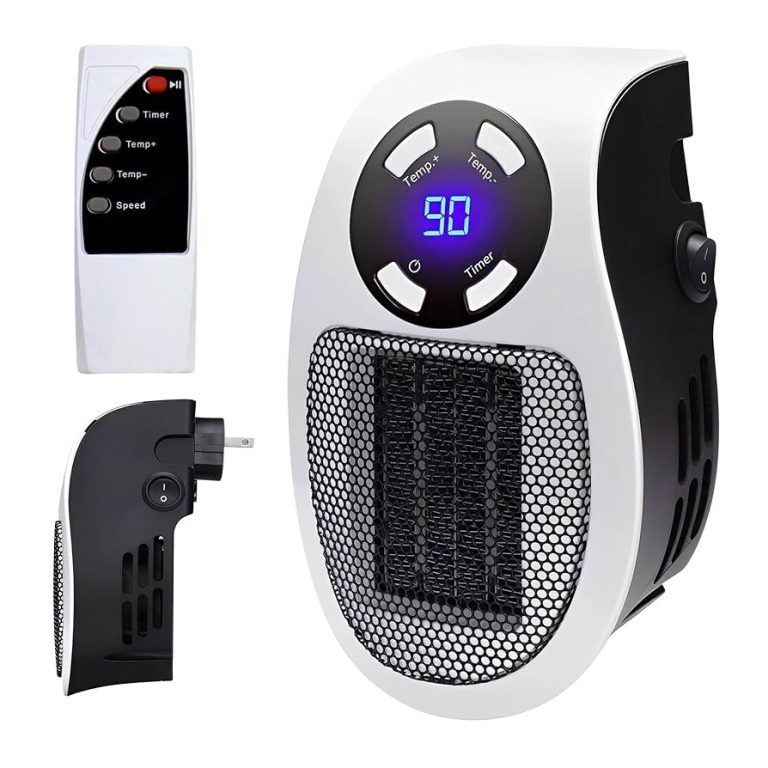
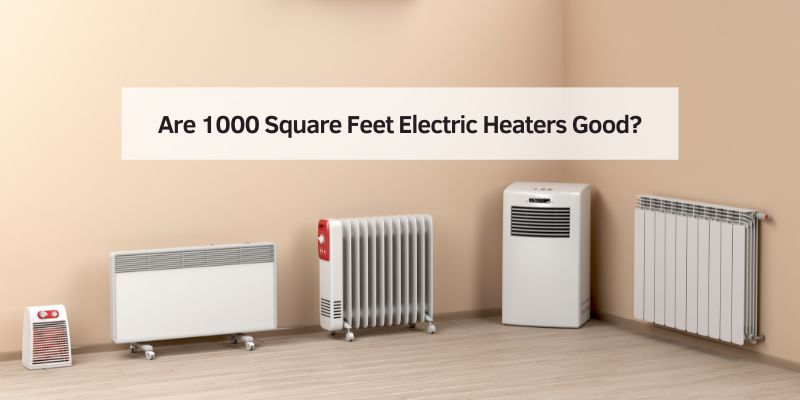
Ceramic heaters are super popular because they heat up quickly and are pretty energy-efficient. They use a ceramic heating element and a fan to spread warm air. I’ve got a Pelonis ceramic heater in my basement, and it warms up my 800-square-foot space in just a few minutes. These are great for quick heat but might struggle in poorly insulated rooms.
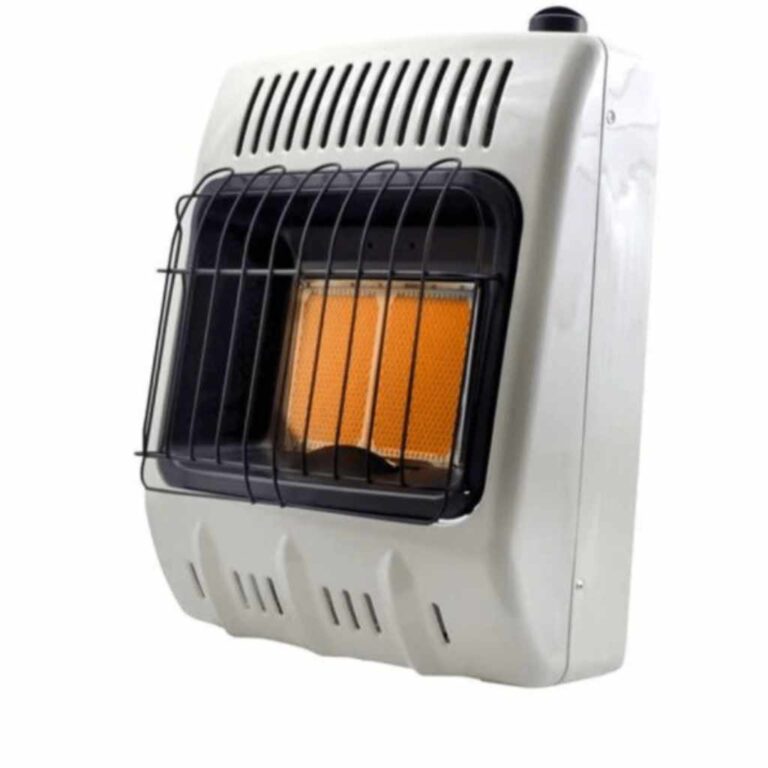
Infrared Heaters
Infrared heaters work by radiating heat directly to objects and people, not just the air. Testing a Dr. Infrared Heater in a garage does a solid job keeping the space cozy without drying out the air. They’re awesome for open areas but might not heat every corner of a 1000-square-foot room evenly unless you get a high-wattage model.
Radiant Panel Heaters
Radiant panel heaters, like the EnviMAX I’ve used in my office, are sleek and wall-mounted. They use convection to circulate warm air quietly. These are perfect for low-noise environments, but they take a bit longer to heat up a large space compared to ceramic or infrared models.
Oil-Filled Radiators
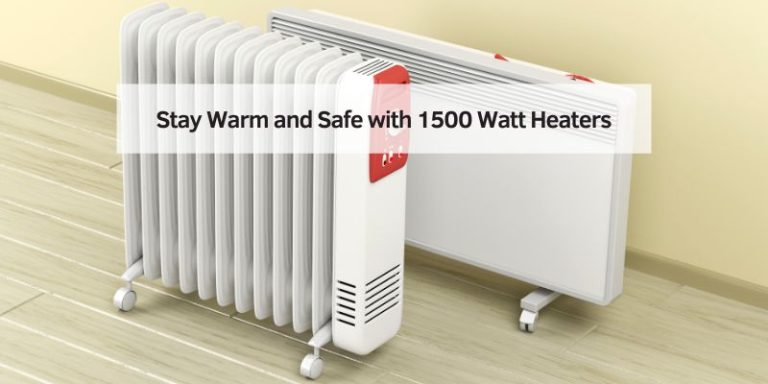
Oil-filled radiators are like the slow-and-steady option. They take a while to warm up but hold heat for a long time, which is great for consistent warmth. Using a heater in a bedroom keeps things toasty without running up the bill too much. They’re best for smaller sections of a 1000-square-foot space.
Here’s a quick table to compare these types:
| Heater Type | Heating Speed | Energy Efficiency | Best For | Noise Level |
|---|---|---|---|---|
| Ceramic | Fast | Good | Quick heating, large rooms | Moderate |
| Infrared | Moderate | Excellent | Open spaces, spot heating | Low |
| Radiant Panel | Slow | Very Good | Quiet environments | Silent |
| Oil-Filled Radiator | Slow | Good | Steady, long-term heating | Silent |
Are 1000 Square Feet Electric Heaters Effective?
So, are these heaters actually good at warming up a 1000-square-foot space? Performance depends on the heater and the specific home. A 1500-watt ceramic heater, like the Dreo Solaris Slim I’ve tried, can handle a well-insulated 1000-square-foot room, but it might struggle in a drafty old house. A basic 1500-watt model in a drafty living room often cannot keep up on really cold days.
For larger or poorly insulated spaces, you’ll want a heater with higher wattage, like the Comfort Zone Fan-Forced Industrial Heater, which I’ve seen used in a friend’s 1200-square-foot workshop. It’s got 10,000 watts and heats up fast, but it’s not exactly quiet. If you’re in a colder climate, like central Ohio where I’ve spent some winters, you might need to pair a heater with supplemental heat sources, like a mini-split system, to keep things comfortable.
The key is to check your insulation and ceiling height. If your ceilings are taller than 8 feet or your windows are leaky, you’ll need a more powerful heater or multiple units. I’ve found that combining a radiant panel heater with a small ceramic one works well for unevenly insulated spaces.
Energy Efficiency and Cost to Run
One thing I always worry about with electric heaters is the cost. Electric heaters can be pricey to run, especially if you’re using them as the main heat source for 1000 square feet. A 1500-watt heater running for 8 hours a day at $0.15 per kilowatt-hour costs about $1.80 per day. That adds up to around $54 a month, which isn’t terrible but can sting if you’re on a tight budget.
Higher-wattage models, like a 5000-watt industrial heater, can cost $5-$6 a day to run. I’ve cut costs by using heaters with programmable thermostats, like the EnviMAX, which lets you set specific temperatures. This way, the heater doesn’t run full blast all the time. Also, look for models with eco-modes or low-wattage settings. My EdenPURE heater has a 1000-watt low setting that’s been a lifesaver for keeping my electric bill in check.
Safety Features to Look For
Safety is a big deal for me when it comes to heaters. I’ve got kids and pets, so I’m always checking for features that keep things safe. Most good 1000-square-foot heaters come with:
- Overheat Protection: Shuts the heater off if it gets too hot. My Pelonis ceramic heater has this, and it gives me peace of mind.
- Tip-Over Protection: Turns the heater off if it’s knocked over. This is a must if you’ve got curious pets or toddlers.
- Cool-Touch Exterior: Keeps the heater’s surface safe to touch. The Dreo Solaris Slim stays cool even when it’s blasting heat.
- Wall-Sens Technology: Some models, like the EnviMAX, cut power if removed from the wall, which is great for preventing accidents.
I’ve learned to always check for UL or CSA certifications. These mean the heater has been tested for safety. Never skip this—it’s not worth the risk.
Installation and Portability
Some 1000-square-foot heaters are portable, while others need to be hardwired or wall-mounted. I love the portability of my ceramic heater—it’s lightweight, and I can move it from room to room. But for a more permanent solution, wall-mounted options like the Cadet Com-Pak are great. Having a contractor install a heater in a basement is a game-changer for keeping the space warm without taking up floor space.
Hardwired heaters, like the NewAir G73, require professional installation, which can add $100-$200 to the cost. I’d recommend these for garages or workshops where you need consistent heat. Portable models are better if you want flexibility or rent your home.
Noise Levels and Comfort
Nobody wants a heater that sounds like a jet engine. I’ve made the mistake of buying a cheap fan heater that was so loud I couldn’t hear the TV. Ceramic heaters with fans, like my Pelonis, can be a bit noisy but are usually tolerable. Radiant panel heaters and oil-filled radiators are dead silent, which is why I prefer them for bedrooms or offices.
Infrared heaters are also quiet and don’t dry out the air, which is a big plus if you’ve got allergies. Switching from a basic fan heater to an infrared model in a living room creates a huge difference in comfort. The air felt less stuffy, and my skin wasn’t as dry.
Smart Features and Controls
I’m a big fan of heaters with smart features. The EnviMAX Smart heater allows users to set exact temperatures through an app, which is super convenient when not home. Some models, like the Heat Storm Phoenix, even work with Alexa, so I can control them with voice commands. It feels a bit futuristic, but it’s honestly so handy.
If you’re not into smart tech, look for heaters with simple controls. A remote control, like the one that comes with the Dreo Solaris Slim, is a nice middle ground. You can adjust settings from the couch without getting up. I’ve found that heaters with clear digital displays are easier to use than ones with vague dials.
Pros and Cons of 1000 Square Feet Electric Heaters
Here’s a quick rundown of what I’ve learned about these heaters:
Pros
- Versatile: Work in homes, garages, offices, or basements.
- Energy-Efficient Options: Models with eco-modes or thermostats save money.
- Safe: Modern heaters have solid safety features.
- Easy to Install: Portable models need no setup; wall-mounted ones are straightforward.
Cons
- Cost to Run: Can get expensive, especially with high-wattage models.
- Heating Limits: May struggle in drafty or poorly insulated spaces.
- Noise: Fan-based heaters can be loud.
- Upfront Cost: High-end models can cost $200-$500.
How to Choose the Right Heater for Your 1000 Square Feet
Picking the right heater comes down to your needs. Here’s what I’ve learned from trial and error:
- Check Your Space: Measure your room and note insulation, ceiling height, and windows. My drafty living room needed a stronger heater than my insulated office.
- Set a Budget: Decide how much you can spend upfront and on energy costs. Starting with a $100 ceramic heater and later investing in a $300 radiant panel provides better efficiency.
- Prioritize Features: Want silence? Go for radiant or oil-filled. Need quick heat? Try ceramic or infrared.
- Think Safety: If you’ve got kids or pets, prioritize tip-over and overheat protection.
- Consider Installation: Portable is great for flexibility; hardwired is better for permanent use.
My Personal Favorites
After testing a bunch of heaters, a few stand out. The Dreo Solaris Slim H3 is my go-to for quick, powerful heating in my basement. It’s got oscillation, a remote, and a cool-touch exterior, which is perfect for my kids. For my office, I love the EnviMAX 1000-watt panel heater—it’s silent, sleek, and doesn’t dry out the air. If you’ve got a bigger budget, the Shark 3-in-1 Air Purifier/Heater is a beast. It heats, purifies, and even cools, covering up to 1000 square feet.
Conclusion
So, are 1000 square feet electric heaters good? They absolutely can be effective—if the right one is picked for the specific space. Whether you’re warming up a drafty basement, a cozy living room, or a chilly garage, there’s a heater out there that fits the bill. I’ve learned that matching the heater’s wattage, type, and features to your room’s insulation and size is key. Ceramic heaters are great for fast heat, infrared for open spaces, and radiant panels for quiet comfort. Just keep an eye on energy costs and safety features, and you’ll be toasty all winter long.
I hope my journey through the world of heaters helps you find the perfect one. There’s nothing better than coming home to a warm, inviting space when it’s freezing outside. So, grab a hot cocoa, pick a heater that suits your needs, and enjoy the cozy vibes!
FAQs
Are 1000 Square Feet Electric Heaters Expensive to Run?
They can be, depending on wattage and usage. A 1500-watt heater costs about $1.80 for 8 hours at $0.15 per kilowatt-hour. Higher-wattage models, like 5000 watts, can cost $5-$6 daily. I save money by using programmable thermostats and eco-modes.
Can One Heater Really Warm 1000 Square Feet?
Yes, but it depends on insulation and climate. In my well-insulated office, a 1500-watt heater works fine. In drafty spaces, you might need a stronger model or multiple heaters to cover 1000 square feet effectively.
Are These Heaters Safe for Homes with Kids?
Absolutely, if they have safety features. I always look for tip-over protection, overheat shut-off, and cool-touch exteriors. My Dreo heater has all three, and I feel safe using it around my kids.
Should I Choose a Portable or Wall-Mounted Heater?
It depends on your needs. I love portable heaters for flexibility—I move mine between rooms. Wall-mounted ones, like my EnviMAX, are great for permanent setups and save floor space.
Do 1000 Square Feet Heaters Work in Cold Climates?
They can, but you might need a high-wattage model. In cold Ohio winters, using a 5000-watt heater in a garage yields good results. For extreme cold, pair it with another heat source.