Amish Heaters Are Efficient for Winter Heating
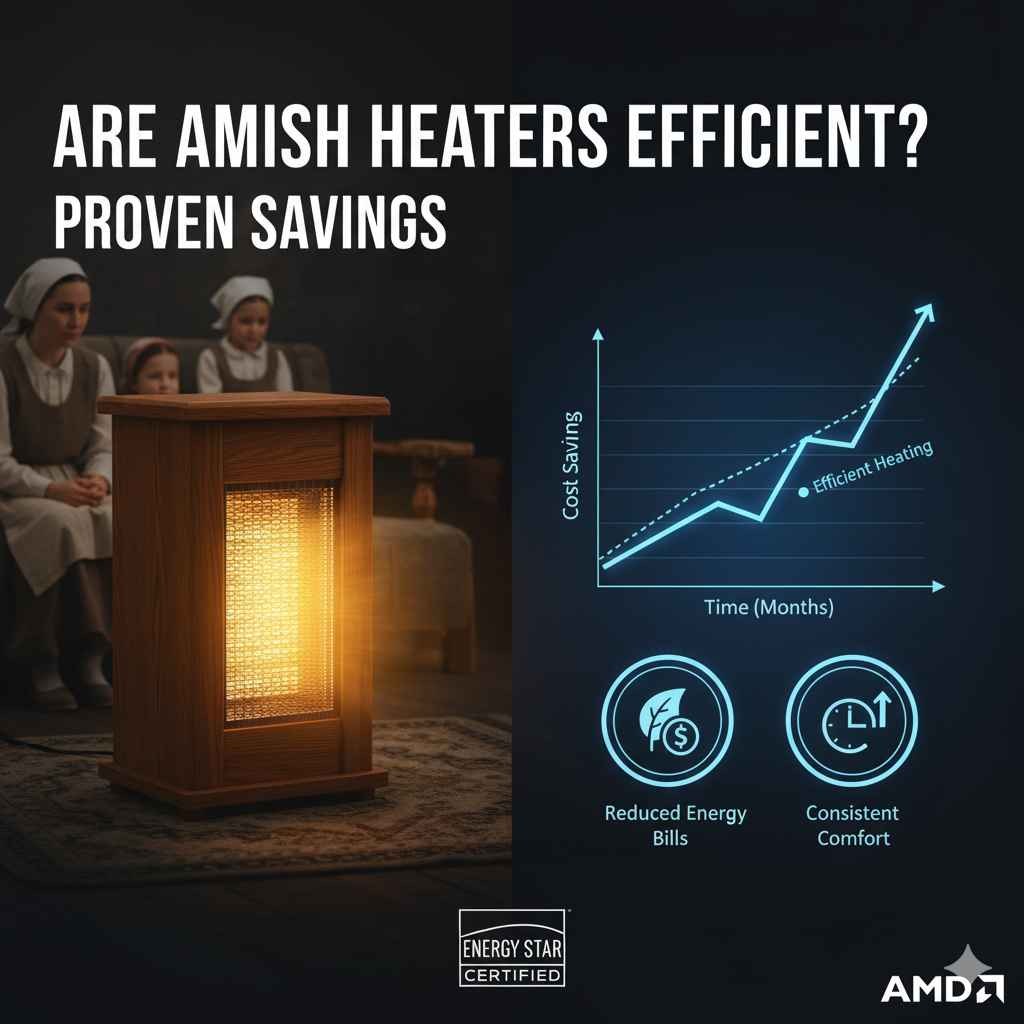
Yes, Amish heaters are known for their efficiency, particularly wood-burning models. They often use robust, simple designs and high-quality materials, leading to more complete combustion and less wasted heat. This translates into potential savings on fuel costs compared to less efficient heating systems.
A cozy home is a happy home, especially during chilly months. But choosing the right heater can feel like a puzzle. If you’ve heard about “Amish heaters” and wonder if they’re as efficient as folks say, you’re in the right place. Many homeowners find traditional heating methods expensive and complicated. We’re here to clear things up and show you how Amish-style heaters can be a smart, effective choice for keeping your home warm and saving money. Let’s explore how these heaters work and why they might be your perfect solution.
What Exactly Are “Amish Heaters”?
When people talk about “Amish heaters,” they’re usually referring to heating appliances, most commonly wood stoves, that are built using traditional methods and principles often employed by Amish communities. These aren’t necessarily made by Amish people exclusively, but they reflect a philosophy of durability, simplicity, and efficiency.
These heaters often boast:
- Sturdy Construction: Built with thick-gauge steel or cast iron for longevity.
- Simple Designs: Focusing on effective heat transfer rather than complex electronics.
- Fuel Efficiency: Designed to burn wood or other fuels more completely, producing more heat from less fuel.
- Reliability: Minimal moving parts mean fewer things to break down.
The “Amish” label often implies a commitment to quality craftsmanship and a focus on practical, long-lasting solutions, which directly contribute to their heating efficiency.

How Do Amish Heaters Achieve Efficiency? Proven Savings Explained
The efficiency of Amish-style heaters comes down to a few key design principles and operational advantages. It’s not magic; it’s smart engineering focused on getting the most heat from your fuel.
1. Complete Combustion for Maximum Heat
One of the biggest factors in a heater’s efficiency is how completely it burns its fuel. Think of it like a campfire: if you get a roaring fire with bright flames and little smoke, you’re getting a lot of heat. If it’s smoldering with lots of smoke, much of that energy is escaping up the chimney.
Amish-style wood stoves are often designed with features that promote secondary combustion or cleaner burning. This means that volatile gases released from the burning wood are re-ignited and burned, releasing even more heat and reducing emissions. This process:
- Extracts more energy from each log.
- Produces less creosote buildup (a sticky residue that can cause chimney fires and reduce efficiency).
- Results in cleaner emissions, which is better for the environment.
For homeowners, this means you can heat your home for longer periods with the same amount of wood, directly leading to fuel savings. Data from organizations like the Environmental Protection Agency (EPA) highlight the benefits of modern, efficient wood stoves in reducing emissions and improving fuel use. (See EPA’s information on wood-burning stoves for more details on emissions standards and efficiency.)
2. Superior Heat Retention and Transfer
The materials used in constructing these heaters are often a significant factor. Thick-gauge steel and heavy cast iron distribute and retain heat exceptionally well. Unlike thinner metal that might cool down quickly, these robust materials continue to radiate warmth into your room long after the flames have died down.
This sustained warmth means your heater doesn’t have to work as hard to maintain a comfortable temperature. The surrounding air comes into contact with the hot surfaces of the stove, and convection currents are established, circulating warm air throughout your living space. Some designs also incorporate features like baffles and secondary burn tubes that act as heat exchangers, capturing more heat before it goes up the chimney.
3. Insulation and Airtight Construction
To achieve efficient combustion, a heater needs to control the airflow precisely. Amish-style stoves are often built with tight seals and well-engineered air intake systems. This prevents unmetered air from entering the firebox, which can cool the fire and make it burn less efficiently.
By controlling the air supply, you can manage the burn rate. A slower, more controlled burn can still produce significant heat while consuming less fuel. This also means you can load the stove less frequently, reducing effort and the need to constantly tend to the fire.
4. Minimal Heat Loss to the Environment
The way heat is delivered and retained also plays a role. A well-designed stove radiates heat into the room effectively. Furthermore, the chimney systems often associated with these stoves are designed to be efficient, retaining some heat within the system. Some high-end models even use specialized lining materials to further enhance heat retention.
Consider a simple analogy: Imagine pouring hot water into a thin plastic cup versus a thick ceramic mug. The ceramic mug will keep the water hot for much longer. The same principle applies to the construction of these heaters. Their solid, well-insulated bodies are designed to keep the heat where you want it – inside your home.
Types of Amish Heaters and Their Efficiency
While “Amish heater” often conjures images of a classic wood stove, the category encompasses a few variations, each with its own efficiency profile.
Wood Stoves (The Classic)
This is the most common type. Modern, efficiently designed wood stoves, often built with thick steel or cast iron, are the hallmark of this category. They burn seasoned firewood and can be incredibly efficient when operated correctly.
Pros:
- High Heat Output: Can heat large areas or even entire homes.
- Fuel Availability: Firewood can be sourced locally, sometimes even for free if you have access to your own woodlot.
- Cozy Ambiance: The look and feel of a wood fire are unmatched for many.
- Potential for Independence: Less reliance on grid-supplied energy.
Cons:
- Fuel Preparation: Requires chopping, splitting, and seasoning firewood.
- Ash Removal: Regular cleaning is necessary.
- Emissions: Older models can be smoky; modern EPA-certified stoves are significantly cleaner.
- Requires Attention: Needs stoking and monitoring.
Efficiency Rating: Modern EPA-certified wood stoves can achieve efficiencies of 70-80% or even higher. Older, non-certified stoves might be as low as 40-60% efficient.
Kerosene Heaters (Portable & Convenient)
These are often portable and fueled by kerosene. While not strictly “Amish-made” in the traditional sense, some high-quality, robust portable heaters share the durability ethos. They are popular for supplemental heating in garages, workshops, or during power outages.
Pros:
- Portability: Easy to move where heat is needed.
- Quick Heating: Provide warmth almost immediately.
- No Electricity Required: Ideal for backup heating.
Cons:
- Fuel Cost: Kerosene can be more expensive per BTU than other fuels.
- Odor and Fumes: Can produce noticeable odors and require good ventilation to prevent carbon monoxide buildup.
- Safety Concerns: Open flame requires careful placement away from flammables.
Efficiency Rating: Kerosene heaters are typically around 90-95% efficient in terms of converting fuel to heat within the space, but this doesn’t account for potential heat loss through ventilation.
Propane Heaters (Various Types)
Similar to kerosene heaters, propane units range from portable radiant heaters to larger vented appliances. The “Amish” connection here is more about the robust, no-nonsense design principles rather than specific manufacturing. High-quality propane stoves and hearth units can be quite efficient.
Pros:
- Clean Burning: Propane burns cleaner than oil or wood.
- Easy to Store and Use: Propane tanks are readily available.
- Thermostat Control: Many models offer easy temperature regulation.
Cons:
- Fuel Cost: Can fluctuate and be higher than natural gas or wood.
- Requires Tanks: Need to manage propane tank refills.
- Safety: Propane is flammable and requires proper handling and ventilation.
Efficiency Rating: Vented propane heaters can achieve efficiencies in the high 80s to mid-90s. Unvented models are close to 100% efficient at converting fuel to heat, but some heat is lost through ventilation and water vapor release.
Pellet Stoves (A Modern Twist)
Pellet stoves use compressed sawdust or wood pellets as fuel. While often featuring electronic controls (which might differ from the simplest Amish aesthetic), many high-quality pellet stoves are built for durability and efficiency, drawing on similar principles. They offer a cleaner and more automated way to burn wood fuel.
Pros:
- Automated Operation: Feeders and thermostats make them easy to use.
- High Efficiency: Burns fuel very cleanly and efficiently.
- Environmentally Friendly: Uses waste wood products.
Cons:
- Requires Electricity: Needs power for the auger, fan, and igniter.
- Pellet Cost/Storage: Pellets need to be purchased and stored, and can be more expensive per BTU than firewood.
- Maintenance: Regular cleaning of the burn pot and ash pan is still required.
Efficiency Rating: Modern pellet stoves can achieve efficiencies of 80-90% or more. The United States Department of Energy provides resources on biomass heating and Pellet stove efficiency ratings.
Factors Affecting Your Savings with Amish Heaters
While the heaters themselves are designed for efficiency, your actual savings will depend on several factors directly within your control.
1. Fuel Quality and Type
For wood stoves, this is paramount. Burning seasoned, dry hardwood (moisture content below 20%) is crucial. Wet or “green” wood burns poorly, produces less heat, creates excessive smoke and creosote, and is highly inefficient. Investing in good quality fuel directly translates to better heat and lower consumption.
For pellet stoves, using high-quality pellets is important. Cheaper pellets might contain more ash or binders, leading to reduced efficiency and more frequent cleaning.
2. Installation and Flue System
A properly installed heater is a safe and efficient heater. This includes:
- Correct Sizing: A stove that’s too large for your space will cycle on and off frequently, wasting fuel. Too small, and it will struggle to heat adequately.
- Proper Venting: A well-functioning chimney or vent system is essential for drawing air for combustion and safely expelling exhaust. A drafty or poorly insulated flue can lose a lot of heat. Resources from organizations like the Chimney Safety Institute of America (CSIA) offer guidance on safe and efficient chimney installations.
- Airtightness: Ensuring the stove is sealed well and that the combustion air is properly controlled.
3. Usage and Operation
Even the most efficient heater can be used inefficiently. Learning to operate your specific model effectively is key.
- Loading: Don’t over-stuff the firebox.
- Air Controls: Learn to adjust the air intake for optimal burning.
- Heating the Right Space: Close off rooms you aren’t using.
- Maintenance: Regular cleaning of the firebox, ash pan, and flue ensures continued efficiency.
4. Home Insulation and Drafts
Your heater works hard to warm your home, but if your home is poorly insulated or full of drafts, that heat will escape quickly. Improving your home’s insulation, sealing air leaks around windows and doors, and insulating your attic can dramatically increase the efficiency of any heating system, including Amish-style heaters.
According to the U.S. Department of Energy’s Energy Saver website, air sealing and insulation are among the most cost-effective ways to reduce heating costs. Proper insulation ensures that the heat generated by your efficient heater stays inside where it belongs.
Estimated Fuel Savings: A Comparative Look
Quantifying exact savings is challenging as it depends on local fuel prices, your home’s heating needs, and system efficiency. However, we can illustrate potential savings by comparing fuel types and efficiencies. This is a simplified example:
| Heating Source | Typical Efficiency | Estimated Cost per Million BTU | Monthly Savings Potential (vs. Less Efficient) |
|---|---|---|---|
| High-Efficiency Wood Stove (Amish Style) | 75% | $10 – $25 (firewood, depending on source) | Up to $100-$300+ |
| Standard Central Furnace (Gas) | 90% | $15 – $30 (natural gas) | – |
| Electric Baseboard Heater | 100% (at point of use) | $30 – $60+ (electricity) | Significant Loss |
| Inefficient Wood Stove | 50% | $20 – $40 (firewood, used more) | – |
These costs are illustrative and vary widely by region and by specific fuel prices at any given time. They are based on converting fuel costs to a common unit (BTU) for comparison. You can find up-to-date energy cost comparisons from sources like the U.S. Energy Information Administration (EIA).
As you can see, if you have access to reliable and affordable firewood, a highly efficient wood stove can offer substantial savings over electric heat and can often compete favorably with natural gas, especially considering the upfront cost and operating simplicity of a robust wood stove. The key is the high efficiency of the stove itself coupled with the cost-effectiveness of the fuel.
Are Amish Heaters Safe?
Safety is a top priority for any heating system, and Amish-style heaters are generally considered safe when installed and operated correctly. The emphasis on robust construction and simple, reliable mechanics contributes to their safety.
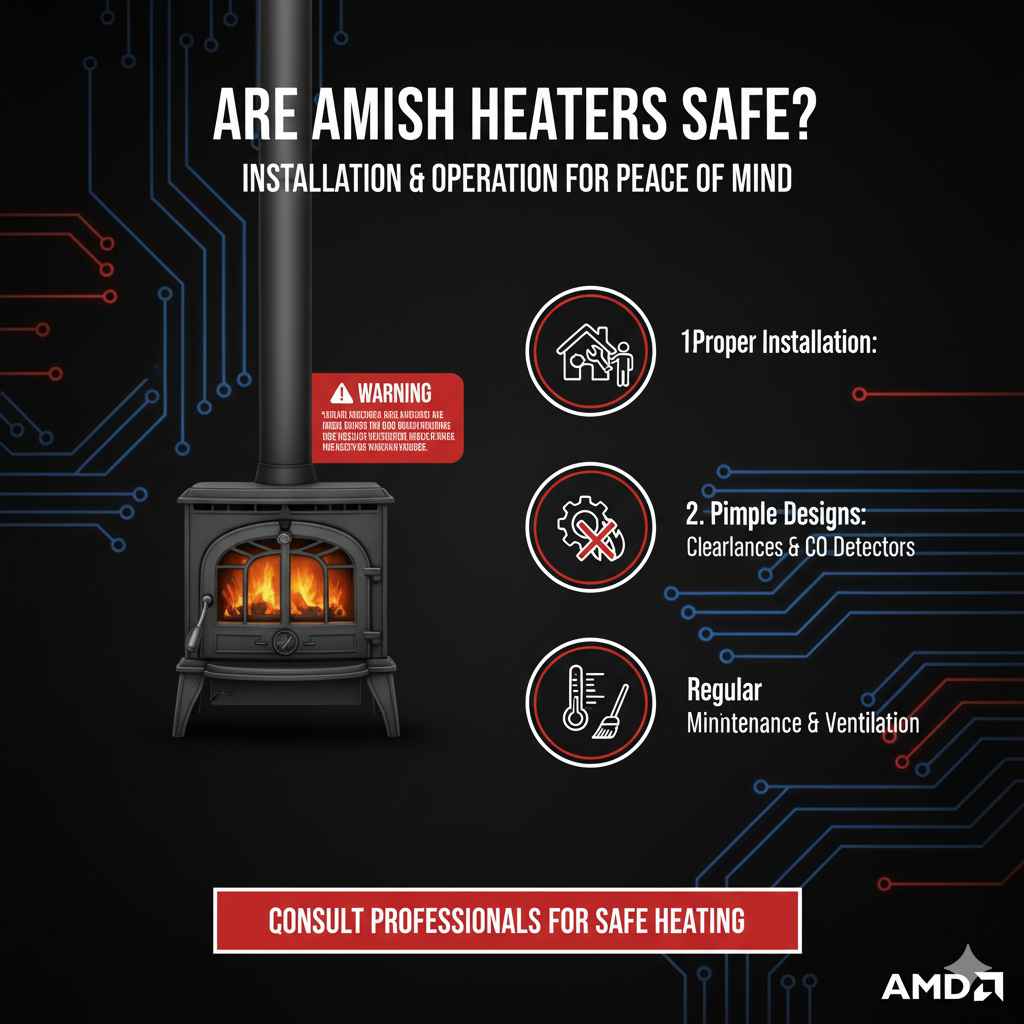
Key safety considerations include:
- Proper Installation: Hiring a qualified professional for installation, especially for wood stoves with venting, is crucial. This ensures clearances to combustibles are maintained and the venting system is safe and effective.
- Clearances: Always maintain the manufacturer-recommended clearances between the heater and any combustible materials (walls, furniture, curtains).
- Carbon Monoxide Detectors: Install and maintain functioning carbon monoxide detectors on every level of your home, especially near sleeping areas. This is vital for any fuel-burning appliance, including gas and propane heaters.
- Regular Maintenance: Cleaning out ash, ensuring the firebox is clear, and having the chimney inspected and swept annually can prevent fires and ensure safe operation.
- Ventilation: Ensure adequate ventilation, especially for unvented propane or kerosene heaters, to prevent the buildup of harmful gases.
The absence of complex electronics in many traditional Amish-style wood stoves can, in some ways, make them more reliable and predictable from a safety standpoint, as there are fewer electronic components that could fail.
Frequently Asked Questions About Amish Heaters
Q1: How much wood does an efficient Amish heater use compared to an old one?
An efficient Amish-style wood heater can use significantly less wood. Because it burns fuel more completely and transfers heat better, you’ll get more BTUs (heat units) from each pound of wood. This means you’ll need to reload the stove less often and use fewer cords of wood over a heating season compared to an older, less efficient model.
Q2: Do Amish heaters require a lot of maintenance?
They require regular tending and cleaning, but often less complex maintenance than modern furnaces with many moving parts. For wood stoves, this includes ash removal, cleaning the glass door, and annual chimney sweeping. Pellet stoves require more frequent cleaning of the burn pot and ash pan, but the fire itself is more automated.
Q3: Are Amish heaters good for heating an entire house?
Yes, many Amish-style wood stoves are designed to heat medium to large homes, especially when properly installed with a good distribution system (like ceiling fans or a well-planned layout). However, the size of the stove and your home, as well as insulation levels, will determine how effectively it can heat the entire space.
Q4: Is it hard to start a fire in an Amish heater?
Starting a fire in a well-designed wood stove typically involves using kindling and small pieces of wood to establish a small, hot fire, then gradually adding larger pieces. Modern stoves with good airflow controls can make this process easier. It takes a little practice, but it’s a straightforward skill to learn.