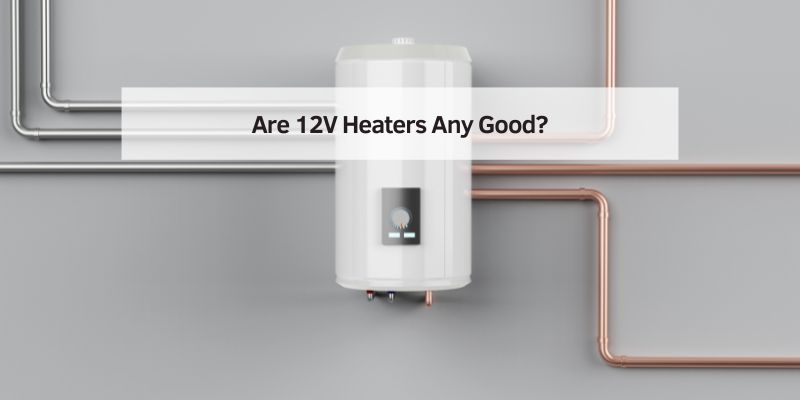
Are 12V Heaters Any Good?
When I first considered a 12V heater for my camper van, I was excited about the idea of a compact, battery-powered heater that could keep me warm without propane. But after testing a few and digging into user experiences, I learned 12V heaters have serious limitations. Are they any good? It depends on your needs, but for most heating tasks, they’re underwhelming compared to alternatives like propane heaters (e.g., blue flame or red flame models). Let’s break down their effectiveness, pros, cons, and how they stack up, so you can decide if they’re worth it.
For portable or electric heater comparisons, Are Ceramic Wall Heaters Any Good? Benefits gives readers another helpful angle before buying or using one.
What Are 12V Heaters?
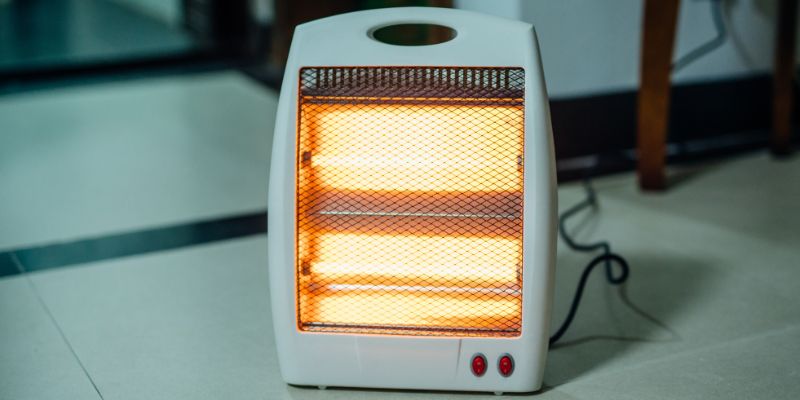
12V heaters are electric heaters that plug into a 12-volt power source, like a car’s cigarette lighter socket or a battery system. They’re often marketed for vehicles, RVs, or small spaces like tents or camper vans. Common types include ceramic fan heaters, heated blankets, or seat cushions, with power ratings typically between 100–300 watts. Unlike blue flame (convection) or red flame (infrared) propane heaters, which burn fuel to produce heat, 12V heaters rely solely on electricity, making them portable but dependent on battery capacity.
How Effective Are 12V Heaters?
The short answer: 12V heaters are not great for heating large spaces or providing sustained warmth. Here’s why:
- Low Heat Output: Most 12V heaters produce 100–300 watts, translating to 340–1,024 BTUs. For comparison, a Mr. Heater Buddy (a red flame propane heater) outputs 4,000–9,000 BTUs, and a blue flame heater can hit 10,000–30,000 BTUs. A 150W 12V heater I tried in my car barely warmed a 3-inch spot on my windshield after 10 minutes—nowhere near enough for a tent or RV.
- Battery Drain: 12V heaters pull a lot of power. A 200W heater draws about 16.7 amps, draining a 100Ah battery in roughly 6 hours (less with real-world inefficiencies). Running one overnight in a camper van without a massive battery bank or generator is impractical.
- Limited Use Cases: They’re best for specific tasks, like defrosting a windshield or warming a single seat. For example, a RoadPro 12V heater can clear fog from a car window in a few minutes but won’t heat an entire vehicle. Heated blankets or seat cushions, like the HealthMate Velour 12V, are better for personal warmth but don’t heat spaces.
Pros of 12V Heaters
Despite their limitations, 12V heaters have some upsides:
- Portability: They’re lightweight (1–3 lbs) and plug into a cigarette lighter or battery, making them easy to carry for car camping or UTV trips.
- Safety: No open flames or fuel, reducing risks like carbon monoxide poisoning (a concern with propane heaters, even safe ones like Mr. Heater). Just use a CO detector with any heater!
- Quick Setup: Plug-and-play design—no propane tanks or hoses needed. I plugged a 12V ceramic heater into my car’s socket, and it was blowing warm air in seconds.
- Defrosting: Effective for clearing windshield fog in vehicles, especially in mild climates (e.g., 50°F coastal winters).
Cons of 12V Heaters
The downsides often outweigh the benefits for most users:
- Weak Heat: Users report 12V heaters are “worthless” for heating spaces like camper vans or tents. One camper said a 150W heater “did nothing” in their RV.
- Battery Limitations: Without a running engine or large battery bank (e.g., 340Ah lithium), they drain batteries fast. A typical RV battery (100Ah) can’t sustain a 500W heater for long.
- Fuse Issues: Many 12V sockets are fused at 10–15 amps, so a 200W heater (16.7 amps) can blow fuses unless wired directly to a battery.
- Poor Performance in Cold: Below freezing, 12V heaters struggle to produce enough heat. One user in a blizzard got only a “3-inch circle” of clear windshield.
Comparison to Blue Flame and Red Flame Propane Heaters
Since you asked about blue flame vs red flame heaters, let’s compare 12V heaters to these propane options for context:
| Feature | 12V Heater | Blue Flame Propane | Red Flame Propane |
|---|---|---|---|
| Heat Output | 340–1,024 BTU | 10,000–30,000 BTU | 4,000–18,000 BTU |
| Best Use | Defrosting, personal warmth | Insulated spaces (tents, RVs) | Uninsulated spaces, spot heating |
| Power Source | Battery or vehicle socket | Propane tank | Propane tank |
| Run Time | 1–6 hours (100Ah battery) | 3–110 hours (1–20 lb tank) | 3–110 hours (1–20 lb tank) |
| Safety Needs | Fuse protection | CO detector, ventilation | CO detector,unofficial |
| Portability | Very portable (1–3 lbs) | Less portable (10–20 lbs) | Less portable (10–20 lbs) |
| Cost | $20–$100 | $80–$250 | $80–$150 |
Caption: This table compares 12V heaters to propane heaters for camping or RV use.
- Heat Output: Propane heaters like the Mr. Heater Buddy (red flame) or Dyna-Glo Blue Flame far outshine 12V heaters. A red flame heater warmed my tent in minutes, while a 12V heater barely took the chill off.
- Run Time: Propane heaters last much longer. A 1-lb propane tank runs a Buddy Heater for 3–5 hours, and a 20-lb tank lasts days. A 12V heater flattens a typical RV battery in hours.
- Use Case: Blue flame heaters are best for insulated spaces (even heat), while red flame heaters excel for quick, directional warmth in open areas. 12V heaters are limited to small, targeted tasks like defrosting or warming one person.
When Are 12V Heaters Good?
12V heaters shine in specific scenarios:
- Windshield Defrosting: A Camec 12V fan heater clears fog in minutes, perfect for morning drives in a camper.
- Personal Warmth: Heated blankets or seat cushions (e.g., Sojoy 12V Heated Blanket) keep you cozy in a car or tent without heating the whole space.
- Mild Climates: In areas like the Pacific Northwest, where winters stay around 50°F, a 12V blanket or small heater can reduce humidity and take the edge off.
- Short Bursts: For quick warm-ups (e.g., 10–30 minutes in the morning), a 150W heater or blanket works if your battery is charged.
When Are They Not Good?
- Cold Weather: Below 20°F, 12V heaters don’t produce enough heat for spaces like tents or vans. A propane heater (e.g., Mr. Heater Golf Buddy) is better for 20°F conditions.
- Large Spaces: Even a small RV or teardrop trailer needs 4,000+ BTUs to stay warm, far beyond 12V heater capabilities.
- Long-Term Use: Without a generator or huge battery bank (e.g., 10–15kWh), 12V heaters drain batteries too fast for overnight use.
Alternatives to 12V Heaters
Based on my camping experience and user feedback, these options often outperform 12V heaters:
- Propane Heaters: Red flame (e.g., Mr. Heater Buddy) or blue flame (e.g., Dyna-Glo) heaters are more powerful and cost-effective for camping or RVs. They need ventilation and a CO detector but heat spaces well.
- Diesel Heaters: A 12V diesel heater (e.g., VEVOR 8KW) provides dry, efficient heat for RVs or tents. It’s portable, uses little fuel, and runs on 12V power, but setup is complex.
- Electric Blankets: A 12V heated blanket (e.g., Sojoy Universal) uses less power (50–100W) and keeps you warm in bed, ideal for mild winters.
- Hydronic Heaters: For vans with robust electrical systems, hydronic heaters (propane or diesel) offer efficient heat and hot water but are costly ($1,000–$2,000).
Safety Tips for 12V Heaters
- Check Fuses: Use an inline fuse or wire directly to the battery to avoid blowing your vehicle’s socket fuse.
- Monitor Battery: Don’t run without the engine on or a charged battery to avoid being stranded.
- Avoid Overheating: Some 12V heaters lack auto-shutoff, so don’t leave them unattended.
My Experience and Tips
I tried a 150W 12V ceramic heater in my van, hoping it’d warm the space for morning coffee. It barely made a dent, and my battery was at 50% after an hour. Switching to a Mr. Heater Buddy (red flame) was a game-changer—it heated my 100-square-foot tent in 10 minutes. For 12V, I now use a heated blanket for sleeping and a small propane heater for the space. My tips:
- Pair a 12V heater with a good battery (at least 100Ah lithium).
- Use it for short bursts (e.g., 10–20 minutes) to save power.
- Get a CO detector, even for electric heaters, if you mix with propane devices.
Conclusion
12V heaters are okay for niche uses like defrosting windshields or warming one person in mild weather, but they’re not great for heating spaces like tents, RVs, or vans. Their low power (100–300W) and battery drain make them less effective than propane heaters like blue flame or red flame models, which pump out thousands of BTUs. If you’re camping in cold weather (below 40°F) or need all-night heat, go for a propane or diesel heater with proper safety gear. For mild climates or quick warm-ups, a 12V heated blanket or seat cushion is a better bet. Check out Mr. Heater or REI for reliable options. What’s your setupgot a favorite heater for chilly adventures?