Are Bucket Heaters Dangerous? Real Risks Explained
Are you using a bucket heater or thinking about getting one? You might be wondering, “Are bucket heaters dangerous?” It’s a smart question because safety should always come first when dealing with electrical devices.
You want to keep yourself, your family, and your workspace safe while making sure your heater does its job. You’ll discover the real risks, how to avoid them, and simple tips to use bucket heaters safely. Keep reading to protect yourself and get the most out of your heater without worry.
Risks Of Bucket Heaters
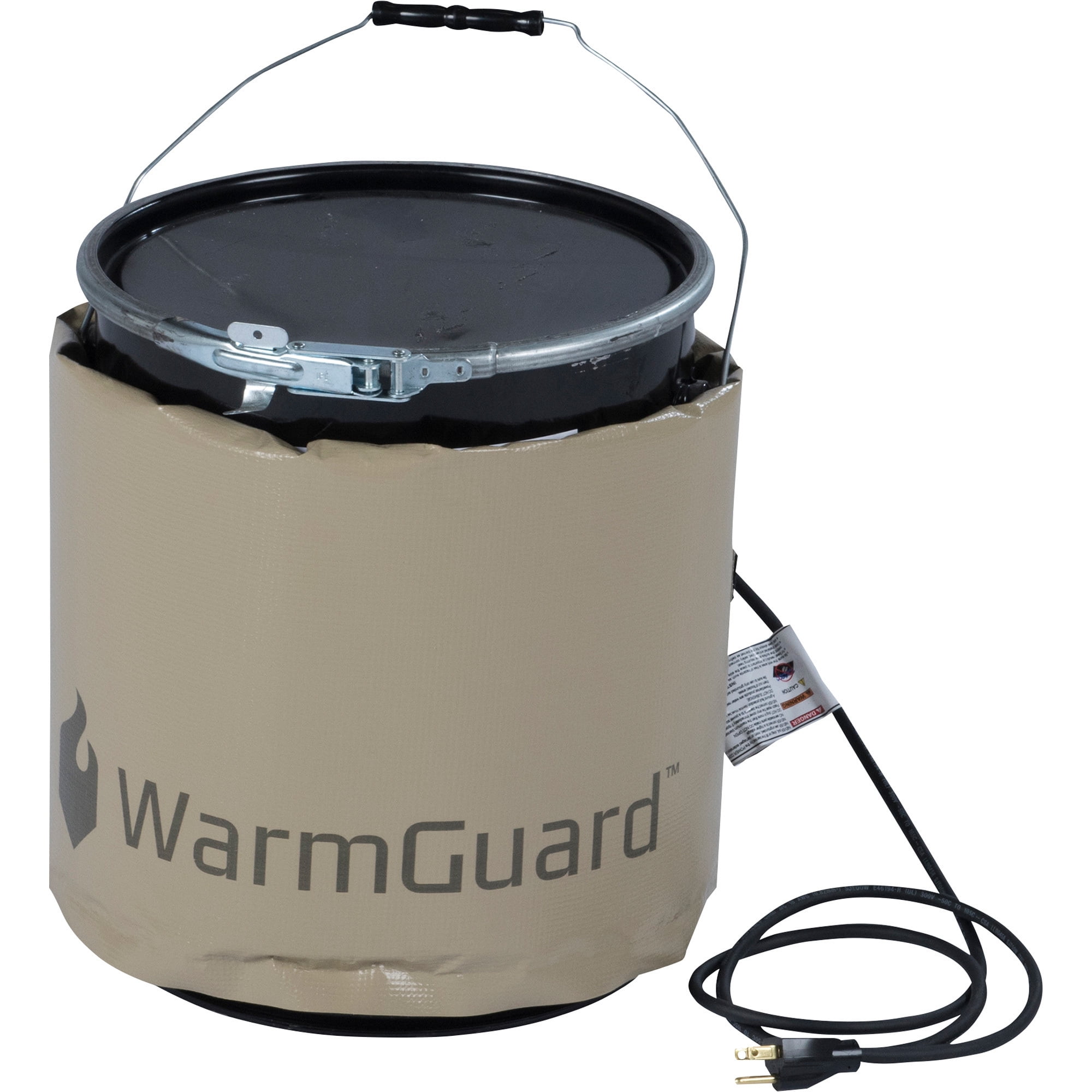
Bucket heaters are useful tools for warming liquids and materials. They save time and effort during cold weather or industrial tasks. Yet, these devices carry certain risks that users must know. Understanding these risks helps prevent accidents and injuries.
Electrical Hazards
Bucket heaters use electric power to generate heat. Faulty wiring or damaged cords can cause electric shocks. Water and electricity together increase the danger. Always check for frayed wires and avoid using wet hands.
Fire Risks
Overheating is a common cause of fires with bucket heaters. Leaving the heater on too long can ignite nearby flammable materials. Placing heaters near paper or cloth increases fire chances. Proper supervision and placement reduce fire risks.
Burn Injuries
The heater’s surface becomes very hot during use. Touching it accidentally can cause serious burns. Hot liquids inside the bucket can splash and burn skin. Use protective gloves and keep children away from heaters.
Chemical Reactions
Some chemicals may react dangerously with heat. Heating certain liquids can release toxic fumes or cause explosions. Always check the bucket contents before using the heater. Avoid heating unknown or hazardous substances.
Safe Usage Practices
Using bucket heaters safely reduces risks and protects users. Following clear steps makes the process simple and secure. Knowing how to handle these heaters keeps accidents away and extends heater life.
Proper Installation
Place the heater according to the manufacturer’s guide. Connect it to a power source with the right voltage. Avoid using damaged cords or plugs. Secure the heater firmly to prevent movement or tipping.
Correct Temperature Settings
Set the temperature to the level suggested for your material. Avoid setting it too high to prevent damage or hazards. Use a thermostat or control device for steady heat. Check settings regularly to maintain safe operation.
Avoiding Overheating
Do not leave the heater on without supervision. Turn it off when not in use. Keep flammable materials far from the heater. Use timers or automatic shut-offs to prevent long heating periods.
Safe Placement
Place the heater on a flat, stable surface. Keep it away from water or wet areas. Ensure good ventilation around the heater for heat dissipation. Avoid crowded spaces to reduce fire risk and allow easy access.
Maintenance And Inspection
Proper maintenance and inspection are key to using bucket heaters safely. Regular care helps spot problems early. It prevents accidents and extends heater life. This section covers simple steps to keep bucket heaters in good shape.
Regular Checks
Check your bucket heater before each use. Look for loose wires or parts. Ensure the power cord is not frayed or cut. Confirm the heater sits firmly in the bucket. Test the heater controls to make sure they work.
Cleaning Procedures
Turn off and unplug the heater before cleaning. Use a dry cloth to remove dust and dirt. Avoid water or liquid cleaners on electrical parts. Clean the heating element gently to keep it working well. Regular cleaning keeps the heater efficient and safe.
Identifying Damage
Look for cracks or breaks in the heater casing. Spot any burn marks or discoloration on wires. Listen for unusual noises when the heater runs. Smell for burning or strange odors. These signs suggest damage and need attention.
Replacing Faulty Components
Replace damaged cords or plugs immediately. Use parts recommended by the heater’s manufacturer. Do not use the heater if any component is broken. Faulty parts can cause electric shock or fire. Proper replacements keep the heater safe and reliable.
Emergency Precautions
Emergency precautions are vital when using bucket heaters. These devices involve heat and electricity, which can cause accidents without proper care. Knowing how to act in emergencies reduces risks and keeps everyone safe. Stay calm and follow clear steps to handle any urgent situation.
Dealing With Electrical Failures
Turn off the power source immediately. Avoid touching the heater or water if you see sparks or smoke. Unplug the device only if it is safe to do so. Do not try to fix electrical problems yourself. Call a qualified electrician for help. Keep the area dry to prevent shocks.
Fire Safety Measures
Have a fire extinguisher nearby at all times. Use a Class C extinguisher for electrical fires. Never use water to put out electrical fires. Clear the area around the heater from flammable materials. If a fire starts, evacuate the area quickly. Call emergency services without delay.
First Aid For Burns
Cool the burn with running cold water for 10 minutes. Do not apply ice or creams. Cover the burn with a clean, dry cloth. Avoid popping any blisters. Seek medical help for large or serious burns. Keep the injured person calm and comfortable.
Emergency Shutdown
Know the location of the main power switch. Turn off the heater immediately if it malfunctions. Disconnect power at the circuit breaker if needed. Follow the manufacturer’s instructions for emergency shutdown. Report any issues to maintenance or supervisors. Always prioritize safety over equipment use.
Selecting The Right Bucket Heater
Selecting the right bucket heater is important for safety and efficiency. A good choice prevents accidents and saves energy. Consider key factors before buying to find a heater that fits your needs. This helps avoid risks and ensures smooth operation.
Types Of Heaters
There are different types of bucket heaters. Some use silicone rubber, others use metal bands. Silicone heaters are flexible and heat evenly. Metal band heaters are strong and durable. Choose the type based on your bucket material and heating needs.
Safety Certifications
Check for safety certifications before buying a bucket heater. Look for marks like UL, CE, or ETL. These show the heater meets safety rules. Certified heaters reduce the chance of fire or electric shock. Safety first always.
Power And Capacity
Choose a heater with the right power for your bucket size. Too much power wastes energy and may cause damage. Too little power won’t heat properly. Match the heater’s wattage to your bucket’s volume for best results.
User Reviews And Ratings
Read user reviews to learn about real experiences. Good ratings mean the heater works well and is safe. Watch for comments about overheating or damage. Honest reviews help pick a reliable heater.

Frequently Asked Questions
Are Bucket Heaters Safe For Home Use?
Yes, bucket heaters are generally safe when used as directed. Always follow manufacturer instructions and avoid water contact with electrical parts to prevent hazards.
Can Bucket Heaters Cause Electrical Shocks?
Improper use or damaged heaters can cause shocks. Regularly inspect cords and plugs, and never use a heater with exposed wiring.
What Safety Precautions Prevent Bucket Heater Accidents?
Use heaters in dry areas, avoid submerging electrical parts, and unplug after use. Never leave heaters unattended to reduce fire risk.
Do Bucket Heaters Pose Fire Risks?
If misused, bucket heaters can cause fires. Always use on non-flammable surfaces and keep flammable materials away from the heater.
Conclusion
Bucket heaters can be safe when used correctly. Always follow the instructions carefully. Avoid placing them near flammable materials. Regularly check for damage or wear. Never leave heaters unattended while on. Simple safety steps reduce risks a lot. Using bucket heaters wisely protects you and your items.
Stay alert and handle them with care. Safety always comes first with any heating device.