Are Block Heaters Mandatory in Ontario? A Comprehensive Guide for Winter Driving
Hey there! If you’re wondering whether block heaters are mandatory in Ontario, you’re not alone. As someone who’s spent time digging into this topic, I know how confusing it can be, especially if you’re new to the harsh Canadian winters or just trying to keep your car in top shape. Ontario’s winters can be brutal, with snow piling up and temperatures dropping way below freezing. So, it’s natural to ask: do you need a block heater to survive the cold?
Let’s dive into this question with a friendly, no-nonsense approach. I’ll walk you through everything I’ve learned, from what block heaters do to whether they’re legally required in Ontario. My goal is to make this as clear and engaging as possible, so you feel ready to tackle winter driving like a pro.
What Is a Block Heater and Why Should You Care?
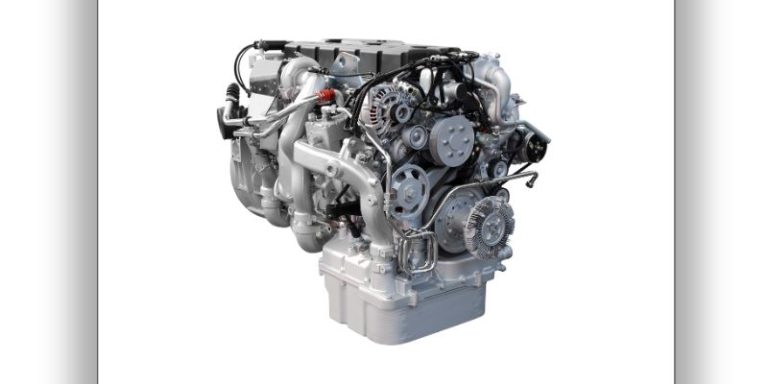
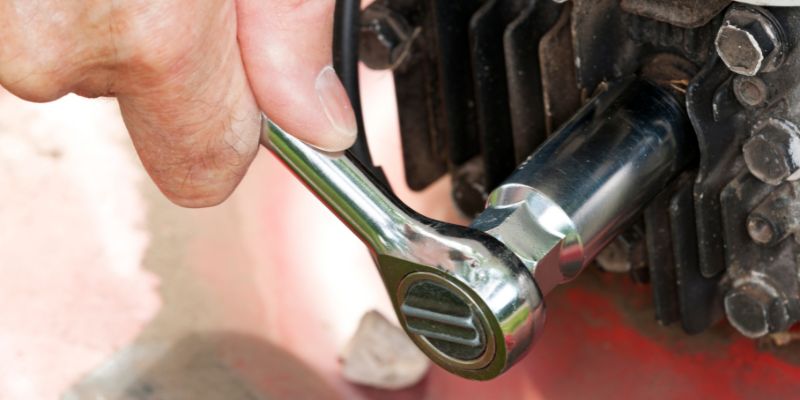
Picture this: it’s a freezing January morning in Ontario, and your car won’t start. The engine groans, the battery struggles, and you’re stuck shivering in the driver’s seat. This is where a block heater comes in. A block heater is a small electric device that warms your car’s engine by heating the coolant or oil. It’s usually plugged into a standard electrical outlet, and it keeps your engine from turning into a popsicle overnight.
Why does this matter? Cold weather makes engine oil thick and sluggish. Thick oil doesn’t lubricate well, so starting your car in sub-zero temperatures can wear out the engine faster. A block heater warms the oil and coolant, making it easier for your engine to turn over. It also helps your car’s heater kick in faster, so you’re not blasting cold air on your face while driving to work. Plus, it can save you some gas and reduce emissions, which is a win for your wallet and the planet.
I remember my first winter in Ontario. I didn’t have a block heater, and my old sedan took forever to warm up. I’d sit there, bundled up like I was heading to the Arctic, waiting for the heat to kick in. Once I got a block heater installed, it was a game-changer. The engine started smoothly, and I wasn’t freezing my toes off. So, even if it’s not mandatory, a block heater can make your life a lot easier.
Are Block Heaters Legally Required in Ontario?
Let’s get to the big question: are block heaters mandatory in Ontario? The short answer is no, they’re not legally required. I’ve looked into Ontario’s vehicle regulations, and there’s no law that says you must have a block heater installed in your car. You won’t get a ticket or a fine for driving without one, even in the middle of a deep freeze.
That said, block heaters are super common in Ontario, especially in the northern parts where temperatures can drop to -40°C. Most cars sold in Canada, including Ontario, either come with a block heater as standard or have it as an option. Dealerships often install them because they know how tough the winters can be. I’ve talked to friends in places like Thunder Bay and Sudbury, and they swear by their block heaters. It’s not about the law—it’s about making sure your car starts when it’s colder than a polar bear’s picnic.
So, while Ontario doesn’t mandate block heaters, they’re practically a must-have for many drivers. If you’re parking outside in a place like Timmins, you’ll thank yourself for having one. But if you’re in milder southern Ontario, like Toronto or Windsor, you might get by without it, especially if you use synthetic oil and park in a garage.
Why Are Block Heaters So Popular in Ontario?
Even though block heaters aren’t required by law, they’re a big deal in Ontario. Why? It all comes down to the weather. Ontario is huge, and the climate varies a lot. Southern Ontario, near the Great Lakes, gets milder winters with heavy snow, while northern Ontario can feel like the Arctic Circle. Temperatures below -15°C are common, and that’s when block heaters shine.
Here’s why so many Ontarians love their block heaters:
- Easier Starts: Cold engines are hard to start. A block heater warms the coolant, so the engine turns over without a fight. I’ve had mornings where my car started like it was summer, all thanks to plugging it in for a couple of hours.
- Less Wear and Tear: Cold starts are rough on your engine. Thick oil doesn’t flow well, which means more friction and faster wear. A block heater keeps things lubricated, potentially extending your engine’s life.
- Faster Cabin Heat: Nobody likes sitting in a freezing car. A block heater warms the coolant, so your heater starts blowing warm air sooner. Trust me, this makes a huge difference on a -20°C morning.
- Better Fuel Economy: A cold engine burns more gas to warm up. By pre-warming the engine, a block heater can save you up to 10-25% on fuel for short trips, according to Natural Resources Canada.
- Lower Emissions: Cold engines produce more pollutants. A block heater helps your engine run cleaner, which is good for the environment.
I’ve noticed that in places like Ottawa or Sault Ste. Marie, parking lots often have electrical outlets for block heaters. It’s a sign of how common they are. Even in milder areas like the GTA, many drivers opt for block heaters because they make winter driving less of a hassle.
When Should You Use a Block Heater?
So, when do you actually need to plug in your block heater? It depends on the temperature. Most experts, including those at CAA Manitoba, recommend using a block heater when the temperature drops below -15°C. Below this point, engine oil gets thick, batteries lose power, and starting your car becomes a real struggle.
Here’s a quick guide to help you decide:
| Temperature (°C) | Should You Use a Block Heater? | Notes |
|---|---|---|
| Above 0°C | Not necessary | Your engine should start fine, especially with synthetic oil. |
| 0°C to -15°C | Optional | Consider using it for short trips or if your car struggles to start. |
| Below -15°C | Highly recommended | Cold starts can damage your engine and drain your battery. |
Timing is also key. You don’t need to leave your block heater plugged in all night—that’s just a waste of electricity. Studies, like one from the University of Saskatchewan in 1972, show that four hours is enough to warm the engine. I use a block heater timer, which I got for about $15 at Canadian Tire. I set it to turn on a few hours before I leave, and it saves energy while keeping my car ready to go.
I learned this the hard way one winter in Kitchener. I left my block heater plugged in overnight, thinking it would make my car extra toasty. My electric bill wasn’t happy, and the engine didn’t benefit from the extra hours. Now, I stick to a two- to four-hour window, and it works like a charm.
Do All Cars in Ontario Come with Block Heaters?
Here’s something that surprised me when I first started looking into this: not all cars in Ontario come with block heaters. In provinces like Alberta or Manitoba, it’s almost impossible to buy a new car without one. Dealerships there often install them as standard, knowing how cold it gets. But in Ontario, it’s hit or miss.
Some manufacturers include block heaters in their “Canadian package” for vehicles sold in colder regions. For example, Toyota and Honda often add them as a dealer-installed option in places like Northern Ontario. But in southern Ontario, where winters are milder, you might need to request one or buy a car without it. My neighbor in Mississauga bought a 2022 SUV, and it didn’t have a block heater. He had to get one installed for about $250 at a local mechanic.
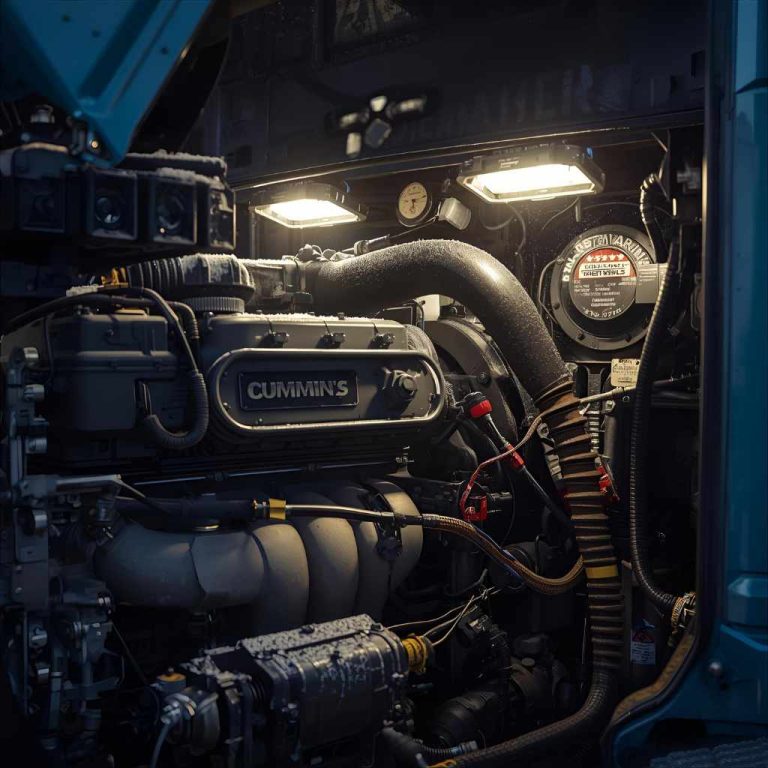
If you’re buying a new car, check with the dealership. Look for an electrical cord tucked under the hood or near the front grille—that’s a sign your car has a block heater. If it doesn’t, you can usually get one installed for $200-$300, depending on the vehicle. Diesel engines, in particular, benefit from block heaters because they’re harder to start in the cold.
Can You Get By Without a Block Heater in Ontario?
You might be thinking, “If block heaters aren’t mandatory, can I skip them?” The answer depends on where you live, how you use your car, and what kind of winter you’re dealing with. Let me break it down based on my own experience and what I’ve learned from other drivers.
If you live in southern Ontario, like Toronto, Hamilton, or London, you can probably get by without a block heater. These areas have milder winters, with temperatures rarely dipping below -20°C for long. Using high-quality synthetic oil, which stays fluid in cold weather, can help your car start without too much trouble. A good battery, like an AGM model, also makes a big difference. I’ve driven through Toronto winters without a block heater, and my car was fine, though it took longer to warm up.
In northern Ontario, it’s a different story. Places like Thunder Bay, Kenora, or Timmins regularly see temperatures below -30°C. Without a block heater, you’re rolling the dice. Your car might start, but it’ll struggle, and you’re putting extra wear on the engine and battery. I talked to a mechanic in Sudbury who said he sees more cold-start damage in cars without block heaters, especially older models.
Even if you don’t need a block heater, it’s worth considering for convenience. Starting your car in -25°C and getting warm air from the heater in minutes is a luxury you’ll appreciate. Plus, it can save you from the stress of a car that won’t start when you’re late for work.
How Much Does a Block Heater Cost to Install and Run?
One question I had when I first looked into block heaters was, “How much is this going to cost me?” The good news is that block heaters are pretty affordable, both to install and to use.
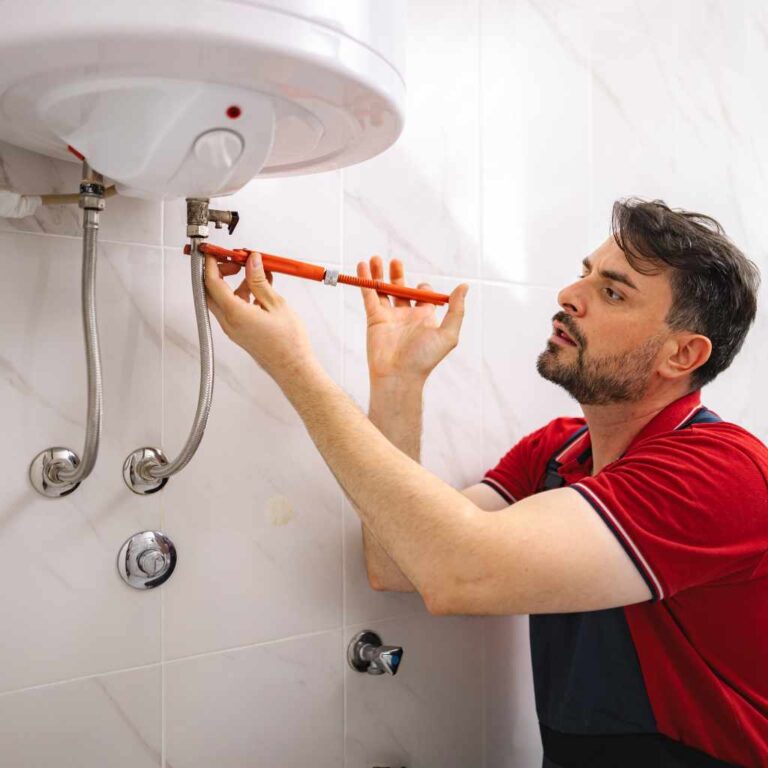
- Installation Costs: If your car doesn’t have a block heater, you can get one installed for $200-$300, depending on the vehicle and where you go. Dealerships might charge more, while independent mechanics or places like Canadian Tire can be cheaper. My friend got one installed on his pickup for $220, and it took less than an hour.
- Running Costs: Block heaters use electricity, but they’re not energy hogs. A typical block heater uses about 400-1500 watts, depending on the size. If you plug it in for four hours a day at an average Ontario electricity rate of $0.15 per kWh, you’re looking at $0.24-$0.90 per day. Over a winter, that’s maybe $20-$70, which is a small price for the benefits.
- Timer Savings: A block heater timer can cut costs even more. I set mine to turn on three hours before I leave, and it’s saved me from wasting electricity. You can find timers for $10-$20 at most hardware stores.
When I got my block heater installed, I was worried about the electric bill. But honestly, it’s been a non-issue. The convenience and peace of mind are worth way more than the small cost.
Alternatives to Block Heaters
What if your car can’t support a traditional block heater, or you just don’t want to deal with plugging in? There are other options to keep your engine happy in the cold. Here’s what I’ve come across:
- Oil Pan Heaters: These attach to the oil pan with magnets or straps and warm the oil directly. They’re a good alternative if your engine doesn’t have a spot for a block heater. Just be careful—magnetic ones can fall off if you hit a bump.
- Radiator Hose Heaters: These are installed in the radiator hose to warm the coolant. They’re less common and can be tricky to install without causing leaks.
- Battery Warmers: A battery warmer keeps your car’s battery from losing power in the cold. It’s not a full replacement for a block heater, but it can help with starting.
- Synthetic Oil: High-quality synthetic oil stays thinner in cold temperatures, reducing the need for a block heater. I switched to synthetic oil a few years ago, and it made a noticeable difference in how my car handled winter mornings.
- Heated Garage: If you have a heated garage, you might not need a block heater at all. Keeping your car indoors protects it from the worst of the cold.
I’ve tried a battery warmer on an older car, and it helped, but it wasn’t as effective as a block heater. If you’re in a super cold area, a block heater is still the gold standard.
Tips for Using a Block Heater Effectively
Using a block heater is pretty straightforward, but there are a few tricks to get the most out of it. Here’s what I’ve learned:
- Plug In Wisely: Don’t leave your block heater on all night. Two to four hours is enough. A timer makes this easy and saves electricity.
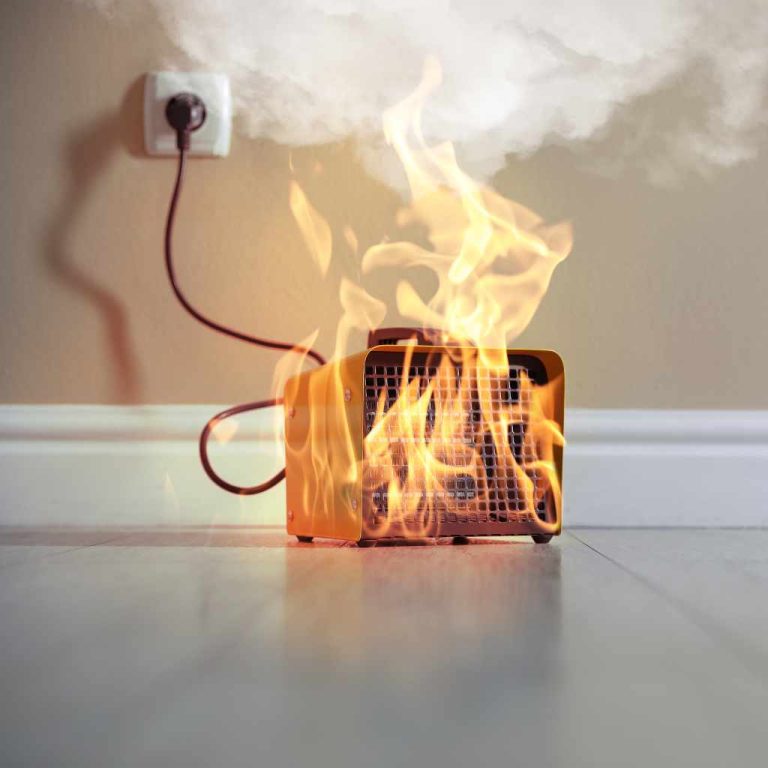
- Check the Cord: Inspect your block heater cord for damage, especially if it’s been through a few winters. A frayed cord can be a fire hazard. I check mine every fall to be safe.
- Use the Right Extension Cord: Use a heavy-duty, outdoor-rated extension cord. Cheap indoor cords can overheat or fail in the cold.
- Know Your Car: Some cars have specific block heater requirements. Check your owner’s manual or ask your mechanic to make sure you’re using the right one.
- Don’t Idle Too Long: Once your car is warm, drive it gently to get the oil circulating. Idling for too long wastes gas and doesn’t help the engine.
One winter, I forgot to check my block heater cord and ended up with a frayed mess. It was a cheap fix, but it taught me to stay on top of maintenance. A little care goes a long way.
Conclusion
So, are block heaters mandatory in Ontario? No, they’re not required by law, but they’re a lifesaver in the harsh Canadian winters. Whether you’re battling -30°C in Timmins or just dealing with a chilly Toronto morning, a block heater can make your car start easier, save fuel, and keep your engine in better shape. I’ve seen firsthand how much easier winter driving is with one, and I wouldn’t go back to freezing in my car while it struggles to start.
If you’re in Ontario, especially in the north, I’d highly recommend getting a block heater if your car doesn’t already have one. It’s a small investment for a lot of comfort and reliability. For milder areas, synthetic oil and a good battery might be enough, but a block heater is still a great option for peace of mind. Wherever you are, take the time to prep your car for winter—it’ll thank you with years of reliable service.
FAQs
Do I Need a Block Heater in Southern Ontario?
You can often get by without a block heater in southern Ontario, like Toronto or Windsor, where winters are milder. Synthetic oil and a strong battery can handle temperatures down to -15°C. But if you want faster cabin heat and less engine wear, a block heater is still a great choice.
How Long Should I Plug In My Block Heater?
Two to four hours is ideal. Any longer doesn’t add much benefit and wastes electricity. I use a timer to turn mine on a few hours before I leave, and it works perfectly.
Can I Install a Block Heater on Any Car?
Most cars can have a block heater installed, but it depends on the make and model. Diesel engines especially benefit from them. Check with your mechanic to find the right type for your vehicle.
Are There Risks to Using a Block Heater?
The main risk is a damaged cord, which can cause a fire hazard. Always check your cord for fraying and use a heavy-duty extension cord. Also, don’t leave it plugged in longer than needed to avoid wasting energy.
Do Electric Vehicles Need Block Heaters?
Electric vehicles don’t use traditional block heaters, but they can benefit from battery warmers to maintain performance in cold weather. Preconditioning the battery and cabin while plugged in also helps.