Heat Pumps Vs Gas Pool Heaters: Common Mechanical Issues
Imagine you’re gearing up for a refreshing swim, only to discover that your pool heater has gone on the fritz. Frustration mounts as you weigh your options: should you invest in a heat pump or stick with a trusty gas pool heater?
The battle between these two popular choices isn’t just about upfront costs or energy efficiency. Mechanical problems play a crucial role in determining which option best suits your needs. Do you dread unexpected breakdowns, or are you more concerned about long-term maintenance?
By the end of this article, you’ll have a clear understanding of the mechanical challenges each type of heater can present. You’ll be equipped to make an informed decision that ensures your pool is always ready for a dip, without the drama. Dive in to discover which pool heating solution best aligns with your lifestyle and keeps your worries at bay.
Credit: pinchapenny.com
Heat Pump Functionality
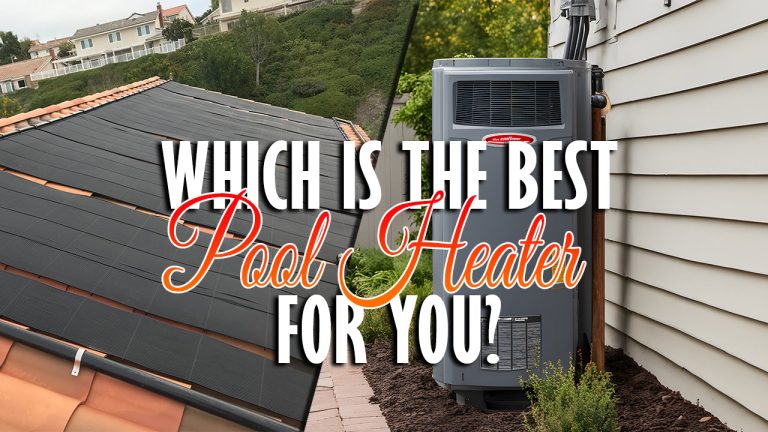
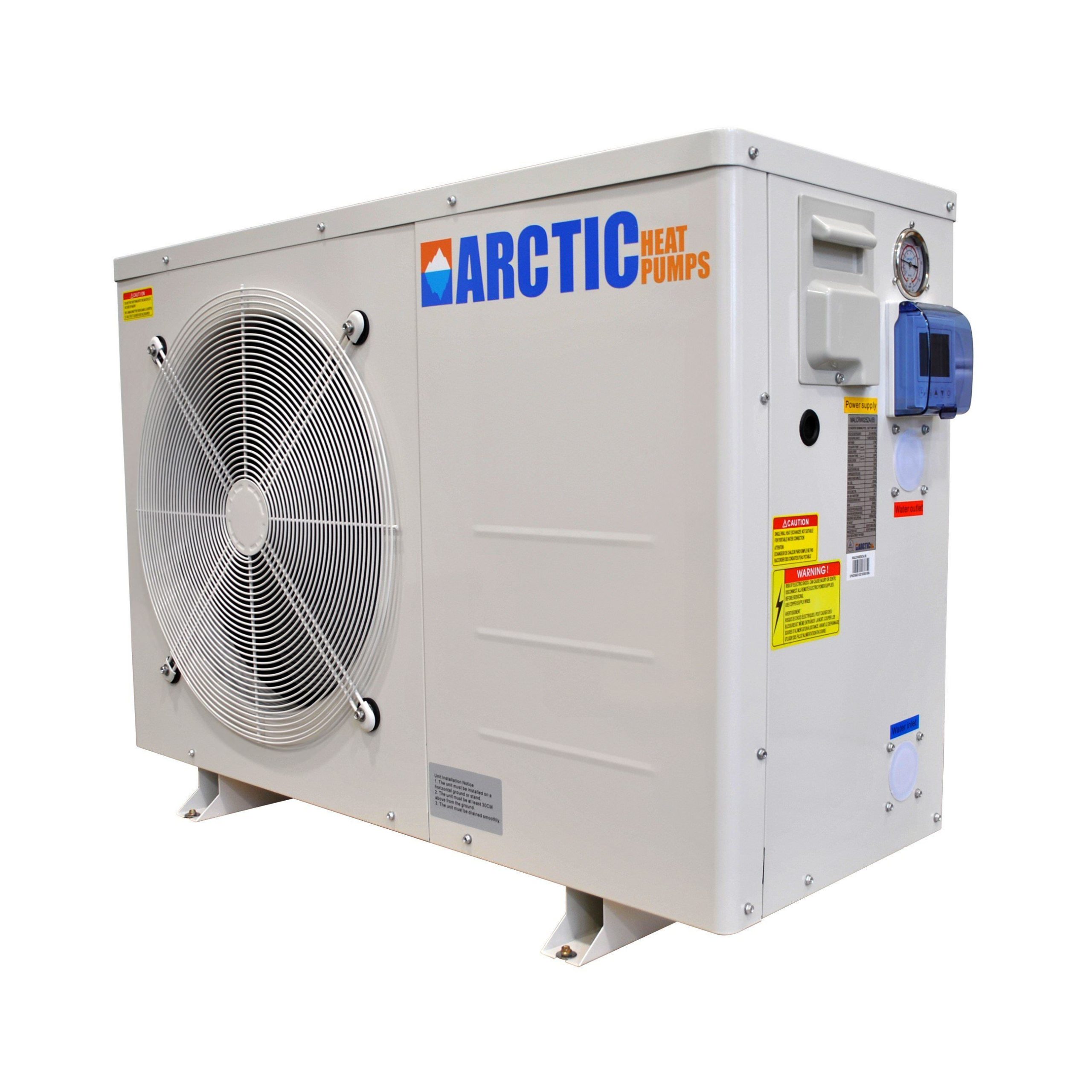
Heat pumps use less energy than gas pool heaters. They work by moving heat from the air or ground to the pool. This process is more efficient than creating heat. Gas heaters use a lot of fuel to warm water. This makes them less efficient. Heat pumps save more money in the long run. They are a greener choice for pool owners.
Heat pumps need warm weather to work well. They are best in mild climates. Cold air can slow down their work. Gas heaters work in any weather. They can heat pools faster than heat pumps. This makes them better for cold days. Choosing the right heater depends on your local weather.
Gas Pool Heater Mechanics
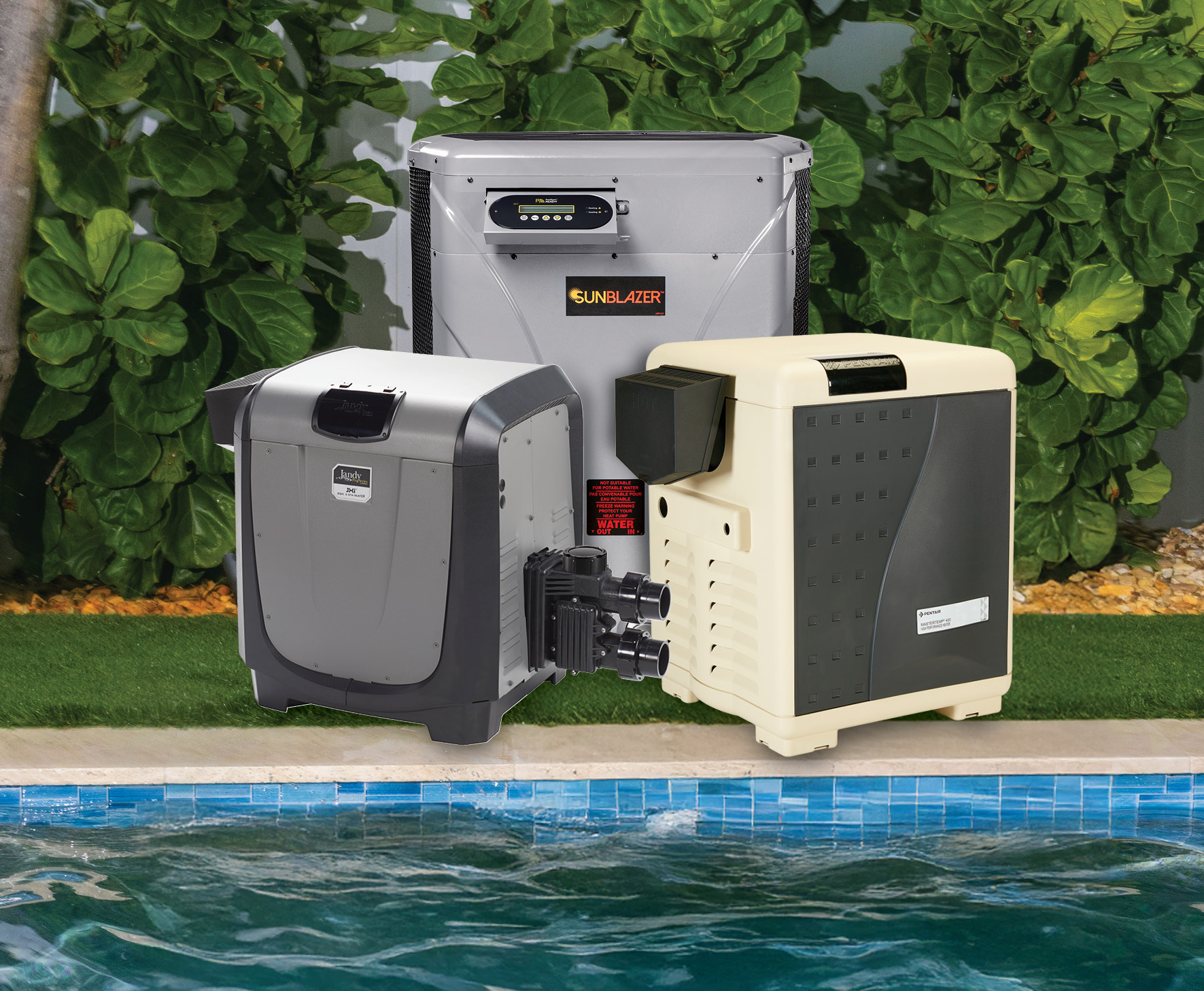
Gas pool heaters heat water quickly. They work fast, especially in cold weather. These heaters are ideal for quick dips. You won’t wait long for warm water. The gas heater warms the pool in a few hours. This speed is a big advantage. Fast heating means more fun time.
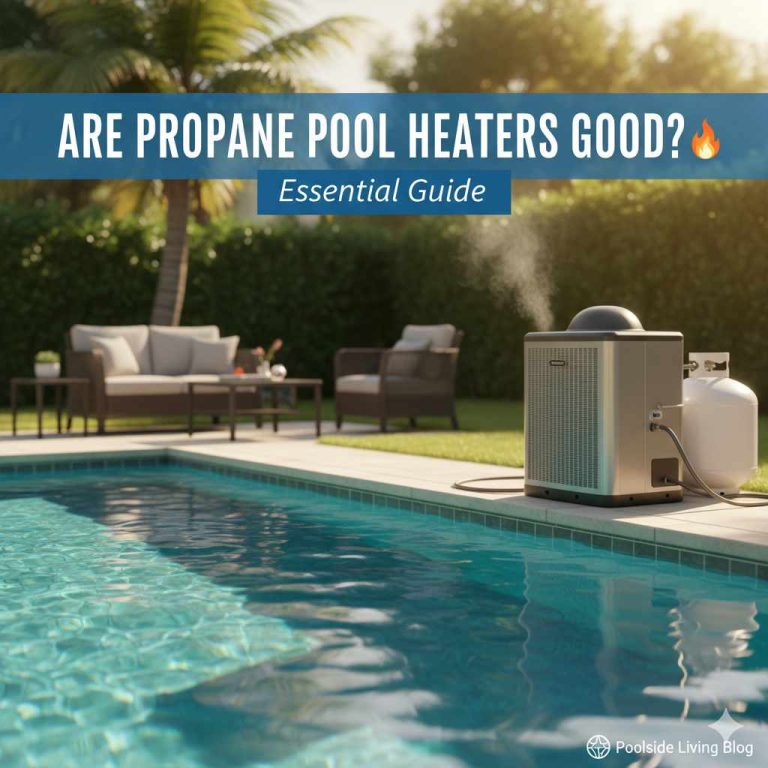
Gas pool heaters need natural gas or propane. They must connect to a gas line. This can be costly. Gas lines need maintenance. Fuel costs can add up over time. Propane tanks need refilling. Natural gas can be more reliable. Fuel must be available for the heater to work. Without fuel, the heater won’t heat the pool.
Common Mechanical Issues In Heat Pumps
Heat pumps sometimes have refrigerant leaks. These leaks cause the heat pump to stop working. The air may not get warm or cold. You might hear strange noises. This is a sign of a leak. It’s important to call a technician. They can fix it quickly.
Electrical failurescan be a problem too. Wires may get old or break. This stops the heat pump from turning on. You might notice lights flickering. Or the pump may not run at all. Checking wires often can help. Make sure they are not worn out.
Credit: www.aquacal.com
Typical Problems With Gas Pool Heaters
The pilot light may not stay lit. Strong winds can blow it out. Dirt and debris can also cause trouble. A faulty thermocouple might be the culprit too. This small device keeps the gas flowing. Without it, the heater won’t work. Check the thermocouple regularly to avoid issues. Sometimes, corrosion can cause problems. It might block the gas flow. Clean the area around the pilot light. Ensure no debris is present.
Low gas pressure can affect heater performance. The heater needs enough gas to work well. Sometimes, obstructions in the gas line can cause issues. Check for any kinks or bends in the pipe. These can stop gas from flowing. Ensure the gas valve is open fully. If the heater isn’t heating, check the supply. An empty gas tank might be the problem. Always keep a spare tank handy.
Maintenance Challenges
Owning a pool heater can be costly. Heat pumps might need professional help for fixes. These fixes can be pricey. Gas heaters often require less frequent repairs. But gas can cost more over time. You pay more for gas each month.
Regular checks are important. Heat pumps need cleaning of filters. Dust can stop them from working well. Gas pool heaters need checks for gas leaks. Safety is very important. Both types need attention. Regular care helps them last longer.
Repair Solutions
Heat pumps and gas pool heaters often face mechanical problems. Heat pumps may struggle in colder climates. Gas heaters can develop issues with burners and valves. Understanding these challenges helps in choosing the right repair solutions.
Professional Services
Hiring a professional techniciancan be a smart choice. They have the right toolsand knowledge. Professionals can fix both heat pumpsand gas pool heaters. It is safer and ensures the problemis solved. They know all about mechanical issues. This can save timeand effort. Hiring experts can prevent more damage. Always call a professional for complex issues.
DIY Fixes
DIY fixes can be fun and save money. For simple problems, check the power supplyfirst. Make sure the switchis on. Look for leaksin the pipes. Tighten any loose parts. Clean the filtersregularly. It helps the heaterrun better. Use a manualfor guidance. Always be safeand follow instructions. If unsure, call a professional.
Choosing The Right Heating System
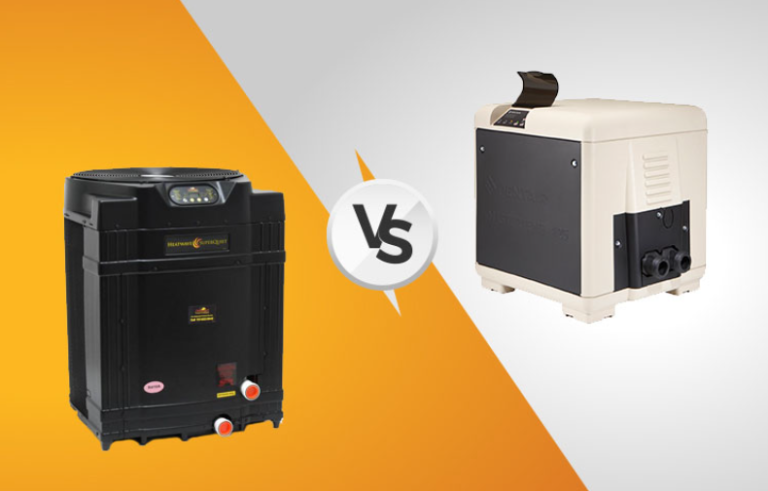
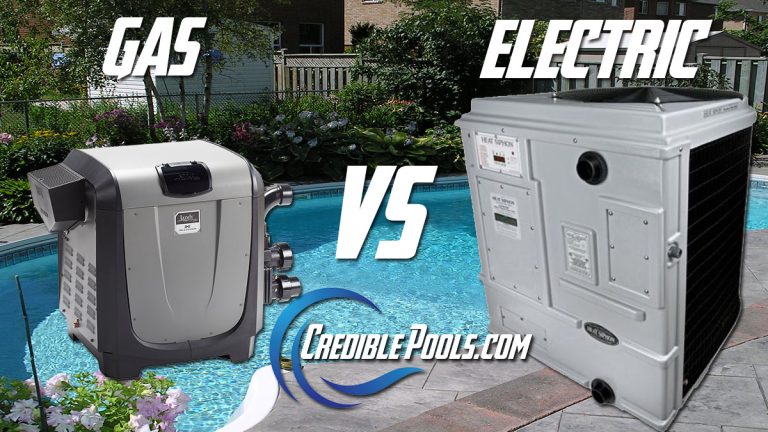
Heat pumps work best in warm climates. They pull heat from air or water. This keeps the pool warm. In colder areas, gas pool heaters may be better. They heat water quickly. This helps in cold weather. Heat pumps need electricity to work. Gas pool heaters use natural gas or propane. Think about your area’s weather. Choose what fits best.
Heat pumps are costlierupfront. They save money over time. Less energy use means smaller bills. Gas heaters are cheaper to buy. But they use more fuel. This means higher bills later. Think about your budget. Decide what is more important. Saving now or saving later? Make a wise choice.
Credit: basc.pnnl.gov
Frequently Asked Questions
What Are Common Heat Pump Issues?
Heat pumps often face issues like refrigerant leaks and faulty thermostats. These problems can lead to inefficient heating. Regular maintenance can prevent most issues. It’s essential to check filters and coils frequently. Proper installation also minimizes mechanical problems.
How Do Gas Pool Heaters Malfunction?
Gas pool heaters can malfunction due to clogged burners or gas leaks. Thermostat failures are also common. Regular inspection helps identify issues early. Check for corrosion and debris regularly. Ensure proper ventilation to prevent overheating.
Which Is More Reliable: Heat Pumps Or Gas Heaters?
Heat pumps are generally more reliable with fewer mechanical issues. They require less maintenance compared to gas heaters. Gas heaters can develop issues with burner and gas supply. However, heat pumps depend on electricity, which can be a limitation.
Can Heat Pumps Handle Cold Weather?
Heat pumps can struggle in extremely cold conditions. They are efficient in moderate climates. In freezing temperatures, supplementary heating may be needed. Ensure your heat pump is designed for your climate. Regular maintenance improves efficiency in colder weather.
Conclusion
Choosing between heat pumps and gas pool heaters? Consider reliability and maintenance. Heat pumps are energy-efficient but might need more repairs. Gas heaters heat quickly but can have mechanical issues. Regular checks help in avoiding major problems. Consult a technician for proper maintenance.
Analyze costs before deciding. Both have pros and cons. Make an informed decision for your pool’s needs. Keep your pool warm and ready for use. Enjoy swimming without worrying about mechanical troubles. Your choice impacts comfort and expenses. Stay informed and choose wisely!