Are Cadet Wall Heaters Safe? Key Safety Features
Yes, Cadet wall heaters are designed with multiple safety features to provide reliable and secure heating for your home. When installed and used correctly, they are a safe and effective heating solution.
For the safety side of the same topic, Are Diesel Heaters Safe Indoors? Safety gives readers a useful next check before they use the heater.
For the safety side of the same topic, Are Plug In Wall Heaters Safe? Essential Guide gives readers a useful next check before they use the heater.
Are you looking for a no-fuss way to keep your home toasty warm during those chilly months? Perhaps you’ve spotted a Cadet wall heater and wondered if it’s the right choice for your space. It’s completely normal to feel a bit unsure when it comes to home appliances, especially those that involve electricity and heat. Many homeowners worry about safety, and that’s a smart thing to consider! You want warmth without the worry. Don’t fret! This guide is here to walk you through everything you need to know about Cadet wall heaters and their safety features, making it easy for you to feel confident about your heating choices.
Understanding Cadet Wall Heaters: Your Cozy Guide
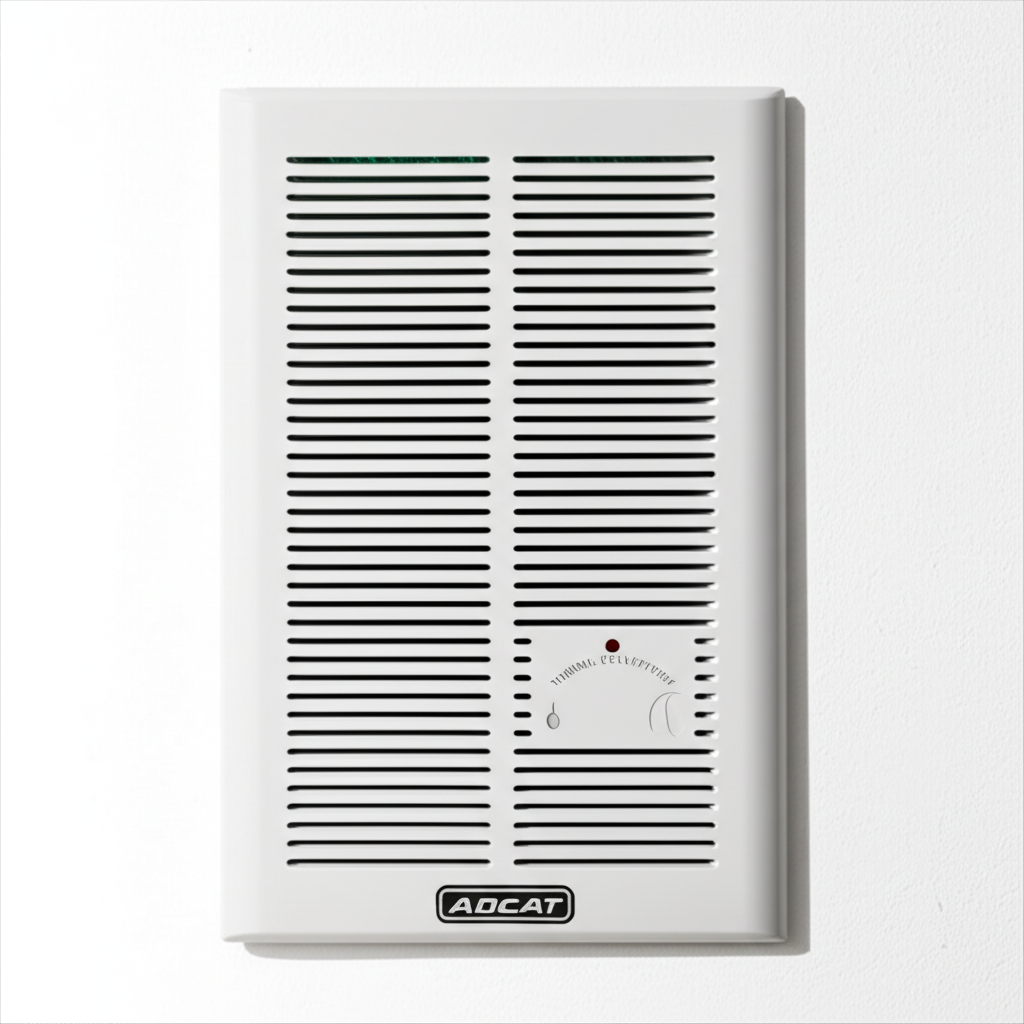
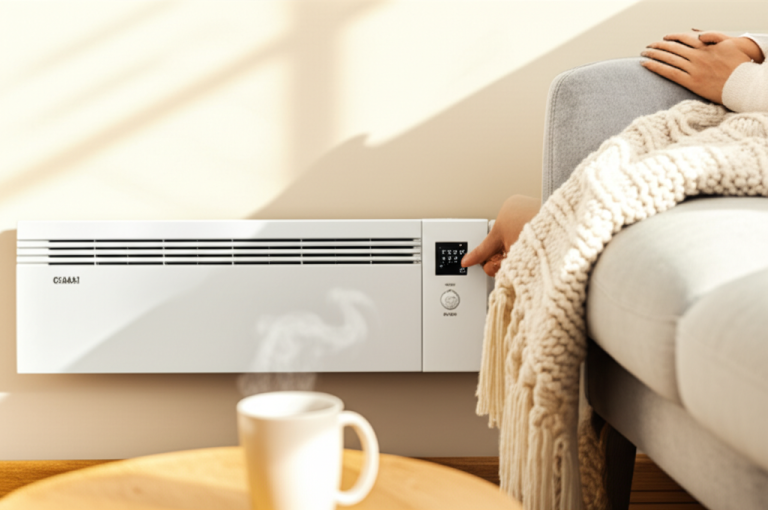
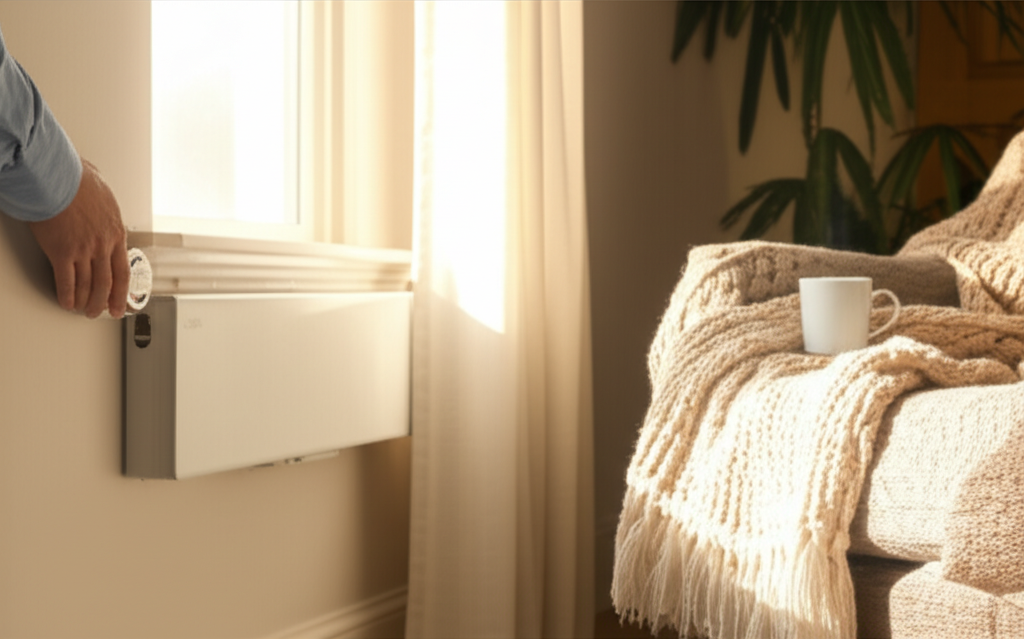
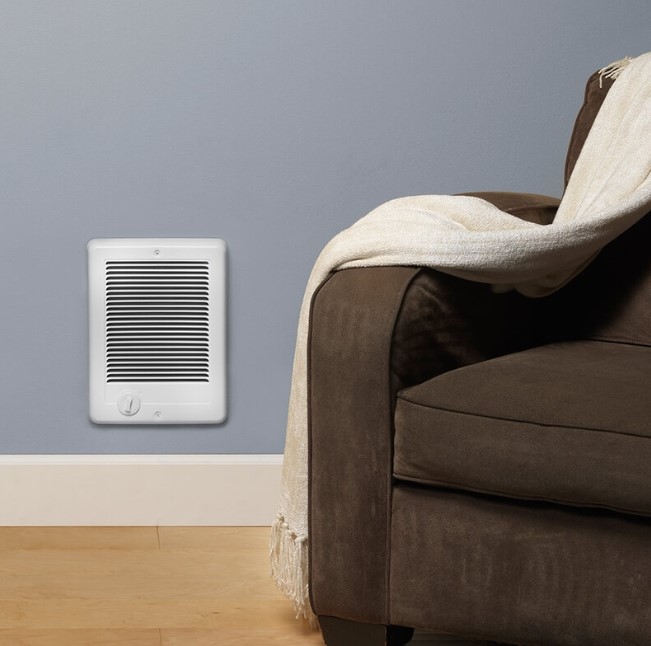
Cadet wall heaters are a popular choice for homeowners and renters looking for efficient and straightforward heating solutions. They are electric heaters that are typically installed directly into a wall, often in a way that blends seamlessly with your decor. Their primary job is to provide targeted warmth to a specific room or area, making them perfect for supplemental heating or for spaces where central heating might not reach effectively, like basements, garages, or even bathrooms.
When we talk about Cadet wall heaters, we’re generally referring to a few main types:
- Convection Heaters: These work by drawing in cool air from the floor, heating it up, and then releasing the warm air back into the room. They provide even, consistent heat.
- Fan-Forced Heaters: Similar to convection heaters, these also heat air but use a fan to distribute the warm air more quickly and directly into the space.
- Radiant Heaters: These heat objects directly in front of them using infrared radiation, providing a more immediate and focused warmth, much like the sun.
The beauty of Cadet wall heaters lies in their simplicity and effectiveness. They don’t require ductwork like central heating systems, which can make installation much easier and more cost-effective. Plus, they offer individual room control, so you can heat only the areas you’re using, which can be great for saving energy.
Are Cadet Wall Heaters Safe? Proven Protection Features
This is the big question, and the good news is, Cadet heaters are built with safety as a top priority. Manufacturers understand that reliable heating means safe heating. They incorporate several layers of protection to prevent common issues and ensure peace of mind. Let’s break down the key safety features you’ll find:
1. Overheat Protection Thermostat
This is perhaps the most crucial safety feature. Every Cadet wall heater is equipped with an internal thermostat that constantly monitors the heater’s temperature. If the heater’s internal components get too hot – perhaps due to airflow being blocked – this thermostat will automatically shut off the heating element. This prevents the unit from overheating and becoming a fire hazard. It’s like a built-in guardian angel for your heater!
2. High-Limit Safety Switch
Similar to the overheat protection thermostat, the high-limit switch is another failsafe designed to cut power to the heating element if an unsafe temperature is detected. This switch is typically designed to remain open until the unit cools down completely, providing an extra layer of security against persistent overheating issues. This ensures that even if the primary thermostat were to malfunction, there’s still a backup protection mechanism in place.
3. Durable Construction and Materials
Cadet heaters are generally built with sturdy materials designed to withstand the demands of regular use. The casing is typically made from robust steel, which is durable and helps to dissipate heat away from sensitive electronic components. The heating elements themselves are designed for longevity and efficient operation, reducing the risk of premature failure that could lead to safety issues.
4. Tip-Over Protection (for Portable Models)
While many Cadet wall heaters are permanently installed, they also offer portable options. For any portable heater, tip-over protection is vital. These heaters are designed to automatically shut off if they are knocked over. This is a critical safety feature that prevents fires from igniting if the heater falls onto flammable materials like rugs or curtains.
5. Cool-Touch Grills and Housings
Many Cadet wall heater models feature designs that keep the exterior surfaces cooler to the touch. This is achieved through careful engineering, including airflow design and the materials used for the outer casing. While any heating element will produce heat, these design elements help to minimize the risk of accidental burns when the heater is operating normally.
6. Safety Certifications
Reputable manufacturers like Cadet ensure their products meet stringent safety standards. Their heaters are typically certified by recognized testing laboratories such as UL (Underwriters Laboratories) or ETL (Intertek). These certifications mean the products have undergone rigorous testing to ensure they meet established safety and performance requirements. You can usually find these certification marks on the product label or packaging.
Installation Matters: Ensuring Safe Operation
Even the safest heater needs to be installed correctly to function as intended. Improper installation is a common cause of heating-related issues, and for Cadet wall heaters, this is no different. Following manufacturer guidelines and local building codes is essential.
Key Installation Guidelines:
- Location, Location, Location: Always install the heater away from flammable materials such as curtains, bedding, or paper products. Ensure there’s adequate clearance around the heater as specified in the product manual. For built-in wall heaters, this means verifying that wall studs are not in the way where they shouldn’t be and that external wiring is properly secured.
- Proper Electrical Connections: Cadet wall heaters require dedicated electrical circuits. Ensure the wiring is the correct gauge for the heater’s wattage and voltage, and that all connections are secure and made by a qualified electrician if you are not experienced with electrical work. Incorrect wiring can lead to overheating or electrical fires. You can find guidance on proper wiring and circuit requirements from resources like the U.S. Department of Energy, which emphasizes correct electrical practices.
- Follow Manufacturer Instructions: Each Cadet heater model comes with a specific installation manual. These instructions are detailed and designed to ensure your heater is installed safely and efficiently. They will specify mounting heights, clearance requirements, and electrical hook-up procedures.
- Professional Installation: For most homeowners, hiring a qualified electrician or HVAC professional for installation is the safest bet. They have the expertise to ensure the heater is wired correctly, securely mounted, and compliant with all safety codes, providing you with ultimate reassurance.
Safe Usage Tips for Your Cadet Heater
Once your Cadet wall heater is installed, using it safely is just as important as the installation itself. Here are some practical tips to keep your heating experience safe and stress-free:
- Never Block Airflow: Do not place furniture, curtains, rugs, or any other items in front of or directly on top of the heater. This can cause the heater to overheat and potentially become a fire hazard. Always maintain the recommended clearances.
- Regular Cleaning: Dust and debris can accumulate on the heater’s fins and internal components over time, which can affect performance and even become a fire risk. Periodically (and with the heater turned off and unplugged), gently dust the exterior grille and ensure no debris is inside. Refer to your manual for specific cleaning recommendations, as some models may allow for more thorough cleaning by a professional.
- Supervise Children and Pets: While many Cadet heaters have cooler surfaces than older models, it’s still important to supervise children and pets around any heating appliance. Educate them about not touching the heater.
- Use as Intended: Cadet wall heaters are designed for heating indoor living spaces. Do not use them for drying clothes, heating garages where volatile chemicals are stored, or for any purpose other than what they were designed for.
- Check for Damage: Before each heating season or before turning your heater on, visually inspect the cord (if applicable), plug, and the unit itself for any signs of damage. If you notice frayed wires, cracks, or any other damage, do not use the heater and have it inspected or repaired by a qualified technician.
- Keep Away from Water: Electric heaters and water don’t mix. Ensure your heater is kept away from bathrooms unless it is specifically rated for bathroom use and installed according to those specific regulations. Never operate a heater with wet hands.
Comparing Cadet Heater Safety with Other Heating Options
To truly appreciate the safety of Cadet wall heaters, it’s helpful to briefly compare them with other common heating methods. This helps put their safety features into context.
| Heating Type | Key Safety Considerations | Cadet Wall Heater Safety Contribution |
|---|---|---|
| Central Furnaces (Gas/Oil) | Risk of carbon monoxide leaks, combustion byproducts, pilot light issues, ductwork fire hazards. | Electric-powered, eliminating carbon monoxide risk entirely. Relies on internal electrical safety features rather than combustion. |
| Portable Electric Space Heaters | Tip-over risks, surface burns, potential for being too close to flammable items, cord hazards. | Many Cadet wall models are permanently installed, reducing tip-over risk. Often feature smoother surfaces and robust casings. Specific portable models include tip-over protection. |
| Electric Baseboard Heaters | Can pose a hazard if furniture is placed too close, potential for dust buildup igniting, surface burns. | Similar electric safety, but Cadet models often have more strategically placed grilles and fans to direct heat, sometimes making them easier to manage clearances with. |
| Wood/Pellet Stoves | Fire hazards from embers, creosote buildup in chimneys, carbon monoxide, need for careful fuel management. | No open flame or combustion. Significantly reduced fire risk profile due to contained electrical operation. |
As you can see from the table, electric heaters like Cadets inherently avoid some of the most serious safety concerns associated with combustion-based heating systems, such as carbon monoxide poisoning. Their safety is primarily about preventing electrical faults and managing heat output, areas where Cadet has clearly invested in robust solutions.
Frequently Asked Questions About Cadet Wall Heater Safety
Q1: Can Cadet wall heaters cause fires?
A: Cadet wall heaters are designed with multiple safety features, including overheat protection, to prevent fires. However, like any heating appliance, they can pose a fire risk if they are misused, installed incorrectly, or not properly maintained. Always ensure proper clearance from flammable materials, keep them clean, and follow manufacturer instructions.
Q2: Are Cadet wall heaters safe for bathrooms?
A: Some Cadet wall heater models are specifically designed and rated for bathroom use, often featuring enhanced protection against moisture. However, it’s crucial to verify the specific model’s suitability for a bathroom and ensure it is installed according to electrical codes for wet environments. Never use a heater not rated for bathrooms near water sources.
Q3: What should I do if my Cadet wall heater smells like it’s burning?
A: If your Cadet wall heater emits a burning smell, immediately turn it off and unplug it (if it’s a portable model) or shut off the breaker for the unit. This smell is often due to dust or debris accumulating on the heating element and burning off. Allow the unit to cool completely, then carefully clean the accessible parts according to the manufacturer’s instructions. If the smell persists after cleaning, or if it smells like burning plastic or electrical wiring, do not use the heater again and have it inspected by a qualified electrician.
Q4: How often should I clean my Cadet wall heater?
A: It’s generally recommended to clean the exterior and accessible parts of your Cadet wall heater at least once a year, typically before the heating season begins. If you live in a dusty environment or have pets that shed, you may need to clean it more frequently. Always ensure the unit is cool and turned off before cleaning.
Q5: Are Cadet wall heaters energy efficient?
A: Electric resistance heaters, including Cadet wall heaters, are about 100% efficient at converting electricity into heat. However, electricity can be more expensive than other energy sources depending on your location. Their efficiency in terms of cost can be maximized by using them for zone heating (heating only occupied rooms) and by pairing them with a good thermostat for precise temperature control, preventing unnecessary energy use.
Q6: Is it safe to leave a Cadet wall heater on overnight?
A: Yes, it is generally safe to leave a Cadet wall heater on overnight, provided it is functioning correctly, has not been damaged, and is used in accordance with the manufacturer’s safety guidelines. The built-in safety features like overheat protection are designed to handle continuous operation. However, always ensure adequate clearance and proper ventilation, and check that bedding or curtains cannot accidentally fall onto the unit.
Maintaining Your Cadet Heater for Lasting Safety
Just like any appliance, regular maintenance is key to ensuring your Cadet wall heater continues to operate safely and effectively for years to come. Think of it as giving your heater a little check-up to keep it in top shape.
Simple Maintenance Steps:
- Annual Inspection: Before the start of each heating season, take a moment to visually inspect the heater and its surrounding area. Check for any obvious signs of damage, loose wires, or obstructions.
- Dusting and Cleaning: As mentioned, dust buildup is a common issue. Use a vacuum cleaner with a brush attachment or a soft cloth to gently clean the exterior grille and any accessible internal parts. Always ensure the heater is turned off and cool before cleaning. This prevents dust from being drawn into the motor and heating elements and burning off, which can cause odors and potentially be a hazard.
- Thermostat Check: Periodically test your thermostat. Ensure it accurately reflects the room temperature and that the heater cycles on and off at the set points. If you have a programmable thermostat, make sure the settings are still correct.
- Professional Servicing: While most maintenance can be done by the homeowner, it’s wise to have a qualified technician inspect your heater every few years, especially if it’s an older unit or if you’ve noticed any performance issues. They can identify potential problems that might not be obvious and ensure all safety mechanisms are functioning correctly. For instance, a professional can verify the integrity of the high-limit switch and ensure wiring connections are still tight and free from corrosion. For a good overview of home heating system maintenance, the U.S. Department of Energy’s guide offers valuable insights.
By following these simple maintenance tips, you not only help your Cadet heater perform better but also safeguard your home and family from potential dangers. A well-maintained heater is a safe heater.
Conclusion: Your Warm Home, Safely Secured
We’ve explored how Cadet wall heaters are crafted with your safety in mind, incorporating features like overheat protection thermostats, high-limit switches, and durable construction. For homeowners seeking an efficient and reliable way to supplement their heating, Cadet wall heaters offer a proven solution. Remember, safety is a partnership between the appliance’s design and how you use and maintain it.
By understanding these safety features, adhering to proper installation practices, and following simple usage and maintenance tips, you can confidently enjoy the warmth and comfort that your Cadet wall heater provides. You’ve got this! A cozy, secure home is well within reach.