How Efficient Are Diesel Heaters for Fuel Savings?
Diesel heaters truly shine when it comes to efficiency, offering significant fuel savings, especially for long-duration heating needs. Their precise temperature control and low fuel consumption make them a cost-effective choice for various applications, from RVs and workshops to cabins and boats.
If running cost or sizing is part of the decision, Are Amish Heaters Efficient explains the numbers from a related angle.
If running cost or sizing is part of the decision, Above Ground Pool Heaters for Efficient and Affordable Warmth explains the numbers from a related angle.
Keeping your home warm doesn’t have to be a puzzle, and it certainly shouldn’t drain your wallet! Many of us worry about heating costs, especially when the colder months roll in. That’s why choosing the right heater is so important. You want something that provides cozy warmth without making your energy bills skyrocket. If you’ve been wondering whether those diesel heaters are a good option for saving money, you’re in the right place. We’ll break down exactly how efficient they are and what that means for your budget. Get ready to understand how diesel heaters can be a smart, budget-friendly way to stay toasty.
Understanding Diesel Heaters: A Beginner’s Guide
So, what exactly is a diesel heater, and how does it work its magic? Think of it as a compact furnace that runs on diesel fuel. Unlike your car’s engine, this heater burns diesel to create heat, which is then distributed into the space you want to warm up. They’re often used in places where access to electricity is limited, or where heating needs are intense and long-lasting.
These heaters are fantastic for:
- Recreational Vehicles (RVs) and campers
- Workshops and garages
- Boats and off-grid cabins
- Emergency backup heating
They draw a small amount of power from a battery (usually 12V or 24V) to power their fan and fuel pump, but their primary heat source is the diesel itself. What makes them appealing is how they convert this fuel into usable heat for your space.

How Do Diesel Heaters Achieve Efficiency?
The efficiency of a diesel heater comes down to a few key design elements and how they operate. They’re designed to get the most warmth out of every drop of fuel, which translates directly into savings for you.
Here’s a breakdown of the elements that make them efficient:
- Combustion Process: Diesel heaters are engineered for complete combustion. This means that as much of the diesel fuel as possible is burned to produce heat, leaving minimal unburned fuel or waste.
- Heat Exchanger: The heat created by burning diesel is passed through a heat exchanger. This is a clever piece of engineering that transfers the heat from the combustion gases to the air that is then circulated into your living space. The exhaust gases themselves don’t enter your room, making them safe to use indoors (with proper ventilation, of course!).
- Thermostat Control: Most modern diesel heaters come with a thermostat. This is a game-changer for efficiency! Instead of running at full blast all the time, the heater can cycle on and off (or modulate its heat output) to maintain a set temperature. This prevents overheating your space and wasting fuel.
- Fuel Pump Modulation: Higher-end models can adjust the rate at which fuel is supplied. This means they can dial back the heat output when less is needed, further conserving fuel compared to systems that can only be fully on or fully off.
- Insulated Components: The design often includes insulation to minimize heat loss from the combustion chamber and exhaust, ensuring that the maximum amount of heat is directed where you need it.
- Direct Heat Delivery: For spot heating or smaller, well-insulated spaces, diesel heaters deliver warmth directly, which can make them feel effective and powerful quickly, often requiring less overall runtime to achieve comfort.
Are Diesel Heaters Efficient? The Numbers Don’t Lie
Let’s talk about the real-world impact of this design. How efficient are diesel heaters compared to other common heating methods? The answer is generally quite good, especially under specific circumstances.
One of the main ways diesel heaters boast efficiency is their low power consumption from a battery. While they use fuel for heat, their electrical draw for the fan and pump is minimal. This makes them ideal for off-grid situations.
Here’s a look at how they stack up:
| Heating Method | Average Fuel Consumption (for similar heat output) | Typical Efficiency | Considerations |
|---|---|---|---|
| Diesel Heater | Low volume of diesel (e.g., 0.1 – 0.5 liters per hour) | Up to 90% energy conversion (heat delivered to air) | Excellent for long run times; minimal electrical draw. |
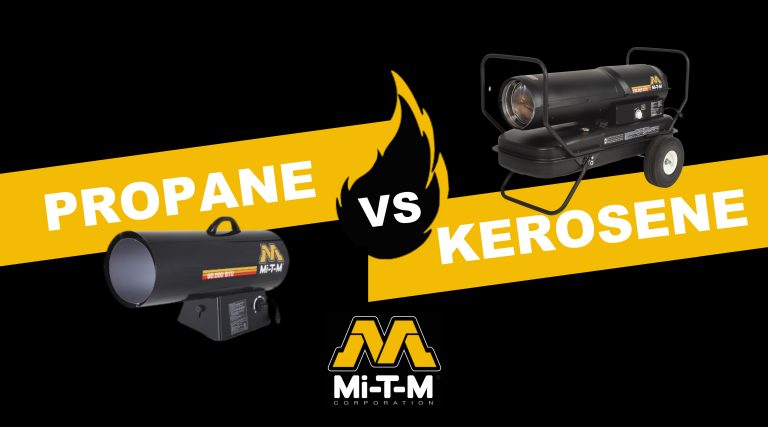
| Propane Heater (Portable) | Higher volume of propane (e.g., 0.3 – 0.7 kg per hour) | Variable, combustion less complete than modern diesel | Can be less efficient overall due to fuel type and burner design. |
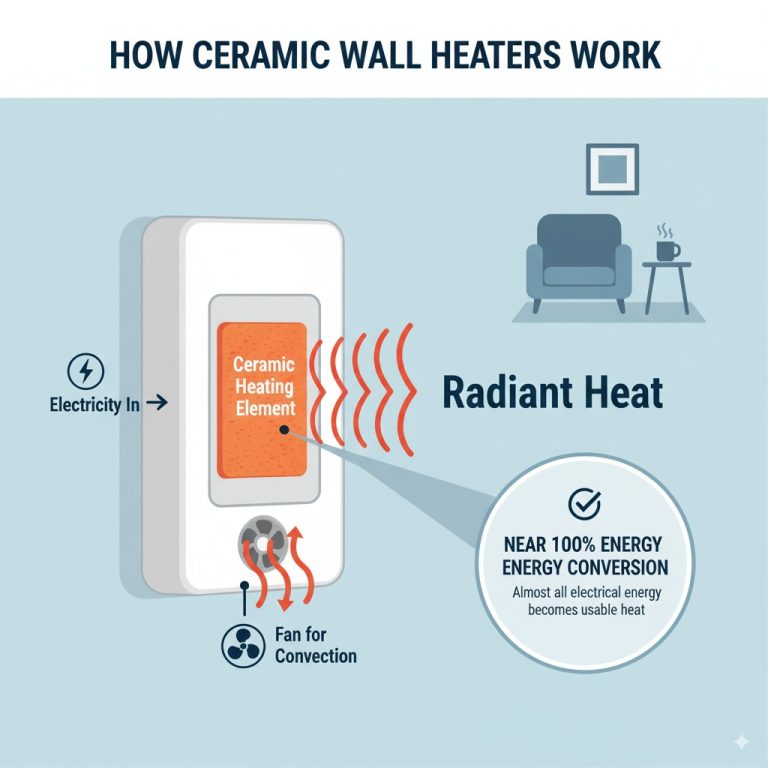
| Electric Space Heater | High electrical draw (e.g., 1.5 kW – 2 kW per hour) | Nearly 100% electrical to heat conversion (but electricity cost can be high) | High recurring electricity cost; requires grid power. |
(Note: Fuel consumption figures are approximate and vary widely by heater size, model, and heat setting.)
Fuel Savings Explained
The “fuel savings” aspect of diesel heaters comes from several points:
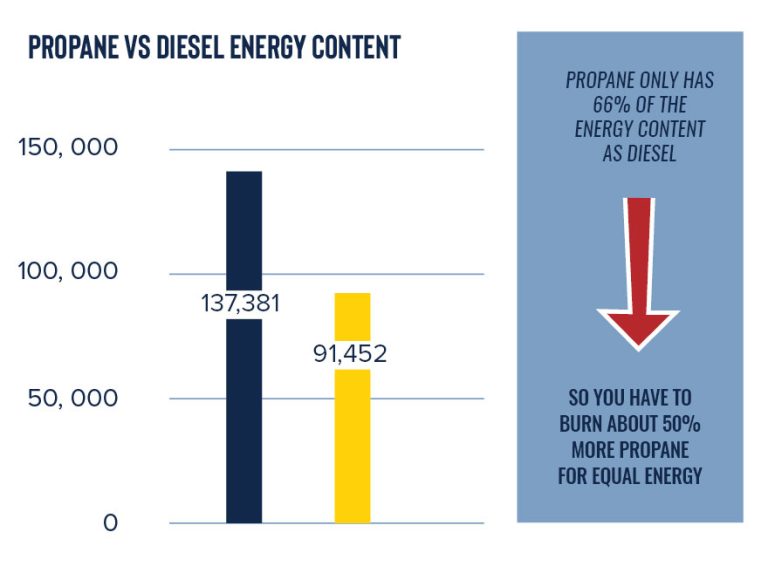
- Lower Fuel Cost Per BTU: Diesel fuel, especially when purchased in bulk or if you’re already using it for other purposes, can sometimes be cheaper per unit of energy (BTU) than alternatives like propane, depending on your location and market prices.
- Precise Control Means Less Waste: The thermostat is the hero here. Imagine a room getting too hot with a basic heater; you might turn it off, letting the space cool down before turning it back on. A diesel heater with a thermostat intelligently adjusts, maintaining comfort without constant on/off cycles that waste fuel and effort. This consistent, controlled heat means you’re not paying to overheat and then cool down.
- Long Runtime Efficiency: For applications where you need heat for extended periods (overnight in an RV, a full day in a workshop), the continuous, low-burn efficiency of a diesel heater makes a significant difference. Running a high-drawer electric heater for 8 hours can easily surpass the cost of diesel for the same period.
- Effective Heat Distribution: Many diesel heaters use a fan to push the heated air out, distributing it more effectively throughout the space compared to just radiant heat. This means you feel warm faster and can maintain a comfortable temperature with less active heating time.
External Reference: Understanding BTU and Heater Output
Before we dive deeper, it’s helpful to understand what BTU (British Thermal Unit) means. A BTU is a unit of energy. When we talk about heating, it refers to the amount of heat a heater can produce. A higher BTU output means a heater can warm a larger space or heat a space more quickly. Websites like Energy.gov offer great insights into understanding home heating, though they may not specifically discuss diesel heaters, the principles of BTU and efficiency remain universal.
Types of Diesel Heaters and Their Efficiency
While the core principle is the same, different types of diesel heaters exist, and their specific designs can influence efficiency. The most common type for personal use, especially in vehicles or small structures, is the forced-air parking heater. These are the ones you’ll typically find for RVs, boats, and workshops.
Forced-Air Parking Heaters (Air Heaters)
These are the workhorses of efficient diesel heating. They work by:
- Drawing fuel from a tank.
- Pumping it into a combustion chamber.
- Igniting it with a glow plug.
- A fan blows air over a heat exchanger, warming it.
- This warm air is then ducted into the space.
- Exhaust gases are vented outside safely.
The efficiency comes from how well they manage the combustion and heat transfer. They are designed to operate continuously for long periods, making their fuel consumption per hour relatively low, especially compared to the heat they provide.
Water Heaters (Instead of Space Heaters)
Some systems use diesel to heat a coolant, which then circulates through radiators or heating elements. While not directly heating air, they achieve space heating. These can also be very efficient as they often use the same combustion principles. They are sometimes more complex but can offer benefits like hot water production as a byproduct.
Installation and Usage for Maximum Efficiency
Getting the most out of your diesel heater isn’t just about the unit itself; it’s also about how you install and use it. Even the most efficient heater can be wasteful if set up or operated incorrectly.
Smart Installation Tips
- Proper Venting: Always ensure exhaust gases are vented directly outside. This is crucial for safety (carbon monoxide is deadly) and helps draw fresh air efficiently. A well-designed exhaust system also prevents backpressure that can hinder performance.
- Air Intake: Similarly, the air intake for combustion should be unobstructed and ideally draw from outside. This ensures the cleanest and most efficient burn.
- Ducting: If you’re using ducting to distribute warm air, make sure it’s well-sealed and insulated. Leaky ducts mean heated air escapes before it reaches its destination, wasting fuel. For larger spaces, consider the placement of vents to ensure even heat distribution.
- Fuel Supply: Ensure your fuel line is clean and free of kinks or obstructions. Contaminated fuel or poor fuel flow can lead to incomplete combustion and reduced efficiency.
- Electrical Connections: A stable power supply to the heater’s fan and pump is essential. Inconsistent power can lead to performance issues. Reputable installation guides often emphasize secure and correctly sized wiring. You can find examples of professional installation advice on resources like those from the Recreational Vehicle Industry Association (RVIA), which often detail best practices for onboard systems.
Efficient Usage Habits
- Thermostat Magic: Use the thermostat religiously! Set it to your desired temperature and let the heater manage itself. Avoid constantly overriding it or setting it extremely high.
- Pre-heating: If you need a space warm by a certain time, pre-heat it slightly in advance. This can allow the heater to run at a lower, more efficient setting for longer, rather than blasting at high power to catch up.
- Minimize Heat Loss: No heater is efficient if the heat simply escapes. Insulate your space well! That means sealing drafts around windows and doors, using insulated curtains, or any other measures to keep the warm air in.
- Size Matters: Ensure your heater is appropriately sized for the space you need to heat. An oversized heater will cycle on and off frequently, which can be less efficient than a correctly sized unit running steadily. Conversely, an undersized unit will struggle and run constantly without achieving good comfort.
- Regular Maintenance: Like any mechanical device, diesel heaters need basic maintenance. Cleaning filters, checking for carbon buildup, and ensuring all parts are functioning correctly will keep it running at its peak efficiency.
Factors Affecting Diesel Heater Efficiency
While diesel heaters are inherently efficient, a few factors can tip the scales. Understanding these can help you optimize your heater’s performance and savings.
Here are some key influencers:
- Altitude: At higher altitudes, the air is thinner, which can affect combustion. Some heaters automatically compensate, but extreme altitudes might reduce efficiency or require specific models.
- Outside Temperature: The colder it is outside, the harder any heater has to work. While a diesel heater will still be efficient relative to its fuel consumption, you’ll naturally use more fuel to maintain a comfortable indoor temperature in sub-zero conditions than in mild cold.
- Heater Quality and Age: Not all diesel heaters are created equal. Higher-quality units, often with better components and more advanced control systems, tend to maintain their efficiency over time. Older or poorly maintained units may become less efficient.
- Fuel Quality: Using clean, good-quality diesel fuel is important. Contaminants can clog the fuel system and affect the combustion process, leading to reduced efficiency and potentially damaging the heater.
- Heat Load Calculation: This is the most crucial factor for any heating system. How much heat does the space actually need? Factors like insulation levels, window sizes, and how many people or appliances are generating heat within the space all contribute. If you’re heating a large, uninsulated garage compared to a small, well-insulated camper, the “efficiency” in terms of heat delivered versus fuel burned will look very different.
Comparing Diesel Heaters to Other Heating Options
We touched on this briefly, but it’s worth expanding on how diesel heating stacks up against other popular choices for supplemental or off-grid heating.
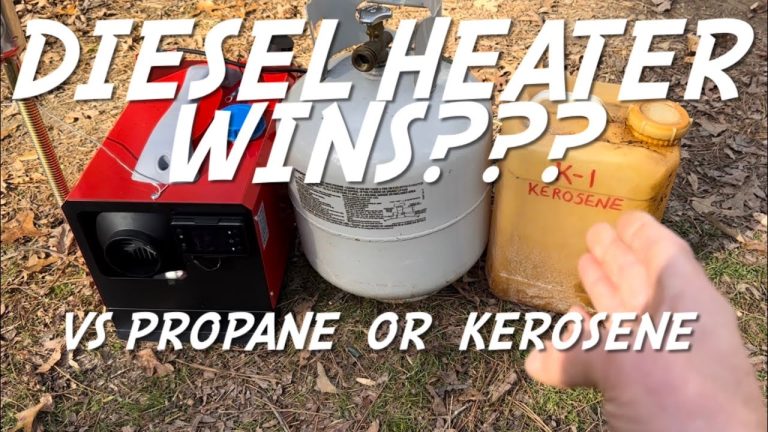
Diesel vs. Propane Heaters
Propane heaters are very common, especially portable ones and those used in RVs. While propane burns cleanly, many portable propane heaters are radiant and less efficient at heating an entire space compared to forced-air diesel heaters. Forced-air propane furnaces exist, but the fuel storage and consumption rates can still be higher.
Diesel heaters often have a lower operational cost due to the price of diesel and better fuel-to-heat conversion efficiency, especially in larger or longer heating tasks. However, propane may provide quicker heat-up in some smaller, portable units.
Diesel vs. Electric Heaters
This is where the distinction is clearest. Electric heaters are nearly 100% efficient in converting electricity into heat. However, the cost of electricity is often much higher per BTU than diesel. For example, a 1500-watt (1.5 kW) electric heater uses 1.5 kWh of electricity. If electricity costs $0.15 per kWh, that’s $0.225 per hour. A diesel heater might use 0.2 liters of diesel per hour. If diesel costs $1.50 per liter, that’s $0.30 per hour. While close in this example, remember the electric heater requires grid power, and the diesel heater is independent. The real savings come into play when comparing the cost of running for extended periods and the convenience of off-grid operation.
Furthermore, electric heaters often only offer radiant heat or a simple fanblower, whereas diesel heaters typically utilize a more robust forced-air system suitable for larger areas. The U.S. Energy Information Administration (EIA) provides valuable data on energy costs, highlighting how electricity bills can significantly influence heating expenses.
Diesel vs. Wood Stoves
Wood stoves are an excellent source of heat, especially where wood is readily available. They have a rustic charm and provide a powerful heat output. However, they require significant manual effort (loading wood, cleaning ash), can be difficult to regulate temperature precisely, and are not suitable for mobile applications like RVs. Their efficiency can vary greatly depending on the stove design and how it’s operated. For convenience, consistent temperatures, and ease of use in modern settings, diesel heaters often win.
Troubleshooting Common Efficiency Issues
If you feel your diesel heater isn’t performing as efficiently as it should, don’t worry! Most issues are easily resolved.
- Weak Heat Output: This could be a sign of insufficient fuel flow (clogged filter, kinked line), restricted air intake, or a dirty combustion chamber. Ensure all intake and exhaust vents are clear.
- Excessive Smoke: Too much smoke usually indicates incomplete combustion. This can be due to issues with fuel metering, air supply, or a dirty combustion fan. Running the heater on high for a period can sometimes help clear minor carbon buildup.
- Frequent Cycling/Not Reaching Temp: If the heater cycles on and off too frequently or can’t maintain the set temperature, check the thermostat. Ensure it’s placed appropriately (not in direct sunlight or next to a heat vent) and functioning correctly. Also, reconsider if the heater is sized correctly for the space and its insulation.
- High Fuel Consumption: If you’re burning through fuel faster than expected, revisit the installation and usage tips. Ensure there are no air leaks in the ducting, drafts in the space, and that the thermostat is set optimally. Older units may naturally become less efficient.
For any persistent issues, consulting the heater’s manual or a qualified technician is always the best step.

Frequently Asked Questions (FAQs) about Diesel Heater Efficiency
Do diesel heaters use a lot of electricity?
Compared to other off-grid heating solutions, diesel heaters use very little electricity. Their power draw is primarily for the fan and fuel pump, typically operating on 12V or 24V systems. A typical unit might draw between 10-30 watts while running, which is significantly less than a continuous-duty electric heater (which can use over 1500 watts).
Are diesel heaters safe to use indoors?
Yes, diesel heaters are designed to be safe for indoor use when installed and operated correctly. They feature a sealed combustion system where fuel is burned in a chamber, and the exhaust gases are expelled outside through a dedicated vent. This means the combustion byproducts do not enter the heated space. Always ensure proper ventilation and exhaust setup as per the manufacturer’s instructions.