Are Duraflame Electric Heaters Energy Efficient: Proven Savings
To answer your question directly: Yes, Duraflame electric heaters are generally considered energy efficient, especially when used as supplemental heat sources. They offer controlled heating, preventing wasted energy, and their operational costs can be surprisingly low compared to older heating methods.
Feeling that chill creep into your home? You’re not alone! Figuring out the best way to stay warm without breaking the bank can be a real puzzle. Many of us look for cozy solutions that are easy to use and don’t run up huge energy bills. If you’ve been curious about Duraflame electric heaters and whether they can truly be an energy-saving option, you’ve come to the right place. I’m Tanim, and I’m here to guide you through it. We’ll break down how these heaters work, explore their real-world energy efficiency, and show you how they can help you save money while keeping your favorite spaces toasty warm. Let’s get started on finding your perfect cozy solution!
Understanding Duraflame Electric Heaters: How They Work
Duraflame electric heaters are popular for their convenience and ease of use. Unlike central heating systems that warm your entire house, these are usually designed to heat a single room or a specific area. This targeted approach is a big part of what makes them energy efficient.
At their core, Duraflame electric heaters typically use a heating element, often a ceramic or quartz coil, that gets hot when electricity passes through it. A fan then blows air over this hot element, distributing the warmed air into the room. Some models also incorporate a realistic-looking flame effect, which is purely decorative and doesn’t add to the heating cost.
The key to their energy efficiency lies in how they are used. Because they can quickly warm a smaller space, you can turn down your main thermostat, saving energy on the heating of unused rooms or the entire house. They’re perfect for adding a little extra warmth to a home office, a drafty living room, or a bedroom without wasting energy heating up the whole house unnecessarily.
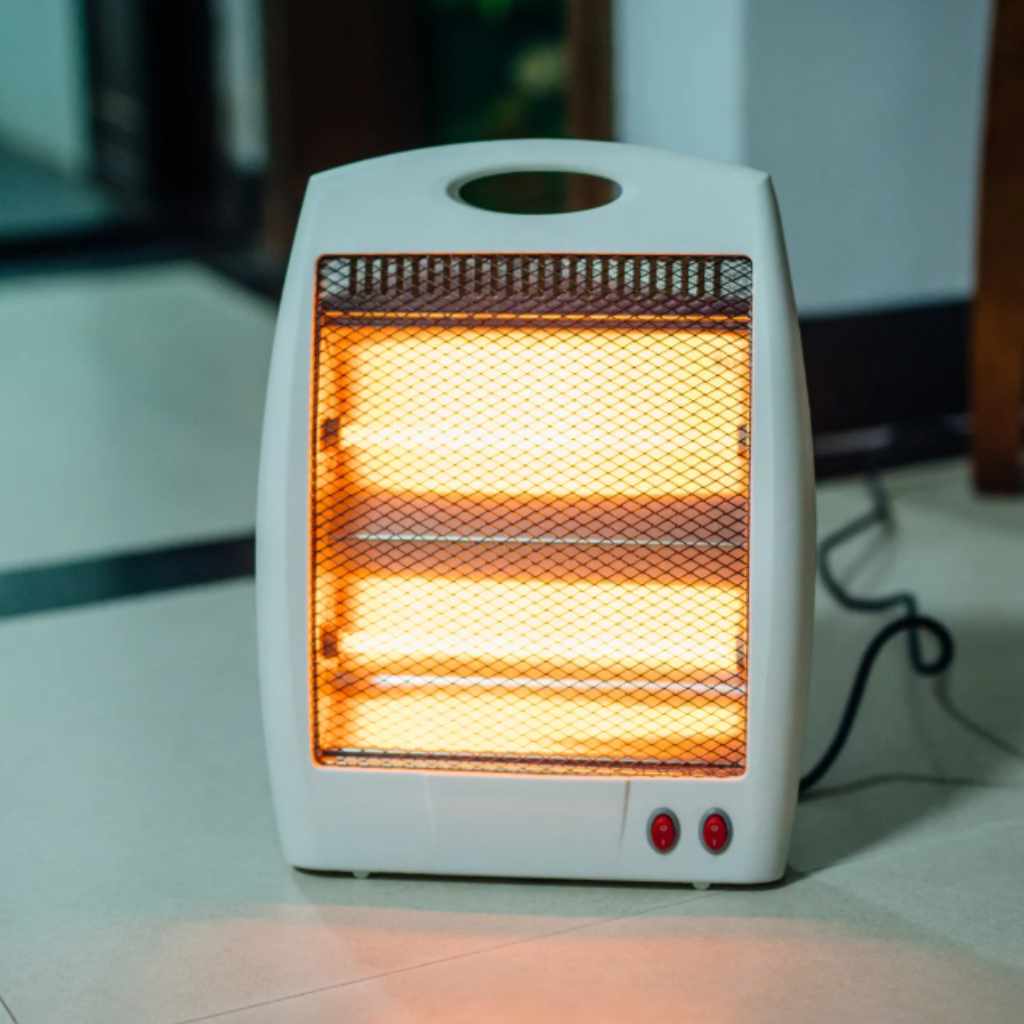
Are Duraflame Electric Heaters Energy Efficient? The Science Behind the Warmth
When we talk about energy efficiency, we’re essentially asking how much heat output you get for the amount of energy consumed. For electric heaters, this is a bit different from, say, gas furnaces.
Electric resistance heating, which is what most Duraflame electric heaters use, is nearly 100% efficient in converting electricity into heat. This means almost all the electricity they use turns into warmth for your room. This sounds fantastic, right? However, it’s crucial to compare this to the cost of electricity versus other energy sources like natural gas. While the conversion is efficient, electricity can sometimes be more expensive per unit of heat than other fuels.
The real energy efficiency of Duraflame electric heaters comes into play when they are used strategically:
- Zone Heating: Instead of heating your entire home, you can use a Duraflame heater to warm only the room you are in. This significantly reduces the total energy needed to keep comfortable.
- Supplemental Heat: They are excellent for boosting the warmth in areas that don’t get enough heat from your central system or for those extra chilly days when you want a little extra comfort without cranking up the main thermostat.
- Thermostat Control: Many Duraflame models come with adjustable thermostats. This allows you to set a specific temperature and the heater will cycle on and off to maintain it, preventing overheating and wasted energy.
For example, if your main thermostat is set to 68°F (20°C), but your living room feels cooler, you can use a Duraflame heater to bring that room up to 72°F (22°C). You might then be able to set your main thermostat down to 65°F (18°C), leading to overall energy savings for your home.
Calculating the Cost: What to Expect with Duraflame Electric Heaters
The cost of running any heater depends on a few factors: the heater’s wattage, how many hours you use, and the price of electricity in your area. Duraflame electric heaters typically range from 1000 to 1500 watts, which is a common range for portable electric heaters.
Here’s a simple way to estimate the cost:
- Find your electricity rate: Look at your utility bill. You’ll find a price per kilowatt-hour (kWh). For example, it might be $0.15 per kWh.
- Convert wattage to kilowatts: Divide the heater’s wattage by 1000. A 1500-watt heater is 1.5 kW.
- Calculate hourly cost: Multiply kilowatts by your electricity rate. For a 1500W heater at $0.15/kWh, the cost is 1.5 kW $0.15/kWh = $0.225 per hour.
So, running a 1500-watt Duraflame heater for 8 hours a day would cost approximately $1.80 ($0.225 x 8). If this replaces heating a much larger area or allows you to significantly lower your central heating system’s usage, the savings can be substantial.
Comparing Energy Use: Duraflame vs. Other Heating Methods
It’s helpful to see how Duraflame electric heaters stack up against other common heating methods. Remember, this comparison is often about how* they are used.
| Heating Method | Typical Efficiency | Pros for Energy Savings | Cons for Energy Savings |
|---|---|---|---|
| Duraflame Electric Heater (Supplemental Zone) | ~100% efficient (electricity to heat) | Targeted warmth, prevents heating unused spaces, precise thermostat control. | Electricity can be a more expensive energy source per BTU than natural gas. |
| Central Gas Furnace | 80-98% efficient (AFUE rating) | Can be cost-effective to heat large areas if electricity is expensive. | Heats entire house, often leading to “phantom loads” where unused rooms are heated; less precise control for individual rooms. |
| Central Electric Furnace/Heat Pump | 100-300%+ efficient (for heat pumps, depending on outdoor temp) | Potentially very efficient if heat pump is used in mild weather. | Electric resistance backup heat (similar to portable heaters) can be expensive to run; efficiency drops significantly in very cold weather for heat pumps. |
| Wood Stove | 60-80% efficient | Fuel (wood) can be inexpensive or free if self-sourced. | Requires manual labor for loading and cleaning; air quality concerns; less precise temperature control. |
As you can see from the table, while central systems are designed to heat larger spaces, their efficiency often decreases when heating areas you aren’t actively using. A Duraflame electric heater, used for zone heating, directly combats this waste. Resources like Energy.gov’s section on furnace maintenance highlight how maintaining your central system is key, but supplemental zone heating offers a different efficiency strategy entirely.
Proven Savings: How Duraflame Heaters Can Lower Your Bills
The evidence for savings with Duraflame electric heaters is clear when they are utilized as part of a smart heating strategy. The primary way you’ll see proven savings is by reducing your reliance on your main heating system.
Imagine your central heating system is set to 70°F (21°C). If you have a home office that feels chilly, you might be tempted to crank up the thermostat for the whole house to 72°F (22°C). With a Duraflame heater, you can keep your central thermostat at 70°F (21°C) and use the electric heater to warm your office to your desired comfort level. This targeted approach means your central system runs less, consuming less energy overall.
Here are scenarios where savings are most likely:
- Cold Spots: If certain rooms in your house are naturally colder due to poor insulation, drafty windows, or being at the end of ductwork, an electric heater can efficiently warm just that space.
- Occasional Use Rooms: For rooms you only use occasionally, like a guest room or a basement den, heating them with a portable electric heater when needed is far more efficient than maintaining a constant temperature with your central system year-round.
- Shoulder Seasons: During spring and fall, your central heating might be off, but you might still get chilly in the evenings. A Duraflame heater can provide that quick warmth without having to turn on the main furnace.
- Specific Activities: If you work from home, you can heat your office during work hours and turn it off when you leave, rather than heating the entire house when you’re only occupying one area.
A study on consumer use of portable heaters by researchers at Lawrence Berkeley National Laboratory (though not specific to Duraflame) indicated that when employed as zone heaters, portable electric heaters can lead to reduced overall energy consumption compared to whole-house heating, especially when users adjust their main thermostat lower.
Features to Look for to Maximize Energy Efficiency
To get the most out of your Duraflame electric heater and ensure you’re maximizing energy savings, consider these features:
Adjustable Thermostat
This is arguably the most important feature for energy efficiency. A thermostat allows you to set a desired temperature. The heater will then automatically turn on and off to maintain that temperature. This prevents it from running continuously and wasting electricity once the room has reached an comfortable temperature. Without a thermostat, the heater would just keep running, potentially overheating the space and consuming far more energy than needed.
Multiple Heat Settings
Having different wattage or heat output settings (e.g., low, high, eco mode) gives you more control. You can use a lower setting for maintaining a comfortable temperature and a higher setting for quickly warming up a cold room. This flexibility means you use only the amount of energy necessary for the situation.
Timer Function
A built-in timer is a fantastic energy-saving tool. You can set the heater to turn on automatically before you come home or before you go to bed, and then turn off after a set period. This ensures you’re not forgetting to turn it off and wasting electricity.
Energy Saving Modes (Eco Mode)
Some modern electric heaters offer special “eco” or “energy-saving” modes. These often involve intelligent cycling of heat and fan speed to maintain temperature while minimizing power draw. Always check the manufacturer’s specifications for what these modes entail.
Fan-Only Option
While not for heating, some models have a fan-only setting. This can be useful for circulating air in the room, which can help distribute existing heat more evenly without using the heating element, thereby contributing to overall comfort efficiency.
Safety First: Using Your Duraflame Heater Responsibly
While focusing on energy efficiency, it’s paramount to prioritize safety. Duraflame heaters are designed with safety in mind, but responsible usage is key.
- Clearance: Always place heaters on a firm, level surface, at least three feet away from anything flammable like curtains, furniture, bedding, or paper.
- Supervision: Never leave a portable heater running unattended, especially if children or pets are in the house.
- Ventilation: Although they don’t produce carbon monoxide like fuel-burning heaters, it’s still good practice to ensure some ventilation in the room to prevent air from becoming too dry or stuffy.
- Cord Care: Ensure the power cord is not frayed or damaged. Do not run it under rugs or carpets, as this can create a fire hazard.
- Turn Off When Not in Use: Always unplug the heater when you are leaving the room for an extended period, going to sleep, or if it’s not needed.
- Avoid Moisture: Do not use electric heaters in bathrooms or other damp areas.
For more comprehensive safety guidelines on portable electric heaters, you can refer to resources from the U.S. Consumer Product Safety Commission (CPSC).
Installation and Operation: Keeping it Simple
One of the biggest advantages of Duraflame electric heaters is their incredibly simple setup. No complex installation means you can start enjoying supplemental warmth almost immediately.
Setting Up Your Heater
- Unpack: Carefully remove the heater from its packaging. Check for any included accessories or manuals.
- Placement: Choose a stable, level surface where the heater has adequate clearance from combustible materials (at least 3 feet).
- Plug In: Insert the power cord directly into a wall outlet. Avoid using extension cords if possible, as they can sometimes be a safety risk or not rated for the heater’s wattage. If an extension cord is absolutely necessary, ensure it is a heavy-duty one rated for the heater’s power draw.
Operating Your Heater
- Power On: Locate the power switch or button and turn the unit on.
- Set Temperature: Use the thermostat dial or digital controls to select your desired temperature.
- Select Heat Setting: Choose your preferred heat output (e.g., low, high).
- Enjoy Warmth: The heater will begin to warm the room. The fan will help circulate the warm air.
- Adjust as Needed: As the room heats up, the thermostat will cycle the heater on and off to maintain the set temperature. You can adjust the thermostat or heat setting as needed for your comfort.
- Turn Off: When you are finished using the heater, turn it off using the power switch and unplug it from the wall.
Frequently Asked Questions About Duraflame Electric Heaters and Energy Efficiency
Q1: How much electricity does a Duraflame electric heater use?
A typical Duraflame electric heater uses between 1000 and 1500 watts (or 1 to 1.5 kilowatts) of power when running on its highest setting. This means they consume roughly 1 to 1.5 kWh of electricity per hour of continuous use.
Q2: Are Duraflame electric heaters cheaper to run than central heating?
They can be cheaper to run for heating just one room or for short periods. If you lower your central heating thermostat and use a Duraflame heater for a specific area, you’ll likely save money compared to heating your entire house to a higher temperature. However, the cost of electricity per unit of heat is often higher than natural gas.
Q3: Can I use a Duraflame electric heater as my primary heat source?
While they can heat a small to medium-sized room effectively, they are generally not recommended as the sole primary heat source for an entire home, especially in very cold climates. They are best used as supplemental or zone heaters.
Q4: Does the flame effect on a Duraflame heater use electricity?
The visual flame effect on most Duraflame electric heaters is achieved with LED lights and does not consume significant electricity. It is a decorative feature and does not contribute to the heating output, so it doesn’t add to your energy bill.
Q5: What is the most energy-efficient way to use my Duraflame electric heater?
The most energy-efficient way is to use it for zone heating. Lower your main thermostat and use the Duraflame heater to warm only the room you are currently occupying. Utilize the adjustable thermostat and timer functions to prevent unnecessary heating.
Q6: How do I know if my Duraflame heater is energy efficient?
Look for features like adjustable thermostats, multiple heat settings, and timer functions. When used strategically as a zone heater, all Duraflame electric heaters can be energy efficient by allowing you to avoid heating unused parts of your home with your primary system.
Conclusion: Smart Heating for a Cozy, Cost-Effective Home
So, are Duraflame electric heaters energy efficient? The answer is a resounding yes, when used wisely! Their near 100% conversion of electricity to heat, combined with the power of zone heating and smart features like thermostats and timers, makes them an excellent tool for managing your home’s comfort and your energy bills.
By understanding how they work and implementing them strategically – for example, warming just the room you’re in while lowering your main thermostat – you can achieve significant savings. They are perfect for banishing cold spots, providing quick warmth when you need it, and ensuring your living spaces are comfortable without unnecessary energy expenditure.