Heat Pump Pool Heaters VS Gas: Ultimate Efficiency Showdown
Choosing the right pool heater can make a big difference in your swimming experience and your energy bills. Imagine enjoying a perfectly heated pool, no matter the weather, while also being kind to your wallet and the environment.
For a related heater topic, Swimming Pool Heaters: Gas vs Heat Pump – Essential Choice gives readers a useful next step.
For a related heater topic, Ac Heater Window Unit gives readers a useful next step.
Sounds great, right? But when it comes to deciding between a heat pump pool heater and a gas heater, things can get a bit tricky. Each option has its own set of benefits and drawbacks, and what works best for your pool might not be the best choice for someone else.
This is where we step in to help you make an informed decision. By the end of this article, you’ll have a clear understanding of which heating system suits your needs best. So, let’s dive in and discover which heater will keep your pool inviting all year round.
Comparison Of Heat Pump And Gas Pool Heaters
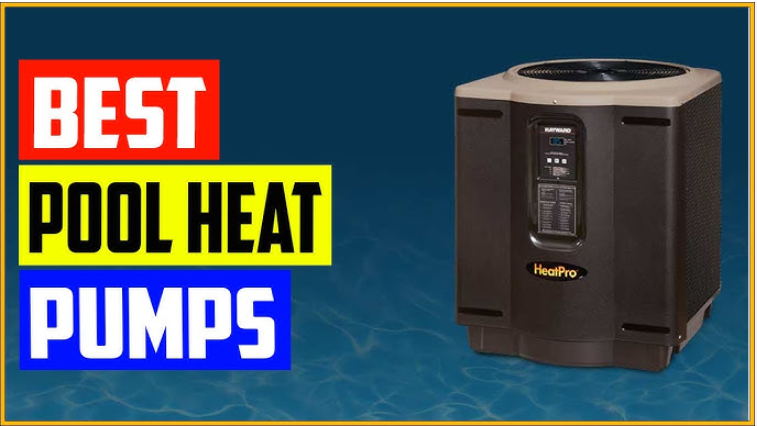
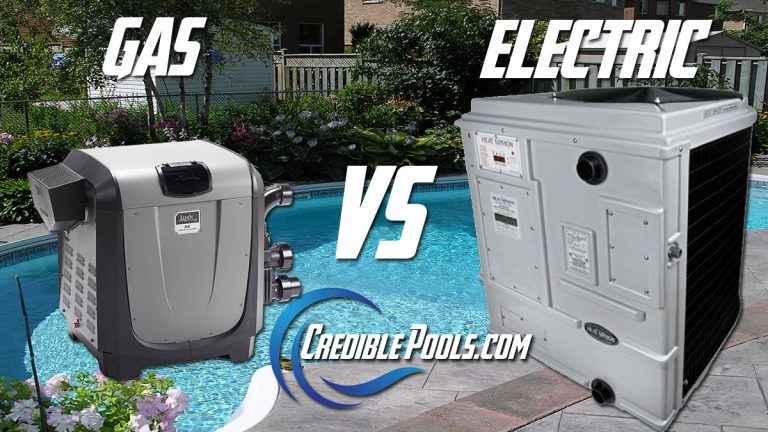
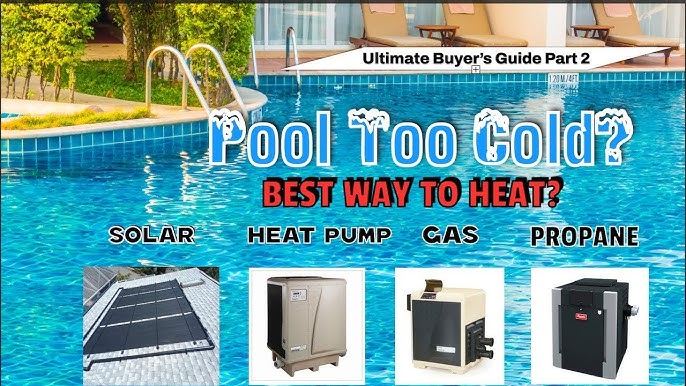
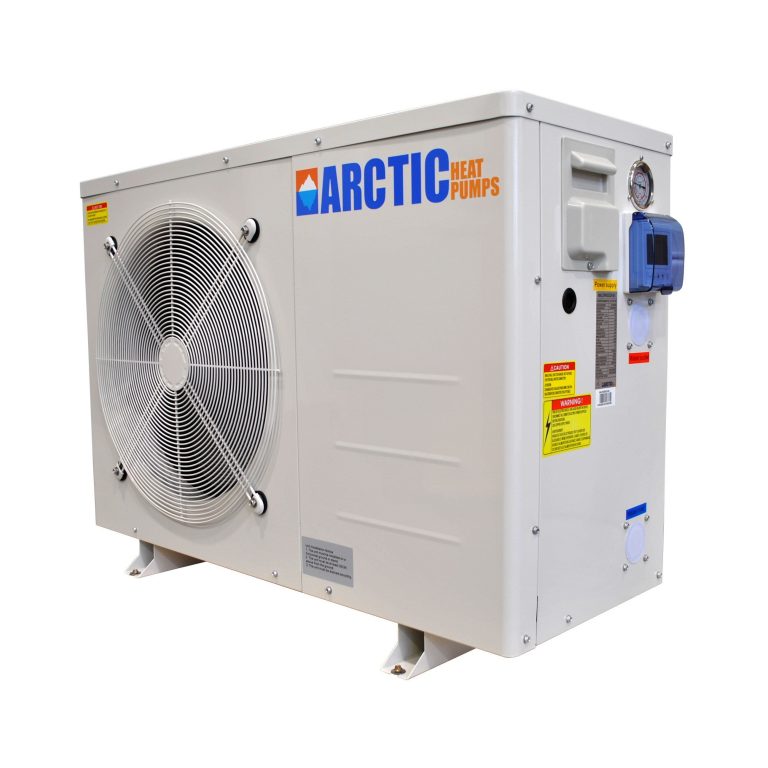
Heat pumps use air to heat pools. They absorb warm air from outside. The air is then used to heat the pool water. Gas heaters burn gas to produce heat. This heat then warms up the water. Both have different ways to heat pools. Heat pumps work best in warm climates. Gas heaters work in any weather.
Heat pumps use electricity. They take heat from the air. Gas heaters need natural gas or propane. They burn gas to make heat. Heat pumps are more energy-efficient. Gas heaters are faster to heat up water. Choose based on your energy preference.
Efficiency Metrics
Heat pump pool heaters use less energy than gas heaters. They pull heat from the air. This makes them more energy-efficient. Gas heaters burn fuel. This uses more energy and costs more to run. A heat pump can save money over time. This is because of its lower energy use.
Gas heaters warm pools faster. They are good for quick heating. Heat pumps heat slowly. They are best for steady temperatures. Heat pumps work better in warm climates. Gas heaters work anywhere, even in the cold. Choose based on your climate and needs.
Cost Analysis
Heat pump pool heaters need more money at the start. They are often more expensive to buy. Gas heaters usually cost less to purchase. This makes gas heaters a good choice for tight budgets. But, initial costs are just one part of the story.
Heat pumps save money over time. They use less energy to heat the pool. This means lower electricity bills. Gas heaters use more energy. This can lead to higher gas bills. Over many years, heat pumps can be cheaper. They are a smart choice for saving money.

Credit: aquaclearpoolcare.com
Environmental Impact
Choosing between heat pump pool heaters and gas heaters impacts the environment differently. Heat pumps use less energy, reducing carbon footprints. Gas heaters, while efficient, emit more greenhouse gases. Consider long-term environmental benefits when deciding.
Carbon Footprint
Gas heaters burn fossil fuels. This releases carbon into the air. It adds to global warming. Heat pumps use electricity instead. They have a smaller carbon footprint. This makes them more eco-friendly. Using clean energy can reduce emissions further.
Sustainability Factors
Gas heaters use non-renewable energy. Their resources can run out. Heat pumps use renewable energy sources. Solar and wind energy power them. This makes heat pumps more sustainable. Choosing renewable energy helps the planet. It supports a cleaner future for all.
Climate Suitability
Heat pump pool heaters work best in warm climates. They use air to heat water. Gas heaters work in cold weather. They heat water fast. Gas is good for chilly nights. Heat pumps are less effective in cold. They take longer to heat the pool. Gas heaters are quick and powerful. Choose based on your local weather.
Heat pumps save energy in spring and summer. They use less energy in warm seasons. Gas heaters are strong and reliable. They work in any season. Pools stay warm in winter with gas. Heat pumps struggle in cold months. They need warm air to work well. Decide based on your seasonal needs.
Credit: americanpool.com
Maintenance Considerations
Heat pump pool heaters require regular cleaning and inspection to ensure efficiency. Gas heaters need frequent checks for gas leaks. Each has its own maintenance needs, influencing which is best for your pool.
Routine Maintenance Requirements
Heat pump pool heaters need regular cleaning. Dust can block the air intake. This can lower efficiency. Checking for leaks is important. A small leak can cause big problems. Gas heaters require less cleaning. They need annual inspections. This helps find any gas leaks. Ignition parts might need replacing. Keep all instructions handy for easy maintenance.
Durability And Lifespan
Heat pumps last longer. They can work well for up to 15 years. Gas heaters might last 5 to 10 years. Heat pumps need less repair. Their parts are sturdy. Gas heaters can wear out faster. Parts exposed to flame may degrade. Regular checks can extend their lifespan. Choose wisely for a long-term solution.
User Experience
Heat pump pool heatersare simple to operate. You press a button, and it starts. The controls are often digital. This makes it easy for everyone to understand. Gas heatersmight need more steps to start. They could have knobs and switches. Some people find this confusing.
Heat pumpsare usually quiet. They hum softly in the background. This means less noise in your yard. Gas heaterscan be louder. They might make a hissing sound. This noise can be annoying for some people. Choosing a quiet option is better for peaceful pool time.

Credit: m.youtube.com
Technology Innovations
New heat pump heaters are better than before. They use less energy. This saves money on bills. Some models work in cold weather too. They keep pools warm all year. These heaters are also quiet. No loud noises. This makes pool time more fun. Friendly to the environment too. They use natural heat from the air.
Gas heaters are now more efficient. They heat pools quickly. This means less waiting time. Newer models use less gas. This helps save money. They are also smaller. Easier to install in small spaces. Safety features have improved too. They turn off if something is wrong. This keeps everyone safe.
Frequently Asked Questions
What Are The Advantages Of Heat Pump Pool Heaters?
Heat pump pool heaters are energy-efficient and environmentally friendly. They use ambient air to heat the pool water. This method can save money on electricity bills. They are especially effective in moderate climates, providing consistent heating. Additionally, heat pumps tend to have a longer lifespan compared to gas heaters.
How Do Gas Pool Heaters Work?
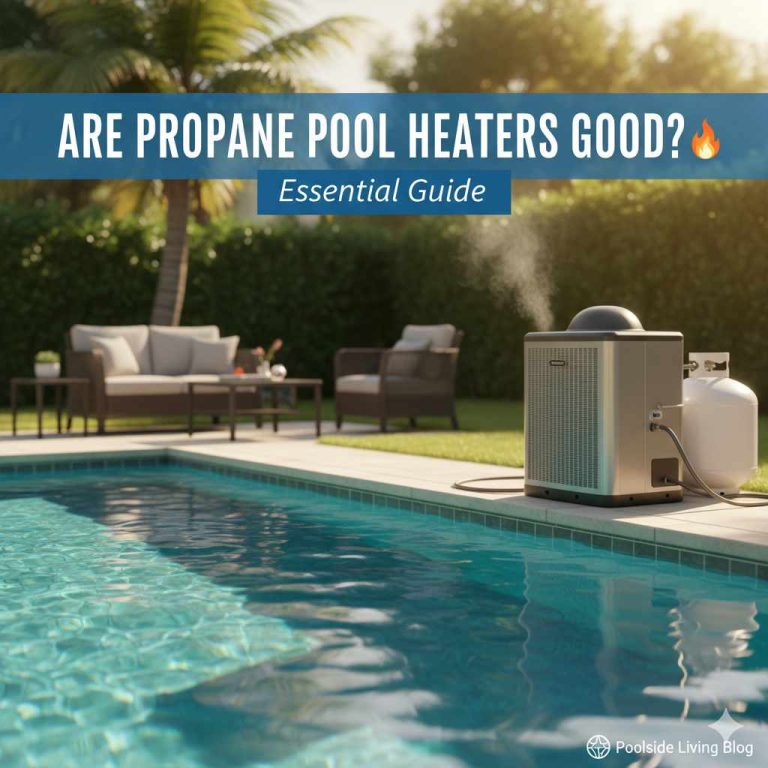
Gas pool heaters use natural gas or propane to generate heat. They heat the pool water quickly, making them ideal for short-term use. This type of heater is efficient in any weather condition. However, they can be more costly in terms of fuel consumption over time.
Which Heater Is More Cost-effective?
Heat pumps are generally more cost-effective in the long run. They utilize less energy, reducing operational costs. Initial installation may be higher, but savings accrue over time. Gas heaters have higher fuel costs, though they heat water quickly. Consider your budget and usage frequency when deciding.
Are Heat Pumps Environmentally Friendly?
Yes, heat pumps are environmentally friendly. They use air to transfer heat, minimizing carbon emissions. This makes them a sustainable choice for pool heating. Their efficiency reduces overall energy consumption, benefiting both the environment and your wallet. In comparison, gas heaters emit more greenhouse gases.
Conclusion
Choosing between heat pump pool heaters and gas heaters can be tricky. Each has benefits. Heat pumps save energy. Gas heaters warm pools quickly. Consider your needs. Think about budget. Check local energy costs. Evaluate how often you swim. Climate matters too.
Warm climates suit heat pumps. Colder areas may prefer gas. No option is perfect for everyone. Weigh pros and cons. Make a decision based on your lifestyle. Your choice impacts pool enjoyment. Ensure you pick what suits your pool best.
Happy swimming!