Why I Started Comparing the Cost of Vented vs Ventless Gas Heaters
Last winter, my cozy cabin felt like an icebox. I needed a heater but got stuck choosing between vented and ventless gas heaters. The cost of vented vs ventless gas heaters confused me, so I dove into research to find the best option. This article shares what I learned, from prices to safety tips, in simple words. Whether you’re heating a small room or a big house, I’ll help you pick the right heater without breaking the bank.
What Are Vented and Ventless Gas Heaters?
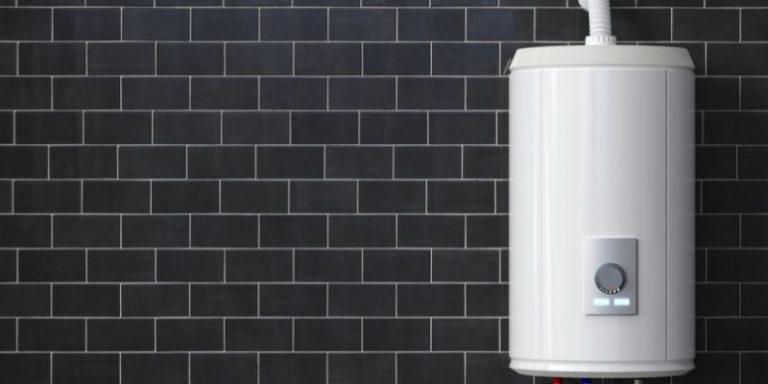
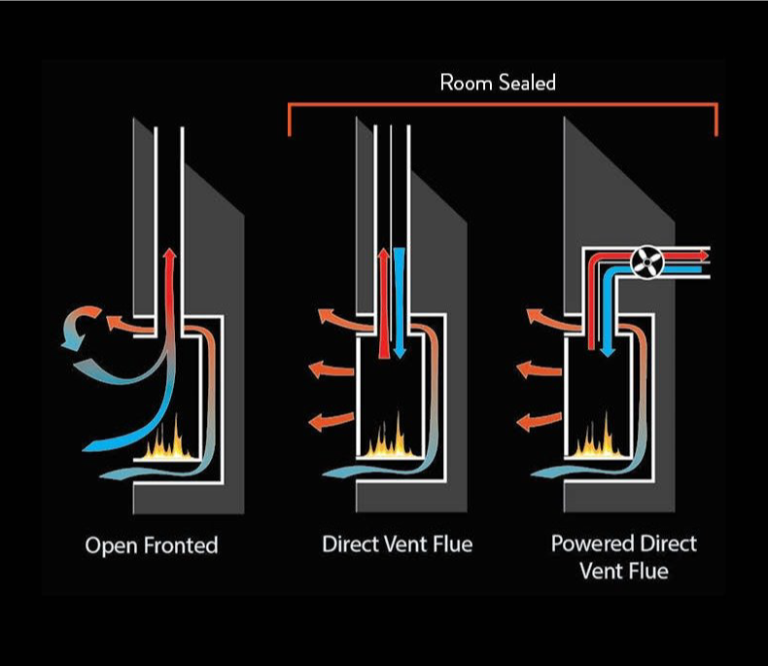
Gas heaters warm your home using natural gas or propane. They come in two types: vented and ventless.
Vented Gas Heaters
Vented heaters send fumes outside through a pipe or chimney. They’re like a fireplace with a flue that keeps air clean.
Ventless Gas Heaters
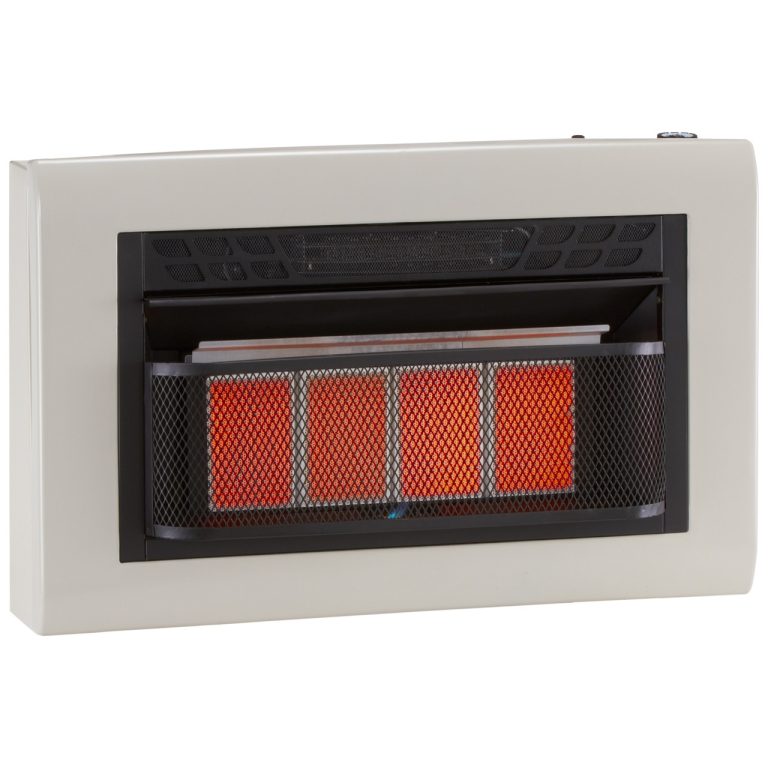
Ventless heaters don’t need a pipe. They release heat and fumes into the room, making them easy to install.
Why Costs Matter
The cost of vented vs ventless gas heaters affects your budget. Vented heaters cost more to install, but ventless ones might raise other expenses. Let’s explore both to find what’s best for you.
Comparing Costs: Vented vs Ventless Gas Heaters
Understanding costs helps you plan. Here’s how vented and ventless heaters stack up.
Upfront Costs
Vented heaters need a venting system, like a chimney or pipe. This makes installation pricey. Ventless heaters skip the vent, so they’re cheaper to set up.
Table 1: Upfront Cost Comparison
| Heater Type | Average Cost (Unit) | Installation Cost | Total Cost |
|---|---|---|---|
| Vented | $500-$2,000 | $500-$2,500 | $1,000-$4,500 |
| Ventless | $300-$1,500 | $100-$500 | $400-$2,000 |
| Caption: Vented heaters cost more due to venting systems, while ventless heaters are budget-friendly to install. |
Operating Costs
Ventless heaters are super efficient, often 99% efficient, because no heat escapes through a vent. Vented heaters lose some heat, so they use more gas.
Table 2: Operating Cost Comparison (per year, 20,000 BTU heater)
| Heater Type | Gas Usage (therms) | Annual Cost (at $1.50/therm) |
|---|---|---|
| Vented | 100-150 | $150-$225 |
| Ventless | 80-100 | $120-$150 |
| Caption: Ventless heaters save on gas due to higher efficiency. |
Maintenance Costs
Vented heaters need chimney cleaning, costing $100-$400 yearly. Ventless heaters require less upkeep, mainly filter cleaning, saving you money.

Benefits of Vented Gas Heaters
Vented heaters have some great perks. They’re safe and reliable for many homes.
- Cleaner Air: Fumes go outside, so your indoor air stays fresh.
- Realistic Flames: They look like a real fireplace, adding cozy vibes.
- Good for Big Spaces: They heat large rooms well, perfect for living areas.
Visual Idea: A diagram showing a vented heater’s pipe system directing fumes outside, compared to a fireplace.
Drawbacks of Vented Gas Heaters
Vented heaters aren’t perfect. They have some downsides you should know.
- High Installation Cost: Pipes and chimneys add up fast.
- Heat Loss: Some warmth escapes through the vent, raising gas bills.
- Limited Placement: You need a wall or chimney for installation.
Benefits of Ventless Gas Heaters
Ventless heaters shine in different ways. They’re flexible and cost-effective.
- Easy to Install: No pipes mean you can place them anywhere.
- Super Efficient: Nearly all heat stays in the room.
- Lower Costs: Cheaper upfront and saves on gas.
Visual Idea: A simple sketch of a ventless heater in a bedroom, showing heat spreading evenly.
Drawbacks of Ventless Gas Heaters
Ventless heaters have risks. Safety is a big concern for some folks.
- Air Quality Issues: Fumes stay inside, which can bother people with asthma.
- Moisture Buildup: They release water vapor, which may cause mold.
- Not Allowed Everywhere: Some states ban them due to safety rules.
Table 3: Pros and Cons Comparison
| Feature | Vented Heaters | Ventless Heaters |
|---|---|---|
| Installation Cost | High ($500-$2,500) | Low ($100-$500) |
| Efficiency | Moderate (80-90%) | High (99%) |
| Air Quality | Cleaner (fumes vented out) | Risky (fumes stay inside) |
| Placement | Limited (needs vent) | Flexible (anywhere) |
| Caption: Vented heaters are safer for air quality; ventless are cheaper and flexible. |
How to Choose the Right Heater
Picking a heater depends on your needs. Here’s a simple guide to help you decide.
- Check Your Space: Measure your room’s size. Vented heaters work for big spaces; ventless are great for small ones.
- Set a Budget: Decide how much you can spend upfront and on gas bills.
- Think About Safety: If you have kids or pets, vented heaters might be safer.
- Look at Local Rules: Some places don’t allow ventless heaters. Check your city’s codes.
Personal Tip: I chose a vented heater for my living room because I love the fireplace look and wanted clean air. For my garage, I went ventless to save money.
Safety Tips for Gas Heaters
Safety is super important with gas heaters. Follow these tips to stay safe.
- Install a CO Detector: Carbon monoxide is dangerous. A detector costs $20-$50 and saves lives.
- Ventilate Ventless Heaters: Open a window slightly to let fresh air in.
- Get Professional Installation: Experts ensure vents and gas lines are safe.
Visual Idea: A chart showing where to place a CO detector near a gas heater for safety.
Cost-Saving Ideas
Want to save money? Try these easy tricks.
- Shop Sales: Buy heaters in summer when prices drop.
- Use a Thermostat: Set it to turn off when you’re not home.
- Insulate Your Home: Seal windows to keep heat in, lowering gas use.
My Story: I saved $50 a year by insulating my cabin’s windows. It made my ventless heater work less!
Alternatives to Gas Heaters
Not sure about gas? Here are other options.
- Electric Heaters: Safe and easy but cost more to run.
- Wood Stoves: Cozy and cheap if you have wood, but need a chimney.
- Heat Pumps: Efficient for whole homes but pricey to install.
For more on alternatives, check Energy.gov’s heating guide.
Common Mistakes to Avoid
Don’t make these errors when buying a heater.
- Ignoring Room Size: A big heater in a small room wastes money.
- Skipping Maintenance: Clean vents or filters yearly to avoid breakdowns.
- Not Checking Codes: Ventless heaters might be illegal where you live.
My Experience with Gas Heaters
When I moved to my cabin, I tried a ventless heater first. It was cheap and warmed my bedroom fast. But I noticed a funny smell and some dampness. I switched to a vented heater for my main room, and it felt safer. The cost of vented vs ventless gas heaters taught me to balance price with comfort. Now, I use both, depending on the room.
For trusted advice, visit Consumer Reports’ heater reviews or NFPA’s gas safety tips.

Conclusion
The cost of vented vs ventless gas heaters depends on installation, gas use, and maintenance. Vented heaters cost more upfront but keep air cleaner. Ventless heaters save money and are easy to install but need ventilation. Think about your budget, room size, and safety needs. Try comparing prices at local stores or online. Share your heater choice in the comments—I’d love to hear what works for you! Stay warm and safe this winter!
Frequently Asked Questions
What’s the main cost difference between vented and ventless heaters?
Vented heaters cost $1,000-$4,500 total, including installation. Ventless heaters range from $400-$2,000. Vented ones need pricey vents or chimneys, while ventless skip that cost. Gas usage is lower for ventless heaters, saving $50-$100 yearly.
Are ventless heaters cheaper to run?
Yes, ventless heaters are cheaper to run. They’re 99% efficient, using less gas. You might spend $120-$150 a year, compared to $150-$225 for vented heaters. Check gas prices in your area to estimate savings.
Do vented heaters need a chimney?
Yes, vented heaters need a chimney or pipe to send fumes outside. This keeps air clean but raises installation costs by $500-$2,500. If your home has a chimney, it’s easier to install.
Are ventless heaters safe to use?
Ventless heaters are safe with proper use. Always open a window for air and install a CO detector. They release fumes indoors, which can affect people with breathing issues. Check local laws, as some states ban them.
How can I save on heater costs?
Buy during off-season sales, use a thermostat, and insulate your home. These steps cut gas use and lower bills. Regular maintenance, like cleaning filters, also prevents costly repairs.
Can I install a gas heater myself?
It’s best to hire a professional. Gas heaters need safe gas lines and vents. DIY mistakes can cause leaks or fires. Pros charge $100-$500 but ensure safety and follow local codes.
Which heater is better for a small room?
Ventless heaters are great for small rooms. They’re cheaper, easier to install, and heat quickly. Just ensure good ventilation and a CO detector to stay safe.