
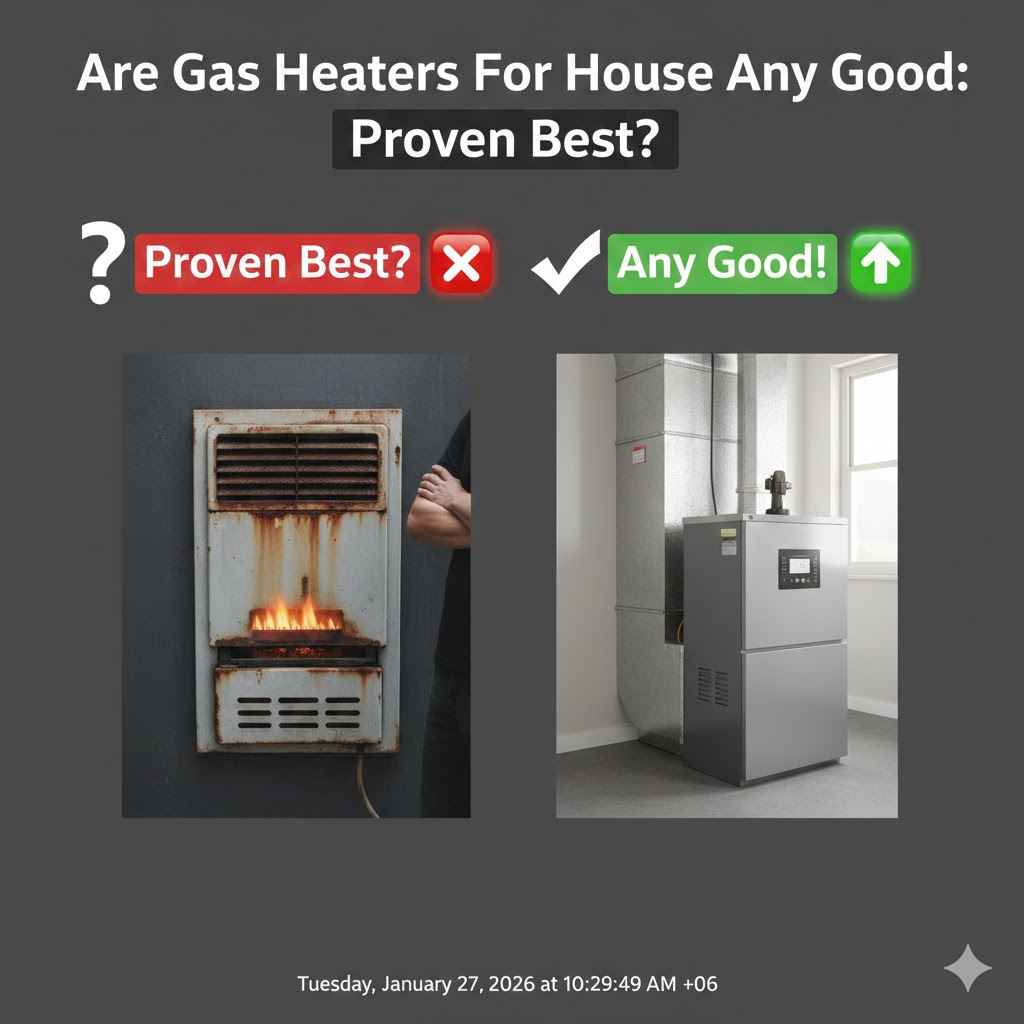
Thinking about how to keep your home warm and cozy without breaking the bank? Gas heaters are a popular choice, and for good reason! Many homeowners find them to be a very effective and energy-efficient way to heat their houses, especially when you consider their powerful heating capability and often lower running costs compared to electric options. While they come with specific setup and safety considerations, with the right information and professional installation, they can certainly be a proven best heating solution for many households.
Choosing the right heating system for your home can feel like a big puzzle, leaving you wondering if you’re making the best decision. With so many options out there, it’s easy to get confused by technical terms and conflicting advice. If you’re looking at gas heaters, you might be asking: “Are gas heaters for house any good, and are they really the proven best?” It’s a common question, and you’re not alone in wanting clear answers.
Don’t worry, I’m here to simplify everything for you. We’ll walk through exactly what makes gas heaters tick, their real-world benefits, what to watch out for, and how they stack up against other options, ensuring you have all the practical know-how to make a confident choice for a warm and safe home.
Understanding Gas Heaters: How They Work Their Magic
Gas heaters are fantastic at warming up your home. But how do they actually work? At their core, these systems use natural gas or propane as fuel. When you turn on your heater, a small pilot light or electronic igniter sparks the gas. This creates a flame that heats a component called a heat exchanger. Air from your home passes over this hot heat exchanger, gets warmed up, and is then circulated throughout your house by a fan. The beauty of this system is that the combustion gases – the byproducts of burning the fuel – are safely vented outside, keeping your indoor air clean and fresh. This direct and powerful way of creating heat is what makes gas heaters so efficient and effective.
Natural Gas vs. Propane: What’s the Difference?
When we talk about gas heaters, we’re usually talking about two main types of fuel: natural gas or propane. Both are excellent choices, but they have some key differences:
- Natural Gas: This is delivered to your home through an underground pipeline. It’s usually the most affordable option if it’s available in your area. Natural gas burns very cleanly and is incredibly reliable since it’s constantly supplied to your home.
- Propane: If you don’t have access to natural gas lines, propane is a fantastic alternative. It’s stored in a large tank on your property. Propane is a versatile fuel that also burns cleanly, but you’ll need to monitor your tank levels and arrange for refills. It’s often a bit more expensive per unit of energy than natural gas, but it offers flexibility for homes in rural areas.
The choice between natural gas and propane largely depends on what’s available in your community and your specific needs.

The Good Side: Why Gas Heaters Are So Popular
Gas heaters have earned their popularity for a lot of great reasons. They offer significant advantages that can make a real difference in your home comfort and energy bills. Let’s explore some of the main benefits:
Powerful and Quick Heating
One of the biggest advantages of gas heaters is their sheer power. Gas burns hotter than electricity, which means gas furnaces can heat your home much faster. Imagine coming in from a cold winter day; a gas heater can quickly bring your house up to a comfortable temperature. This isn’t just about speed; it also means the heater doesn’t have to run as long to do its job, which can save energy in the long run.
Energy Efficiency and Lower Running Costs
While the initial cost of installing a gas heating system can sometimes be higher than electric, the long-term running costs are often much lower. This is because natural gas is typically a more affordable fuel source than electricity in many regions. Modern gas furnaces are also incredibly efficient, converting a high percentage of their fuel into usable heat. Look for models with a high AFUE (Annual Fuel Utilization Efficiency) rating – a measure of how efficiently a furnace converts fuel into heat over a year. An AFUE of 90% or higher is considered very good, meaning only 10% or less of the fuel energy is lost.
For more on understanding energy efficiency ratings, you can check out resources like the U.S. Department of Energy.
Reliability, Even During Power Outages
Many gas heaters, especially older models or those with a standing pilot light, can continue to provide heat even if the electricity goes out. While modern high-efficiency furnaces often rely on electricity for their fans and electronic igniters, some gas fireplaces and wall heaters are designed to operate without grid power. This can be a huge comfort during winter storms, keeping your family warm when others are left in the cold.
Comfort and Even Heating
Gas heat is often described as a “warmer” or “more comfortable” heat compared to the drier heat from some electric systems. Gas furnaces can deliver a consistent flow of warm air throughout your home, helping to eliminate cold spots and ensuring an even temperature from room to room. This steady, enveloping warmth truly makes your home feel cozy.
The Other Side: What to Consider Before Choosing Gas Heat
While gas heaters offer many advantages, it’s also important to be aware of the potential drawbacks. Understanding these considerations will help you make a truly informed decision.
Installation Complexity and Initial Cost
Setting up a gas heating system usually requires more complex installation than electric options. This often involves running gas lines, ensuring proper ventilation, and sometimes installing a chimney or flue. Because of this, the upfront cost for purchasing and installing a gas furnace can be higher than a simple electric baseboard heater or portable electric unit. However, remember to balance this initial cost against the potential long-term savings on fuel bills.
Safety Concerns: Carbon Monoxide and Gas Leaks
Safety is always paramount with any heating system, and gas heaters require specific attention. Burning natural gas or propane produces carbon monoxide (CO), an odorless, colorless, and highly toxic gas. Improper ventilation or a faulty heater can lead to CO buildup, which can be extremely dangerous. Gas leaks, though rare with proper installation and maintenance, also pose a risk. This is why professional installation, regular maintenance, and the use of carbon monoxide detectors are non-negotiable.
Always have working carbon monoxide detectors on every level of your home, especially near sleeping areas.
Ventilation Requirements
Proper ventilation is crucial for gas heaters. Combustion gases, including carbon monoxide, must be safely expelled outside your home. Depending on the type of gas heater, this might involve a chimney, a flue pipe, or a direct vent system that pulls in outdoor air for combustion and expels exhaust directly outside. Incorrect ventilation can lead to dangerous indoor air quality issues.
Environmental Impact
While natural gas burns cleaner than some fossil fuels, it is still a fossil fuel and contributes to greenhouse gas emissions. For homeowners highly focused on reducing their carbon footprint, this is an important factor to consider. However, newer, high-efficiency gas heaters have significantly reduced emissions compared to older models.
Types of Gas Heaters for Homes
When we talk about gas heaters, it’s not a one-size-fits-all situation. There are several different types, each suited for different needs and home setups.
1. Central Gas Furnaces
These are the most common type of gas heating system for entire homes. A central furnace is typically located in a basement, utility closet, or attic. It heats air and then distributes it through a system of ducts and vents to every room in your house. They are incredibly efficient for heating large spaces evenly.
- Pros: Heats entire home, very efficient, thermostat controlled, quiet operation.
- Cons: Requires ductwork, higher initial installation cost.
2. Direct-Vent Wall Heaters
Direct-vent heaters are a fantastic option for heating specific rooms or zones. They are installed directly on an exterior wall and draw in outside air for combustion, then vent the exhaust directly back outside through a sealed pipe. This means no indoor air is used for combustion, and no exhaust enters your living space, making them very safe.
- Pros: Very safe (sealed combustion), high efficiency, good for zone heating, no ductwork needed.
- Cons: Only heats one or two rooms, requires an exterior wall installation.
3. Vent-Free (Unvented) Gas Heaters
These heaters do not require a vent or chimney. They release all of their combustion byproducts directly into the room they are heating. While they are very efficient because no heat escapes through a vent, they come with significant safety concerns, primarily related to indoor air quality and potential carbon monoxide buildup. Many building codes restrict or prohibit their use as a primary heat source.
- Pros: High efficiency (no heat loss through vent), easy installation.
- Cons: Significant safety risks (CO, moisture, indoor air quality), limited use, often restricted by codes.
4. Gas Fireplaces and Stoves
Gas fireplaces and stoves offer the ambiance of a traditional fire without the mess of wood. They can be vent-free, natural vent, or direct vent. Direct-vent gas fireplaces are the safest and most efficient option, providing supplemental heat to a living area while safely venting exhaust outside.
- Pros: Ambiance, supplemental heat, convenient, easy to use.
- Cons: Primarily decorative or supplemental, not designed to heat an entire home efficiently.
Cost Breakdown: Gas Heater Installation and Operation
Understanding the costs involved is key to deciding if a gas heater is right for your home. We’ll look at both the initial setup and the ongoing expenses.
Initial Installation Costs
The upfront cost for a gas heating system can vary widely depending on the type of heater, its efficiency rating, and whether your home already has gas lines and ductwork. Here’s a general idea:
| Heater Type | Typical Cost Range (Installation Included) | Notes |
|---|---|---|
| Central Gas Furnace | $3,000 – $8,000+ | Varies by AFUE rating, brand, and whether ductwork is new or existing. |
| Direct-Vent Wall Heater | $1,000 – $3,500 | Good for zone heating; simpler installation than central systems. |
| Gas Fireplace Insert | $2,000 – $6,000+ | Can convert existing wood fireplace; adds ambiance and supplemental heat. |
These are estimates, and costs can be higher or lower based on your location, contractor fees, and any necessary upgrades to your home’s gas lines or electrical system.
Operating Costs (Fuel Bills)
This is where gas heaters often shine compared to electric options. Natural gas is generally cheaper per BTU (British Thermal Unit) than electricity in most areas. Propane can be more expensive than natural gas but still often less than electricity, especially for continuous heating. Your actual operating costs will depend on several factors:
- Local Fuel Prices: These fluctuate based on supply, demand, and season.
- Heater Efficiency: A higher AFUE rating means less fuel wasted.
- Home Insulation: A well-insulated home retains heat better, reducing the amount of heating needed.
- Climate: Colder climates naturally require more heating.
- Thermostat Settings: Lowering your thermostat even a few degrees can lead to significant savings.
For current local fuel price comparisons, your utility provider or state energy office can be a great resource.
Essential Safety Measures for Gas Heaters
Your safety and peace of mind are the most important things when using any heating system. With gas heaters, there are specific steps you must take to ensure everything runs safely. Following these guidelines will build your confidence in having a warm and secure home.
Install and Maintain Carbon Monoxide Detectors
This is a non-negotiable safety step. Carbon monoxide (CO) is known as the “silent killer” because it’s odorless and colorless. Install CO detectors on every level of your home, especially near sleeping areas. Test them monthly and replace their batteries annually, or follow the manufacturer’s recommendations. These devices are your first line of defense against a dangerous gas buildup.
Ensure Proper Ventilation
As we discussed, gas heaters produce combustion byproducts that must be vented outside. Never block vents or flues. If you have a direct-vent heater, make sure the exterior vent is clear of snow, ice, or debris. For natural-vent systems, ensure your chimney is clean and free of blockages. If you’re unsure about your ventilation, have a professional inspect it.
Professional Installation and Annual Inspections
Gas heater installation is not a DIY job. It requires expertise to properly connect gas lines, ensure correct ventilation, and check for leaks. Always hire a certified HVAC professional for installation. Beyond installation, scheduling an annual professional inspection and tune-up is crucial. A technician will check for leaks, inspect the heat exchanger for cracks, clean components, and ensure the system is running safely and efficiently. This yearly check helps catch small problems before they become big, dangerous ones.
You can find qualified professionals through organizations like the Air Conditioning Contractors of America (ACCA).
Know the Smell of Gas
Natural gas and propane are naturally odorless. Utility companies add a harmless chemical called mercaptan to give it a distinctive “rotten egg” smell. If you ever smell this odor in your home, it indicates a gas leak. Here’s what to do immediately:
- Do NOT turn on or off any lights, appliances, or phones. Any spark could ignite the gas.
- Evacuate everyone from the home immediately.
- Once safely outside, call your gas company’s emergency line or 911.
Maintaining Your Gas Heater for Peak Performance and Longevity
Regular maintenance not only keeps your gas heater safe but also ensures it runs efficiently, saving you money on fuel bills and extending its lifespan. It’s simpler than you might think!
Change Air Filters Regularly
This is arguably the easiest and most important maintenance task you can do. Your furnace filter traps dust, dirt, and allergens before they enter your heating system and home. A dirty filter restricts airflow, making your furnace work harder and consume more energy. Check your filter monthly and replace it every 1-3 months, depending on usage and household conditions (pets, allergies, etc.).
Keep the Area Around the Heater Clear
Your furnace needs proper airflow to operate safely and efficiently. Keep the area around your furnace free from clutter, stored items, and anything flammable. Ensure there’s enough space for air circulation and easy access for maintenance.
Listen for Unusual Noises
Your heater should generally run smoothly and quietly. Pay attention to any new or unusual sounds like grinding, squealing, banging, or persistent rattling. These noises can often indicate a mechanical issue that needs professional attention before it becomes a bigger problem.
Annual Professional Tune-Up
As mentioned in the safety section, an annual professional tune-up is vital. This comprehensive check-up by a qualified technician will include:
- Cleaning and inspecting the burner and heat exchanger.
- Checking for gas leaks.
- Testing the thermostat and safety controls.
- Lubricating moving parts.
- Verifying proper airflow and ventilation.
- Checking electrical connections.
This yearly visit helps prevent breakdowns, maintains efficiency, and ensures your system is operating safely.
Are Gas Heaters “Proven Best?” Making Your Decision
After looking at all the ins and outs, the question remains: “Are gas heaters for house any good: proven best?” The honest answer, from your friendly home heating guide, is that they are excellent for many homes and can certainly be a “proven best” choice, depending on your specific needs and situation.
Here’s a quick summary to help you weigh your options:
| Factor | Gas Heaters (Pros) | Gas Heaters (Cons) | Consider This If… |
|---|---|---|---|
| Heating Power & Speed | Very powerful, heats quickly | N/A | You live in a cold climate and need rapid, robust heating. |
| Operating Costs | Often lower fuel costs (natural gas) | Propane can be pricier than natural gas | You have access to natural gas lines and want to save on monthly bills. |
| Efficiency | High AFUE ratings available | Varies by model; older units are less efficient | You prioritize energy conversion and want to minimize waste. |
| Reliability | Many can operate during power outages (some models) | Newer high-efficiency models still need electricity for fans/igniters | You experience frequent power outages and want a dependable heat source. |
| Safety | Very safe with proper installation, maintenance, and CO detectors | Risks from CO and gas leaks if neglected or poorly installed | You are committed to regular professional maintenance and safety protocols. |
| Environmental Impact | Burns cleaner than some fossil fuels; newer models are greener | Still a fossil fuel, contributes to emissions | You are balancing effective heating with environmental considerations. |
Gas heaters are generally excellent for:
- Homeowners in colder climates who need powerful, consistent heating.
- Those with access to natural gas lines who want lower operating costs.
- Individuals prioritizing quick warmth and comfort throughout their entire home.
- Anyone looking for a reliable heating system, especially where power outages can be an issue.
However, if you prioritize zero fossil fuel use, or if the initial installation costs for gas lines and a furnace are prohibitive, other options like heat pumps or electric systems might be more suitable. Ultimately, “proven best” means what works best for your home, your budget, and your peace of mind. By considering all the factors, you can confidently choose a heating solution that keeps your home warm, safe, and efficient for years to come.

Frequently Asked Questions About Gas Heaters
Q1: Are gas heaters safe to use in a house?
A: Yes, gas heaters are very safe when properly installed, maintained, and used with working carbon monoxide detectors. Professional installation and annual inspections are crucial to prevent issues like gas leaks or carbon monoxide buildup.
Q2: Is natural gas or propane better for heating?
A: The “better” fuel depends on availability and cost. Natural gas is generally more affordable and delivered via pipeline, making it convenient. Propane is stored in tanks and is a great option if natural gas isn’t available, offering flexibility but often at a slightly higher cost per unit.
Q3: How often should I get my gas heater serviced?
A: It’s highly recommended to have your gas heater professionally serviced once a year, typically before the heating season begins. This ensures it runs efficiently, safely, and helps prevent unexpected breakdowns.
Q4: Can a gas heater work without electricity?
A: Some older gas heaters with a standing pilot light and certain gas fireplaces can work during a power outage. However, most modern high-efficiency gas furnaces require electricity to power their electronic ignition and fans that circulate warm air.
Q5: What’s the biggest advantage of a gas heater over an electric heater?
A: The biggest advantage is often the lower operating cost due to natural gas being cheaper than electricity in many areas, combined with the powerful, quick, and consistent heat output that can warm a home faster and more effectively.
Q6: How do I know if my gas heater is efficient?
A: Look for the AFUE (Annual Fuel Utilization Efficiency) rating. A higher AFUE percentage means the heater converts more fuel into usable heat, indicating better efficiency. Modern high-efficiency furnaces often have AFUE ratings of 90% or higher.
Q7: What should I do if I smell gas in my home?
A: If you smell a “rotten egg” odor (the added scent for gas), immediately evacuate everyone from your home. Do NOT use light switches, phones, or any appliances. Once safely outside, call your gas company’s emergency line or 911 right away.
Conclusion: Your Warm and Confident Home Heating Choice
By now, you should feel much more confident about gas heaters and whether they’re the right fit for your home. We’ve explored how they work, their fantastic ability to deliver powerful and often more affordable warmth, and the important steps you need to take to ensure they operate safely. Remember, the journey to a cozy, well-heated home is all about making informed choices that align with your needs, your home’s setup, and your comfort. While initial costs and safety precautions are key considerations, the long-term benefits of efficiency, reliable warmth, and often lower running expenses make gas heaters a very strong contender for many. With professional installation, regular maintenance, and the simple safety measures we’ve discussed, you can absolutely rely on a gas heating system to keep your home comfortable and inviting for years to come. You’re now equipped with the practical know-how to make a decision that feels just right, ensuring your family stays warm, safe, and happy, no matter how chilly it gets outside.