Vent Free Vs Vented Gas Heaters: Ultimate Comparison
Choosing the right gas heater for your home can feel like a daunting task. The decision between vent free and vented gas heaters is one many homeowners face.
Each option has its benefits, but which is the best fit for your needs? This guide is here to help you navigate this choice with ease. Imagine a cozy winter evening, your home filled with warmth and comfort. The right gas heater can make this a reality.
But choosing the wrong one could lead to higher bills or even safety concerns. You don’t want to make this decision lightly, and you don’t have to. Understanding the differences between vent free and vented gas heaters can save you time, money, and hassle. You’ll discover how each type works, their pros and cons, and how they fit into your lifestyle. By the end of this article, you’ll be equipped with the knowledge to make the best choice for your home.
Stay with us, and let’s unravel the mystery of gas heaters together. This decision could transform your home into the warm haven you’ve always dreamed of. Don’t miss out on the chance to make a smart, informed choice for your comfort and safety.

Credit: www.hearth556.com
Basics Of Gas Heaters
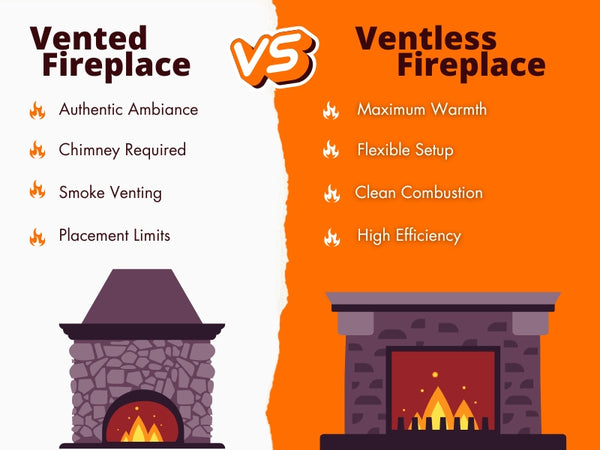
Gas heatersare popular for warming homes. They use natural gasor propane. These heaters are efficient. They provide steady warmthduring cold months. Two main types exist. Vent-freeand ventedgas heaters.
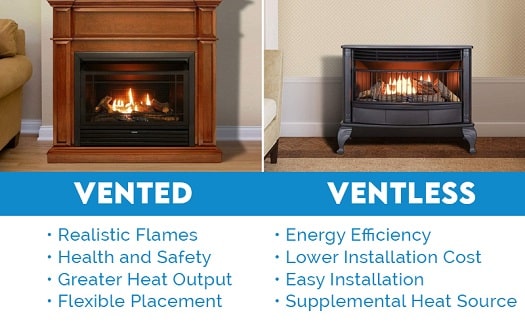
Vent-free heaters are easy to install. They don’t need a vent. Heat is released directly into the room. These heaters are compact. Ideal for small spaces. They are often more affordable. However, air qualitymust be checked. They release gases indoors.
Vented heaters use a flueor chimney. They expel gases outside. These heaters are safer for air quality. Installation is more complex. They cost more than vent-free heaters. Larger spaces benefit from vented heaters. Warmth is distributed evenly.
Credit: www.plumbersstock.com
How Vent Free Heaters Work
Vent free heaters are simple to use. They burn gas and produce heat. No chimney is needed. These heaters are easy to set up. They work indoors without big changes. The burned gas stays inside the room. Safety is very important. Built-in sensors check air quality. If air is bad, they shut off automatically. The room must have good ventilation. This keeps air fresh. These heaters are small and fit anywhere. They are efficient and save energy. People like them for easy use and quick warmth. They are common in small spaces and apartments.
How Vented Heaters Operate
Vented heaters use a pipe to carry gases outside. These gases are from burning fuel. The pipe is called a flue. It keeps air inside clean. Vented heaters need a hole in the wall or roof. This is for the pipe. The heater burns gas to make heat. The heat warms the room. The flue removes smoke and gases. This makes it safe. Vented heaters are good for big rooms. They keep air fresh. These heaters can be expensive. They need installation. But, they are safe for homes. Using a vented heater is simple.
Efficiency And Energy Use
Vent free heatersuse less fuel. They keep heat inside the room. This makes them more efficient. Vented heatersneed more fuel. Some heat escapes through vents. This means they use more energy. Fuel cost is higher for vented heaters.
Vent free heaters warm rooms quickly. They are good for small spaces. Vented heaters heat larger areas. They work well for big rooms. Heat output is steady and reliable. Choose based on room size.
Installation Requirements
Vent free gas heaters are easy to set up. No chimney or venting is needed. Place them in a room with good air flow. They need fresh air to work safely. Safety sensors are in these heaters. They stop if air is low. Mounting is simple and quick. Use the right bracket for safety. Follow the maker’s guide.
Vented gas heaters need more work to install. Chimney or flue is a must for venting. This sends fumes out. Professional help is often needed. Follow all rules for venting. Use proper tools for safety. The heater’s placement is key. It should be near the vent area. Read the instruction manual carefully. Regular checks ensure safe use.
Safety Considerations
Vent free gas heaters are easy to install. They do not need a chimney. This makes them popular. But, they need good air in the room. Carbon monoxidecan build up. This is dangerous. Always use a carbon monoxide detector. Keep windows open a little. This helps air flow.
Vented gas heaters send gases outside. This makes them safer. They need a chimneyor vent pipe. Install them properly. Bad installation can cause problems. Regular checks are important. Make sure the vents are not blocked. Always follow safety instructions.
Environmental Impact
Vent-free gas heaters release combustion gases into indoor air, raising pollution concerns. Vented heaters expel fumes outside, reducing indoor air quality risks. Choosing vented heaters promotes healthier living spaces.
Emissions
Vent free gas heaters release gases inside the home. This can impact indoor air. Vented heaters, on the other hand, send gases outside. This makes them safer for the air indoors. Vent free heaters may produce carbon monoxide. It’s a dangerous gas for health. Always use them with caution. Vented heaters are safer with proper installation. They ensure gases do not stay inside.
Air Quality
Air quality can be affected by gas heaters. Vent free heaters can lower indoor air quality. They release gases into the room. This can lead to poor air. Vented gas heaters help keep air cleaner. They send harmful gases outside. Good air means healthier living. Choose wisely for better air at home.
Cost And Maintenance
Vent free heaters usually cost less than vented heaters. Vented gas heaters need extra parts for installation. This makes them more expensive. Vent free models are simpler. You might save money at first with vent free heaters. But, you need to think about other costs too.
Vented heaters need regular checks. You must keep vents clean. This can cost more over time. Vent free heaters need less maintenance. But, they can affect air quality. You might need air filters. It is important to keep your heater clean. This helps it work better. Regular checks ensure safety. Maintenance keeps the heater running well.
Suitability For Different Spaces
Vent free heaters are great for small rooms. They save space and are easy to install. Vented heaters need a chimney or vent. They are best for larger homes. They remove gases outside. Vent free models keep all heat inside. That means more warmth. But they need good air flow. Safety is key in choosing the right heater. Always check what fits your home best.
Vented gas heaters are ideal for large spaces. They heat big areas well. Vent free heaters work in smaller shops or offices. They are easy to move and set up. Vented models require proper ventilation. They push gases outside for safety. They are often more powerful. Vent free models are compact. Choose based on space and heat needs. Safety measures are very important.
Pros And Cons
Vent free gas heatersare easy to install. They don’t need a chimney or vent. This makes them cheaper. They heat rooms quickly. They are very efficient. The heat stays inside the room. This keeps the room warm for a long time. These heaters are great for small spaces. They fit almost anywhere. They use gas, which is cheaper than electricity. Vent free heaters are often portable. You can move them easily.
Vent free heaters can cause indoor air problems. They release gases into the room. This can be unhealthy. These heaters need good ventilation. Without it, they are unsafe. They can make rooms too humid. Humidity can cause mold. Some people may find the smell annoying. The heaters are not suitable for large spaces. They might not heat big areas well.
Vented heatersare better for air quality. They send gases outside. This makes them safer. They are great for large spaces. They can heat big areas effectively. These heaters last a long time. They are durable. Vented heaters are very reliable. They work even in cold weather. They can be installed in many places. Basements, garages, or workshops all work.
Vented heaters can be costly to install. They need a vent or chimney. This makes setup more complex. They can lose some heat through the vent. This means they use more fuel. Maintenance is needed. Vents must be checked often. They are not portable. You cannot move them easily. Vented heaters are less efficient. They may cost more over time.
Frequently Asked Questions
What Is A Vent Free Gas Heater?
A vent free gas heater operates without the need for external venting. It uses indoor air to combust fuel and releases heat directly into the room. These heaters are efficient and easy to install, but proper ventilation is essential to ensure safe indoor air quality.
How Do Vented Gas Heaters Work?
Vented gas heaters expel combustion gases outside through a chimney or flue. They use outside air for combustion, ensuring clean indoor air. Although installation is more complex, they offer safety advantages by preventing harmful gas buildup indoors.
Are Vent Free Heaters Safe Indoors?
Vent free heaters are safe when used correctly. They require proper ventilation to avoid indoor air quality issues. Regular maintenance and adherence to manufacturer guidelines ensure safe operation. Carbon monoxide detectors are recommended for added safety.
Which Is More Energy-efficient: Vented Or Vent Free?
Vent free heaters are generally more energy-efficient as they retain all heat indoors. Vented heaters lose some heat through venting, but they ensure better air quality. The choice depends on your heating needs and safety preferences.
Conclusion
Deciding between vent free and vented gas heaters? Consider your needs. Vent free heaters save space and often cost less. They heat rooms quickly. Vented heaters offer better air quality. They remove combustion gases outdoors. Safety is key, so check local codes.
Consider the room’s size and purpose too. A small room might suit a vent free heater. Larger spaces might need vented options. Weigh the pros and cons. Think about energy efficiency. Comfort and safety are important. Choose wisely for your home’s needs.