Are Propane Wall Heaters Safe With Kids: Proven Dangers?
Propane wall heaters can be used safely around children with crucial precautions. Vented models are significantly safer, eliminating indoor exhaust. Always ensure professional installation, use carbon monoxide detectors, maintain clear safety clearances, and consider protective barriers to prevent burns and accidental contact.
For the safety side of this topic, Are Propane Wall Heaters Safe With Kids: Facts gives readers a practical next check before using a heater.
For the safety side of the same topic, Are Propane Wall Heaters Safe? Critical Facts gives readers a useful next check before they use the heater.
For a related heater topic, Are Gas Heaters Illegal? Dangers to Avoid gives readers a useful next step.
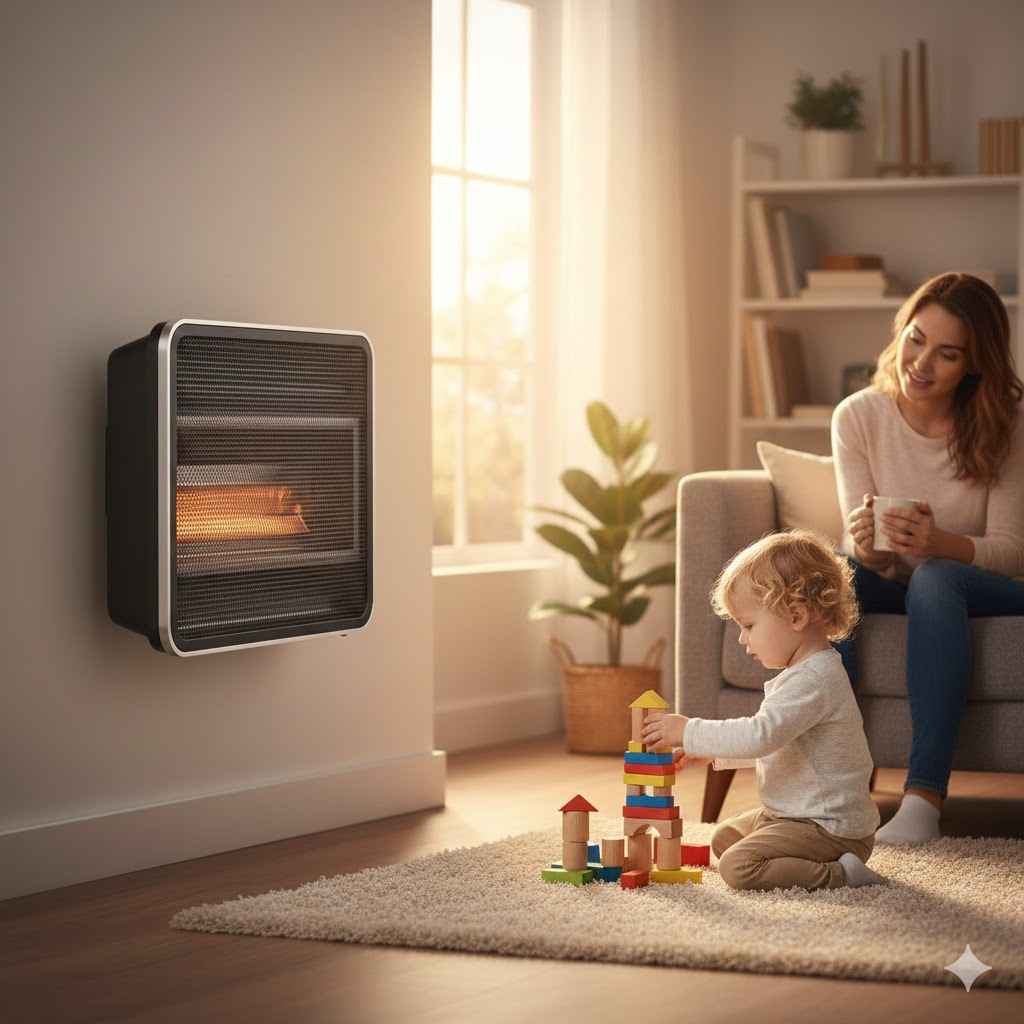
Worrying about home heating while keeping your little ones safe is a common challenge for many families. Propane wall heaters offer a cozy warmth, but if you have kids running around, you’re right to wonder: “Are propane wall heaters safe with kids?” It’s a big question that deserves a clear, honest answer. We want every home to be warm and secure, especially for the youngest members. Let’s explore the proven dangers and, more importantly, discover how to create a safe, toasty environment for your family.
Understanding Propane Wall Heaters
Propane wall heaters are a popular choice for supplementary heating in homes, workshops, or cabins. They’re often appreciated for their efficiency and ability to heat specific zones quickly. Essentially, these units use propane gas as fuel, which burns to create heat. The heat is then circulated into the room, either through convection (natural air movement) or forced air (with a fan). While effective, their operation means they come with specific safety considerations, especially in households with curious children.
The Key Safety Concerns with Propane Heaters Around Kids
When you have children, every appliance in your home takes on new safety implications. Propane wall heaters are no exception. Understanding the potential dangers is the first step toward effective prevention.
Carbon Monoxide (CO) Poisoning
Carbon monoxide (CO) is often called the “silent killer” because it’s an invisible, odorless, and tasteless gas. It’s a byproduct of incomplete combustion, which can occur if a propane heater is faulty, improperly vented, or not maintained. CO poisoning can happen quickly, especially to children, who are more vulnerable due to their smaller bodies and higher metabolic rates. Symptoms can range from headaches and dizziness to nausea, and in severe cases, unconsciousness or death. The Centers for Disease Control and Prevention (CDC) provides detailed information on CO poisoning and its prevention, emphasizing the importance of CO detectors.
Burns and Fire Hazards
Most propane wall heaters, especially those that rely on radiant heat, can reach very high surface temperatures. A child’s delicate skin can suffer severe burns from even brief contact. Additionally, if flammable materials like curtains, bedding, or toys are too close to the heater, they can easily ignite, leading to a house fire. Keeping adequate clearance around the unit is not just a recommendation; it’s a critical safety rule.
Oxygen Depletion (Primarily with Unvented Heaters)
Unvented propane heaters draw oxygen from the room they are heating and release combustion byproducts directly into the living space. While equipped with Oxygen Depletion Sensors (ODS) that should shut the unit off if oxygen levels drop too low, continuous operation in a tightly sealed room can still reduce oxygen levels and introduce moisture and other combustion gases. This creates a less healthy indoor air environment and can pose risks, particularly for infants or children with respiratory issues. For more on indoor air quality, visit the Environmental Protection Agency (EPA) website.
Fuel Leaks and Explosions
Propane leaks are dangerous because propane gas is highly flammable. While propane itself is odorless, a chemical is added during manufacturing to give it a distinct “rotten egg” smell, making leaks detectable. However, a small child might not recognize this warning sign. A leak could lead to a buildup of gas, which, if ignited by a spark or open flame, could cause an explosion or fire. Proper installation, regular leak checks, and secure fuel lines are essential to prevent this.

Vented vs. Unvented Propane Heaters: Which is Safer for Families?
The most significant factor in determining the safety of a propane wall heater, especially in a home with children, is whether it’s vented or unvented.
Vented Propane Heaters
Vented propane heaters are designed with a flue or vent pipe that directs all combustion byproducts (including carbon monoxide, carbon dioxide, and water vapor) outdoors. This means that only clean, heated air is circulated into your home. They operate much like a miniature furnace, drawing in fresh air for combustion and expelling exhaust.
Unvented (Vent-Free) Propane Heaters
Unvented propane heaters, also known as vent-free heaters, release all combustion gases directly into the room they are heating. They are equipped with an Oxygen Depletion Sensor (ODS) that should shut the heater off if oxygen levels fall below a safe threshold. While these heaters are approved for use in many areas and are highly efficient because no heat escapes through a vent, they inherently introduce combustion byproducts and moisture into your living space.
Safety Comparison: Vented vs. Unvented
| Feature | Vented Propane Heater | Unvented Propane Heater |
|---|---|---|
| Carbon Monoxide Risk | Extremely Low (exhaust vented outside) | Low to Moderate (combustion indoors, relies on ODS and room ventilation) |
| Indoor Air Quality | No impact from combustion byproducts | Introduces combustion gases, moisture, and can lower oxygen levels |
| Burn Hazard | Present (surface heat) – requires physical barriers | Present (surface heat) – requires physical barriers |
| Installation Complexity | More complex (requires venting through a wall or roof) | Less complex (does not require venting) |
| Recommendation for Kids | Strongly Recommended – higher inherent safety | Generally Not Recommended as a primary heat source in kid-occupied spaces unless extremely well-ventilated and strictly monitored. Check local regulations. |
For homes with children, a vented propane wall heater is the far safer choice. It completely eliminates the risk of indoor carbon monoxide exposure from the heater’s operation and preserves indoor air quality, offering much greater peace of mind.
Essential Safety Measures for Propane Wall Heaters with Kids
No matter which type of propane heater you choose (though vented is preferred), proper installation and ongoing vigilance are non-negotiable when children are present.
1. Professional Installation is Key
Always have a certified professional install your propane wall heater. They will ensure:
- Correct gas line connections to prevent leaks.
- Proper venting for vented models, ensuring no exhaust enters the home.
- Adequate clearance from walls and combustible materials according to manufacturer specifications.
- Compliance with local building codes and safety regulations.
A professional installation minimizes the risk of malfunctions and gas leaks, which are critical for safety.
2. Install Carbon Monoxide Detectors
This is a must-have for ANY home with combustion appliances, even with vented heaters.
- Place detectors on every level of your home, especially near sleeping areas and where the heater is located.
- Test them monthly and replace batteries annually, or as recommended by the manufacturer.
- Replace the entire unit every 5-7 years, as the sensors can degrade over time.
The U.S. Consumer Product Safety Commission (CPSC) offers comprehensive guidelines on selecting and placing CO detectors.
3. Maintain Strict Clearance from Combustibles
Refer to your heater’s instruction manual for specific clearance requirements. Generally, this means keeping:
- At least 3 feet of clear space around the front, top, and sides of the heater.
- No curtains, furniture, rugs, toys, or bedding within this zone.
- Ensure walls, floors, and ceilings near the heater are non-combustible or properly insulated.
4. Install Safety Barriers or Guards
Children, especially toddlers, are naturally curious and might not understand the danger of touching a hot heater.
- Use a sturdy, freestanding safety gate or a hearth guard specifically designed to withstand heat.
- Ensure the barrier is anchored or heavy enough that a child cannot push it over.
- Position the barrier far enough from the heater so that even if a child reaches through or over, they cannot touch the hot surface.
5. Childproof and Educate
Teach older children about heater safety.
- Explain that the heater is hot and dangerous to touch.
- Teach them not to put anything on, in front of, or near the heater.
- Supervise young children constantly in rooms with operating heaters.
- Never leave children unsupervised with a propane heater running.
6. Regular Maintenance and Inspections
Even the safest heater needs proper upkeep.
- Schedule annual inspections by a qualified technician to check for leaks, proper combustion, and overall condition.
- Clean the heater regularly to prevent dust and debris buildup, which can affect efficiency and be a fire hazard.
- Check gas lines and connections periodically for signs of wear or leaks (using a soapy water solution, never an open flame).
7. Proper Propane Fuel Storage
If you use refillable propane cylinders, storage is crucial.
- Always store propane tanks outdoors, in a well-ventilated area, away from direct sunlight or heat sources.
- Never store spare tanks indoors, especially in living spaces or garages attached to the house.
- Ensure tanks are upright and secured to prevent tipping.
Choosing the Right Propane Heater for a Family Home
When considering a propane wall heater, look beyond just the heat output. Safety features are paramount.
Key Features to Look For:
- Vented Design: As discussed, this is the top priority for families.
- Cool-Touch Exterior: Some newer models feature cool-to-the-touch surfaces, significantly reducing burn risks.
- Thermostat Control: Allows you to set a desired temperature, preventing overheating and ensuring comfort without constant adjustments.
- Oxygen Depletion Sensor (ODS): While primarily for unvented units, some vented models may also include this as a backup safety feature.
- Overheat Shut-off: Automatically turns off the heater if it reaches an unsafe temperature.
- Tip-Over Switch: Shuts off the heater if it’s accidentally knocked over (more common with portable units, but good to check for wall-mounted too if applicable to design).
- Child Lock Controls: Prevents curious fingers from changing settings or turning the unit on/off.
- Certification: Look for certifications from reputable testing agencies like CSA (Canadian Standards Association) or UL (Underwriters Laboratories), indicating the heater meets strict safety and performance standards.
Sizing Your Heater Correctly
An oversized heater might cycle on and off too frequently, leading to inefficient operation and potentially more wear. An undersized heater will struggle to heat the space, running continuously and still leaving your family cold. Your installer can help you calculate the correct BTU (British Thermal Unit) output needed for your room’s size and insulation levels.
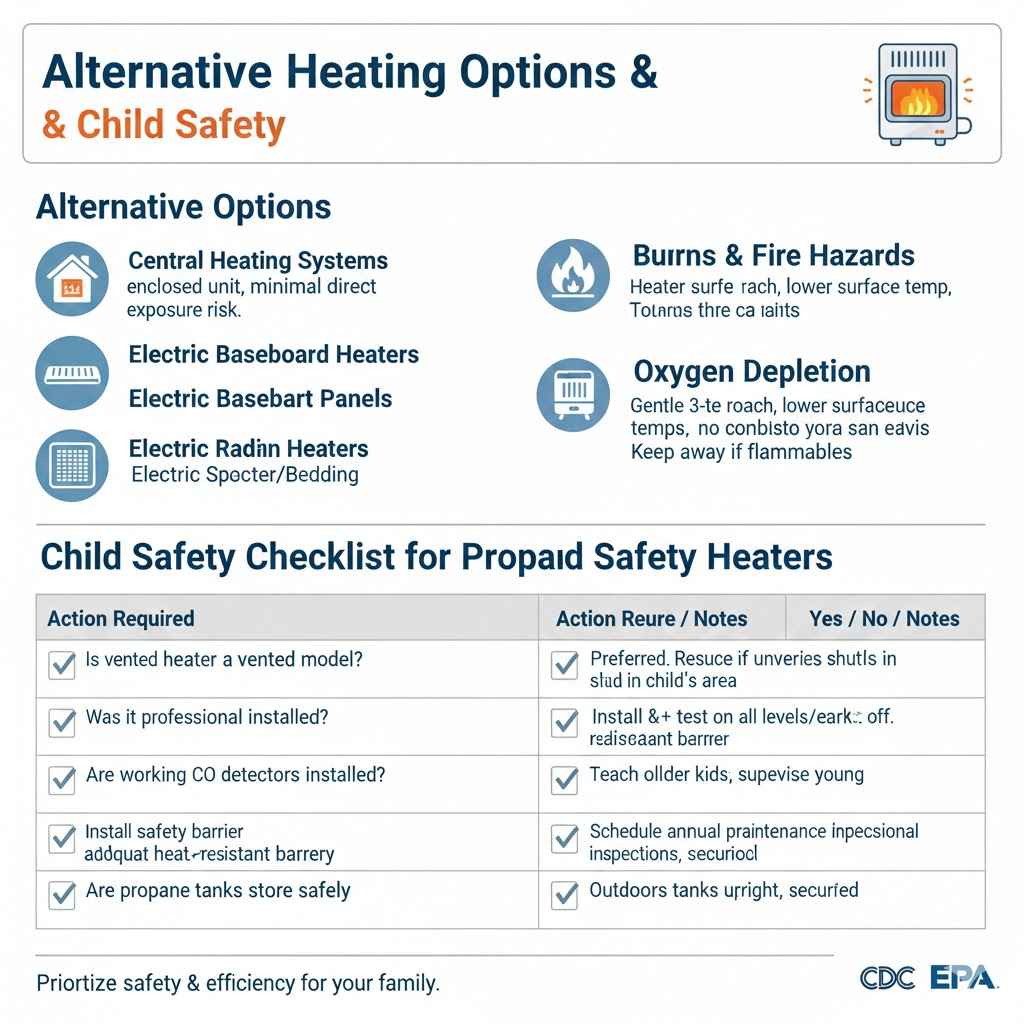
Considering Alternative Heating Options
While propane wall heaters can be safe with proper precautions, it’s also good to be aware of other heating solutions that might be more suitable depending on your family’s needs and home setup.
Central Heating Systems: If available, a furnace or boiler-based central heating system provides consistent, whole-home warmth from a single, typically enclosed unit, minimizing direct exposure risks.
Electric Baseboard Heaters: These are permanently mounted electric heaters that are usually out of reach. While they can get hot, many are designed with lower surface temperatures than some radiant propane heaters. They offer localized heat without combustion byproducts.
Electric Radiant Panels: These wall-mounted panels provide gentle, even heat and often have low surface temperatures, making them a safer option for rooms where children play.
Electric Space Heaters: While portable, electric space heaters also pose burn and fire risks. If used, ensure they have tip-over protection, overheat shut-off, and are kept far away from children and flammable materials. They should never be left unsupervised.
Always weigh the pros and cons of any heating method, prioritizing safety and efficiency for your family.
| Child Safety Checklist for Propane Wall Heaters | Action Required |
|---|---|
| Is the heater a vented model? | Yes (preferred) / Consider replacing if unvented and in a child’s area. |
| Was it professionally installed? | Ensure certified installation for safety and warranty. |
| Are working CO detectors installed? | Install and regularly test detectors on all levels and near heater. |
| Is there adequate clearance from combustibles? | Maintain 3+ feet clear space around the heater. |
| Is a safety barrier in place? | Install a sturdy, heat-resistant barrier. |
| Are children educated and supervised? | Teach older kids; always supervise young children. |
| Is regular maintenance performed? | Schedule annual professional inspections. |
| Are propane tanks stored safely? | Always outdoors, upright, and secured. |
Frequently Asked Questions About Propane Wall Heater Safety with Kids
1. Are all propane wall heaters dangerous for kids?
No, not all propane wall heaters are inherently dangerous, but they all require strict safety measures when kids are present. Vented models are significantly safer because they release combustion byproducts, including carbon monoxide, outside the home.
2. What is carbon monoxide, and how does it relate to propane heaters?
Carbon monoxide (CO) is a colorless, odorless, toxic gas produced by incomplete combustion of fuels like propane. If a propane heater is unvented, faulty, or poorly maintained, it can release CO into your home, posing a serious health risk, especially to children.
3. How can I tell if my propane heater is leaking?
Propane has an added chemical that gives it a distinct “rotten egg” smell, making leaks usually detectable. If you smell this odor, immediately turn off the heater and gas supply, ventilate the area, and call a professional for inspection. Never use an open flame to check for leaks.
4. Can kids get burned by touching a propane wall heater?
Yes, the surface of most propane wall heaters can get extremely hot and cause severe burns from even brief contact. This is why installing a sturdy safety barrier or guard around the heater is crucial in homes with children.
5. Do I need a carbon monoxide detector if I have a vented propane heater?
Absolutely. Even with a vented heater, a CO detector is a vital safety device. Malfunctions, damaged vents, or other combustion sources (like a gas stove or car exhaust from an attached garage) can still introduce CO into your home.
6. Are there any propane heaters specifically designed to be kid-safe?
While no heater is entirely “kid-proof,” some models come with features like cool-touch exteriors, overheat shut-off, and child lock controls, which enhance safety. However, these features supplement, not replace, essential precautions like barriers and supervision.
7. Where should I install a propane wall heater to keep kids safe?
Always install propane wall heaters according to manufacturer instructions and local codes. Choose a location where the heater can maintain at least 3 feet of clearance from all combustible materials (curtains, furniture, toys) and ideally in an area that can be easily supervised or protected with a safety barrier.
Conclusion
Keeping your family warm and safe is a top priority, and navigating the world of home heating, especially with little ones, doesn’t have to be overwhelming. While propane wall heaters offer efficient warmth, their safe use around children hinges entirely on making informed choices and taking proactive steps. Opting for a vented model whenever possible is your best bet for avoiding indoor air quality concerns. Beyond that, a combination of professional installation, vigilant use of carbon monoxide detectors, strict adherence to clearance guidelines, and the smart addition of safety barriers will create a secure zone around your heater. Remember, your home can be both cozy and safe, building confidence in your heating choices. With these guidelines, you’re well on your way to maintaining a warm, worry-free environment for your whole family.