Baseboard Heater vs Forced Air: Which Is Right for Your Home?
Hey there! If you’re trying to decide between a baseboard heater and a forced air system for your home, you’re in the right place. I’ve spent a lot of time researching and comparing these two heating options, and I’m excited to share what I’ve learned. Both systems have their strengths and weaknesses, and choosing the right one depends on your home, budget, and lifestyle. Let’s break it down together, so you can make the best choice for cozy winters in your U.S. home.
Understanding Baseboard Heaters
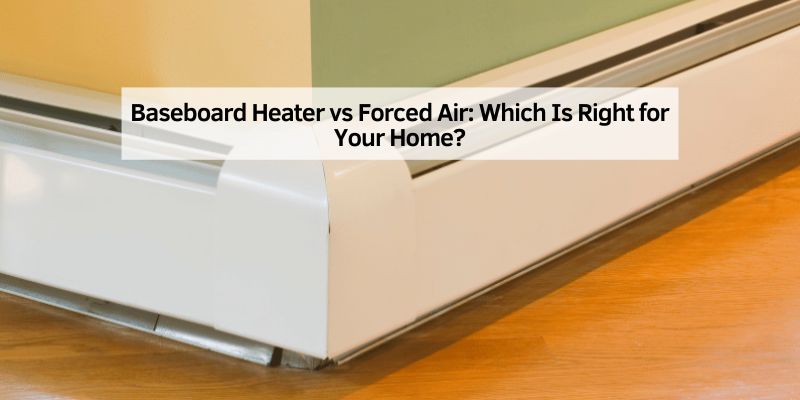
Let’s start with baseboard heaters. These are the long, low units you often see along the walls of older homes. They work by heating the air around them, which then rises and circulates naturally through the room. I first encountered these in my aunt’s cozy New England cottage, and they kept the place warm even during snowy winters.
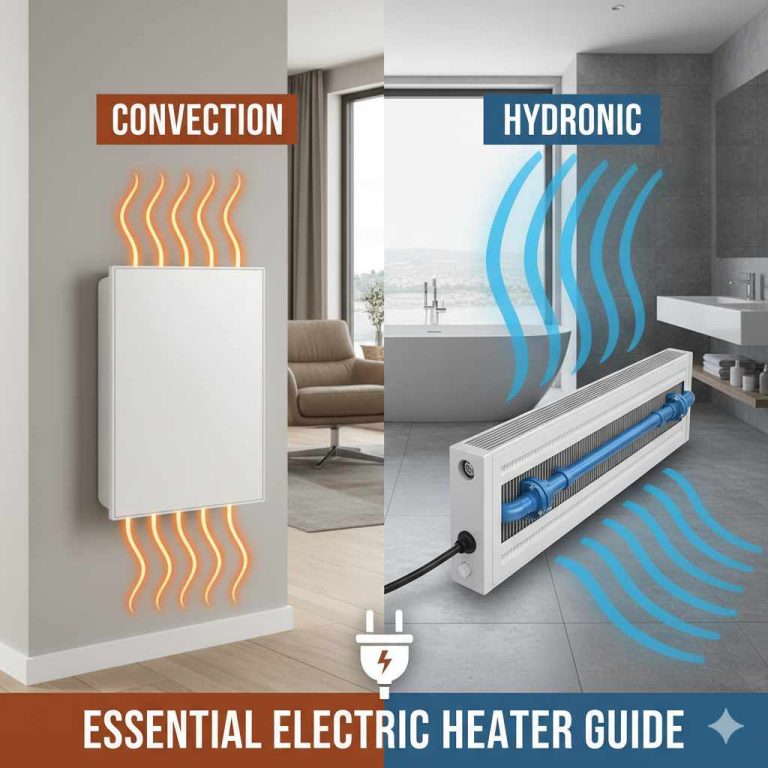
Baseboard heaters are usually electric, though some use hot water (hydronic systems). Electric models have a heating element inside that warms up when powered on. Hydronic ones, on the other hand, use a boiler to heat water, which then flows through pipes in the baseboard unit. Both types are quiet—no loud fans or blowers here. They’re also super simple to install, especially in older homes where adding ductwork isn’t an option.
One thing I love about baseboard heating is how it provides steady, consistent warmth. Each room has its own unit, so you can control the temperature in different areas of your house. This is great if you want a toasty bedroom but a cooler living room. However, they can be slow to heat up a space, and they don’t work well for cooling, so you’ll need a separate system for summer.
How Forced Air Systems Work
Now, let’s talk about forced air systems. These are the ones you probably think of when you hear “furnace.” I’ve lived in homes with forced air heating, and it’s a completely different vibe. These systems use a central furnace—often powered by gas, electricity, or oil—to heat air. A blower then pushes that warm air through ducts and vents into every room.
What’s cool about forced air is how quickly it heats your home. Turn it on, and you’ll feel warm air flowing within minutes. Plus, these systems can double as air conditioning in the summer, using the same ductwork to circulate cool air. That’s a big win if you want an all-in-one solution.
But there’s a catch. The ducts can sometimes make your home feel unevenly heated. I’ve noticed that rooms far from the furnace might stay cooler, and the air can feel a bit dry. Also, if your ducts aren’t well-maintained, dust and allergens can get blown around. Still, for larger homes, forced air is often the go-to choice because it’s efficient for heating big spaces.

Comparing Energy Efficiency
Let’s get into energy efficiency, because this matters for both your wallet and the planet. When I was choosing a heating system for my own home, I spent a lot of time digging into energy costs.
Baseboard heaters, especially electric ones, can be pricey to run. Electricity is often more expensive than gas, and since each unit heats its own room, you might end up using a lot of power if you’re heating multiple spaces. Hydronic baseboard systems are a bit more efficient because hot water retains heat longer, but they still rely on a boiler, which can add to costs.
Forced air systems, on the other hand, can be more energy-efficient, especially if you have a modern gas furnace. Gas is typically cheaper than electricity in most parts of the U.S., and newer furnaces have high-efficiency ratings (look for AFUE ratings of 90% or higher). However, if your ducts are leaky or poorly insulated, you could lose some of that efficiency. I once lived in a house where the ducts weren’t sealed properly, and our energy bills were higher than expected.
To give you a clearer picture, here’s a quick comparison of energy costs based on average U.S. prices:
| Heating System | Fuel Type | Average Cost per Month | Efficiency Notes |
|---|---|---|---|
| Baseboard Heater | Electric | $100–$200 | Higher costs due to electricity prices |
| Baseboard Heater | Hydronic | $80–$150 | More efficient than electric but needs a boiler |
| Forced Air | Gas | $50–$100 | Cheaper fuel, but efficiency depends on ducts |
| Forced Air | Electric | $90–$180 | Less common, higher costs than gas |
These numbers vary depending on your home’s size, insulation, and local energy prices, but they give you a rough idea.
Installation Costs: What to Expect
Let’s talk money—specifically, installation costs. When I was helping a friend choose a heating system, we looked closely at upfront costs, and they can make a big difference.
Installing baseboard heaters is usually cheaper, especially for smaller homes or single rooms. Electric baseboard units are simple to set up since they don’t need ducts or a central system. You can expect to pay $100–$500 per unit, depending on the size and quality. Hydronic systems cost more—$3,000 to $7,000 for a whole house—because you need a boiler and piping.
Forced air systems are pricier to install, especially if your home doesn’t already have ductwork. A new gas furnace with ducts can cost $6,000 to $12,000 or more, depending on your home’s size and layout. If you already have ducts from an old system, you might just need to replace the furnace, which runs $2,000 to $5,000. Electric forced air systems are a bit cheaper but still require ductwork, which adds to the expense.
Here’s a tip: if you’re renovating an older home without ducts, baseboard heaters might save you a lot upfront. But if you’re building a new home or already have ducts, forced air could be the better long-term investment.
Heating Performance and Comfort
When it comes to heating performance, both systems have their moments to shine. I’ve experienced both, and here’s what I’ve noticed.
Baseboard heaters give you that cozy, radiant heat that feels gentle and consistent. Because they heat the air near the floor, the warmth rises naturally, creating a comfortable environment. But they’re slow to warm up a room, especially if it’s large or poorly insulated. I once stayed in a house where the baseboard heaters took forever to make the living room feel toasty.
Forced air systems are champs at heating up a space fast. When I lived in a forced air home, I loved how quickly the rooms warmed up on chilly mornings. But the air can feel less “natural” because it’s being blown around. Sometimes, it even feels a bit drafty. Plus, if the system cycles on and off frequently, you might notice temperature swings.
For smaller homes or apartments, baseboard heaters often do the job just fine. For larger homes, forced air is usually better at keeping every room at a consistent temperature, assuming your ducts are well-designed.
Maintenance and Longevity
Keeping your heating system in good shape is key, and both options have different maintenance needs. I learned this the hard way when I neglected my furnace filter for too long.
Baseboard heaters are low-maintenance. Electric ones just need occasional dusting to keep them free of debris. Hydronic systems require a bit more work—you’ll need to check the boiler and bleed the pipes now and then to remove air bubbles. With proper care, baseboard heaters can last 15–20 years or more.
Forced air systems need more attention. You’ll have to replace or clean the furnace filter every 1–3 months, especially if you have pets or allergies. Ducts should be inspected for leaks or dust buildup every few years. A well-maintained furnace can last 15–20 years, but neglect can shorten its life. I once paid for a pricey repair because I didn’t change the filter often enough, and the furnace overworked itself.
Air Quality and Allergies
If you or your family have allergies, air quality is a big deal. I’ve got a friend with asthma, and she’s super picky about her heating system for this reason.
Baseboard heaters are great for air quality because they don’t blow air around. There’s no ductwork to collect dust, pollen, or pet dander. However, you still need to clean the units regularly to prevent dust from settling on the heating elements.
Forced air systems can be a mixed bag. The ducts can harbor allergens, especially if they’re not cleaned often. But you can add a high-quality air filter or even a UV purifier to the system to improve air quality. I’ve seen this make a huge difference in homes with kids or allergy sufferers. Just be ready to invest in regular duct cleaning, which can cost $300–$500 every few years.
Flexibility and Home Design
Your home’s layout and design play a big role in which system works best. I’ve lived in both old and new homes, and I’ve seen how this affects the choice.
Baseboard heaters are super flexible for homes without ducts. You can install them in just one room or throughout the house. They’re perfect for retrofitting older homes or adding heat to a new addition. But they take up wall space, which can be a pain if you want to place furniture against every wall. I once had to rearrange my living room because the baseboard unit was in the way.
Forced air systems need ductwork, which can be a challenge in older homes. If you’re building a new house, it’s easier to plan for ducts from the start. The vents are usually in the floor or ceiling, so they don’t interfere with furniture placement as much. Plus, you can use the same ducts for central air conditioning, which is a huge perk in hot U.S. summers.
Noise Levels
Nobody wants a noisy heating system waking them up at night. I’ve had my share of experiences with both systems, and here’s how they stack up.
Baseboard heaters are nearly silent. Electric ones make no noise at all, and hydronic ones might have a faint gurgle from the water in the pipes. I love how peaceful they are, especially in bedrooms.
Forced air systems are noisier because of the blower. The sound isn’t usually loud, but you’ll hear the furnace kick on and the air whooshing through the vents. If the system is old or poorly maintained, it can get even louder. I once lived in a house where the furnace sounded like a small airplane taking off!
Environmental Impact
If you care about your carbon footprint, the environmental impact of your heating system is worth considering. I try to be mindful of this, so I looked into it.
Baseboard heaters, especially electric ones, can have a bigger environmental impact if your electricity comes from fossil fuels like coal. Hydronic systems are a bit better, but they still rely on a boiler, which often uses gas or oil.
Forced air systems can be greener, especially if you have a high-efficiency gas furnace or a heat pump. Some modern furnaces even pair with renewable energy sources, like solar, to reduce emissions. If you’re in an area with clean energy options, this could tip the scales in favor of forced air.
Making the Choice: What’s Best for You?
So, which system should you choose? It depends on your needs. I’ve wrestled with this decision myself, and here’s how I break it down.
If you live in a small apartment or an older home without ducts, baseboard heaters are a great option. They’re affordable to install, easy to maintain, and perfect for zone heating. But if you’re heating a large home or want a system that can also cool your house in the summer, forced air is probably the better bet. It’s more efficient for bigger spaces and offers the flexibility of central air conditioning.
Think about your budget, too. If upfront costs are a concern, baseboard heaters are cheaper to install. But if you’re focused on long-term savings, a high-efficiency forced air system might save you more on energy bills.

Conclusion
Choosing between a baseboard heater and a forced air system is a big decision, but it doesn’t have to be overwhelming. I’ve lived with both, and each has its own charm. Baseboard heaters are quiet, simple, and great for small spaces or older homes. Forced air systems heat quickly, work for larger homes, and can double as air conditioning. Consider your home’s size, your budget, and how much you value things like air quality or noise levels. Whichever you choose, you’ll be one step closer to a cozy, comfortable home. Got questions or want to share your own experience? Drop a comment on the Heater View blog—I’d love to hear from you!
FAQs
What’s the main difference between a baseboard heater and a forced air system?
A baseboard heater warms a room using electric or hydronic units along the walls, relying on natural air circulation. A forced air system uses a central furnace to heat air and blows it through ducts to multiple rooms.
Are baseboard heaters cheaper to run than forced air?
Not always. Baseboard heaters, especially electric ones, can have higher operating costs because electricity is pricier than gas. Forced air systems, particularly gas-powered ones, are often cheaper to run, especially in well-insulated homes.
Can I use a forced air system for cooling, too?
Yes! Forced air systems can use the same ductwork for air conditioning, making them a great all-in-one solution. Baseboard heaters can’t provide cooling, so you’d need a separate system for summer.
Which system is better for allergies?
Baseboard heaters are better for allergies since they don’t blow air or circulate dust. Forced air systems can spread allergens through ducts, but adding a high-quality filter can help.
How long do baseboard heaters and forced air systems last?
Both can last 15–20 years with proper care. Baseboard heaters need minimal maintenance, while forced air systems require regular filter changes and duct cleaning to stay in top shape.