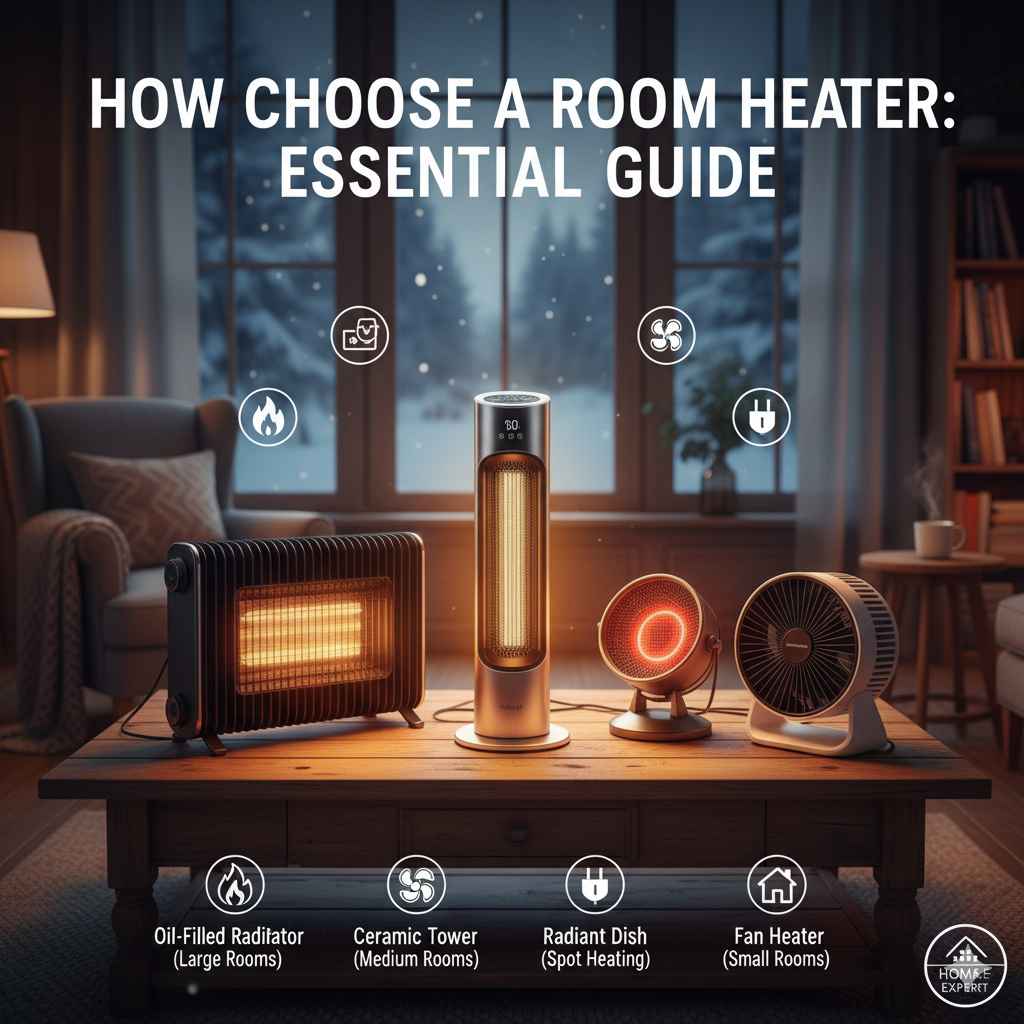
How To Choose Room Heater: Essential Guide
Choosing the right room heater involves understanding your space’s size, your heating needs, and different heater types. Consider energy efficiency, safety features like auto-shutoff, and your budget. This guide simplifies the process, ensuring you find a safe, effective, and cozy heating solution for your home.
Winter’s chill can be tough, leaving you feeling cold and uncomfortable in your own home. Deciding on the best way to stay warm can feel overwhelming, with so many options available. You might wonder, “Which heater is right for my room? Is it safe? Will it cost too much to run?” It’s a common struggle, but don’t worry! This guide is here to make choosing a room heater simple. We’ll walk you through everything you need to know, step-by-step, so you can enjoy a warm and cozy home all season long.
Understanding Your Heating Needs: The First Step to a Cozy Room
Before you even look at a heater, it’s important to think about what you actually need. This isn’t just about getting warm; it’s about getting warm in the most effective, safe, and economical way for your specific situation. Think of it like choosing the right tool for a job – you wouldn’t use a hammer to saw wood, right? The same goes for heating.
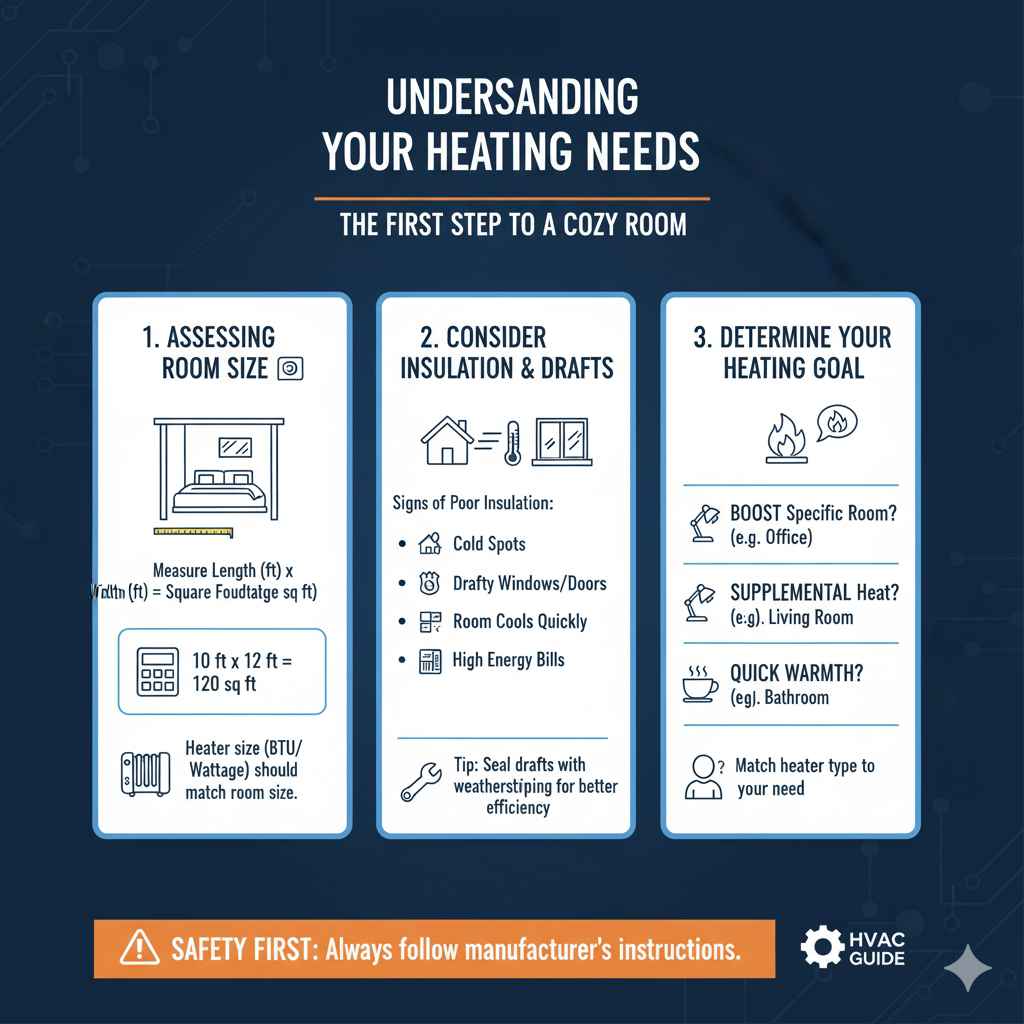
Assessing Your Room Size
The size of the room is perhaps the most crucial factor. A heater that’s too small will struggle to warm the space, leaving you chilly. On the other hand, an oversized heater might overheat the room quickly, wasting energy and making it uncomfortably hot. We usually measure room size in square feet. Here’s a simple way to calculate it:
How to Calculate Room Size:
- Measure the length of your room in feet.
- Measure the width of your room in feet.
- Multiply the length by the width. The result is your room’s square footage.
For example, a room that is 10 feet long and 12 feet wide is 120 square feet (10 x 12 = 120).
Most heater manufacturers provide guidelines for the square footage their products can effectively heat. Always check these recommendations.
Considering Your Insulation and Drafts
How well your home is insulated plays a huge role in how much heat it retains. Older homes, homes with single-pane windows, or those with leaky doors and windows tend to lose heat faster. This means you might need a more powerful heater, or a heater that can maintain a consistent temperature without running constantly.
Signs of poor insulation or drafts:
- Feeling cold spots in the room, even when the heater is on.
- Seeing visible gaps around windows or doors.
- The room cools down very quickly after the heater is turned off.
- Higher energy bills than expected for the amount of heating used.
If you suspect poor insulation, addressing drafts first can make a big difference. Simple solutions like using draft stoppers under doors or weatherstripping around windows can improve efficiency significantly. For more in-depth insulation advice, resources from the U.S. Department of Energy’s Energy Saver guide are very helpful.
Understanding Your Heating Goal
Are you looking to:
- Boost the heating in a specific, often-used room? For example, a home office or a bedroom.
- Provide supplemental heat to a larger area? Perhaps a living room where the main heating system doesn’t quite reach.
- Keep a small space comfortable during mild weather? Like a bathroom or a small den.
- Quickly warm up a cold room? Some heaters are designed for faster heating.
Your goal will influence the type and power of the heater you choose. For instance, a space heater designed for personal comfort at a desk might not be suitable for warming an entire living room.
Exploring Different Types of Room Heaters
Now that you know what you need, let’s look at the common types of room heaters available. Each has its own way of producing heat, its pros, and its cons. Understanding these will help you match a heater to your needs and preferences.
Convection Heaters
Convection heaters warm the air, which then circulates around the room. They are great for heating an entire room evenly and are often quieter than fan-based heaters.
- How they work: They heat a surface, which in turn heats the air. This warm air rises, cools as it circulates, and then sinks back down to be reheated. It creates a continuous cycle.
- Pros: Quiet operation, even heating, good for maintaining a consistent temperature.
- Cons: Can take longer to heat a room initially, may not be the best for quick spot heating.
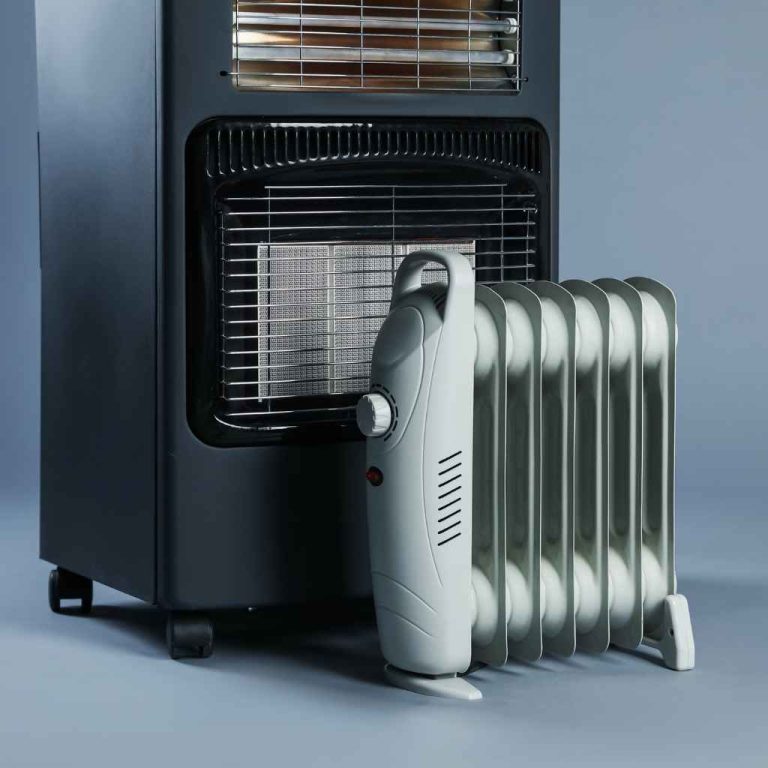
- Examples: Oil-filled radiators, panel heaters.
Radiant Heaters (Infrared Heaters)
Radiant heaters work by emitting infrared radiation, which directly heats objects and people in their path. They are like the sun – you feel their warmth immediately, but they don’t heat the air itself as much.
- How they work: They generate heat through a glowing element or a heated surface and direct it forward in a beam.
- Pros: Quick heating, energy-efficient for spot heating, silent operation.
- Cons: Heat not evenly distributed throughout the room, can be less effective if you move out of the direct beam, may have exposed hot elements.
- Examples: Quartz heaters, ceramic radiant heaters, infrared patio heaters (for larger spaces).
Fan Heaters (Ceramic Heaters)
Fan heaters are very popular because they heat up quickly and are relatively affordable. They use a fan to blow air over a heated ceramic element.
- How they work: An electric current heats a ceramic plate. A fan then pushes air across this hot plate and circulates the warm air into the room.
- Pros: Fast heating, compact and portable, often have multiple heat settings and fan speeds.
- Cons: Can be noisy due to the fan, can dry out the air, may not heat a large room as effectively as other types.
Micathermic Heaters
These heaters combine convection and radiant heat. They use a mica element to produce a gentle, even heat. They are often lightweight and silent.
- How they work: They use mica, a natural mineral, as the heating element. This element radiates gentle heat, while also warming the air around it.
- Pros: Silent, lightweight, don’t dry out the air as much, provide a mix of radiant and convection heat.
- Cons: Can be more expensive upfront than some other types, might not provide the intense heat of some radiant models.
Best Heater Types by Room Use: A Quick Comparison
To help you decide, here’s a table comparing common heater types for different scenarios:
| Heater Type | Best For: | Heating Speed: | Noise Level: | Energy Efficiency (overall): | Good For: |
|---|---|---|---|---|---|
| Convection (Oil-Filled Radiator) | Warming entire rooms evenly, maintaining temperature. | Slow to moderate | Very quiet | Good (especially for sustained heating) | Bedrooms, living rooms, offices. |
| Radiant (Infrared) | Quick, direct warmth on people or objects. | Very fast | Silent | Good for spot heating, less for whole rooms. | Workspaces, bathrooms (brief warmth), areas where you’ll be stationary. |
| Fan (Ceramic) | Quickly heating smaller to medium rooms, portable use. | Fast | Moderate | Moderate (can be less efficient if used constantly) | Bedrooms, small offices, bathrooms (if designed for damp areas). |
| Micathermic | Gentle, quiet warmth for whole rooms, sensitive to dry air. | Moderate | Silent | Good | Bedrooms, living areas, small offices where quiet is key. |
Key Features to Look For in a Room Heater
Beyond the type of heater, several features can significantly impact your experience, especially regarding safety, convenience, and efficiency. Don’t overlook these!
Safety First: Essential Features
When dealing with heat, safety should always be your top priority. Look for these crucial safety features:
- Automatic Shut-off (Tip-Over Protection): This is a lifesaver! If the heater is accidentally knocked over, it will automatically turn off, preventing a potential fire hazard. This is especially important if you have pets or children.
- Overheat Protection: Similar to tip-over protection, this feature detects if internal components are getting too hot and shuts the heater down to prevent damage or fire.
- Cool-Touch Housing: For fan heaters or those with exposed elements, a cool-touch exterior means the casing stays relatively cool, reducing the risk of burns if you accidentally touch it.
- Flame-Resistant Materials: Check that the heater is made from sturdy, flame-resistant plastics and metals.
- Indicator Lights: A clear light showing when the heater is on is a simple but useful safety feature.
For more on home fire safety, the National Fire Protection Association (NFPA) offers excellent safety tips.
Energy Efficiency Matters
Heating can be a significant part of your energy bill. Choosing an energy-efficient heater saves you money and is better for the environment.
- Thermostat Control: A built-in thermostat allows you to set a desired temperature. The heater will cycle on and off to maintain that temperature, avoiding overheating and saving energy.
- Multiple Heat Settings: This feature lets you adjust the heat output. You can use a lower setting when you don’t need maximum warmth, saving energy.
- Timer Function: A timer is fantastic for pre-heating a room before you use it or for automatically shutting off the heater after a set period, preventing wasted energy overnight.
- Energy Star Certification: While less common for small portable heaters, look for this label if available, as it indicates higher energy efficiency.
Convenience and Portability
Think about how and where you’ll use the heater:
- Portability: Do you plan to move the heater from room to room? Look for lightweight models with sturdy handles and smooth-rolling casters.
- Cord Length: Ensure the power cord is long enough to reach an outlet without strain or the need for extension cords (which can be a fire hazard if not used correctly, especially for high-wattage appliances).
- Ease of Use: Simple controls, clear displays, and minimal assembly are always a plus.
- Noise Level: If you’re placing the heater in a bedroom or a quiet workspace, a silent or very quiet model might be essential.
Installation and Usage: Making Your Heater Work for You
Once you’ve chosen your heater, setting it up and using it correctly ensures it runs efficiently and safely. It’s all about a few simple practices.
Setting Up Your New Heater
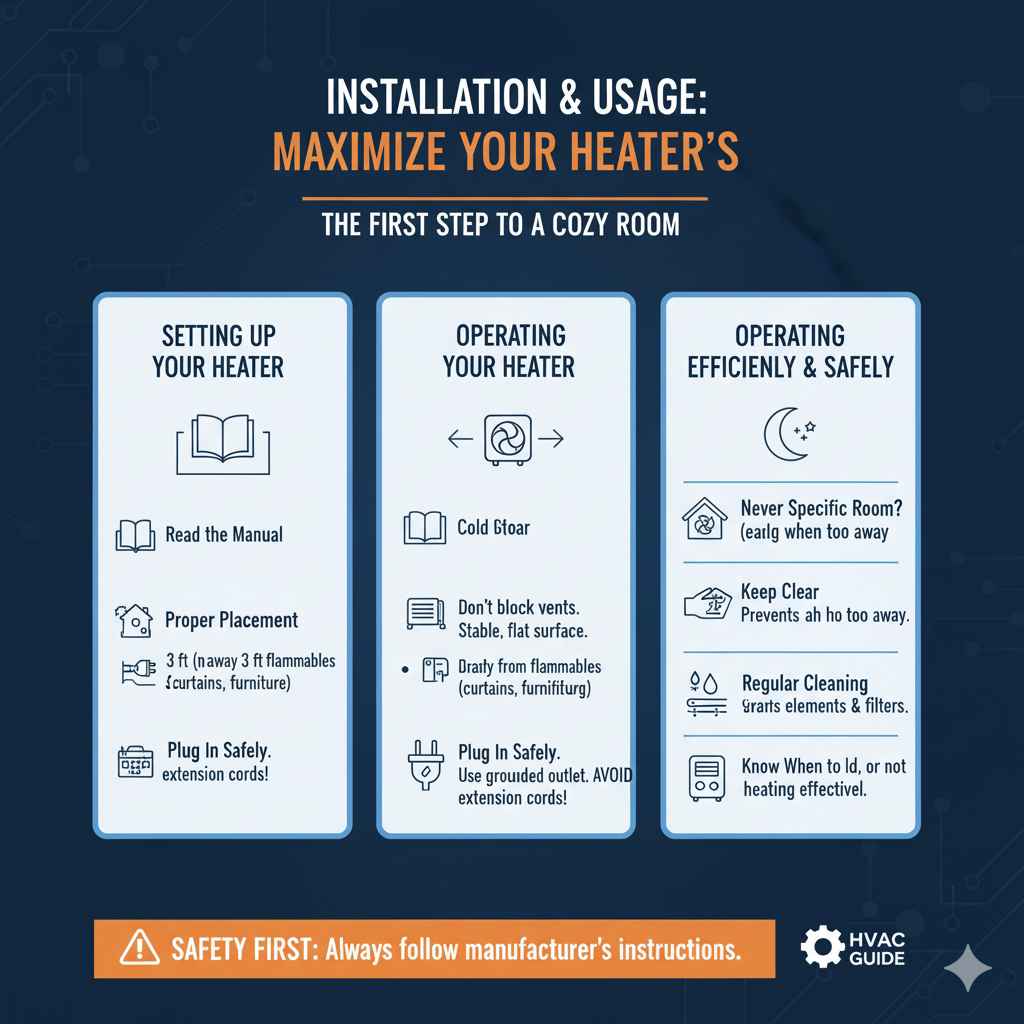
Most portable room heaters require very little setup. Usually, it’s just a matter of:
- Unpacking: Carefully remove the heater from its packaging, checking for any damage that might have occurred during shipping.
- Reading the Manual: This is crucial! Every heater is slightly different. The manual will explain specific safety instructions, basic operation, and maintenance for your model.
- Placement: Choose a stable, flat surface. Make sure there’s adequate clearance around the heater – at least 3 feet (about 1 meter) of space from walls, furniture, curtains, bedding, paper, and any other flammable materials. Never place a heater on top of soft surfaces like beds or sofas, or near curtains.
- Plugging In: Use a grounded electrical outlet (one with three prongs) dedicated to the heater if possible. Avoid using extension cords, as they can overheat and pose a fire risk, especially with high-wattage appliances. If you must use one, ensure it’s a heavy-duty cord designed for the heater’s wattage.
Operating Your Heater Safely and Efficiently
Follow these tips for the best results:
- Never Leave Unattended: Do not leave a portable heater running when you are asleep or when the room is unoccupied, unless the heater is specifically designed for such use and has all the appropriate safety features.
- Keep Children and Pets Away: Even with cool-touch features, heaters can get hot. Maintain a safe distance.
- Do Not Block Vents: Ensure airflow is never obstructed. Blocking the intake or output vents can cause overheating and damage the unit, and is a fire hazard.
- Regular Cleaning: Dust and debris can accumulate on heating elements and filters, reducing efficiency and potentially becoming a fire hazard. Refer to your manual for cleaning instructions – usually, it involves unplugging the heater and gently wiping it down with a dry cloth.
- Monitor Air Quality: Some heaters, especially older models or those with exposed coils, can dry out the air or emit odors. If you notice excessive dryness, consider using a humidifier. If there are strong, unusual smells, unplug the heater and consult the manual or manufacturer.
- Know When to Replace: If a heater is old, shows signs of damage (frayed cord, cracks, strange noises), or is no longer heating effectively, it’s time to replace it.
Understanding wattage and BTU (British Thermal Units) can also help optimize usage. Wattage is the unit of power consumption, while BTU measures heat output. A higher wattage generally means more heat output. For a rough estimate, the U.S. Department of Energy suggests about 10 watts per square foot to heat a well-insulated room. You can find BTU calculators online for more precise estimations.
Frequently Asked Questions (FAQ)
Q1: How much electricity does a room heater use?
A: The amount of electricity a room heater uses depends on its wattage and how long it’s run. Most portable heaters range from 700 to 1500 watts. A 1500-watt heater running for one hour will use 1.5 kilowatt-hours (kWh) of electricity. Your electricity provider charges based on kWh usage, so checking your local rates will give you an idea of the cost.
Q2: What is the safest type of room heater?
A: The safest types of room heaters are those with robust safety features. Look for models with automatic tip-over shut-off, overheat protection, and cool-touch exteriors. Oil-filled radiators and fan heaters with these features are generally considered very safe when used correctly because they don’t have exposed flames or glowing-hot elements that are easily touched.
Q3: Can I use a room heater in a bathroom?
A: Only use a heater specifically designed and rated for use in damp or wet environments. Standard room heaters pose a significant electrical shock hazard in bathrooms. Look for heaters with an IP rating (Ingress Protection) that indicates suitability for such areas, and always ensure proper ventilation and grounding.
Q4: How do I know if my room heater is energy efficient?
A: Look for adjustable thermostats and multiple heat settings, which allow you to control the heat output and avoid overheating. Timers are also great for energy saving. While not all portable heaters have an Energy Star rating, models with good insulation, efficient heating elements (like ceramic or mica), and precise thermostats tend to be more efficient.
Q5: Should I use an extension cord with my room heater?
A: It’s strongly recommended to plug room heaters directly into a wall outlet. Extension cords, especially older or undersized ones, can overheat and cause fires. If you absolutely must use one, ensure it’s a heavy-duty cord rated for the specific wattage of your heater and is in good condition.
Q6: How close can I place a heater to furniture or curtains?
A: Always maintain a safe distance of at least 3 feet (about 1 meter) from any flammable materials, including furniture, curtains, bedding, paper, and rugs. This is crucial to prevent fires. Always place the heater on a stable, level surface away from walkways.