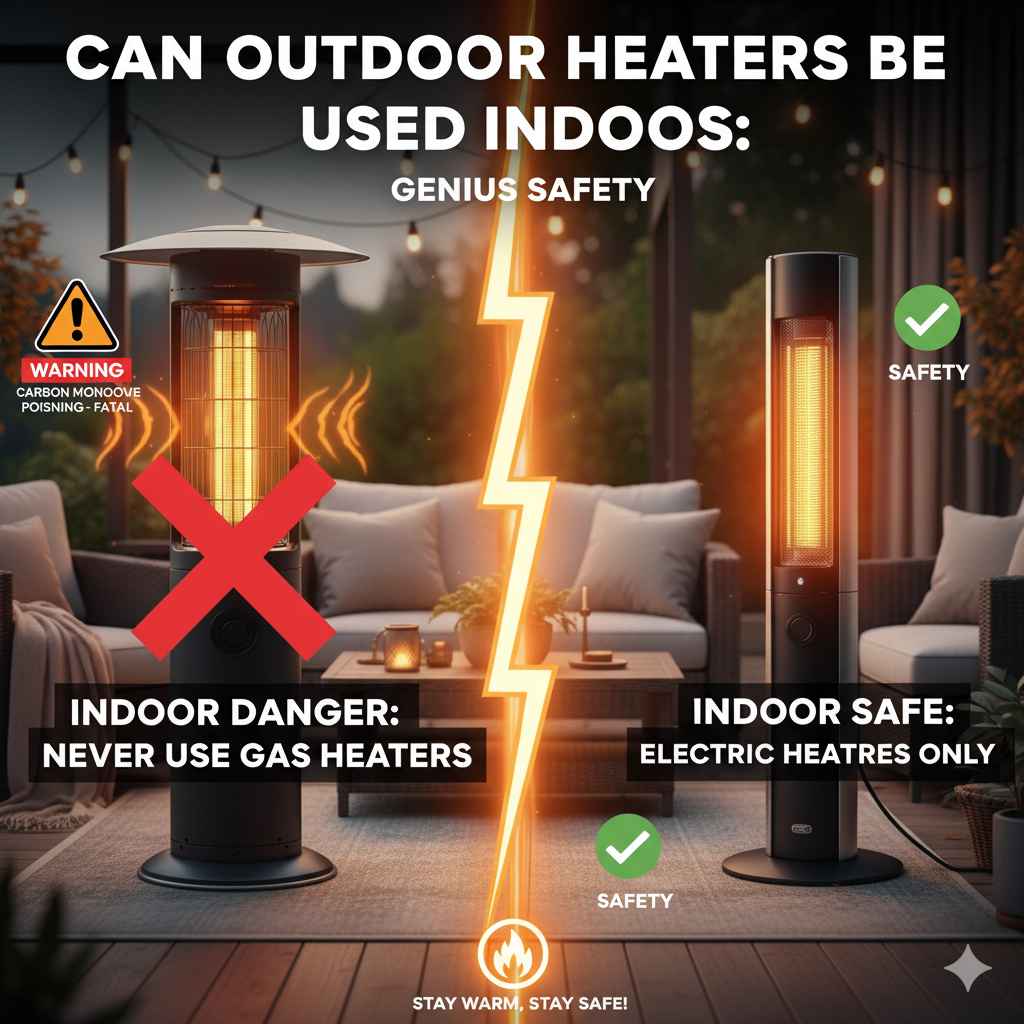
Can Outdoor Heaters Be Used Indoors in a Garage?
Absolutely not. Outdoor heaters are designed for open spaces and can be extremely dangerous if used inside. They release harmful fumes like carbon monoxide and are a major fire risk in enclosed areas. This guide will explain why and what safe indoor heating alternatives you have.
For the safety side of this topic, Can You Use Patio Heaters in a Garage: Safety Tips gives readers a practical next check before using a heater.
For the safety side of this topic, Can Patio Heaters Be Used under a Tent: Safe Solutions gives readers a practical next check before using a heater.
For the safety side of this topic, Are Pool Heaters Safe: Safety gives readers a practical next check before using a heater.
Ever looked at your patio heater and thought, “Could this warm up my garage or sunroom when it’s chilly?” It’s a natural thought, especially when you want to extend the cozy feeling of your outdoor seating into other parts of your home. But bringing your trusty outdoor heater inside isn’t just a bad idea; it can be actively dangerous. Many homeowners wonder about this, and it’s wise to seek clear answers before something goes wrong. We’re here to break down exactly why this isn’t a safe option and what you should do instead to keep your home warm and your family safe.
Why Outdoor Heaters Belong Outdoors: The Critical Safety Facts
Outdoor heaters, whether they’re propane patio heaters, electric-powered models, or even some fancy gas-burning fire pits, are engineered with one thing in mind: ventilation. They operate on principles that work perfectly when there’s plenty of fresh air circulating. When you try to use them in a place without that airflow, like inside your house, garage, or enclosed porch, you create a recipe for disaster. Let’s look at the main reasons why this move is a hard ‘no’.
1. The Danger of Carbon Monoxide (CO) Poisoning
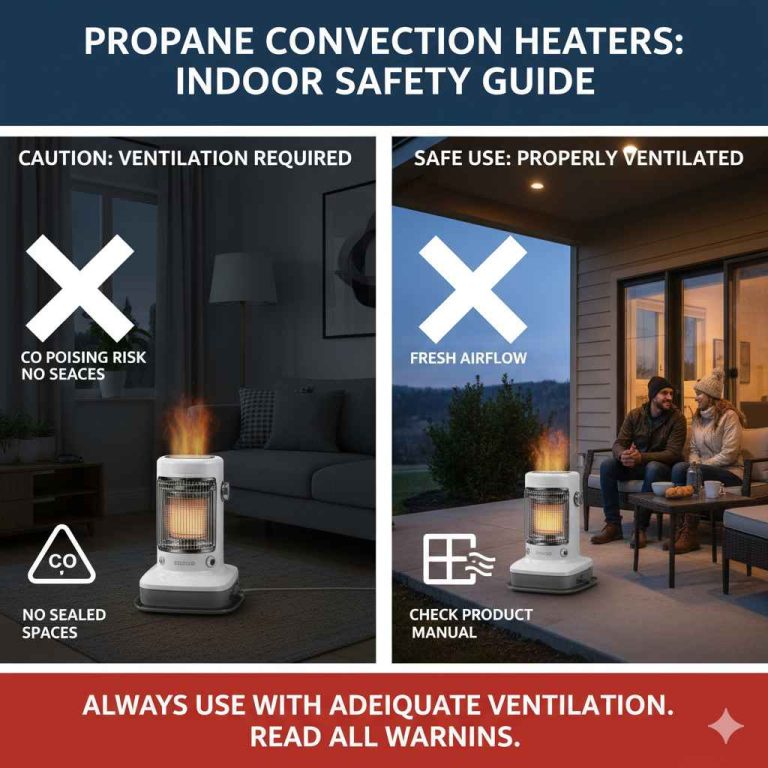
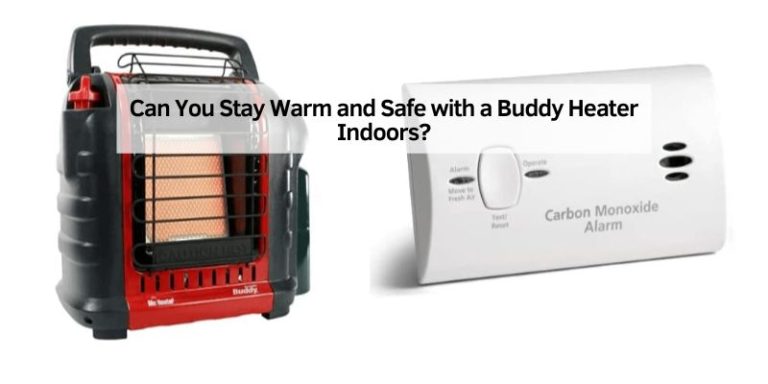
This is the biggest and most immediate threat. Many outdoor heaters, especially propane and natural gas models, produce carbon monoxide (CO) as a byproduct of combustion. CO is an invisible, odorless gas that can cause severe illness, unconsciousness, and even death. In an outdoor setting, the ample ventilation dissipates CO quickly and harmlessly. Indoors, however, CO can build up to deadly levels very rapidly. There is no safe amount of carbon monoxide in an enclosed living space.
According to the Consumer Product Safety Commission (CPSC), portable generators, propane heaters, and other fuel-burning devices are common sources of CO poisoning. They strongly advise never to use these indoors. Think of it this way: any appliance that burns fuel needs to release its exhaust somewhere. Outdoors, that somewhere is the open air.
2. Fire Hazards and Overheating Risks
Outdoor heaters are designed to broadcast heat over a wide area, often with exposed heating elements or open flames. They tend to operate at very high temperatures. Indoors, this poses a significant fire risk. Most homes have materials that are flammable – furniture, curtains, carpets, wooden structures, and more. An outdoor heater placed too close to these materials can easily ignite them, leading to a house fire.
Outdoor units also often lack the safety features found in indoor heaters, such as tip-over shut-off switches (though some newer models might have these, it’s not a guarantee nor a substitute for proper ventilation) or enclosed heating elements designed to prevent accidental contact with flammable surfaces. The intense, directional heat can also cause damage to walls, ceilings, and floors if used improperly indoors.
3. Inefficient and Potentially Damaging Operation
Even if you try to mitigate the immediate safety risks, using an outdoor heater indoors is often inefficient. They are built to combat cooler outdoor air and may overheat a small indoor space very quickly, making it uncomfortably hot. More importantly, their operating mechanisms might not be suited for the static, enclosed environment. For example, some gas heaters might not have proper safety cut-offs for indoor air quality or pressure changes that can occur inside.
Moreover, the materials used in outdoor heaters might not withstand the prolonged use in confined spaces where dust and other indoor particles could interfere with their operation or lead to premature wear and tear. Manufacturers explicitly state their intended use for a reason, and ignoring these guidelines can void warranties and, more importantly, jeopardize your safety.
Understanding Different Outdoor Heater Types and Their Indoor Dangers
Let’s quickly touch on the common types of outdoor heaters to reinforce why they are not suited for indoor use. It’s important to know what you’re dealing with.
Propane Patio Heaters
These are ubiquitous on patios and decks. They require a 20-pound (or larger) propane tank. As mentioned, the primary danger is the combustion of propane, which produces carbon monoxide and other combustion gases. The open flame or exposed heating element also presents a severe fire and burn hazard indoors. You wouldn’t bring a portable camping stove inside for extended heating, and a propane patio heater is a much larger version of the same principle.
Natural Gas Heaters
Similar to propane heaters but connected to a natural gas line. These also produce carbon monoxide and other combustion byproducts. While they don’t have a portable tank, the fundamental issue of exhaust gases in an enclosed space remains the same. Proper ventilation and exhaust routing are essential and typically only achievable in outdoor or specifically designed commercial installations.
Electric Patio Heaters
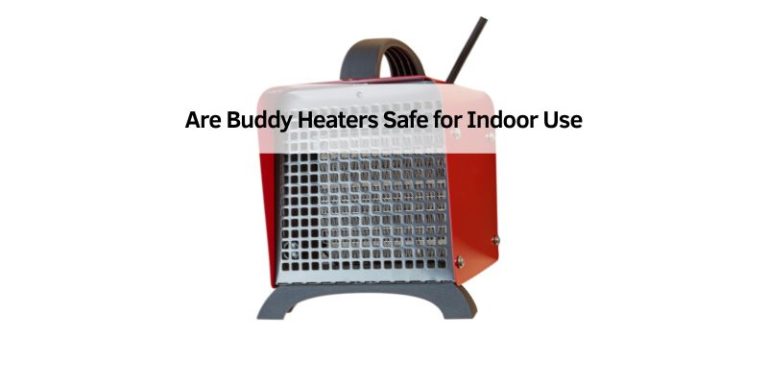
These heaters use electricity to generate heat, often via infrared elements or fan-forced mechanisms. While they don’t produce carbon monoxide from combustion, they still present significant fire risks when used indoors. Their powerful heating elements can reach very high temperatures, and they are typically designed to be placed at a safe distance from people and objects. Indoor use can lead to igniting nearby flammable materials. Electrical safety standards for indoor heaters are different, and outdoor models might lack the necessary certifications or safety features for reliable indoor operation.
Infrared or Radiant Heaters (Outdoor Use)
These specifically direct heat in a beam, like sunshine. While some specialized indoor radiant heaters exist, those designed for outdoor use are usually more robust, sometimes with exposed elements and designed for wide heat dispersal in open air. Indoor use carries the same fire hazard risks as electric patio heaters. The intense, focused heat can be problematic in a confined space.
Safety First: When in Doubt, Go for Indoor-Rated Heaters
The absolute best approach is to use heating appliances for their intended purpose. If you need to heat an indoor space, there is a whole range of heaters specifically designed for that environment. These heaters meet stringent safety standards for indoor use and are engineered to provide heat efficiently and safely within your home.
Here’s what to look for:
- Certifications: Look for safety certifications like UL (Underwriters Laboratories) or ETL (Intertek) listed. These indicate the product has met rigorous third-party safety standards for indoor use.
- Indoor Design: Indoor heaters often have enclosed heating elements, safety tip-over switches, overheat protection, and thermostats to maintain a consistent, safe temperature.
- Ventilation Requirements: While most electric indoor heaters don’t require ventilation, any fuel-burning indoor heater (like a gas fireplace or specific types of propane heaters certified for indoor use) will have very strict installation and ventilation requirements.
Safe Indoor Heating Solutions
So, if you can’t bring your patio heater inside, what are your options? Thankfully, there are many safe and effective ways to warm up indoor spaces. Here are some popular and reliable choices:
1. Electric Space Heaters
These are incredibly popular for a reason. They are versatile, portable, and generally safe when used correctly. They come in various types:
- Ceramic Heaters: Often fan-forced, these heat up quickly and are good for small to medium rooms. They typically have safety features like tip-over protection and overheat shut-off.
- Infrared or Radiant Heaters: These heat objects and people directly, much like the sun. They are silent and don’t blow air, making them good for nurseries or quiet spaces. Again, ensure they have indoor safety features.
- Oil-Filled Radiators: These heat oil within a sealed unit, which then radiates heat. They provide a steady, gentle warmth and are usually very quiet. They take longer to heat up but offer consistent comfort.
- Convection Heaters: These heat the air in a room, providing even and quiet warmth.
Key Indoor Safety Tips for Electric Space Heaters:
- Always place them on a level, hard, non-flammable surface.
- Keep them at least 3 feet away from anything flammable (curtains, furniture, bedding, paper).
- Never leave them unattended, especially when sleeping.
- Ensure the cord is not frayed or damaged and is not placed where it can be tripped over.
- Do not use an extension cord if possible, or if you must, ensure it’s rated for the heater’s wattage.
- Unplug when not in use or when cleaning.
2. Electric Fireplaces
These offer the ambiance of a fireplace without the safety hazards of real flames or the need for a chimney. They produce heat and create a cozy, inviting atmosphere. Many are designed as standalone units that can be easily placed in a room.
3. Central Heating Systems
Your home’s main heating system (furnace, boiler, heat pump) is designed to heat your entire home safely and efficiently. If you find you’re relying heavily on space heaters, it might be worth checking if your central heating needs maintenance or adjustments. For tips on maintaining your home’s primary heating system, resources from the U.S. Department of Energy (DOE) are invaluable for energy efficiency and performance.
4. Wood-Burning Stoves (with proper installation)
While a more involved option, certified wood-burning stoves, when installed by a professional according to strict building codes, can be a safe and effective way to heat an indoor space. However, these require considerable attention to safety, chimney maintenance, and fuel storage.
Comparing Indoor vs. Outdoor Heaters: A Quick Look
To really drive home the difference, let’s visualize it. Here’s a table highlighting key distinctions:
| Feature | Outdoor Heaters | Indoor Heaters (Specifically Designed) |
|---|---|---|
| Primary Purpose | Extend outdoor living space warmth, dissipate heat into open air. | Heat enclosed indoor spaces safely and efficiently. |
| Ventilation Needs | Require significant open-air ventilation to disperse CO and combustion byproducts. | Electric models typically do not require ventilation. Fuel-burning indoor models have specific ventilation requirements. |
| Carbon Monoxide (CO) Risk | High risk of CO buildup if used indoors, as combustion gases cannot escape. | Zero CO risk from electric models. Controlled CO production with strict venting for certified indoor fuel-burning units. |
| Fire Hazard Design | Often have exposed heating elements or open flames; designed for distance from surroundings. Risk of igniting indoor fabrics and materials is high. | Enclosed heating elements, safety guards, tip-over switches, and overheat protection are standard to minimize fire risk. |
| Safety Certifications | Often lack indoor safety certifications; use is explicitly prohibited indoors by manufacturers. | Must carry indoor safety certifications (e.g., UL, ETL listed) from recognized testing laboratories. |
| Environmental Operation | Designed to operate in varied weather conditions, often with less precise temperature control. | Designed for controlled indoor environments, with thermostats for efficient and consistent temperature regulation. |
Step-by-Step: Assessing Your Indoor Heating Needs Safely
If you’re looking to add warmth to an indoor area, follow these steps to ensure you choose and use a heater safely:
- Identify the Space: What room are you trying to heat? Is it a small office, a large living room, a basement, or a garage that you’re converting for occasional use? The size of the space will dictate the power and type of heater you need.
- Determine Your Heating Goal: Do you need quick, supplemental heat for a short period, or consistent warmth over many hours? This will influence whether you choose a fast-acting ceramic heater or a slow-and-steady oil-filled radiator.
- Assess Power Source and Safety Features: For most supplementary heating, electric heaters are the safest and most convenient indoor option. Prioritize models with:
- Overheat Protection: Shuts the heater off if it gets too hot.
- Tip-Over Switch: Shuts the heater off if it’s knocked over.
- Thermostat: Allows you to set and maintain a desired temperature, preventing overheating and saving energy.
- Cool-Touch Exterior: For models with exposed elements, a cool-touch housing is a good safety feature, especially if children or pets are around.
- Check Electrical Requirements: Ensure your home’s electrical outlets and circuits can handle the heater’s wattage. A powerful heater might overload a circuit designed for lighter loads. It’s best to plug space heaters directly into wall outlets, avoiding extension cords if possible. If an extension cord is necessary, use one that is heavy-duty and rated for the heater’s amperage. Consulting a qualified electrician can help if you have concerns about your home’s wiring. For guidance on electrical safety, the National Fire Protection Association (NFPA) offers excellent resources on home electrical safety.
- Read the Manual Thoroughly: Once you’ve purchased an indoor-rated heater, read its instruction manual cover-to-cover. It will contain specific safety warnings, operating instructions, and maintenance tips tailored to that particular model.
- Placement is Key:
- Always place the heater on a stable, level surface.
- Maintain at least 3 feet of clear space around the heater – no curtains, furniture, paper, pets, or people too close.
- Never block air vents or the heater’s output.
- Avoid placing heaters in high-traffic areas where they could be easily bumped.
- Supervise Operation: Never leave a portable heater running unattended, especially while you are sleeping or if you are leaving the room for an extended period.
Frequently Asked Questions (FAQs) about Outdoor Heaters and Indoor Safety
Can I use a propane patio heater on my covered porch?
No, even a covered porch is generally not considered adequate ventilation for a propane patio heater. Propane heaters produce carbon monoxide. If the porch is fully enclosed, the dangerous gas can build up. If it’s only partially covered, wind conditions can be unpredictable, and the heater may still not have consistent, safe airflow. Always use these heaters in wide-open outdoor spaces.
What are the risks of using an electric patio heater indoors?
While electric patio heaters don’t produce carbon monoxide, they still pose a significant fire risk if used indoors. They are often very powerful and designed to radiate heat over a large outdoor area. In an enclosed space, they can easily overheat nearby flammable materials like furniture, curtains, or carpets, potentially leading to a fire. They may also lack the specific safety certifications required for indoor use.
How can I tell if a heater is safe for indoor use?
Look for safety certifications from reputable organizations like UL (Underwriters Laboratories) or ETL (Intertek) listed on the product’s packaging or the heater itself. The manual will also clearly state if it’s designed for indoor use. Heaters specifically designed for indoor use will typically have features like enclosed heating elements, tip-over shut-off, and overheat protection.
My garage has an exhaust fan. Can I use an outdoor heater there?
It’s still not advisable. While an exhaust fan might move air, it’s not the same as the constant, ample, natural ventilation required for fuel-burning heaters. Carbon monoxide can still build up to dangerous levels, especially if the fan isn’t running at full capacity or if there are dead spots in the airflow. For safety, garages should only heated with appliances explicitly rated for garage use (e.g., specific electric garage heaters).
Are indoor-rated propane heaters a thing?
Yes, there are specific types of propane heaters that are certified for indoor use, such as some portable propane heaters designed for RVs or home backup heating, and certain gas wall furnaces or fireplaces. However, these have very specific installation, ventilation, and safety requirements that must be strictly followed. They are not the same as outdoor patio heaters and come with their own set of instructions and warnings.