Can You Use A Garage Heater Indoors? What You Must Know
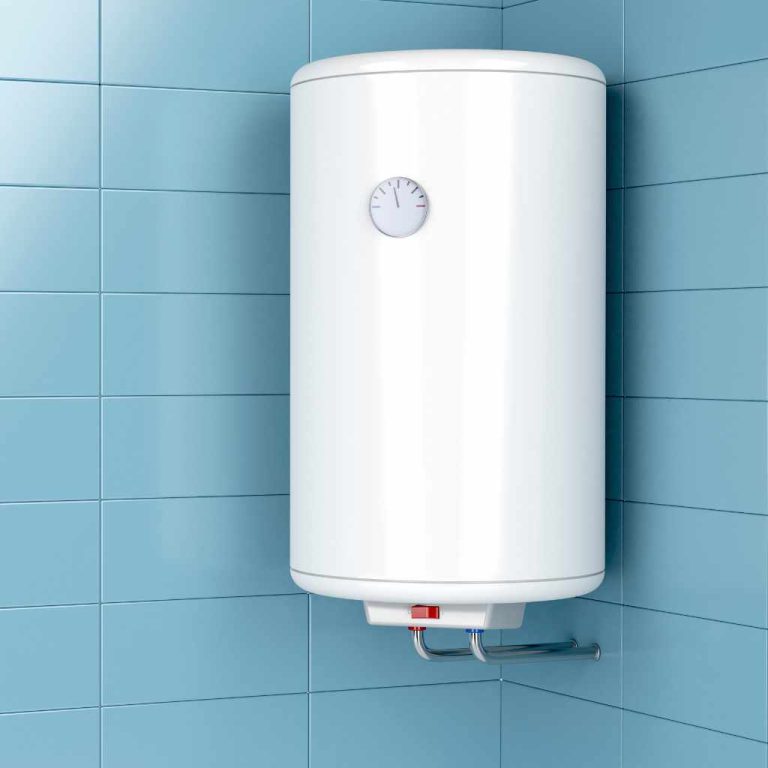
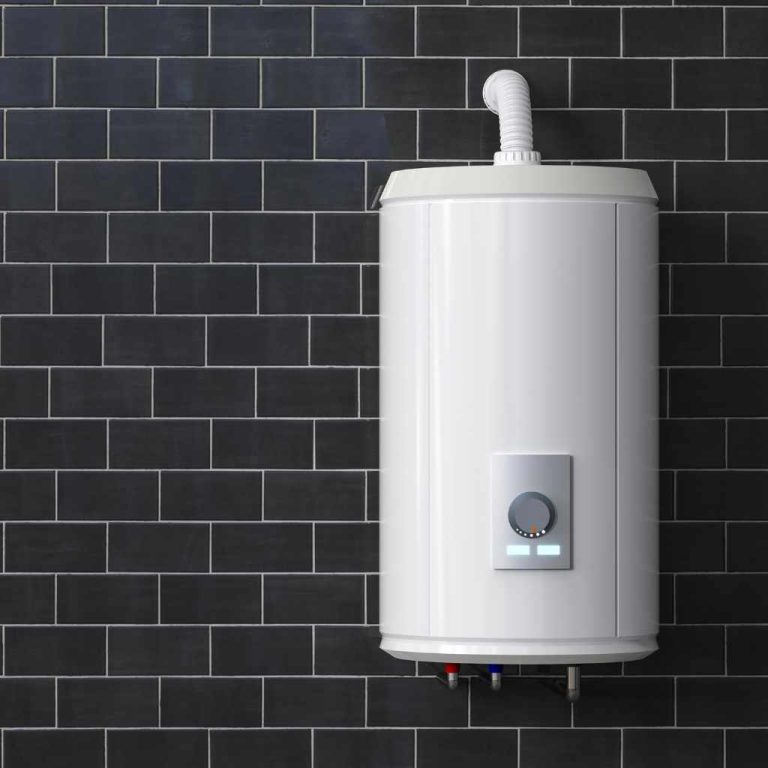
Using a garage heater indoors is generally not advised due to safety concerns. These heaters are often designed for well-ventilated areas and can release harmful fumes, like carbon monoxide, in enclosed indoor spaces. Proper ventilation is key for any heating appliance.
Understanding Garage Heaters and Indoor Air
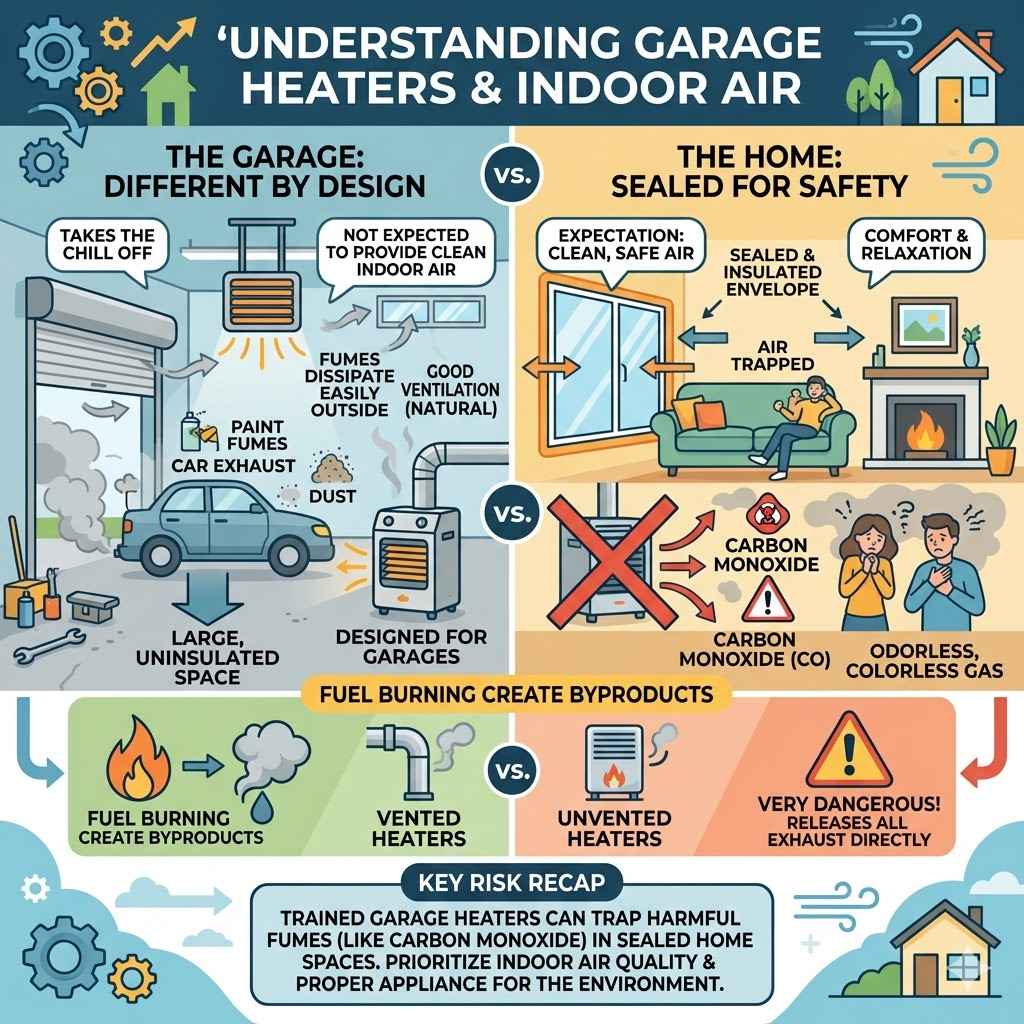
Garage heaters are built for a specific job. Their main purpose is to take the chill off a large, often uninsulated space like a garage or a workshop. This is very different from the way we heat our main living areas. Inside our homes, we expect clean air. Garages, however, can have other things floating around. Think about car exhaust, paint fumes, or even dust.
These heaters often work by burning fuel. This burning process creates byproducts. One of the most dangerous is carbon monoxide. It’s an odorless, colorless gas. In a large, airy garage, these fumes can escape easily. They dissipate into the outside air. But bringing that same heater into a sealed-off room inside your house changes everything. Your home is designed to keep air in. This traps the fumes.
The design of garage heaters is also different. Many are vented heaters. This means they have a pipe that sends exhaust gases outside. Some are unvented. Unvented heaters are even more dangerous for indoor use. They release all their exhaust directly into the space. This is fine in a garage that has doors and windows open. It is very bad news inside a bedroom or living room.
We use our homes to relax and breathe easy. Introducing a heating appliance that isn’t designed for that environment can create serious risks. It’s not just about warmth. It’s about the quality of the air you and your family breathe. We need to think about what makes a heater safe for each specific area of our property.
My Own Close Call with a Space Heater
I remember one winter, I was working late in my attached garage. I had a small, portable heater I’d bought specifically for that space. It was one of those electric ones that blew warm air. The garage wasn’t heated at all, and it was brutal outside. I’d left the garage door open a crack, just a little, for some air.
I was completely absorbed in a project. Suddenly, I started feeling… off. My head felt fuzzy. I felt a bit lightheaded. I shook it off at first, thinking I was just tired. Then I noticed my cat, who sometimes wandered into the garage, acting strangely. She seemed sluggish and a bit dazed. That’s when a cold dread washed over me.
I remembered reading about carbon monoxide. I quickly shut off the heater and went inside. I opened up all the doors and windows in the garage, even though it was freezing. I felt much better after a few minutes. The cat seemed to perk up too. It was a stark reminder. Even a small crack in the door wasn’t enough. The heater was designed for a garage, but even then, I needed better ventilation. I learned that day that “space heater” doesn’t mean “safe for any small space.”
Understanding Different Types of Garage Heaters
There are a few main kinds of heaters you might see advertised for garages. Each has different safety features. And importantly, different risks if used outside their intended spot.
Common Garage Heater Types
- Electric Garage Heaters: These are often the safest bet for indoor use if they are rated for it. They don’t burn fuel. They just use electricity to make heat. But, they can use a lot of power.
- Propane/Natural Gas Heaters (Vented): These burn fuel. They have a special pipe (a vent) that carries exhaust gases outside. If the vent is properly installed and sealed, they can be safe. But if the vent fails or is loose, dangerous fumes can get into the air.
- Propane/Natural Gas Heaters (Unvented): These are the riskiest. They release all exhaust directly into the room. They are only safe in very large, very well-ventilated spaces. Garages can sometimes fit this, but a regular room in your house usually does not.
- Infrared Heaters: These heat objects directly, not just the air. Some are designed for garages. They often produce radiant heat. Like other fuel-burning heaters, they can produce fumes.
Why Indoor Use of Garage Heaters is Risky
The biggest danger comes down to air quality. Your home’s heating system is usually designed to bring in fresh air, recirculate it, and filter it. It’s a closed loop, for the most part. Garage heaters, especially fuel-burning ones, disrupt this.
Carbon Monoxide Poisoning
This is the silent killer. When fuels like propane or natural gas burn, they can produce carbon monoxide (CO). If there’s not enough oxygen, or if the heater isn’t working perfectly, the CO levels can rise.
In a garage, you might have the main door open, or even a side door. This allows the CO to escape outside. In an indoor room, the doors and windows are usually shut tight. This traps the CO. It builds up to dangerous levels quickly. Symptoms can be flu-like: headache, dizziness, nausea. At higher levels, it causes confusion, loss of consciousness, and can be deadly.
Oxygen Depletion
Fuel-burning heaters use oxygen from the air to work. In a small, sealed room, they can use up the available oxygen. This can make breathing difficult. It’s another way that air quality is compromised.
Fire Hazards
Many garage heaters are powerful. They get very hot. They might be designed to sit on concrete floors. They may not have the same safety features as indoor heaters. These include tip-over shut-offs or guards to keep flammable materials away. Placing a heater not designed for indoor use near curtains, furniture, or bedding is a serious fire risk.
The Difference Between Garage and Home Heating
Think about how your home’s furnace works. It’s usually in a basement or utility closet. It has a flue that goes up through the roof to vent. It’s designed to be in a controlled environment. It’s checked regularly by professionals.
Garage heaters are often simpler. They might sit on the floor. They might have a small vent that goes through a wall. They are not usually inspected as often. They are exposed to more dust, oil, and other things that can affect their performance and safety.
Ventilation is Key
The core difference is ventilation. Your home’s heating system is part of a balanced ventilation system. Garage heaters, especially unvented ones, assume a lot of air exchange. They assume the fumes won’t stay concentrated.
When you bring a garage heater indoors, you are taking something designed for an open or semi-open space and putting it into a closed one. It’s like trying to use a campfire stove in your living room. The fuel source and the exhaust are the main problems.
Can Electric Garage Heaters Be Used Indoors?
This is where it gets a little more nuanced. Electric heaters don’t burn fuel. This means they don’t produce carbon monoxide. This is a huge safety advantage.
However, not all electric garage heaters are built to the same standards as indoor electric heaters. Some might be designed for damp environments. Some might have exposed heating elements that could be a fire risk if placed too close to flammable items.
Always check the heater’s label and manual. If it explicitly says it is safe for indoor use in living spaces, then it likely is. But if it’s marketed only for garages, workshops, or basements, proceed with caution. Even electric ones can be fire hazards if misused. They can also draw a lot of power, which might overload your home’s circuits if not used carefully.
What the Experts Say
Appliance manufacturers and safety organizations are very clear on this. They stress that heating appliances should only be used as directed.
The U.S. Consumer Product Safety Commission (CPSC) often warns about the dangers of using unvented fuel-burning heaters indoors. They highlight the risk of carbon monoxide poisoning. They advise that any fuel-burning appliance used indoors must be properly vented to the outside.
For garage heaters, the advice is consistent: if it’s designed for a garage, use it in a garage. If you need to heat an indoor space, use a heater specifically designed and approved for that purpose. It’s about matching the appliance to the environment.
Signs Your Garage Heater is Unsafe Indoors
Beyond the risk of CO, there are other things to watch for if you are tempted to use a garage heater inside.
Warning Signs of Unsafe Indoor Use
- Smell of Gas or Burning Fuel: If you smell anything other than clean, warm air, turn it off immediately. This indicates incomplete combustion or a leak.
- Soot or Black Marks: Check the heater itself and the wall behind it. Soot or black marks mean it is burning something it shouldn’t be, or venting improperly.
- Headaches or Nausea: If people or pets in the room start feeling sick, and you have a fuel-burning heater on, it could be carbon monoxide.
- Lack of Fresh Air Feel: Even if you don’t smell anything, if the air feels “stale” or heavy, it might be a sign that oxygen is being used up or fumes are accumulating.
- Manufacturer Warnings: If the manual or label states “For Use in Unoccupied Areas Only” or “For Garage Use Only,” do not use it in a living space.
Real-World Scenarios: When Not to Even Think About It
Let’s paint a clearer picture. Imagine you have a drafty sunroom that you want to make cozier in the fall. It’s attached to your house, and you use it for reading.
If you have a propane garage heater, bringing it into that sunroom is a bad idea. Even if you open the doors to the house a bit, the fumes can still seep in. You might not notice them at first.
Or, consider a finished basement. Basements are often more enclosed than garages. They might have fewer natural ventilation points. Using a garage heater down there, especially an unvented one, is a recipe for trouble.
The key is always intended use. If the heater’s manual says it’s for garages, workshops, or unfinished basements, that’s its zone. Your living room, bedroom, or even a finished basement area usually requires a different type of heater.
What This Means for Your Home Comfort and Safety
The goal is to be warm and safe. Trying to use a garage heater indoors can compromise both.
When it’s Probably Okay (with caveats)
Electric Garage Heater: If it’s an electric heater and the manual explicitly states it’s safe for indoor residential use, and it has all the standard safety features of an indoor heater (like tip-over shutoff, overheat protection), it might be usable. But always double-check the power draw.
Vented Fuel Heater with Perfect Installation: If you have a vented propane or gas heater that was professionally installed with a direct, sealed vent to the outside, and you have a CO detector, the risk is lower. However, even then, regular checks of the vent are critical.
When to Absolutely Avoid It
Any Unvented Fuel-Burning Heater: Period. These should never be used in enclosed living spaces.
Heaters Lacking Indoor Safety Features: If the heater doesn’t have features like automatic shut-off if tipped, or if the heating elements are exposed, it’s not suitable for a typical indoor room.
When You Don’t Have a CO Detector: If you are even considering using a fuel-burning heater indoors, a working carbon monoxide detector is non-negotiable. But even with one, it’s still best to use the right heater for the right space.
Simple Checks You Can Do
Always read the manual. It’s the first place to look. If it’s vague or only mentions garages, assume it’s not for indoor use. Look for safety certifications like UL or ETL. These mean the product has been tested for safety. Check the cord and plug. Make sure they are in good condition. For fuel-burning heaters, inspect the vent connection carefully.
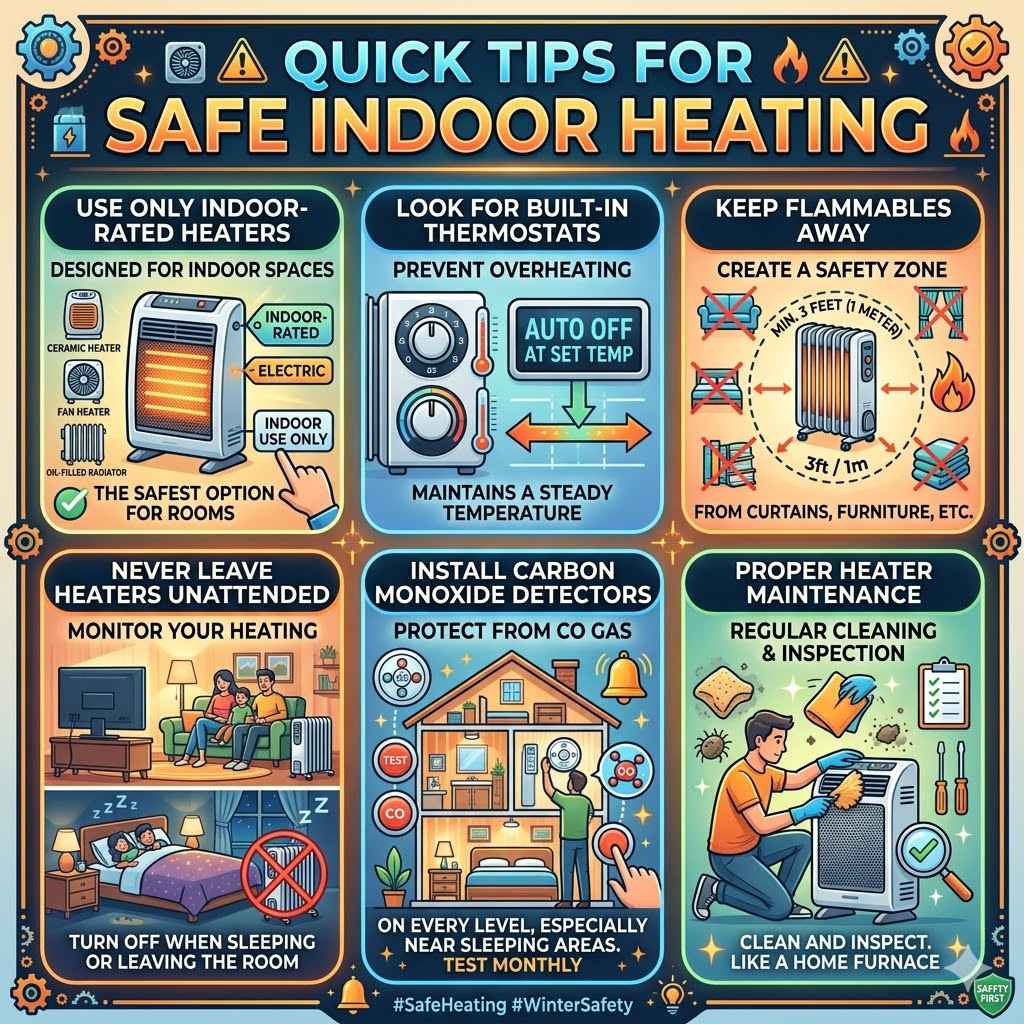
Quick Tips for Safe Indoor Heating
If you need to heat an indoor space, focus on heaters designed for that.
Look for Indoor-Rated Electric Heaters: These are widely available and come in many styles (ceramic, fan, oil-filled). They are generally the safest option for indoor rooms.
Use a Thermostat: Many indoor heaters have built-in thermostats. This helps maintain a steady temperature and prevents overheating.
Keep Flammables Away: Always place heaters at least three feet away from curtains, furniture, bedding, or anything that can catch fire.
Never Leave Unattended: Don’t run any heater when you are sleeping or when the room is unoccupied, especially if it’s a fuel-burning type.
Install CO Detectors: Have working CO detectors on every level of your home, especially near sleeping areas. Test them monthly.
Proper Maintenance: Just like your home furnace, portable heaters need occasional cleaning and inspection.
Frequently Asked Questions
Can I use my propane garage heater in my basement?
It is generally not safe to use a propane garage heater in a basement unless it is specifically designed and vented for indoor use. Most garage heaters, especially unvented models, produce carbon monoxide and other dangerous fumes that can build up in enclosed basement spaces, leading to serious health risks or even death.
What are the risks of using an unvented heater indoors?
Unvented heaters release all their exhaust gases, including carbon monoxide, directly into the room. In an indoor living space where windows and doors are typically closed, these dangerous gases can accumulate to toxic levels, posing a severe risk of carbon monoxide poisoning. They can also deplete oxygen in the room.
How can I tell if a heater is safe for indoor use?
Always check the heater’s user manual and the manufacturer’s label. If it explicitly states “For Indoor Residential Use” or similar language, and is approved by a recognized safety organization like UL or ETL, it is likely safe. If it only mentions garages, workshops, or outdoor use, do not use it indoors.
Is it okay to use an electric garage heater in my house?
Electric garage heaters are generally safer for indoor use than fuel-burning ones because they don’t produce carbon monoxide. However, you should still check the manual to ensure it’s rated for indoor residential use. Some might be designed for industrial settings or may have safety features not suitable for homes.
What is carbon monoxide and why is it dangerous?
Carbon monoxide (CO) is an odorless, colorless gas produced by the incomplete burning of fuels like propane, natural gas, or oil. It’s dangerous because it prevents your blood from carrying oxygen. Low levels can cause flu-like symptoms, while high levels can lead to unconsciousness and death.
My garage heater smells funny, what should I do?
If your garage heater, or any heater, smells like gas or burning fuel, turn it off immediately. If it’s a fuel-burning heater, open all doors and windows to ventilate the area thoroughly. Do not use the heater again until it has been inspected by a qualified professional.
If you suspect a gas leak, leave the area and call your gas company or 911.
Bringing It All Together: Warmth and Safety First
Heating your garage or other spaces can be useful. But doing it safely means using the right tool for the job. A heater designed for a large, open garage is not meant for the controlled environment of your home. The risks of carbon monoxide, fire, and poor air quality are simply too high. Stick to heaters made for indoor living spaces when you want to warm up your house. Your family’s health and safety are worth the small extra effort to get the correct equipment.