Ceramic Heater vs. Infrared Quartz: Which Is Right for You?
Hey there! If you’re like me, winter’s chill has probably got you thinking about the best way to keep your home warm and cozy without breaking the bank. I’ve spent countless hours researching and testing heaters to figure out which ones deliver the best bang for your buck. Today, I’m diving deep into the world of ceramic heaters versus infrared quartz heaters. Both are fantastic options, but they work in totally different ways. By the end of this article, you’ll know exactly which one suits your needs, whether you’re warming up a small bedroom or a drafty living room. Let’s get started and break down everything you need to know in a way that’s easy to understand, so you can make a smart choice for your home.
For portable-heater comparisons, Infrared vs Quartz Heaters: Essential Guide gives readers another helpful angle before buying or using one.
For portable-heater comparisons, PTC vs Infrared Heaters: Which is gives readers another helpful angle before buying or using one.
What Are Ceramic Heaters?
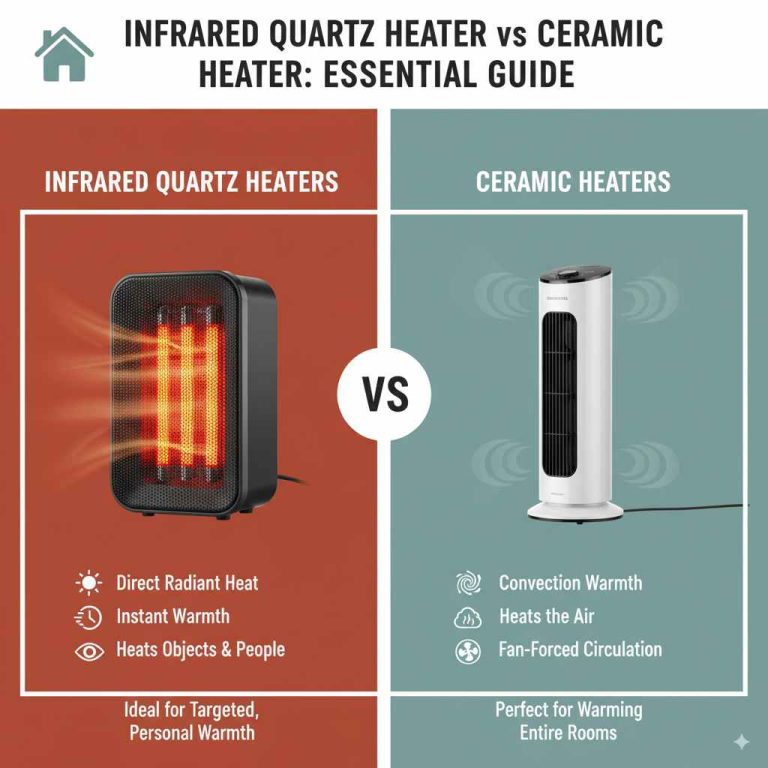
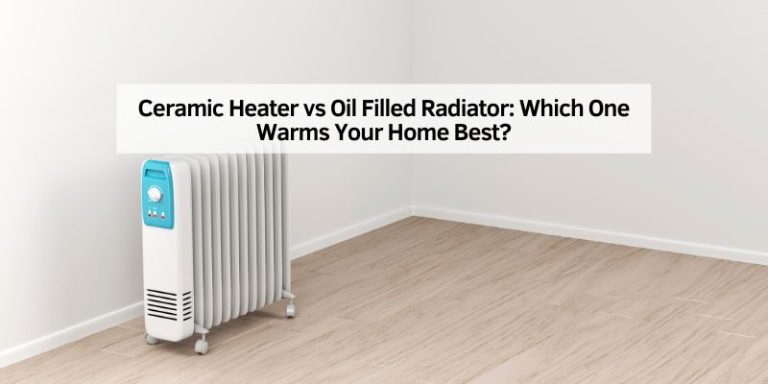
Let’s kick things off with ceramic heaters. I first came across these when I needed something portable to warm up my home office during those chilly early mornings. Ceramic heaters are a type of convection heater, which means they work by heating the air around them. Inside, they’ve got ceramic plates or elements that get hot when electricity runs through them. A fan then blows that warm air out into the room, spreading the heat around.
What I love about ceramic heaters is how quickly they can warm up a space. The ceramic material is great at holding and distributing heat, so you don’t have to wait long to feel cozy. They’re also super portable—most models are lightweight and easy to move from room to room. I’ve carried mine from my office to the living room without breaking a sweat. Plus, many ceramic heaters come with cool features like adjustable thermostats, oscillation for even heat distribution, and safety settings like tip-over protection. If you’ve got kids or pets, those safety features are a lifesaver.
However, ceramic heaters do have some downsides. They rely on a fan to push warm air, which can make them a bit noisy. If you’re someone who needs absolute quiet to focus or sleep, that hum might bug you. Also, because they heat the air, they can stir up dust, which isn’t ideal if you have allergies. I noticed this when I ran mine for hours—my nose got a bit stuffy. Still, for small to medium-sized rooms, ceramic heaters are hard to beat for their quick warmth and affordability.
What Are Infrared Quartz Heaters?
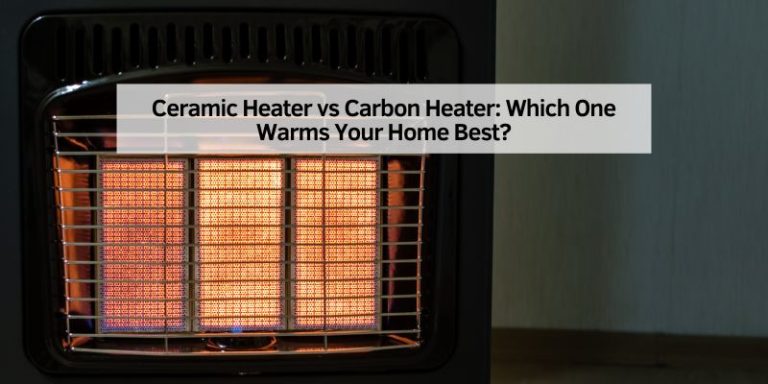
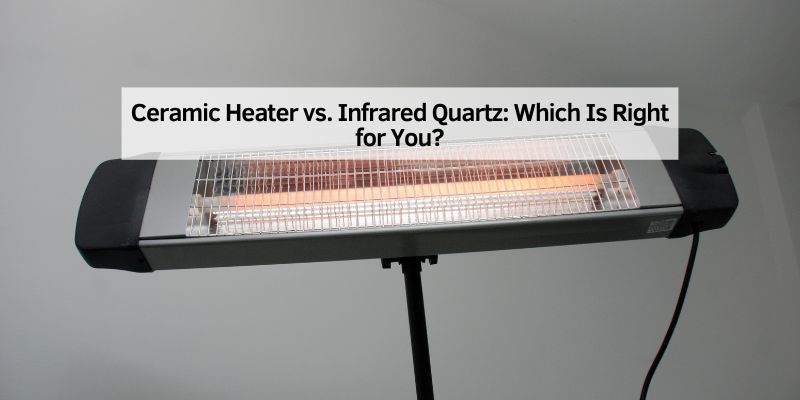
Now, let’s talk about infrared quartz heaters. I got curious about these when I saw one at a friend’s house, glowing softly and making the room feel like it was bathed in sunlight. Unlike ceramic heaters, infrared quartz heaters don’t heat the air. Instead, they use infrared radiation to directly warm objects and people in their path. It’s like how the sun warms your skin on a cool day—direct and instant.
These heaters typically have quartz tubes with a heating element inside, often a coiled wire. Quartz is special because it’s almost transparent to infrared energy, meaning nearly all the heat produced goes straight to you, not the surrounding air. I was amazed at how fast I felt warm when I stood near one. They’re also super quiet since most models don’t use fans, which is a big win if you hate background noise.
One thing to keep in mind is that infrared quartz heaters work best when you’re in their direct line of sight. If you’re across the room or behind a piece of furniture, you might not feel the heat as much. I learned this the hard way when I tried using one in a large, open living room—it worked great for the couch area but left the corners chilly. They’re also fantastic for spot heating, like warming up a garage or patio, but they’re not the best for heating an entire room for a long time.
How Do They Compare in Efficiency?
Efficiency is a big deal when you’re paying electric bills, right? I’ve spent a lot of time comparing how these two heaters stack up in terms of energy use. Infrared quartz heaters are often touted as more efficient because they convert nearly 100% of their energy into heat that directly warms objects and people. Since they don’t waste energy heating the air, you get more warmth for your wattage. I noticed this when I used an infrared heater in my garage—it warmed me up fast without running up the bill.
Ceramic heaters, on the other hand, lose some efficiency because they heat the air, and warm air can escape or rise to the ceiling. If you’ve got a drafty room, you might lose some of that heat before it does you any good. However, ceramic heaters can be more efficient for smaller, enclosed spaces where the warm air stays put. I found that my ceramic heater worked great in my bedroom, keeping the whole space cozy without cranking the thermostat too high.
Here’s a quick comparison table to break it down:
| Feature | Ceramic Heater | Infrared Quartz Heater |
|---|---|---|
| Heating Method | Convection (heats air) | Radiation (heats objects/people) |
| Efficiency | Good for small spaces, less in drafty areas | Nearly 100% efficient for spot heating |
| Heat-Up Time | Quick (2-5 minutes) | Almost instant |
| Noise Level | Fan can be noisy | Silent (no fan) |
| Best For | Small to medium rooms | Spot heating, open areas |
Which One Heats Faster?
When it’s freezing, you don’t want to wait forever to feel warm. I’ve tested both types of heaters to see which one delivers heat the quickest. Infrared quartz heaters win hands-down for instant warmth. Because they directly heat objects and people, you feel cozy almost as soon as you turn them on. I remember plugging in an infrared heater during a cold spell, and within seconds, I felt like I was sitting by a campfire.
Ceramic heaters are no slouches, though. They take a few minutes—usually 2 to 5—to heat up the ceramic elements and start circulating warm air. Once they get going, they do a great job of warming the entire room. I found this especially nice in my home office, where I wanted steady, even heat over a few hours. If you need instant heat, go with infrared. If you’re okay waiting a few minutes for the whole room to warm up, ceramic is a solid choice.
Which Is Better for Different Spaces?
Choosing the right heater depends a lot on where you plan to use it. I’ve moved both types of heaters around my house to see how they perform in different settings. Ceramic heaters are awesome for small to medium-sized rooms, like bedrooms, offices, or bathrooms. The warm air circulates well, and if the room is insulated, it stays cozy for hours. I’ve even used mine in a nursery because the safety features, like cool-touch casings, gave me peace of mind.
Infrared quartz heaters shine in open or drafty spaces, like garages, patios, or living rooms with high ceilings. Since they don’t rely on heating the air, they’re not affected by drafts or open doors. I tried using an infrared heater on my covered patio, and it was perfect for keeping us warm during a fall evening barbecue. However, in a large room with lots of furniture, the heat might not reach every corner unless you’re strategic about placement.
Safety Features to Consider
Safety is huge, especially if you’ve got kids, pets, or a tendency to bump into things (guilty!). Both types of heaters come with safety features, but they’re a bit different. Ceramic heaters often have cool-touch exteriors, so even if the ceramic plates inside are hot, the outside stays safe to touch. Many models also have tip-over protection, which shuts the heater off if it gets knocked over. I tested this by accidentally nudging mine, and sure enough, it turned off instantly.
Infrared quartz heaters can get very hot on the surface, especially around the quartz tubes, so you need to keep them out of reach of kids and pets. Most models have overheat protection, which cuts power if the heater gets too hot. I always make sure to place my infrared heater on a flat, stable surface away from curtains or anything flammable. Both types are safe when used properly, but ceramic heaters feel a bit more forgiving for busy households.
Cost and Maintenance
Let’s talk money. I’ve shopped around for both types of heaters, and here’s what I’ve found. Ceramic heaters are often cheaper upfront, with basic models starting around $30 to $100. They’re widely available, and you can find them at most big-box stores. Maintenance is pretty straightforward—clean the filter if it has one, and wipe down the exterior to keep dust at bay. The fan can wear out over time, though, so you might need to replace parts after a few years.
Infrared quartz heaters tend to be pricier, starting at $50 and going up to $200 or more for high-end models. The quartz tubes are durable, often lasting 20,000 to 60,000 hours, which is a long time. Since they don’t have fans, there’s less to maintain, but you’ll want to handle them carefully because quartz tubes can break if dropped. I’ve found that infrared heaters save me money in the long run because of their efficiency, especially for spot heating.
Comfort and User Experience
Comfort is subjective, but I’ve noticed some key differences. Ceramic heaters create a warm, even atmosphere that feels like your central heating system. The air stays warm, which is great for long-term use, like when you’re working or sleeping. But the fan noise can be a drawback. I once tried reading with my ceramic heater on, and the hum was a bit distracting.
Infrared quartz heaters give you that “sun on your skin” feeling, which I find incredibly cozy for short bursts, like watching TV or working in a cold garage. Since they’re silent, they’re perfect for quiet spaces. However, the heat can feel uneven if you move out of the heater’s direct line of sight. I’ve learned to position mine so it hits the spot where I’m sitting.
Which Is More Eco-Friendly?
If you’re trying to go green, efficiency matters. Infrared quartz heaters are generally more eco-friendly because they waste less energy. By directly heating objects, they use less power to achieve the same level of comfort. I’ve noticed my electricity bill stays lower when I use my infrared heater for spot heating instead of cranking up the central heat.
Ceramic heaters can still be efficient, especially in well-insulated rooms, but they lose some points because of the energy used to heat the air. If you’re in a region with high electricity costs, an infrared heater might be the better choice for both your wallet and the planet.
My Personal Takeaways
After testing both heaters in different scenarios, I’ve come to appreciate what each one brings to the table. Ceramic heaters are my go-to for small, enclosed spaces where I want steady, even heat. They’re affordable, safe, and great for everyday use. Infrared quartz heaters are my pick when I need instant warmth in a specific spot, like my patio or garage. They’re quiet, efficient, and feel like a luxury when you’re in their glow.
Ultimately, your choice depends on your lifestyle. If you want a heater that warms a whole room and is safe for kids or pets, go with a ceramic model. If you’re looking for instant, targeted heat in an open or drafty space, an infrared quartz heater is the way to go. Either way, both are fantastic tools to keep you cozy without relying on your central heating system.
Conclusion
Phew, we’ve covered a lot! Choosing between a ceramic heater and an infrared quartz heater doesn’t have to be overwhelming. I’ve spent hours shivering in cold rooms and testing these heaters to figure out what works best, and I hope my experience helps you make the right call. Ceramic heaters are perfect for small, cozy spaces and busy households, while infrared quartz heaters are your best bet for instant warmth and open areas. Think about your space, your budget, and how you like to feel warm. Whatever you choose, you’ll be ready to tackle winter like a pro. Stay warm out there!
FAQs
Are ceramic heaters cheaper to run than infrared quartz heaters?
It depends on how you use them. Ceramic heaters can be cheaper to run in small, insulated rooms because they heat the air efficiently. Infrared quartz heaters are often more cost-effective for spot heating since they don’t waste energy warming the air. Check your electricity rates and test both to see which saves you more in your specific space.
Can I use an infrared quartz heater outdoors?
Yes, many infrared quartz heaters are great for outdoor use, especially on covered patios or terraces. They’re not affected by drafts, and the direct heat feels amazing in open spaces. Just make sure the model is rated for outdoor use and keep it away from water or flammable materials.
Do ceramic heaters dry out the air?
Ceramic heaters don’t dry out the air as much as traditional coil heaters, but they can still reduce humidity slightly because they heat the air. If dry air is a concern, consider using a humidifier alongside your ceramic heater to keep things comfortable.
Are infrared quartz heaters safe for pets?
Infrared quartz heaters are safe for pets as long as you place them out of reach. The surface can get very hot, so make sure your pet can’t touch the quartz tubes. Look for models with overheat protection and a sturdy base to prevent tipping.
How long do ceramic and infrared quartz heaters last?
Ceramic heaters typically last a few years, though the fan might need maintenance or replacement. Infrared quartz heaters can last much longer—up to 20,000 to 60,000 hours for the quartz tubes—making them a durable choice if handled carefully.