Ceramic Heater vs Oil Radiator for 100-250 Sq Ft Cold Rooms
Brr! Last winter, my living room felt like an icebox. I wanted a heater to warm it up fast. That’s when I started looking at ceramic heater vs oil radiator options. Both can make your home cozy, but which is better? In this article, I’ll share what I learned. I’ll explain how these heaters work, compare them, and give you easy tips to pick the right one. Whether you’re new to heaters or a pro, I’ve got you covered with simple advice and fun ideas to stay warm!
What Are Ceramic Heaters and Oil Radiators?
Heaters keep us warm when it’s cold. Let’s look at what makes ceramic heaters and oil radiators different.
Ceramic Heaters: Quick and Light
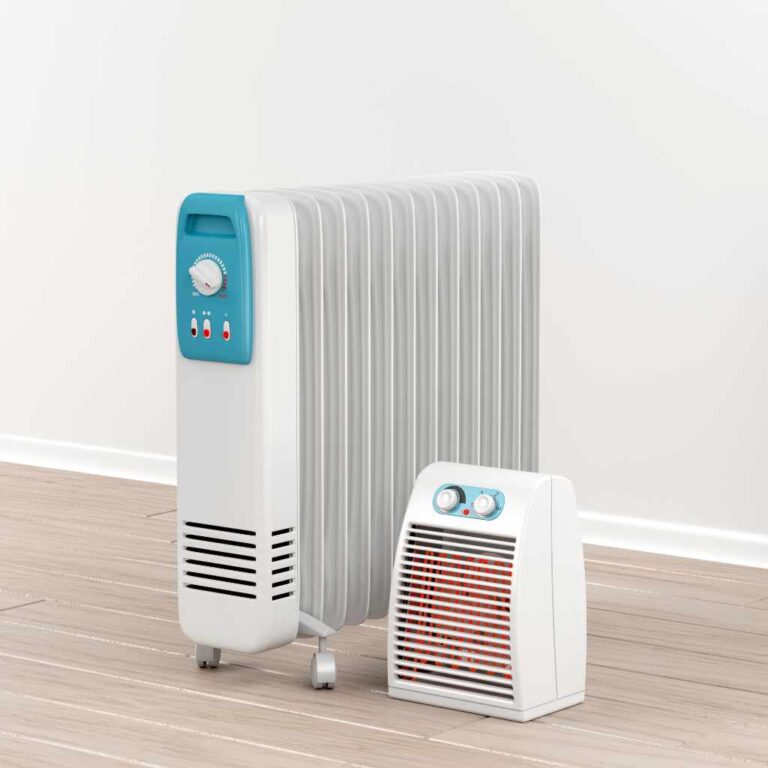
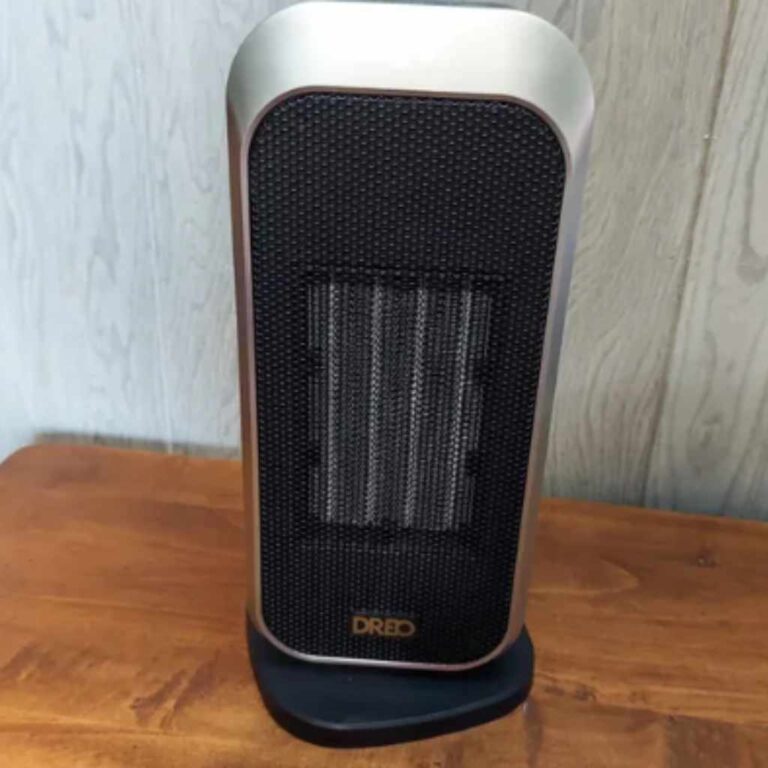
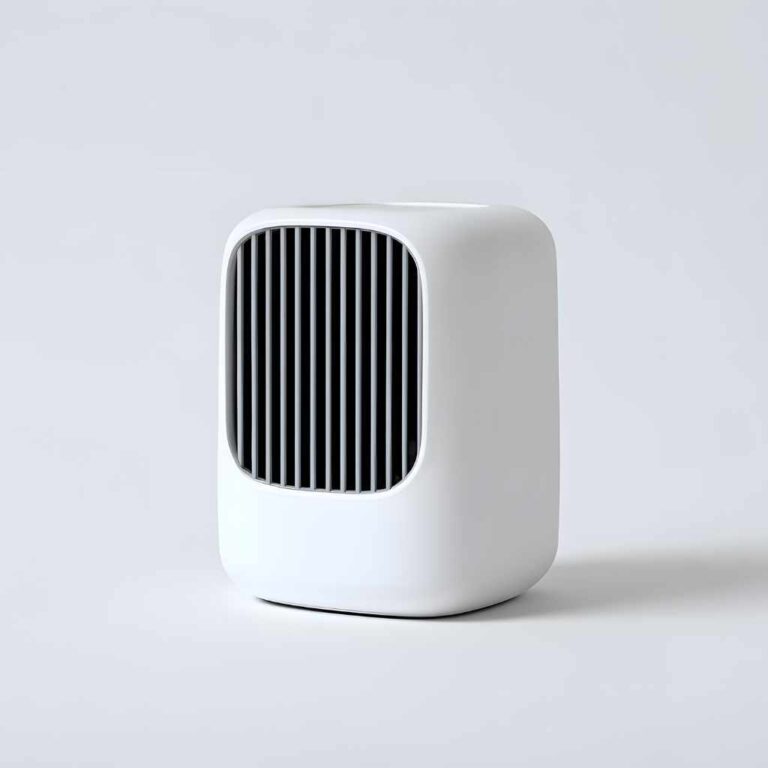
A ceramic heater uses a ceramic plate to make heat. Electricity warms the plate, and a fan blows hot air into the room. They’re small, light, and heat up fast. I love using mine in my small office. It’s ready in minutes!
Oil Radiators: Slow and Steady
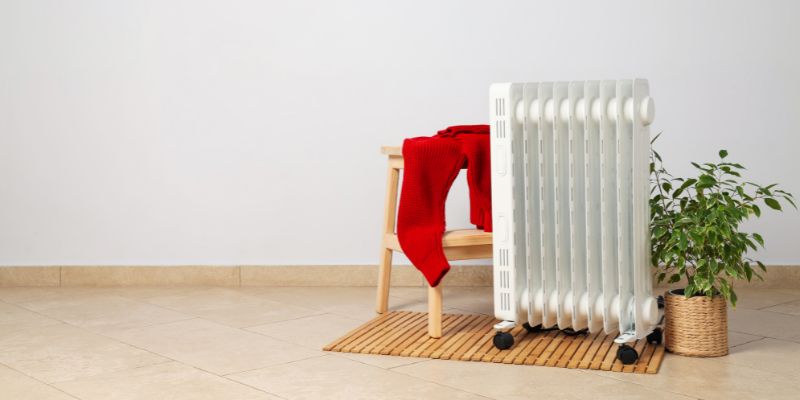
An oil radiator has oil inside that gets hot. Electricity heats the oil, which warms the metal fins. The fins then heat the room. They take longer to warm up but stay hot for hours. I used one in my bedroom, and it kept me cozy all night.
Why Compare Ceramic Heater vs Oil Radiator?
Choosing a heater can be tricky. You want one that’s safe, cheap to run, and good for your space. Comparing ceramic heater vs oil radiator helps you find the best fit. I’ll show you how they stack up so you can decide.
How Do They Work? A Simple Breakdown
Let’s make this easy. Both heaters use electricity, but they heat differently.
How Ceramic Heaters Work
Ceramic heaters have a ceramic plate inside. Electricity makes the plate hot. A fan pushes the warm air out. This is called convection heat. It’s great for small rooms because it spreads heat fast. Think of it like a hairdryer warming your space!
How Oil Radiators Work
Oil radiators have oil inside metal fins. Electricity heats the oil, which warms the fins. The fins then send heat into the room. This is radiant heat. It’s like sitting by a warm fireplace. The oil stays hot even after you turn it off.
Comparing Ceramic Heaters vs Oil Radiators
I’ve used both heaters, and they’re great for different needs. Here’s a simple comparison to help you choose.
Table 1: Ceramic Heater vs Oil Radiator Features
| Feature | Ceramic Heater | Oil Radiator |
|---|---|---|
| Heat-Up Time | Fast (1-2 minutes) | Slow (20-30 minutes) |
| Room Size | Small to medium | Medium to large |
| Portability | Light and easy to move | Heavy and bulky |
| Noise | Fan can be noisy | Silent |
| Cost to Run | Good for short use | Better for long use |
Caption: This table compares key features to help you pick the right heater.
Benefits of Ceramic Heaters
- Fast Heat: They warm up in minutes. Perfect for quick chills!
- Lightweight: Easy to carry from room to room.
- Safe: Many have cool-touch surfaces and auto shut-off.
I love my ceramic heater for my desk. It warms my hands while I work!
Benefits of Oil Radiators
- Long-Lasting Heat: Stays warm even after turning off.
- Quiet: No fan, so it’s silent. Great for bedrooms.
- Even Heat: Warms large rooms evenly.
My oil radiator kept my living room cozy during a snowstorm.
Drawbacks of Ceramic Heaters
- Noisy Fans: The fan can bother light sleepers.
- Cools Fast: Stops heating when turned off.
- Small Spaces Only: Not great for big rooms.
Drawbacks of Oil Radiators
- Slow Start: Takes time to feel warm.
- Heavy: Hard to move around.
- Hot Surface: Can be unsafe for kids or pets.
Which Heater Is Best for Your Room?
The right heater depends on your space and needs. Here’s how to choose.
Small Rooms (100-250 sq ft)
Ceramic heaters are best for small spaces like offices or bathrooms. They heat up fast and are easy to move. I use mine in my 150 sq ft office, and it’s perfect.
Medium to Large Rooms (250-400 sq ft)
Oil radiators shine in bigger spaces like living rooms. They take longer but keep the room warm for hours. My 300 sq ft living room stays cozy with an oil radiator.
Table 2: Room Size Guide for Heaters
| Room Size | Best Heater | Example Use |
|---|---|---|
| Small (100-250 sq ft) | Ceramic Heater | Office, bathroom |
| Medium (250-400 sq ft) | Oil Radiator | Living room, bedroom |
| Large (>400 sq ft) | Multiple heaters | Open-plan home |
Caption: Use this table to match your room size to the right heater.
Cost and Efficiency: Saving Money
Heaters can raise your electric bill. Let’s look at how to save money.
Ceramic Heater Costs
Ceramic heaters use less power for short bursts. A 1500-watt ceramic heater costs about $0.18 per hour (based on $0.12/kWh). They’re great if you only need heat for a few hours. I turn mine on for two hours while working, and it’s budget-friendly.
Oil Radiator Costs
Oil radiators are efficient for long use. They use 1500 watts but keep heating after turning off. This saves energy. I run mine overnight in my bedroom, and it’s cheaper than my old fan heater.
Tips to Save Money
- Use a Timer: Turn off the heater when you don’t need it.
- Lower Thermostat: Set it to a comfy 68°F, not higher.
- Insulate Rooms: Close doors to trap heat.
Safety Tips for Using Heaters
Safety is super important. I learned this when my cat knocked over a heater! Here’s how to stay safe.
- Keep Away from Stuff: Place heaters 3 feet from curtains or furniture.
- Use Safety Features: Pick heaters with tip-over protection and auto shut-off.
- Plug Directly In: Avoid extension cords to prevent fires.
Check out Energy Star for safe heater tips.
Common Mistakes to Avoid
I’ve made mistakes with heaters. Don’t do these!
- Wrong Size Heater: A small ceramic heater won’t warm a big room.
- Leaving It On: Unplug heaters when you leave the house.
- Ignoring Dust: Clean heaters to avoid bad smells or fires.
Personal Tips from My Experience
I’ve tested heaters for years. Here are my favorite tips.
- Move Ceramic Heaters: Carry them to the room you’re in. They’re light!
- Use Oil Radiators at Night: They’re quiet and keep you warm.
- Check Wattage: Match the heater’s power to your room size.
Table 3: My Top Heater Picks
| Heater Type | Model Example | Best For |
|---|---|---|
| Ceramic Heater | Lasko Ceramic Heater | Small rooms, quick heat |
| Oil Radiator | DeLonghi Oil Radiator | Large rooms, long heat |
Caption: These are my go-to heaters for different needs.
Visual Ideas for Better Understanding
Pictures can help! Here are ideas for visuals (not included):
- Room Setup Diagram: Show where to place a heater safely.
- Heater Comparison Chart: Display heat-up time and noise levels.
- Safety Checklist: A simple graphic with safety tips.
Other Heater Options
Not sure about ceramic or oil? Try these:
- Infrared Heaters: Heat objects directly, great for spot heating.
- Fan Heaters: Cheap but noisy, good for small spaces.
Learn more at Consumer Reports for heater reviews.
Conclusion
Choosing between a ceramic heater vs oil radiator is easy once you know your needs. Ceramic heaters are quick and light, perfect for small spaces. Oil radiators are slow but great for big rooms and long nights. Think about your room size, budget, and safety. Try one out this winter! Share your favorite heater in the comments or ask me for tips. Stay warm and cozy!
Frequently Asked Questions
What’s the Main Difference Between Ceramic Heaters and Oil Radiators?
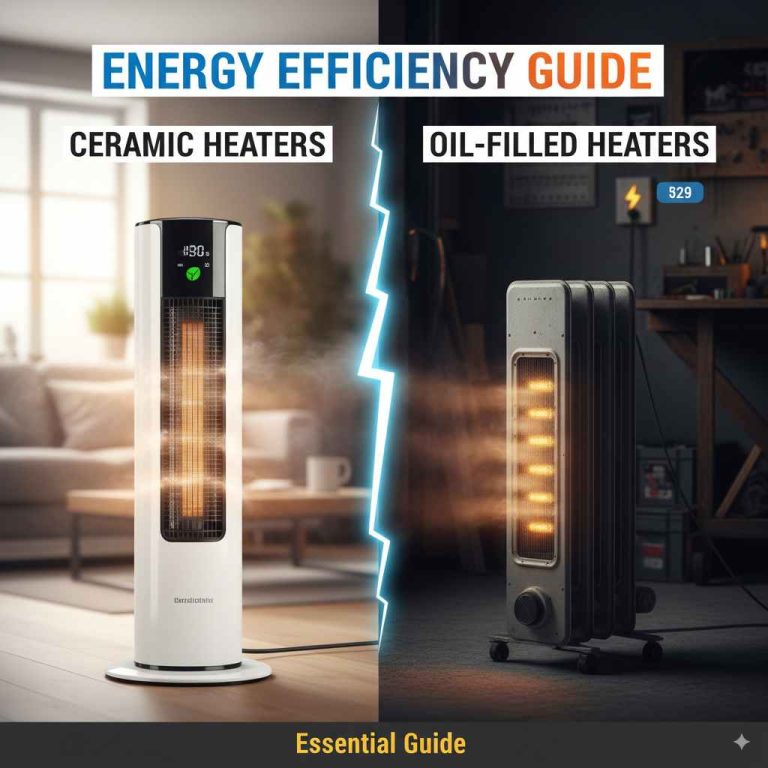
Ceramic heaters use a fan to blow hot air from a ceramic plate. They heat up fast. Oil radiators warm oil to radiate heat slowly. They’re better for long-lasting warmth. Choose ceramic for quick heat, oil for steady warmth.
Are Ceramic Heaters Cheaper to Run?
Ceramic heaters are cheaper for short use, like 2-3 hours. They use about $0.18 per hour (1500 watts). Oil radiators save money for longer use because they stay warm after turning off. Check your electric rates!
Are Oil Radiators Safe for Kids?
Oil radiators can get hot on the outside. Pick models with cool-touch surfaces or guards. Always keep them 3 feet from kids or pets. I use mine in a corner away from my cat!
Can I Use a Ceramic Heater All Night?
Ceramic heaters are safe with auto shut-off and tip-over protection. But they’re noisy and cool fast when off. I prefer oil radiators for overnight use because they’re quiet and stay warm.
Which Heater Is Better for a Large Room?
Oil radiators are best for large rooms (250-400 sq ft). They spread heat evenly and stay warm longer. Ceramic heaters work better in small spaces like offices or bathrooms.
Do Both Heaters Need Maintenance?
Ceramic heaters need dusting to keep the fan clean. Oil radiators need a quick wipe-down. Never open an oil radiator; the oil is sealed for life. Check manuals for care tips.
Where Can I Learn More About Heaters?
Visit trusted sites like Underwriters Laboratories (UL) for safety standards. They test heaters to ensure they’re safe. I check their guides before buying any heater.